Portuguese
  Spanish




Mario Ruiz-Tagle, CEO of Neoenergia, Highlighted Brazil’s Potential in Electrical Technologies During Conference Aiming to Expand Corporate Tactics and Boost Innovations in Clean Energy
The Future of Brazil in Light of the Growing Global Demand for Clean Energy, Amid a Landscape of New Technologies and Decarbonization. This was the main theme for Neoenergia, a private company in the electric sector during the panel “Service and Insurance Sectors: New Green Opportunities,” at the Global Carbon Market Congress – Decarbonization and Green Investments, held in Rio de Janeiro on Wednesday (18). “Brazil finds itself in a spectacular, historic moment. The world is currently demanding green technology,” highlighted Mario Ruiz-Tagle, CEO of the company, a leader in energy transition in Brazil, where it has been for 25 years.
Ruiz-Tagle also reiterated Neoenergia’s past investments in renewable technologies and the expectation for advancements in emerging resources in the country, such as offshore wind energy and green hydrogen.
The company’s debut wind farm, Neoenergia Rio do Fogo, in Rio Grande do Norte, began operations in 2006 and was the first operation created with funding from the Alternative Energy Sources Incentive Program. Today there are 44 parks in operation and under construction, contributing a total wind capacity of 1.5 GW, notably including Neoenergia Oitis, located between Piauí and Bahia.
-
Brazilian scientists are simultaneously advancing two research projects on clean hydrogen and driving solutions that could transform the energy matrix, enhance industrial competitiveness, and accelerate large-scale emission reduction targets.

-
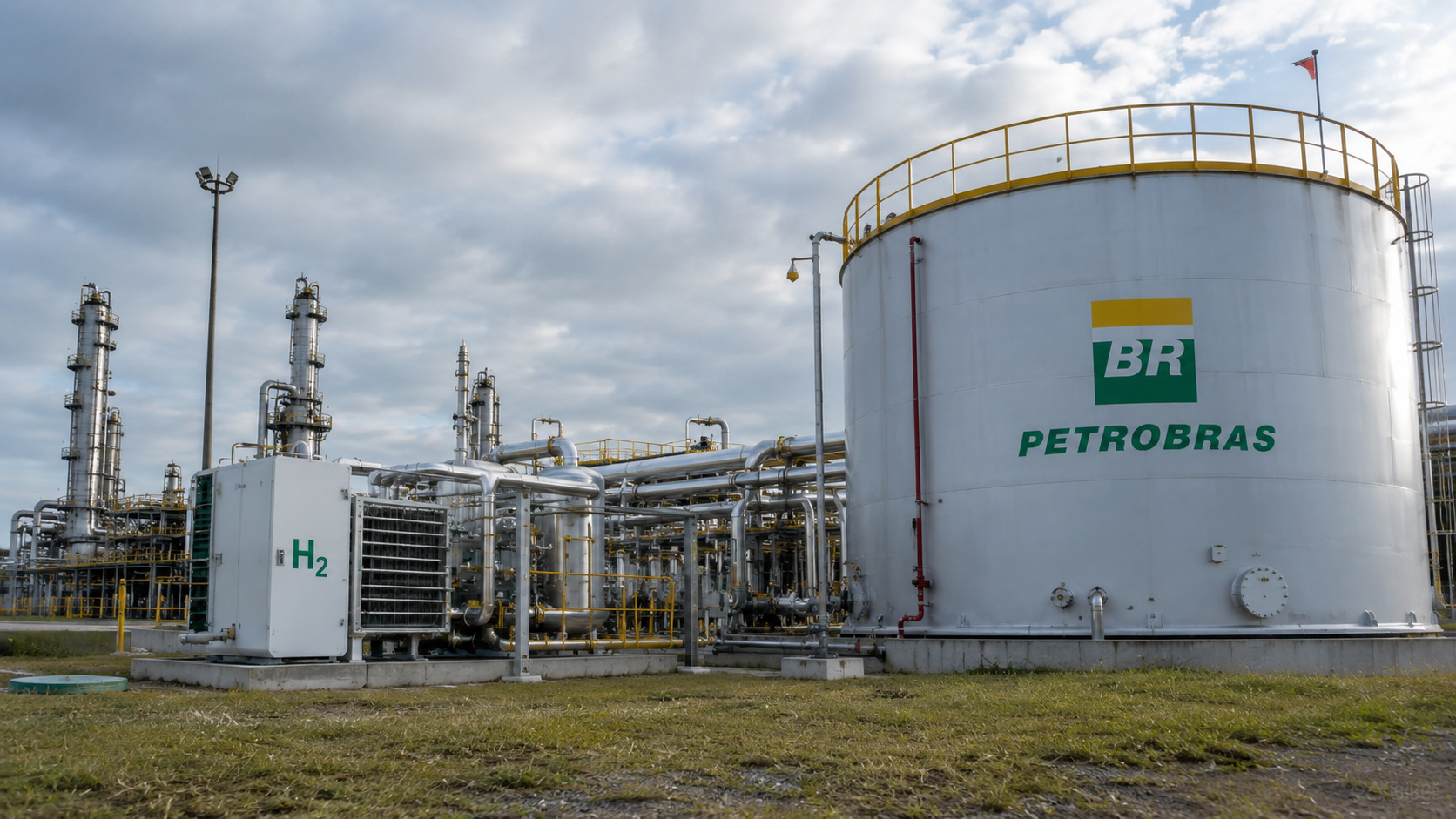
Advancement in renewable energy: A R$ 150 million project launched by Petrobras and Finep aims to create state-of-the-art electrolyzers for green hydrogen, strengthening national research and preparing Brazil to compete in a billion-dollar energy market.
-
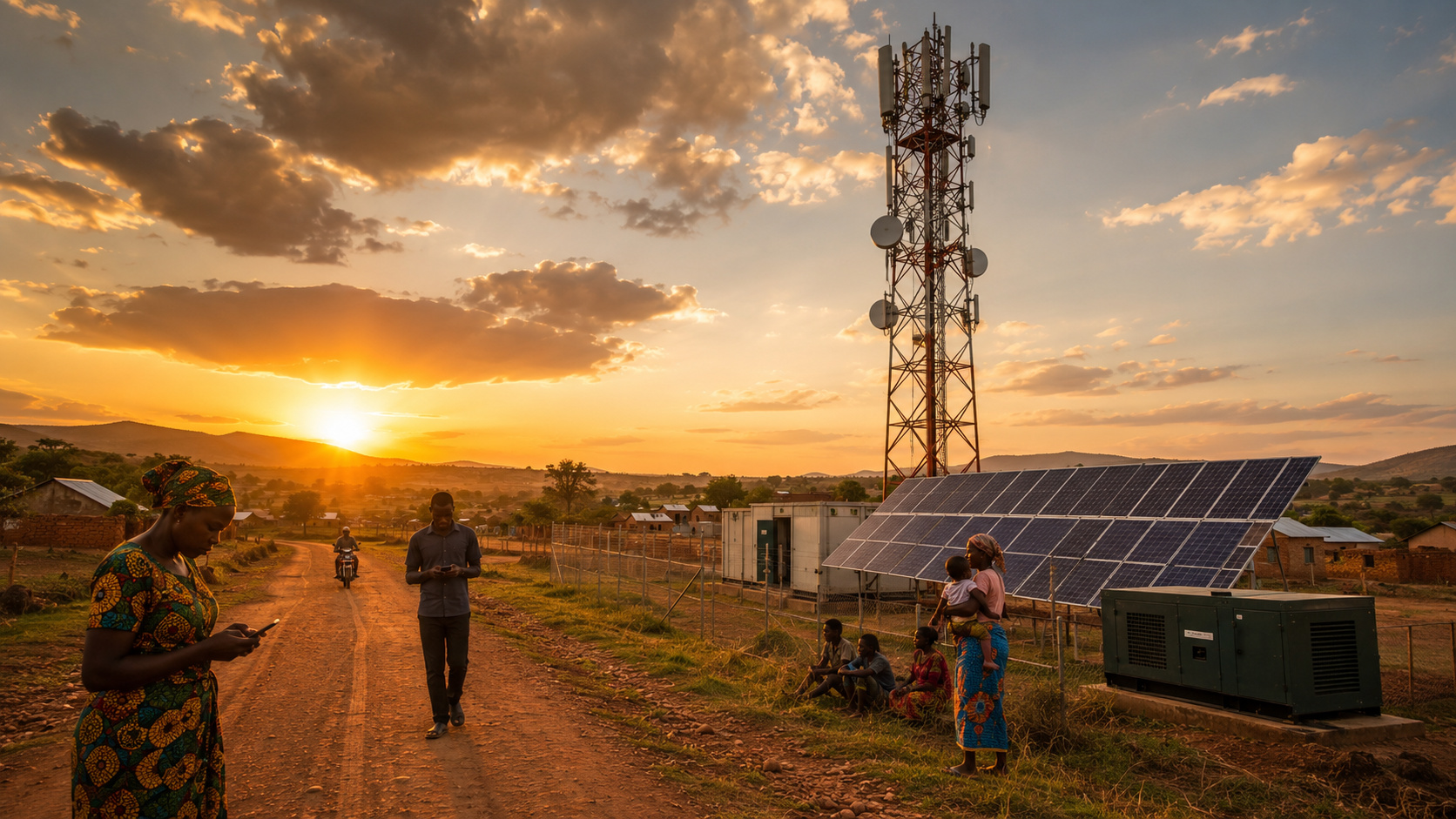
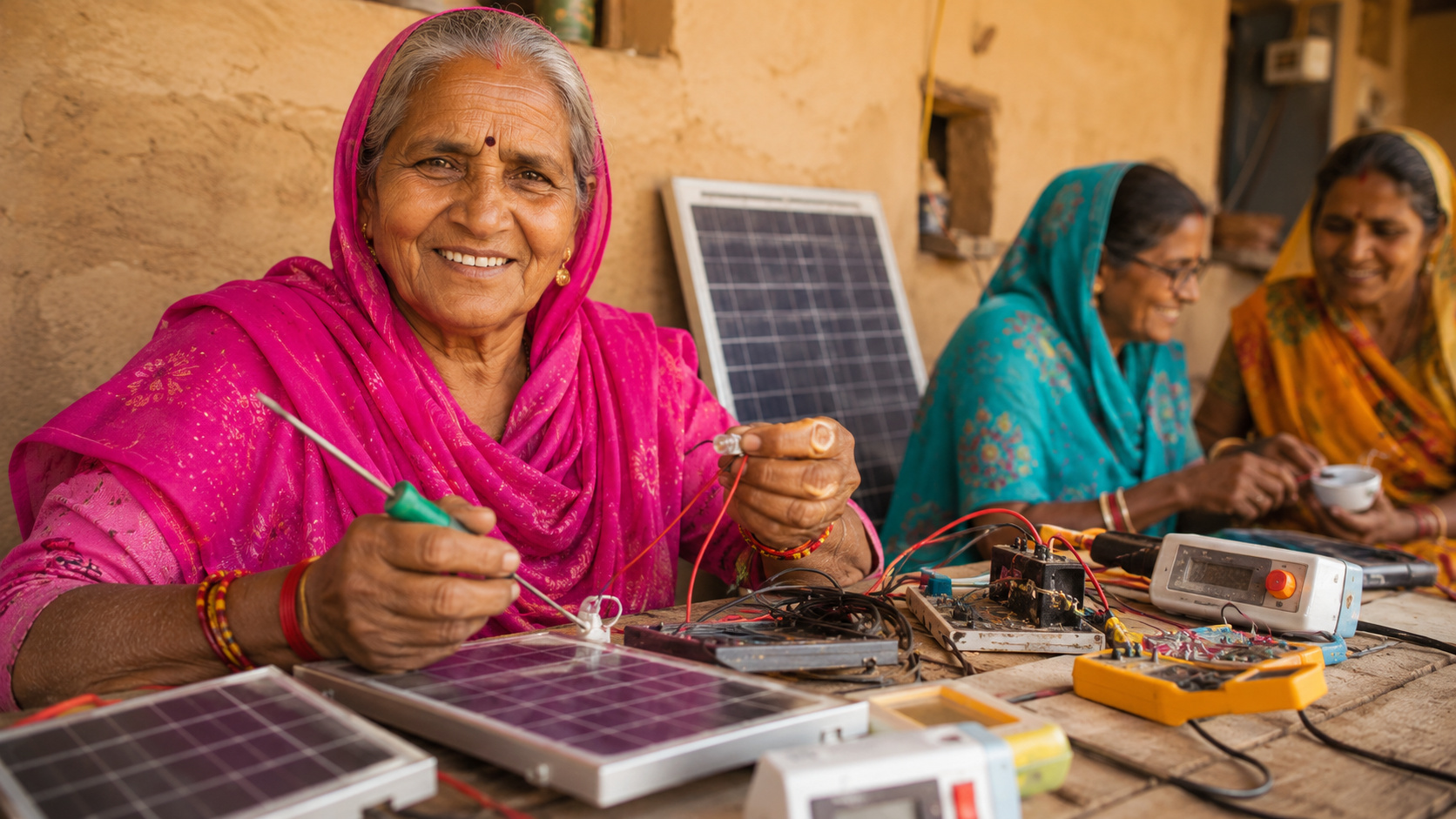
Illiterate or semi-literate grandmothers were trained to repair solar systems, open rural workshops, and light up homes that still depended on kerosene.
-
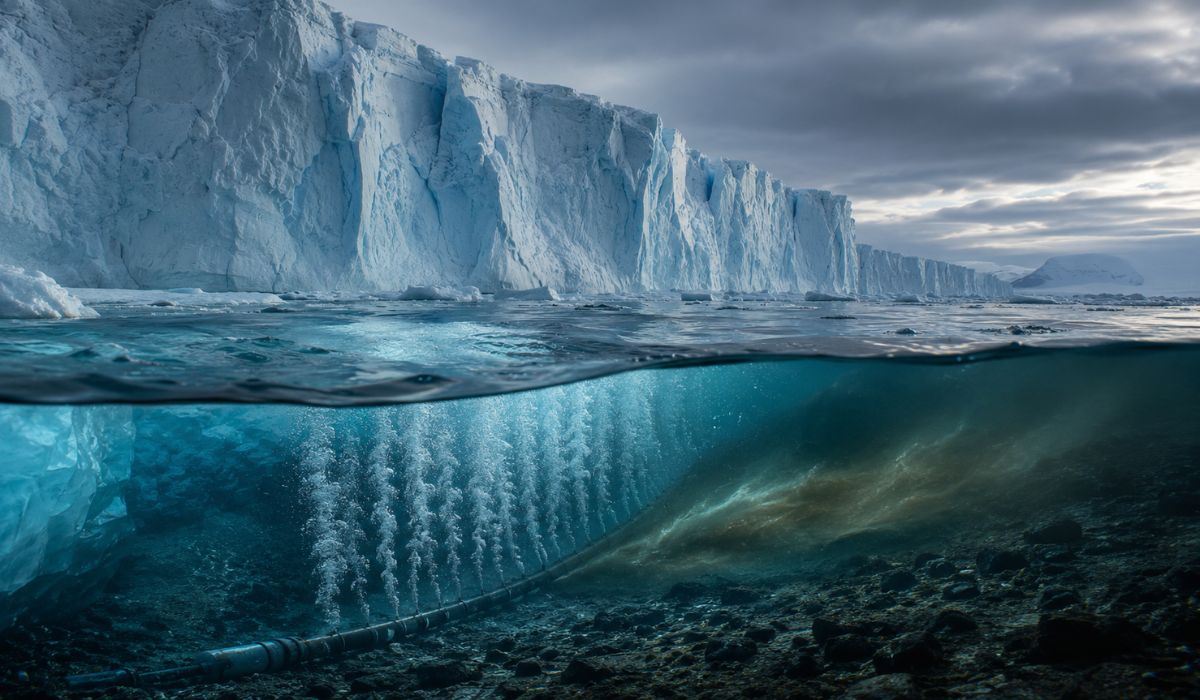
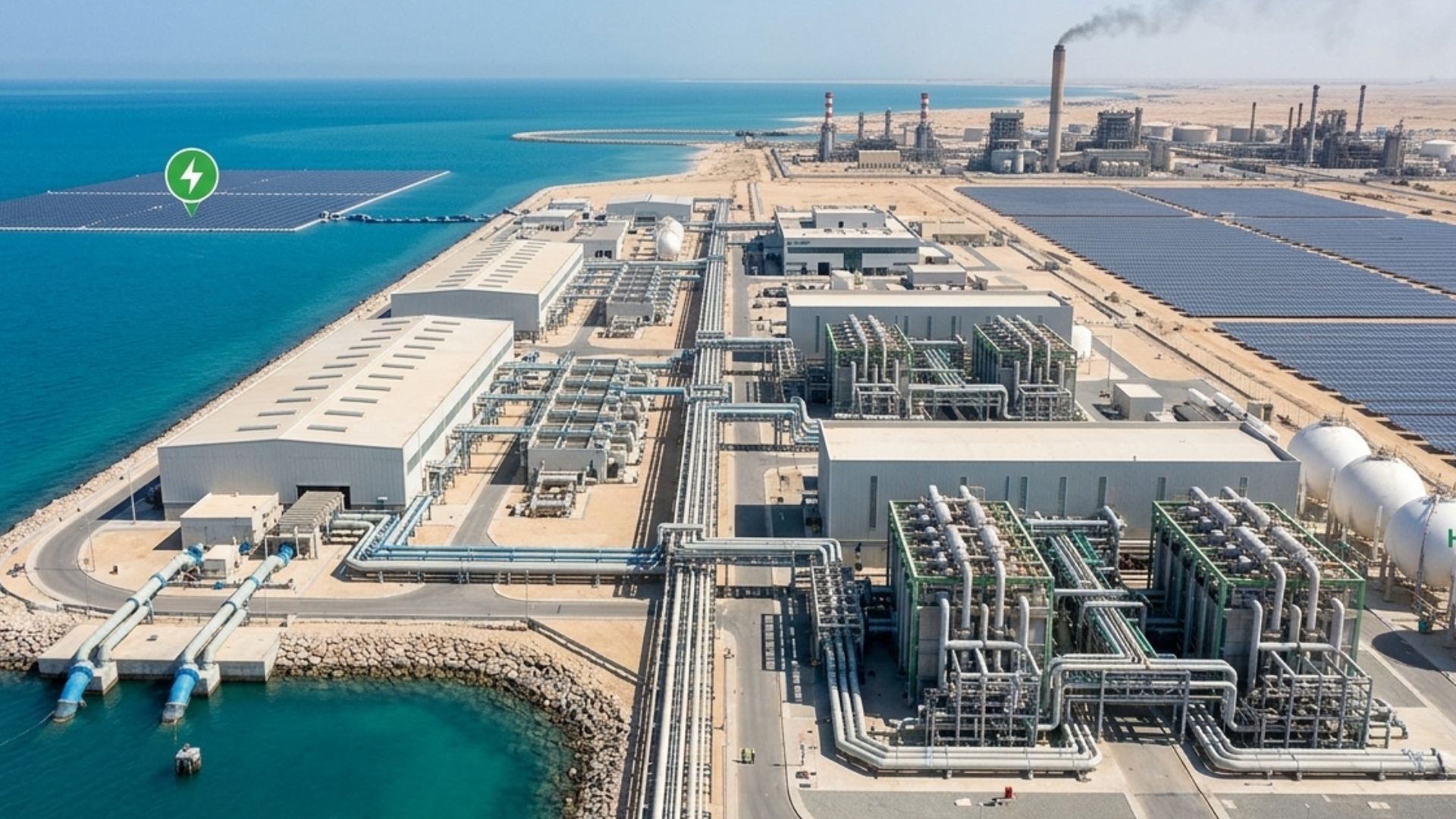
The world has bet on green hydrogen as the fuel of the future, but now faces the side effect: producing 1 kilogram requires about 9 liters of ultrapure water, and the largest projects on the planet are precisely in the driest regions of the Earth, where water is already scarce for people.


Watch the Video to Learn More About Clean Energy:


Additionally, Neoenergia is currently at the forefront of studies on green hydrogen and similar topics: an example is the pilot project at the Port of Suape (PE), in partnership with the state government. Produced using clean energy, without greenhouse gas emissions, this is a global bet to expedite industrial decarbonization.
At the conference, the CEO of Neoenergia reiterated that hydrogen has all the potential to be used as a cleaner alternative for the fleet of heavy vehicles.
“For the first time, we are starting to see a phenomenon that will mark the future, green hydrogen, which could become a transporter and will increasingly extend the frontiers of clean energy in Brazil,” said the CEO, who also pointed out the relevance of regulation in the context of technological innovations.
Neoenergia’s Work Through the Eyes of CEO Ruiz-Tagle
The development of renewables at Neoenergia in recent years has followed the trend of projects to stimulate technology and local potential. Mentioned by Mario Ruiz-Tagle at the event, an example is the showcase by Siemens Gamesa, a company that has a factory in Bahia and is a supplier of wind turbines for parks like Neoenergia Chafariz in Paraíba.
The implementation of actions related to sustainable development in the areas is one of the company’s strategies across all its programs, which span 18 Brazilian states.
Among the investments regarding decarbonization, in addition to the expansion of clean energy, is the advancement of infrastructure for the growth of sustainable mobility. Ruiz-Tagle exemplifies the Green Corridor project, integrated into Neoenergia’s Research and Development (R&D) Program, which is conducted by the National Electric Energy Agency (Aneel).
The company installed the largest electric highway in the Northeast: 18 stations between Salvador, Bahia, and Natal, Rio Grande do Norte. The aim, according to Ruiz-Tagle, is to foster “consumer confidence regarding the main question: the safety of the electric vehicle. Today, the principal issue is whether it is possible to travel far with an electric vehicle.”
Carbon Market and Clean Energy
The CEO of Neoenergia also addressed the opportunities for compensating emissions through the use of renewable energy. The Teles Pires Hydroelectric Plant (PA/MT), regulated by the company, is positioned to issue carbon credits through the Clean Development Mechanism (CDM) and has been contracting with national and foreign companies, such as from India and the Netherlands, since starting operations in 2015.
Neoenergia is also negotiating Renewable Energy Certificates related to the hydropower and wind generation of its projects. Each MWh generated by a registered clean energy plant equals 1 I-REC.
According to Mario Ruiz-Tagle, due to Brazil’s potential in the context of energy transition, the country can play a leading role in the 27th UN Conference on Climate Change, scheduled for this year in Egypt, where topics regarding the future of carbon neutrality campaigns and the subsidizing of climate adaptation actions will be discussed.