





 Portuguese
  English
  Spanish
  4 min of reading
  0 comments


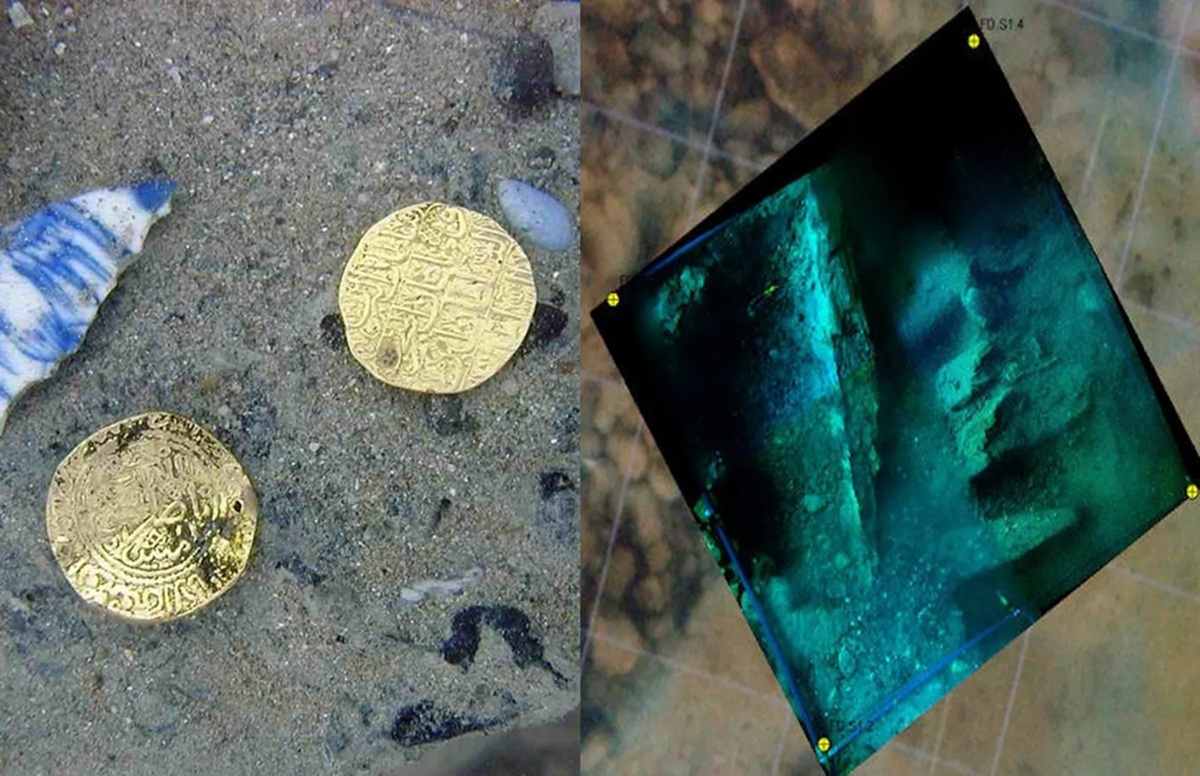
In The Waters Of Madagascar, Archaeologists Claim To Have Found The Remains Of One Of The Most Plundered Ships In Piracy History. The Wreck May Reveal Details Of An Attack Involving Millions In Treasures, Figures From The Portuguese Empire And The Feared Pirate Levasseur.
In The Waters Of The Northeast Of Madagascar, Researchers Believe They Have Found The Remains Of One Of The Most Sought-After Ships In Piracy History. Submerged Near The Island Of Nosy Boraha, The Wreck Would Be That Of The Nossa Senhora do Cabo, A Portuguese Ship Captured In 1721 By Olivier “The Vulture” Levasseur, One Of The Most Feared Pirates Of All Time.
The Discovery Is The Result Of 16 Years Of Work By American Archaeologists Brandon Clifford And Mark Agostini, From The Center For The Preservation Of Historical Wrecks.
Their Findings Were Published In The Wreckwatch Magazine, And Even Without Peer Review, They Draw Attention For The Wealth Of Data Obtained Through Sonar, Historical Documents, And Over 3,300 Artifacts Recovered.
-
Sleeping at different times each day can be a bomb for your heart and even double your risk of having a heart attack.

-
Without help and without heavy machinery, a woman builds a house from scratch with stone, wood, and cement, erects a chimney, creates a complete leisure area, and transforms an empty lot into her dream home.

-
Couple transforms abandoned house after years of being closed; residence was overgrown with weeds, had a green pool, and a deteriorated structure in the interior of Rio de Janeiro.
-
Hidden marks on the walls of the site associated with the Last Supper of Jesus for centuries have been deciphered in Jerusalem, revealing medieval inscriptions left by pilgrims, European nobles, and travelers from the Middle East.

A Ship Heavy In Every Sense
The Nossa Senhora do Cabo Set Sail From Goa, India, In Early 1721. On Its Passenger List Were Two Weighty Names From The Portuguese Empire: The Outgoing Viceroy And The Archbishop Of Goa.
But They Weren’t The Only Ones. In The Hold, There Were Over 200 Enslaved People Brought From Mozambique.
The Ship’s Final Destination Was Lisbon, But It Never Arrived. On April 8, 1721, As It Approached Réunion Island, It Was Surprised By A Fleet Of Pirate Ships Commanded By Levasseur, Nicknamed “The Vulture”.
The Portuguese Ship Had Just Come From A Severe Storm. Part Of Its Artillery Had Been Thrown Overboard To Avoid Sinking.
When The Pirates Attacked, Resistance Was Minimal.
The Pirates Quickly Dominated The Ship And The Plunder Was Gigantic. According To Archaeologists, The Stolen Cargo Would Today Exceed US$ 138 Million.
Among The Registered Items: Gold Bars, Silver, Rare Coins, Silks, 400 Precious Stones, Including 110 Diamonds And 250 Emeralds. It Was A Fortune At Sea.
The Submerged Traces
The Remains Of The Nossa Senhora do Cabo Were Located In A Calm Cove Of Nosy Boraha, About 650 Kilometers West Of The Point Where The Ship Was Captured.
Using Sonar And Remote Sensing Equipment, Clifford And Agostini Found A Pile Of Ballast Stones, Characteristic Of Vessels From The Era.
Surrounding Them Were Hundreds Of Artifacts. Among The Most Impressive: Religious Figurines Made Of Wood And Ivory, One Of Them Representing The Virgin Mary.
A Small Plaque Showed The Inscription “INRI”, Indicating Its Devotional Origin. These Pieces Are Believed To Have Been Made In Goa, Destined For The Cathedrals Of Lisbon.
Coins With Arabic Inscriptions, Fragments Of Luxury Ceramics, Porcelains, And Other Precious Objects Were Also Found. Many Are Still Buried Under Sand And Mud, Awaiting Future Excavations.
“Future Fieldwork Should Allow For Deeper Analyses Of The Wreckage,” Agostini Told Live Science In An Interview.
A Port Filled With Stories
During The Eighteenth Century, The Île Sainte-Marie — Now Known As Nosy Boraha — Was A True Refuge For Pirates. Its Calm Waters And Distance From Colonial Authorities Made It A Strategic Point For Looters.
Clifford Claims That Historical Records Indicate That Between Seven And Ten Pirate Or Captured Ships Sank In The Region. At Least Four Of Them Were In This Same Port. The Island’s Importance Had Long Been Neglected By Researchers.
“The Site Has Been Historically Overlooked,” Observed Agostini. “But There Is Still Much To Be Discovered.”
Forgotten Destinations
Amid The Shine Of Gold And The Grandeur Of The Find, Important Questions Remain. The Portuguese Viceroy Was Rescued And Returned To Lisbon, But The Same Is Unknown About The Archbishop.
There Are Also No Records Of The Fate Of The Over 200 Enslaved People On Board. Their Stories Have Been Lost, Erased By The Narrative Of The Powerful.
The Recovery Of The Ship Nossa Senhora do Cabo Offers More Than A Window Into The Pirate Past.
It Exposes The Fine Line Between Power And Rebellion, Between Faith And Violence, Between Wealth And Pain. The Religious Symbols Alongside The Looted Coins Well Portray The Contradictions Of That Time.
The Past Still Throbs
The Publication Of Results By Clifford And Agostini Has Revived Interest Among Scholars In Piracy, Colonization, And The Slave Trade In The Indian Ocean.
Even With Many Questions Left Unanswered, The Wreck Of The Nossa Senhora do Cabo Already Represents One Of The Most Significant Archaeological Discoveries Of Recent Years.
And, According To The Study’s Authors, There Is Still Much To Be Revealed Beneath The Waters Of Madagascar. Treasures, Memories, And Forgotten Stories That Gradually Come To The Surface. History May Have Been Written By The Victors, But The Waves Still Carry The Echoes Of Those Who Were Silenced.









Seja o primeiro a reagir!