





 Portuguese
  English
  Spanish
  4 min of reading
  0 comments


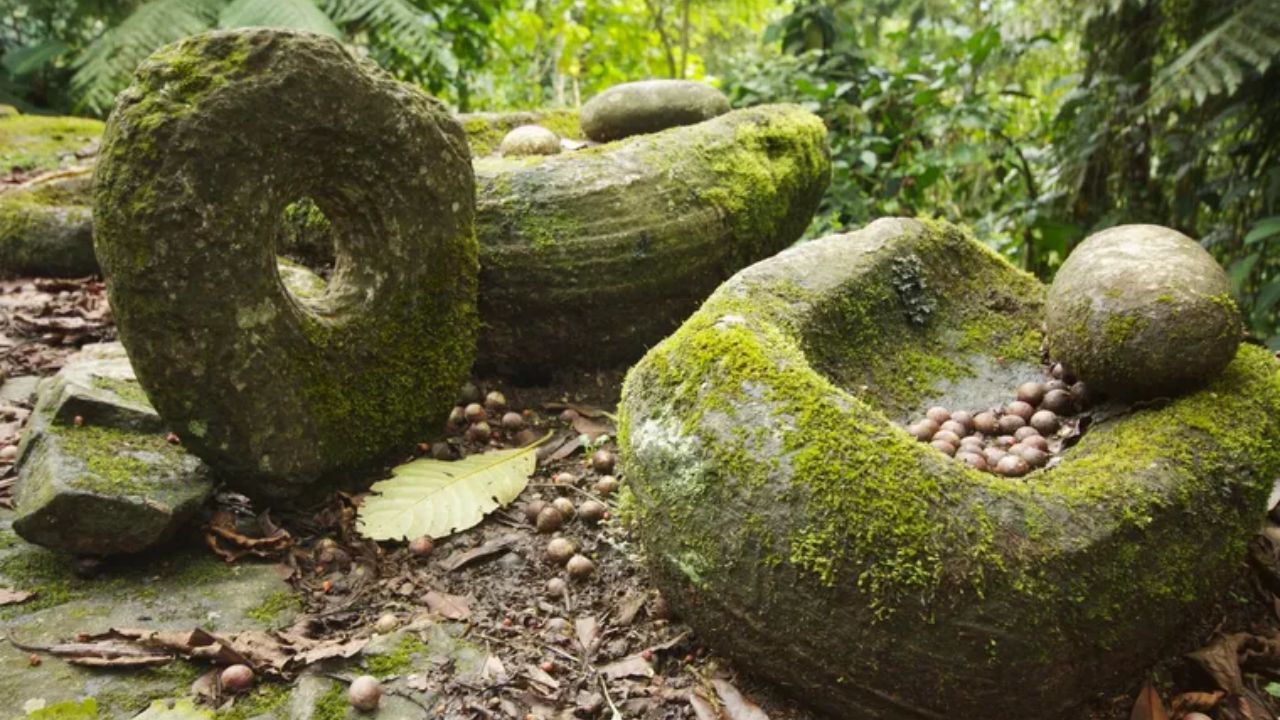
Discover the Lost City of Colombia, an Ancestral Center Older than Machu Picchu. See What Archaeologists Revealed About Teyuna, Its History, Architecture, and How to Visit This Sacred Site Hidden in the Jungle.
The Lost City of Colombia, known as Teyuna, is a archaeological site that was built centuries before Machu Picchu and served as a cultural and spiritual center of great importance for indigenous peoples of the Sierra Nevada de Santa Marta.
This ancient city, hidden by the jungle for hundreds of years, challenges the notion that large pre-Columbian urban centers only arose in the southwest of South America.
The rediscovery of Teyuna began in the 1970s when huaqueros — tomb raiders — found stone steps ascending remote slopes, sparking international archaeological and scientific interest.
-
A cyclone with unprecedented behavior will form in the Atlantic in the coming hours and will move from the sea to the continent instead of following the normal path, with gusts of up to 90 km/h and a risk of hail and waterspouts in southern Brazil.

-
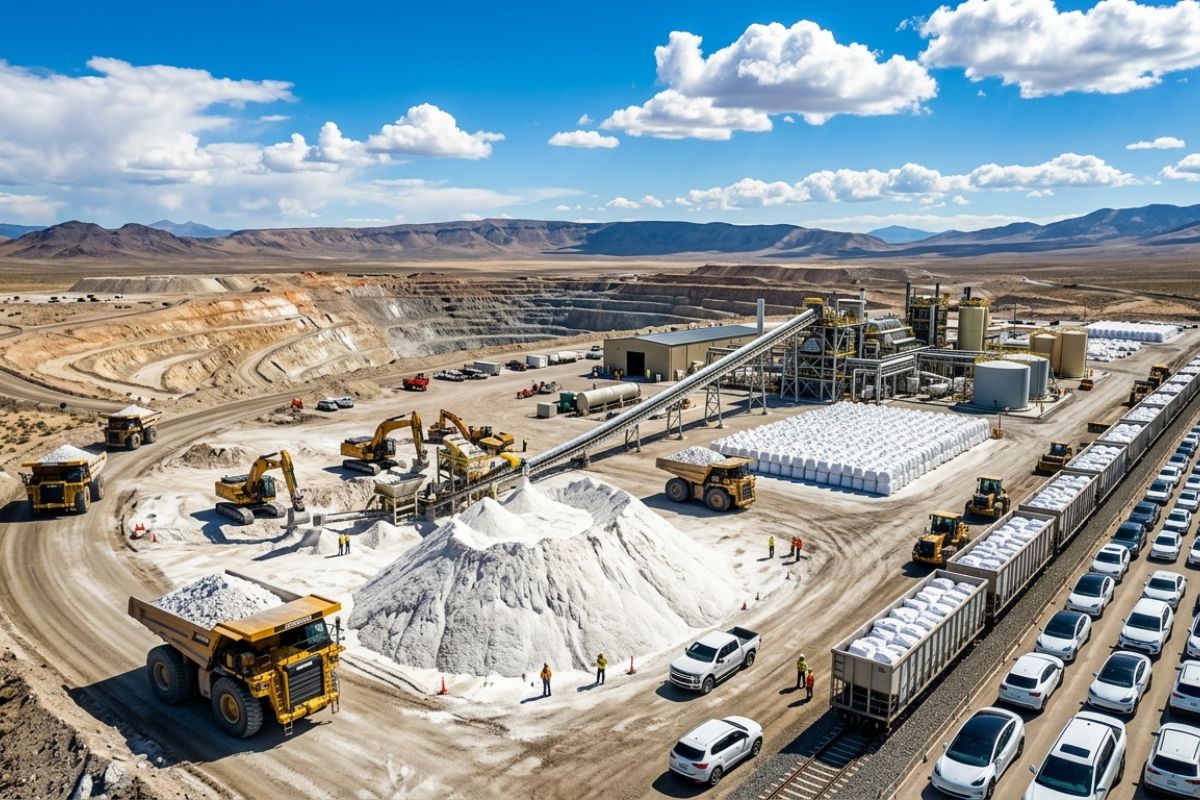
The “white gold” of Thacker Pass: the McDermitt caldera could be worth $1.5 trillion and hold nearly half of the world’s lithium; 40,000 tons/year could provide batteries for 800,000 electric cars already in the U.S.
-
The first nuclear submarine in Latin America is being built in Brazil, but the Navy warns that without an additional one billion reais, the project may halt, and the delivery forecast, which was 2029, has already been pushed to 2037 due to a lack of funds.

-
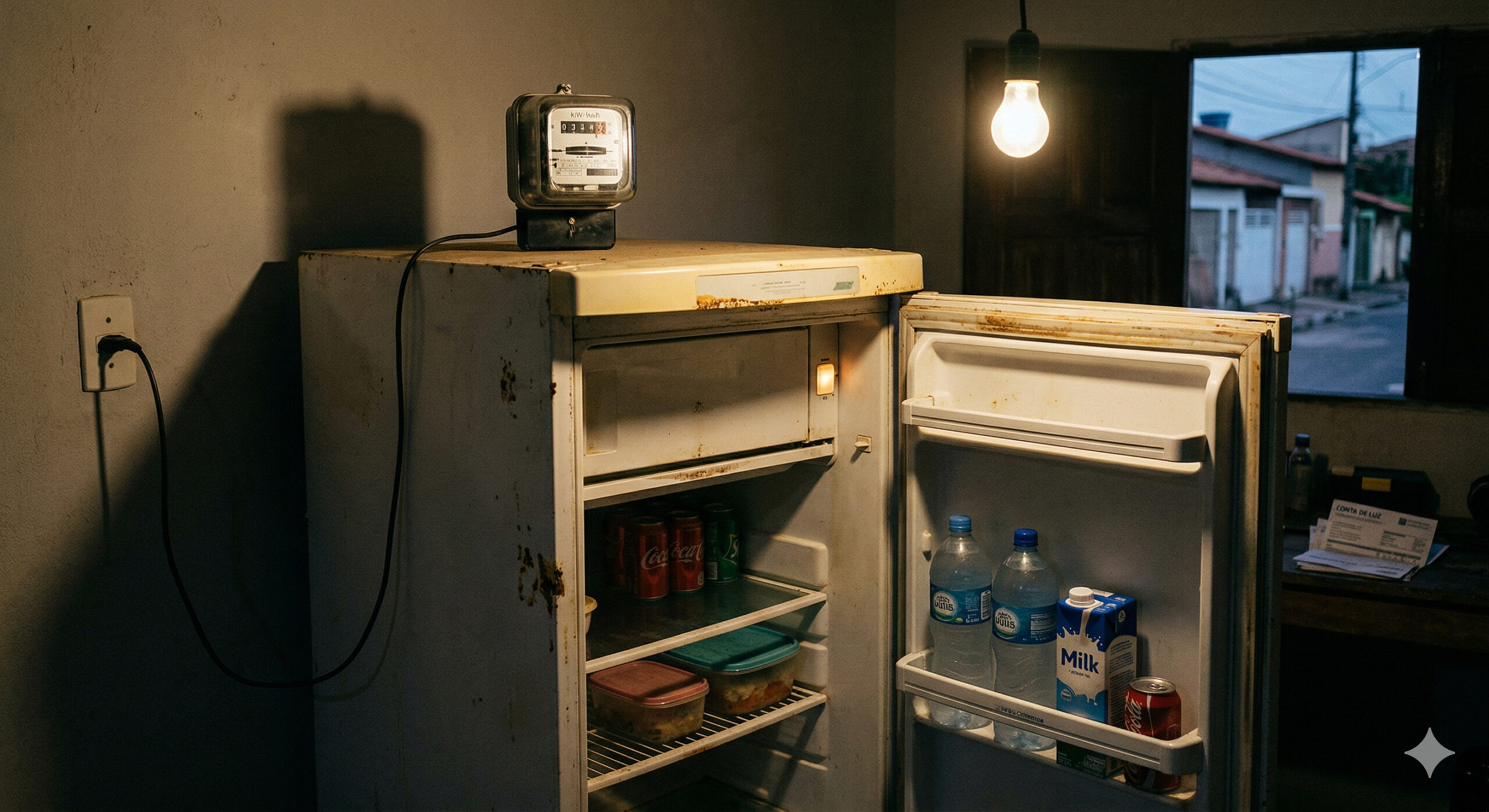
The most expensive appliance in your home is not in the kitchen or the bathroom, it runs 24 hours a day to cool a few items and can cost more per month than the value of everything it stores, while a single replacement eliminates the consumption equivalent to a shower running for 30 minutes daily.

Where Was the Lost City Older than Machu Picchu Located?
The Lost City of Colombia, also known as Teyuna, is located on the north face of the Sierra Nevada de Santa Marta, at the top of the Buritaca River basin, at altitudes between 900 and 1,200 meters above sea level.
This site is part of the ancestral territory of the Iku (Arhuaco), Kággaba (Kogui), Wiwa, and Kankuamo peoples, who have been the original inhabitants of the region for thousands of years, according to the Colombian Institute of Anthropology and History (ICANH).
The dense jungle and steep terrain — combined with over 38,000 square kilometers of vegetation — kept Teyuna virtually forgotten until the 20th century, except for the communities that still preserved its memory and cultural significance.
When Was Teyuna Founded and Its Relationship with Machu Picchu
Archaeological studies indicate that Teyuna was established around the 9th century, making it about 650 years older than Machu Picchu, built by the Incas in the 15th century.
There are also structures in the region dated to 650 A.D., which may be even earlier, although there is not enough consensus to attribute them directly to the Tayrona civilization.
At its peak, the city served as an important commercial and spiritual center, indicating that highly organized and complex societies flourished in South America long before other pre-colonial civilizations gained worldwide fame.

Who Lived in the Lost City?
It is estimated that between 1,500 and 2,000 people lived in Teyuna during the 16th century, according to ICANH.
The city appears to have remained active even after the arrival of the Spanish, but was gradually abandoned in the 17th century.
Many believe that the local population was drastically reduced due to the diseases brought by the colonizers, although there is not conclusive data on all factors leading to the site’s desertification.
Despite the physical abandonment, indigenous descendants continue to recognize the area as sacred and an essential part of their history, revealing a contrast between local perception and the “lost city” for external historians.
How Was the Lost City Found Again?
The first modern “rediscovery” of the Lost City happened in the 1970s, when huaqueros such as Florentino Sepúlveda and his son identified stone steps hidden in the forest.
Realizing that it was an unexcavated site, they looted artifacts that were sold on the black market.
When other looters became aware of the location, violent conflicts and territorial disputes began between the groups.
Over time, some huaqueros collaborated with authorities and revealed details of the location, leading the Colombian Institute of Anthropology to mount an expedition with archaeologists, an architect, and two former looters as guides.
This pioneering mission lasted three days in the dense jungle, facing heat, humidity, and Amazonian insects, generating the first scientific sketches of the discoveries.
What Can Be Seen Today in the Lost City of Colombia?
Since then, a large-scale research and restoration project has been conducted, recovering around 200 structures from the archaeological park, including stone paths, stairways, ceremonial areas, residences, plazas, and storage spaces.

According to ICANH, Tayrona architecture is characterized by using circular shapes, a spatial organization that facilitates circulation, and open spaces between buildings, as well as conical houses with wooden walls and thatched roofs.
Typical archaeological objects include smoothing stones and rectangular worked stone blocks that were used as bowls or in daily production processes.
How to Visit the Lost City Today?
Currently, reaching the Lost City of Colombia requires a hike that can take from four to six days through the tropical rainforest, accompanied by specialized guides.
The journey, though exhausting, offers visitors the opportunity to experience impressive biodiversity, including unique species of plants and animals, as well as a direct connection to one of the most important pre-colonial archaeological sites in the Americas.
The significance of the Lost City of Colombia goes beyond its antiquity: its existence proves that complex urban societies flourished at various points in South America long before Machu Picchu or other historically prominent civilizations.
This find broadens the global understanding of the cultural and urban diversity of pre-colonial indigenous societies while highlighting the need to preserve and protect archaeological sites in remote environments.
With information from National Geographic.




-

-

-

-

-

-

42 pessoas reagiram a isso.