





 Portuguese
  English
  Spanish
  5 min of reading
  0 comments


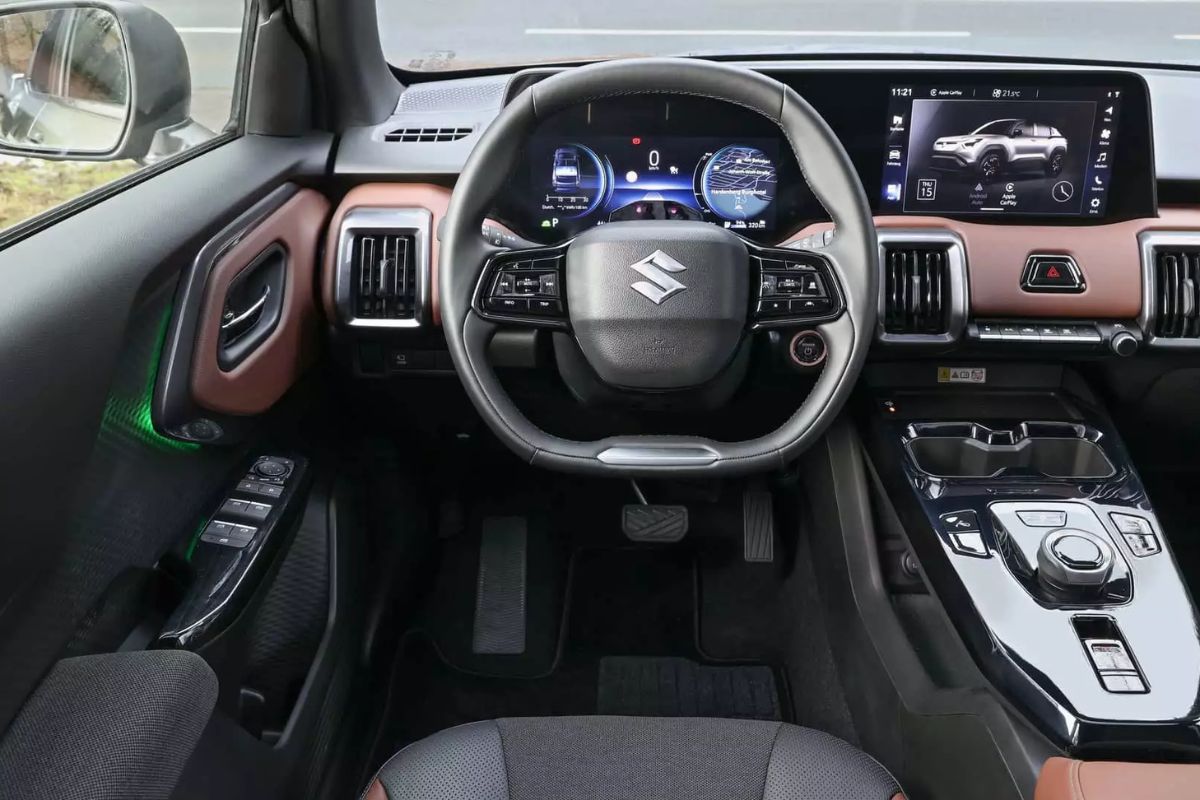
Suzuki brings the 2026 electric Vitara to Brazil with 4×4, LFP battery, and 224 liters trunk, gathering autonomy, recharge, and price numbers to show that the brand is still in the country.
Suzuki puts the 2026 electric Vitara on the radar of Brazilians and delivers a clear message: the brand is not leaving the country, even after rumors of ending operations. The model arrives with 4×4 traction, a declared combined power of 184 hp, and a 61 kWh LFP battery.
In the package, Suzuki combines attention-grabbing numbers with a different proposal from other compact electric SUVs: a disclosed autonomy of 293 km, a launch price of R$ 259,000, and a trunk of 224 liters, in addition to a configuration with two motors to maintain the tradition of four-wheel drive associated with the name Vitara.
Suzuki in Brazil and the reason why the Jimny will not continue in 2026

Suzuki continues to operate in Brazil with 16 dealerships, according to the report presented, and bets on the arrival of the 2026 electric Vitara as a product to keep the network active. The narrative is one of continuity, not exit.
-
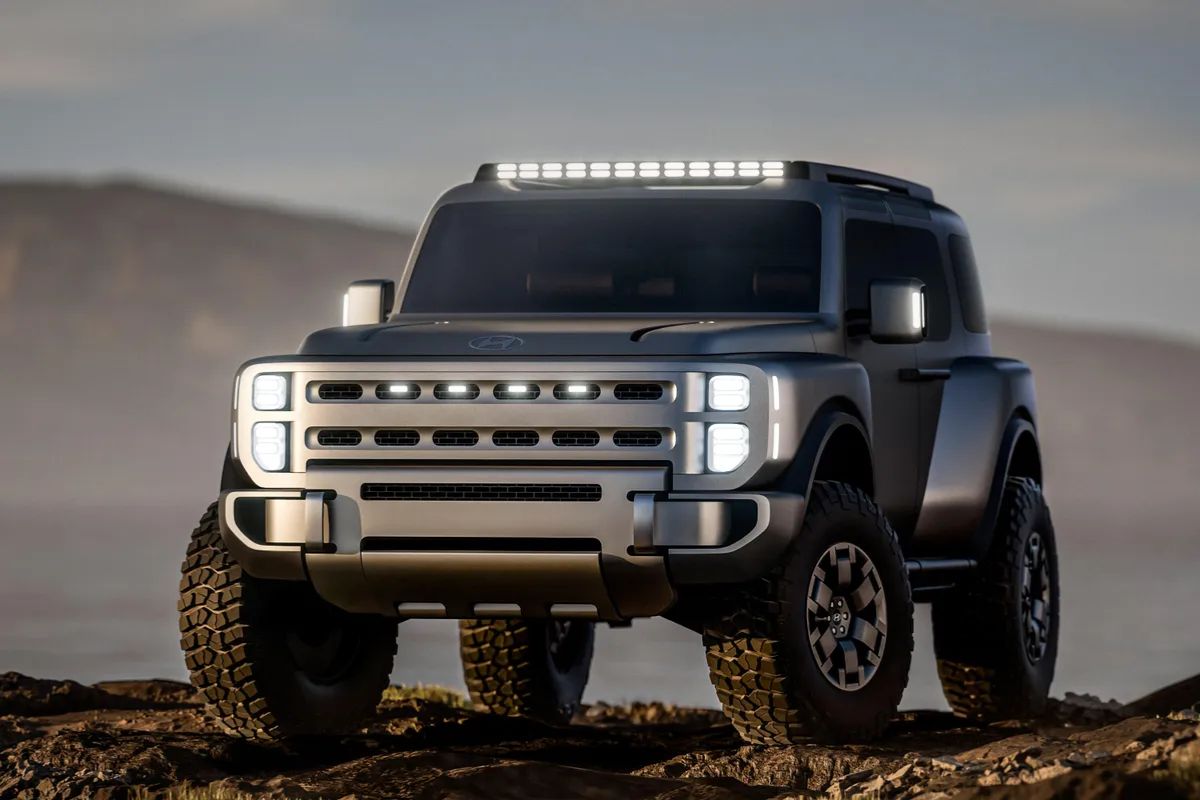
Hyundai has unveiled the Boulder, a square SUV with a body-on-frame design, 37-inch mud tires, and carriage-style doors that seems to be made to take on the Ford Bronco and the Scout Traveller in the United States.
-
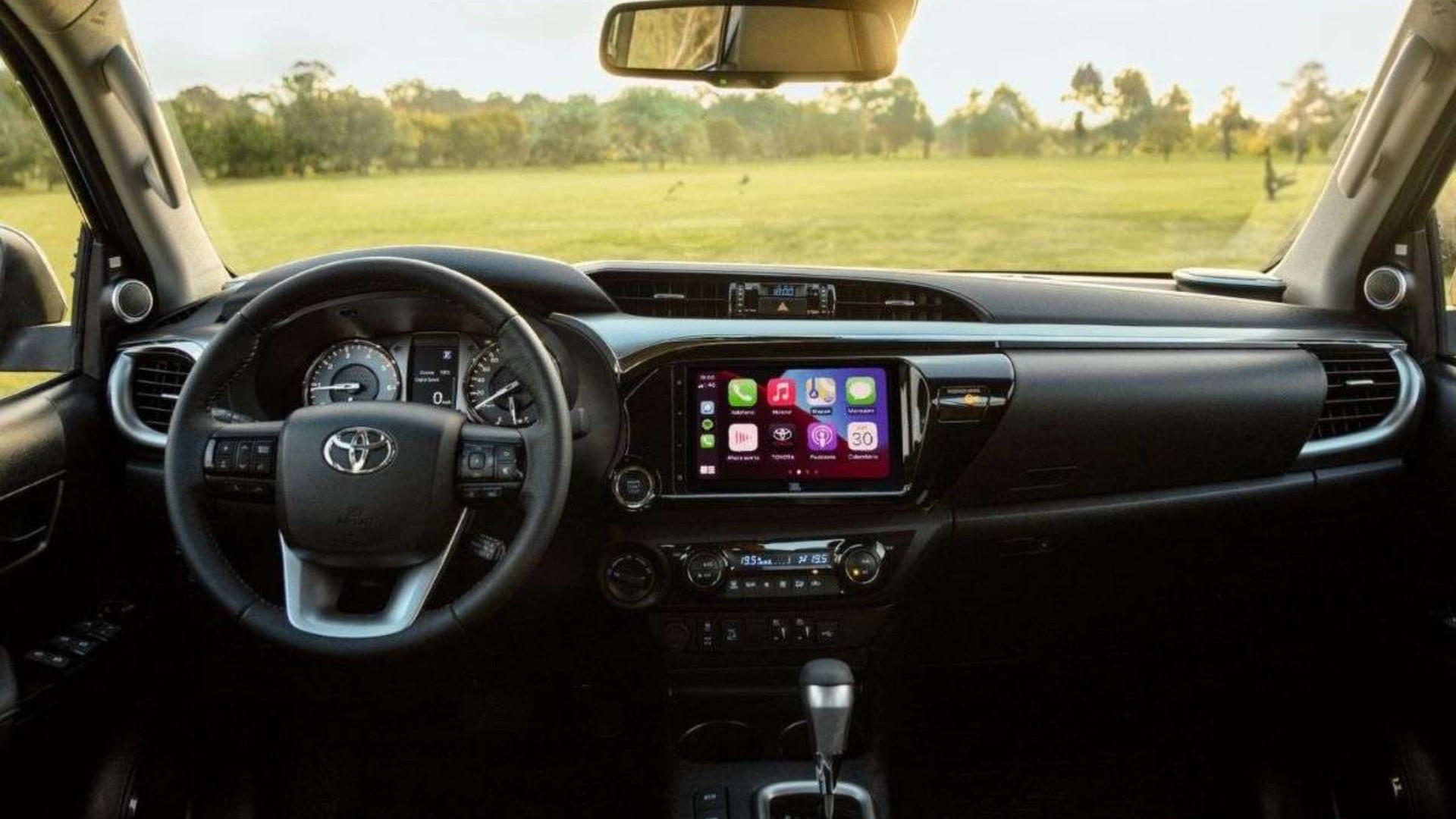
The Toyota Hilux is R$ 75.5 thousand cheaper and bets on the 2.8 turbodiesel engine with up to 204 hp and 50.9 kgfm to catch up with the VW Saveiro, which leads with 4,472 sales.
-
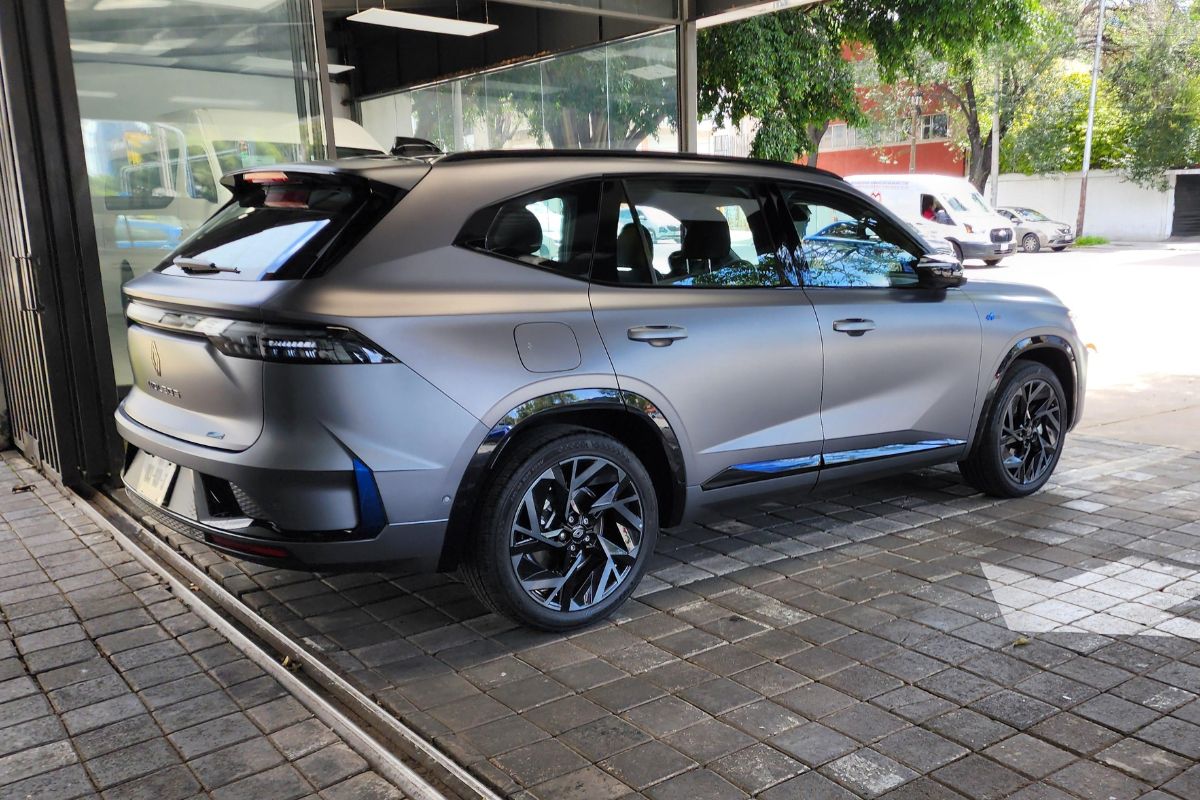
The new Renault Koleos has a screen exclusively for the passenger that is invisible to the driver, heated rear seats, and 29 assistance systems, but its Chinese competitors cost R$ 40,000 less and deliver more power.
-
The car stored for 38 years: when opening the barn door, what appears is breathtaking and looks like a scene from a movie!


The point that fueled rumors was the interruption of the Jimny due to a requirement cited as linked to Proconve L8, involving a system called ORVR, which reduces the evaporation of gases from the tank.
The explanation given is that, due to the sales volume, Suzuki assessed that it would be expensive to adapt the Jimny to continue importing.
From the 1991 Vitara to the 2026 electric Vitara

The remembered history begins in 1991, when Suzuki landed in Brazil with the Vitara as a compact 4×4 aimed at trails and urban use, even before “SUV” became the dominant term. Then came generational changes and variations in doors and wheelbase, maintaining the proposal of robustness.
There is also a report of a period considered bad for Suzuki between 2003 and 2008, followed by a resumption of imports and restructuring.
Later, the production of the Jimny in Brazil is cited as being done with the support of Mitsubishi HPE, and the most recent Vitara would have gone through a phase with front-wheel drive before leaving the scene and returning now as electric.
Platform, 61 kWh LFP battery, and 4×4 traction

The 2026 electric Vitara is presented as a Suzuki developed in Japan and produced in India, with a 61 kWh LFP battery.
The LFP is described as a chemistry that requires more space but has the mentioned advantage of greater damage tolerance compared to other compositions, in addition to receiving lower protection in the structure.
Suzuki adopts 4×4 traction with two motors, one front and one rear. The explanation given is that the powers do not simply add up, and the set is declared with 184 hp.
In torque, the union is presented as possible, with a peak cited around 31.2 kgfm, with mention also to 31.6 kgfm at another moment. The proposal is to deliver traction and control at low speed, without excessive “squealing tires.”
Disclosed autonomy and recharge in AC and DC
The disclosed autonomy for the 2026 electric Vitara is 293 km, cited as a measurement reference. It is also explained that the range reading on the dashboard varies according to recent use, which can increase in urban cycles after a stretch of road.
For recharging, the car is described with an alternating current input of up to 7 kW and a direct current capacity of up to 150 kW. With 150 kW, the reference presented is from 10% to 80% in about 22 minutes.
In a reported practical example, a recharge at 100 kW went from 33% to 96% in 39 minutes. The focus is to show that fast recharging exists, as long as the infrastructure keeps up.
Handling, performance, and trail mode
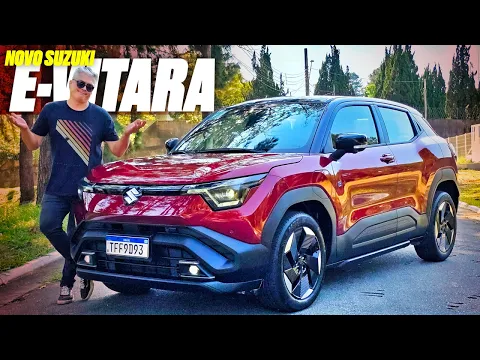

The 2026 electric Vitara is described as a car that conveys lightness despite the cited weight of 1,899 kg. A test measuring 0 to 100 km/h is reported at 7.6 seconds, with the observation that the car does not “feel heavy” at the wheel.
There are praises for the turning diameter of 10.4 m and for the suspension tuning, including in an off-road cited of about 25 km.
Driving modes are also mentioned, including a trail mode for off-road use, and the presence of an ADAS package with lane centering and lane keeping. The reading is that Suzuki tried to maintain a more “driving” DNA even in an electric vehicle.
224 liters trunk and points of criticism

The 224 liters trunk appears as the main disappointment cited, especially when the rear seatback is in a more upright position. It is also mentioned that the car does not have a spare tire, bringing a charging cable and sealant.
In the finish, there are comments about a lot of plastic in internal areas, single-zone air conditioning, and the presence of USB-A, with no mention of USB-C.
The sunroof is mentioned, but with the observation that it does not open. The assessment is that Suzuki prioritized robustness and dynamics, even leaving some points of “refinement” behind.
Launch price and where Suzuki places the 2026 electric Vitara
The cited launch price is R$ 259,000, with mention that it may rise to R$ 269,000 later. It is also said that Suzuki is working with a goal of selling about 1,000 cars per year, around 85 per month.
The 2026 electric Vitara is compared as an alternative within the universe of compact electric SUVs, with references to models like Volvo EX30, BYD Yuan Pro, in addition to mentions of Kia EV3, but always with the argument that the proposal is not to “compete” in premium refinement, but to deliver an electric 4×4 with its own personality.
In your opinion, does Suzuki get it right by bringing the 2026 electric Vitara with 4×4 and 184 hp even with only 224 liters of trunk, or does this detail weigh too much in the purchasing decision?








Seja o primeiro a reagir!