





 Portuguese
  English
  Spanish
  4 min of reading
  0 comments


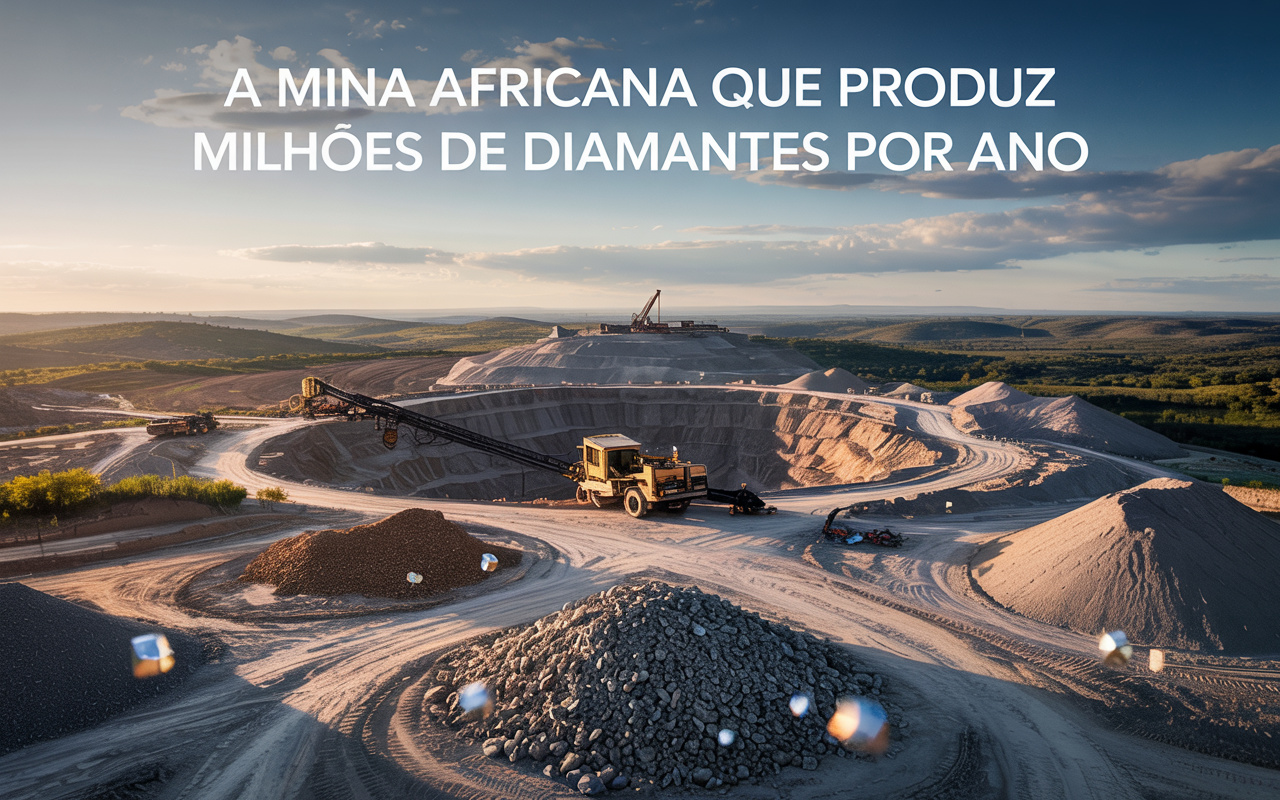
Discover How Jwaneng, the Richest Diamond Mine in the World, Produces 11 to 13 Million Carats Per Year and Sustains Botswana’s Economy.
The richest diamond mine in the world is not located in a remote region of Russia or Canada, but in Botswana, in Southern Africa. Discovered in 1973 and operated since 1982, Jwaneng Mine holds the title of the most valuable mine on the planet, combining high quality of extracted diamonds with a consistent production of 11 to 13 million carats per year. Known as the “Prince of Mines,” Jwaneng is considered an example of efficiency and management in the global mining sector, as well as a crucial economic pillar for Botswana.
What Makes Jwaneng the Richest Diamond Mine in the World
Jwaneng Mine is located about 160 km from Gaborone, the capital of Botswana, and is operated by Debswana, a joint venture between the government of Botswana and the giant De Beers, each holding a 50% stake. This public-private partnership has been essential for the African country to become a benchmark in structured diamond extraction, maintaining internal revenue and reinvestment in the country’s development.

Jwaneng is considered the richest in the world in terms of value because the extracted diamonds possess superior quality, with purity and size that increase the value of each carat sold. The annual production of 11 to 13 million carats directly contributes to maintaining Botswana’s leadership as one of the largest diamond exporters on the planet.
-
Rare earths are in everything, from cell phones to bullet trains, and what almost no one realizes is why they have become the target of such a delicate global war.
-
Brazil extracts 26.3 million tons of ore from what was previously treated as waste, transforming residues into wealth, producing over 3 million tons of sand, and demonstrating how national mining is relearning to generate value.
-
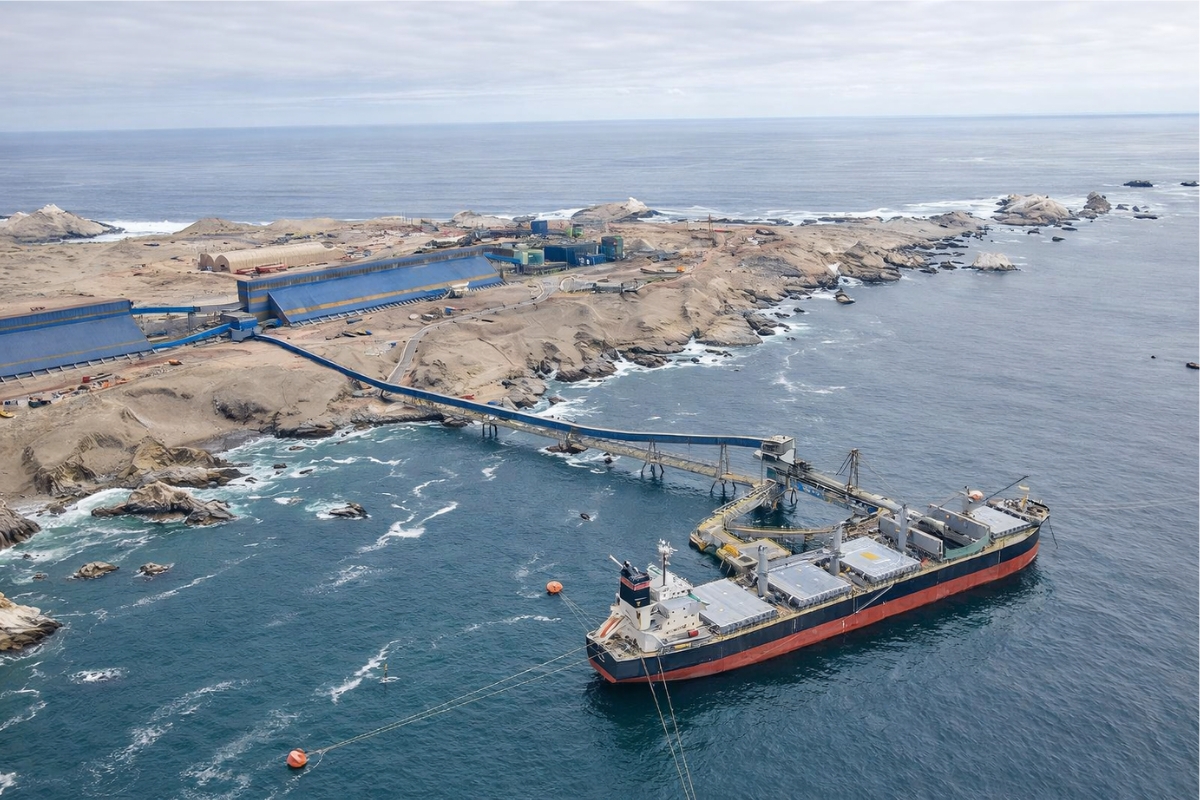
A $3.5 billion megaproject in Latin America pumps desalinated seawater at 1,050 liters per second over 194 km to keep a copper supermine in the Andes operational for another 20 years.
-
A hidden mine in the Andes valued at nearly R$ 1 trillion is starting to attract global attention, containing copper, gold, and silver, and raises an intriguing question: why do Argentina and Chile need to act together to exploit this gigantic wealth?

Discovery, Structure, and Production Capacity
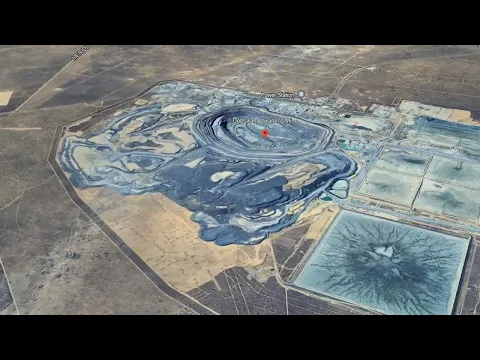
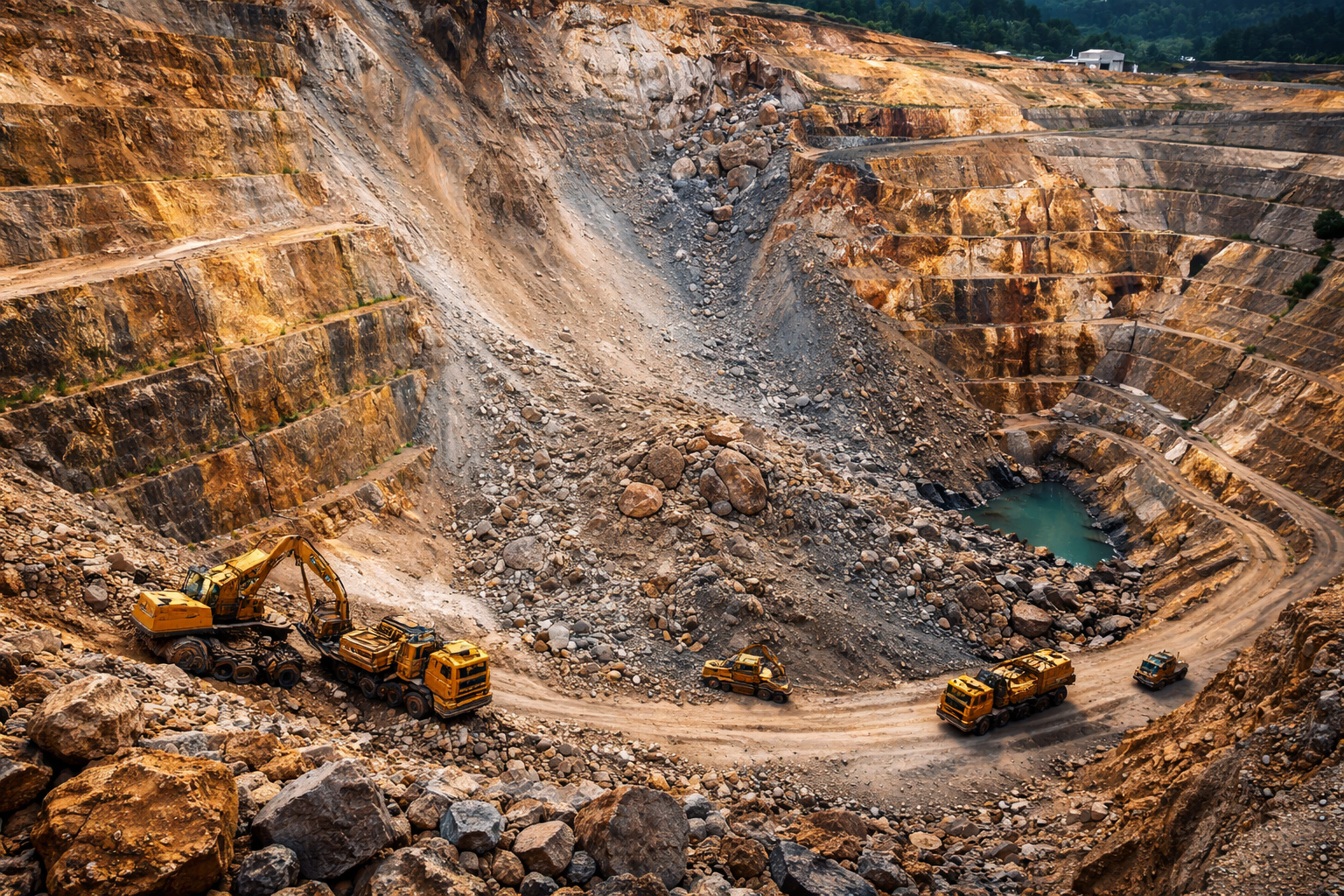
The history of the richest diamond mine in the world began in 1973 when kimberlite deposits were found in Botswana. The operation officially began in 1982 after access infrastructure and a processing plant were completed. Today, Jwaneng is an open-pit mine that explores three kimberlite pipes, measuring about 2.4 km in length, 1.8 km in width, and over 600 meters in depth.
Over the years, the mine has undergone several expansions, including the Cut 8 project, which expanded access to new layers of deposits. Today, Jwaneng processes more than 11 million tons of ore annually to maintain its high production and market position in the international diamond industry.
The “Prince of Mines” and Its Economic Impact in Botswana
The nickname “Prince of Mines” is due to the high commercial value of the diamonds extracted at Jwaneng and the role the mine plays in the country’s economy. It is estimated that the mine generates approximately US$ 1.25 billion in annual revenue, representing around 60% to 70% of Debswana’s turnover and ensuring that profits return to the government of Botswana in the form of royalties, taxes, and profit sharing.
For Botswana, diamonds account for about 75% of its total exports, with Jwaneng being the main driver of this revenue flow. The mine not only generates direct employment, with approximately 2,100 workers, but also drives social and infrastructure programs in the region, including funding for hospitals, schools, and community centers.
Sustainability and Environmental Responsibility
Over four decades of operation, Jwaneng Mine has developed policies to reduce its environmental impact. Debswana has maintained ISO 14001 certifications for environmental management since 2000, conducting constant monitoring of waste, water use, and impact on local wildlife.
There are also rehabilitation projects for areas that have already been exploited, aiming at environmental recovery and sustainable land use over time, ensuring that the richest diamond mine in the world meets international standards for social and environmental responsibility.
Preparation for the Future: Underground Mining
To extend the mine’s lifespan and maintain its relevance in the market, Debswana announced the start of a transition project to underground mining at Jwaneng. The planned investment is US$ 6 billion, with plans to begin underground operations in 2028 and expand production by 2054.
With this transition, the richest diamond mine in the world is expected to access new reserves at depths that would not be viable through open-pit operations, maintaining production at high levels and ensuring revenue flow for Botswana even amidst growing competition from synthetic diamonds in the international market.
The Global Market and Pressure from Synthetic Diamonds
Despite its strength, Jwaneng and the natural diamond sector face the challenge of the growth of synthetic diamonds, which are beginning to impact demand and prices in some segments. The government of Botswana is closely monitoring this trend, discussing strategies to maintain the country’s competitiveness in the global market.
In the meantime, the richest diamond mine in the world continues its mission to provide high-quality gems to the international market, ensuring jobs, revenue, and development for Botswana.
A Pillar Supporting Botswana’s Economy
Jwaneng is not just a mining project; it represents a successful model of a country that has managed to transform its natural resources into economic and social development. The richest diamond mine in the world remains, after more than 40 years, an example of operational efficiency, integrated management with public policies, and strategic resource utilization.
The mine shows that, even in a transforming market, well-structured and managed projects can endure for decades while maintaining relevance, competitiveness, and a positive impact on the local population.






Seja o primeiro a reagir!