





 Portuguese
  English
  Spanish
  4 min of reading
  0 comments


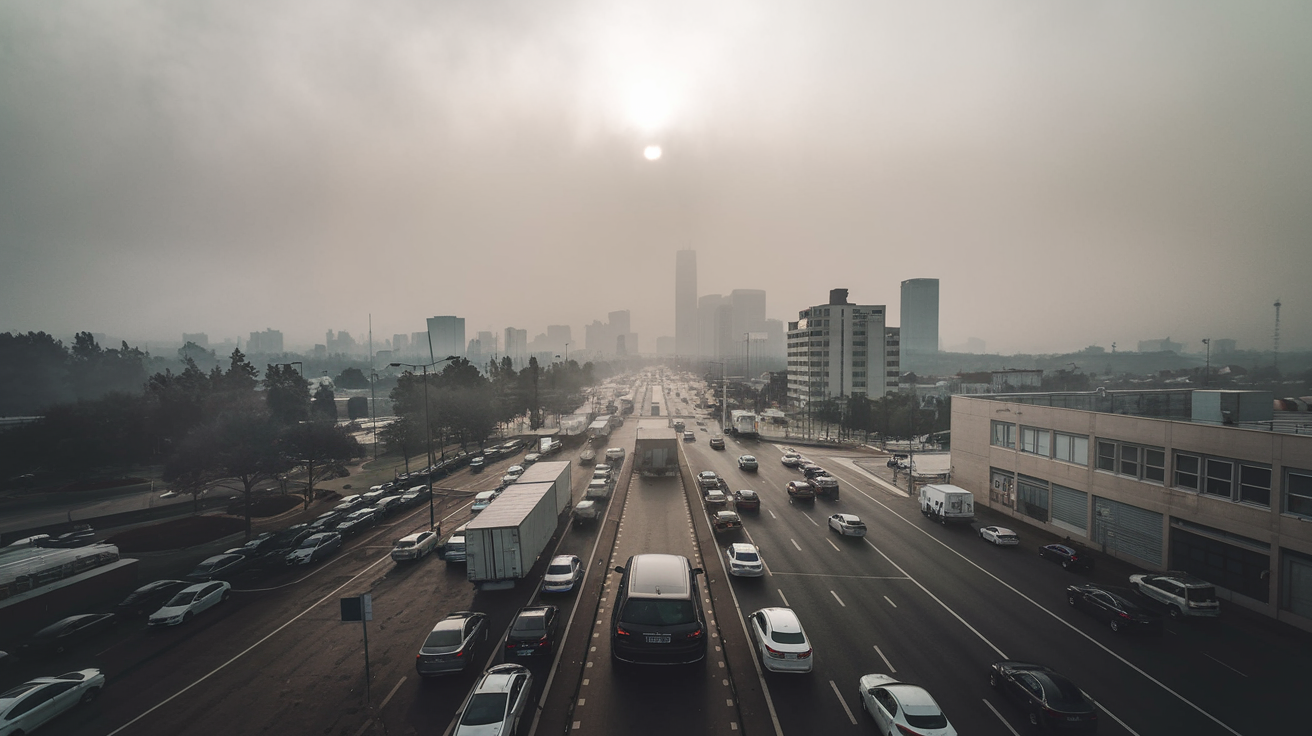
Only 17% of Cities Worldwide Have Safe Air to Breathe! WHO Report Exposes Global Crisis of Air Pollution; Understand the Risks and What Is Being Done.
Air Pollution Worldwide: Breathing is such a natural act that we hardly notice it. But what if the air entering your lungs is filled with invisible dirt? A recent report revealed that most of the world is dealing with polluted air, and the numbers are alarming. Only 17% of global cities meet the air quality guidelines established by the World Health Organization (WHO). This means that in many places, we are breathing something that could harm us. Get ready to discover why this “invisible dirt in the air” is one of the greatest threats to public health in the world.
What Is Air Pollution and Why Is It So Dangerous?
Air pollution, or polluted air, is the presence of harmful substances in the atmosphere that can harm human health and the environment. These substances include fine particles, nitrogen dioxide, ozone, and carbon monoxide. The WHO warns that breathing polluted air for long periods can lead to respiratory diseases, Alzheimer’s disease, and even cancer.
According to Fatimah Ahamad, chief scientist at the Sunway Centre for Planetary Health in Malaysia, air pollution kills about 7 million people each year. “If you have bad air, you can’t tell people to stop breathing,” she states. The situation is so severe that 99% of the global population lives in areas where air quality does not meet the WHO’s recommended standards.
-
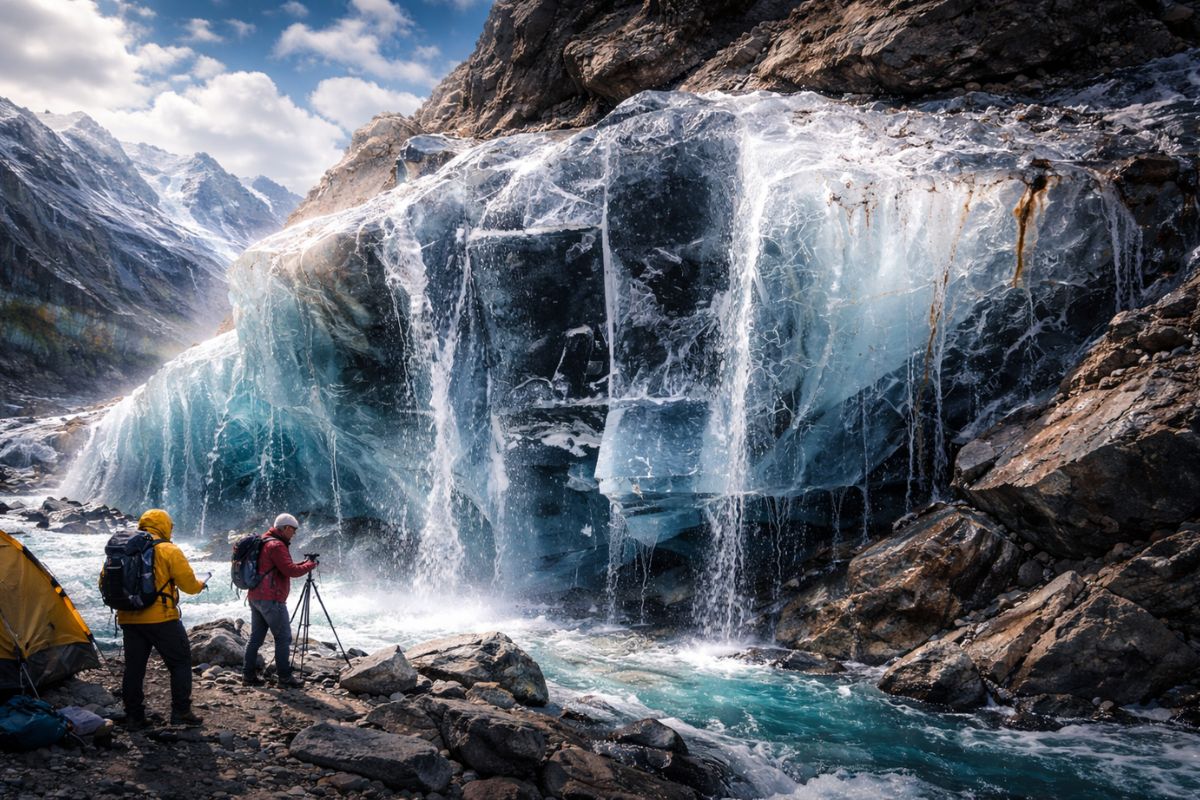
Scientists discover in Alaska a 350,000-year-old ice block that has survived multiple periods of global warming and is now melting so quickly that it may disappear before revealing all its secrets.
-
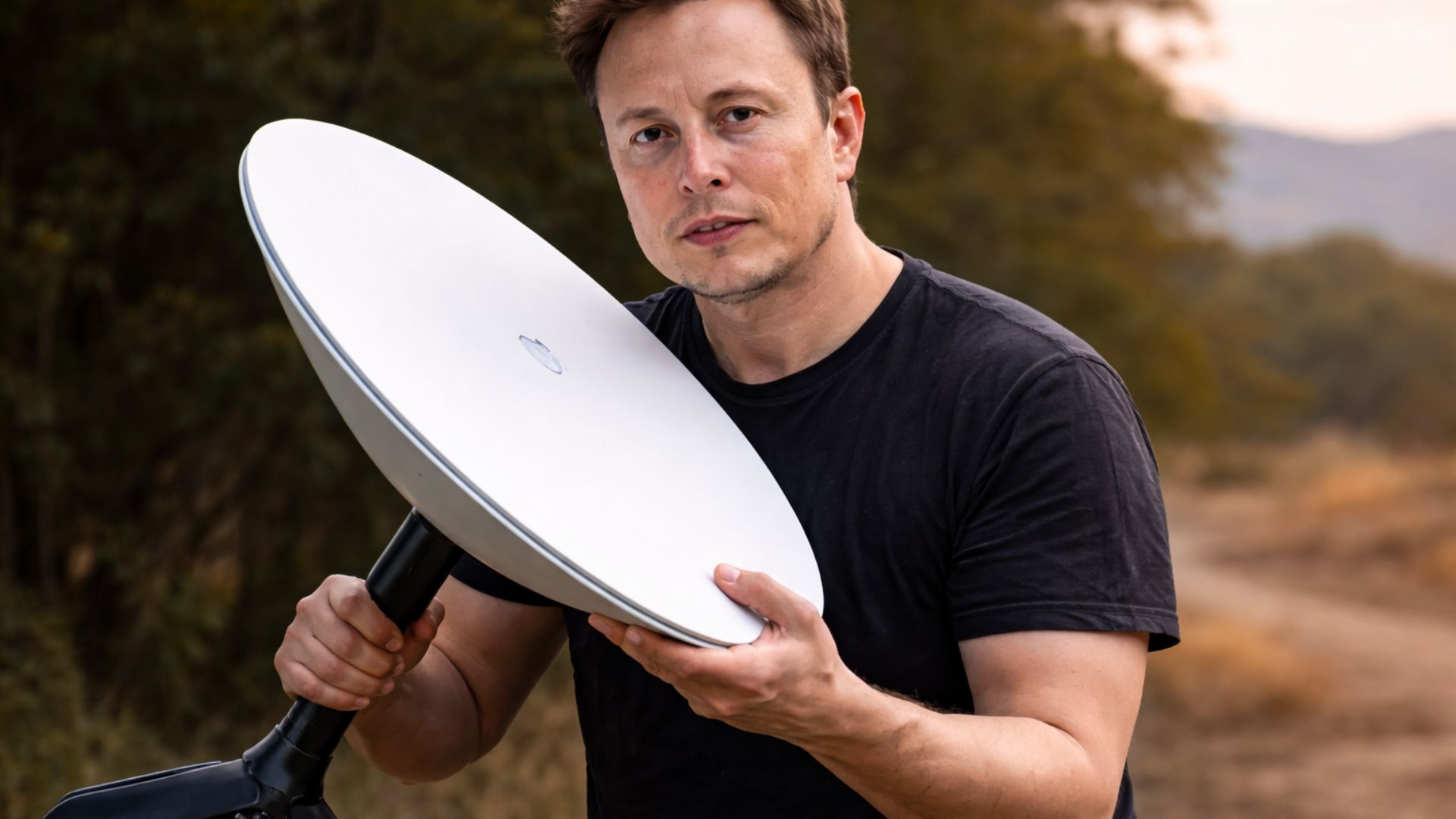
While Starlink supports SpaceX’s trillion-dollar scale, Elon Musk encounters issues in Namibia due to local control regulations, digital sovereignty, and denied licenses, and the orbital internet race faces political limits outside the United States.
-
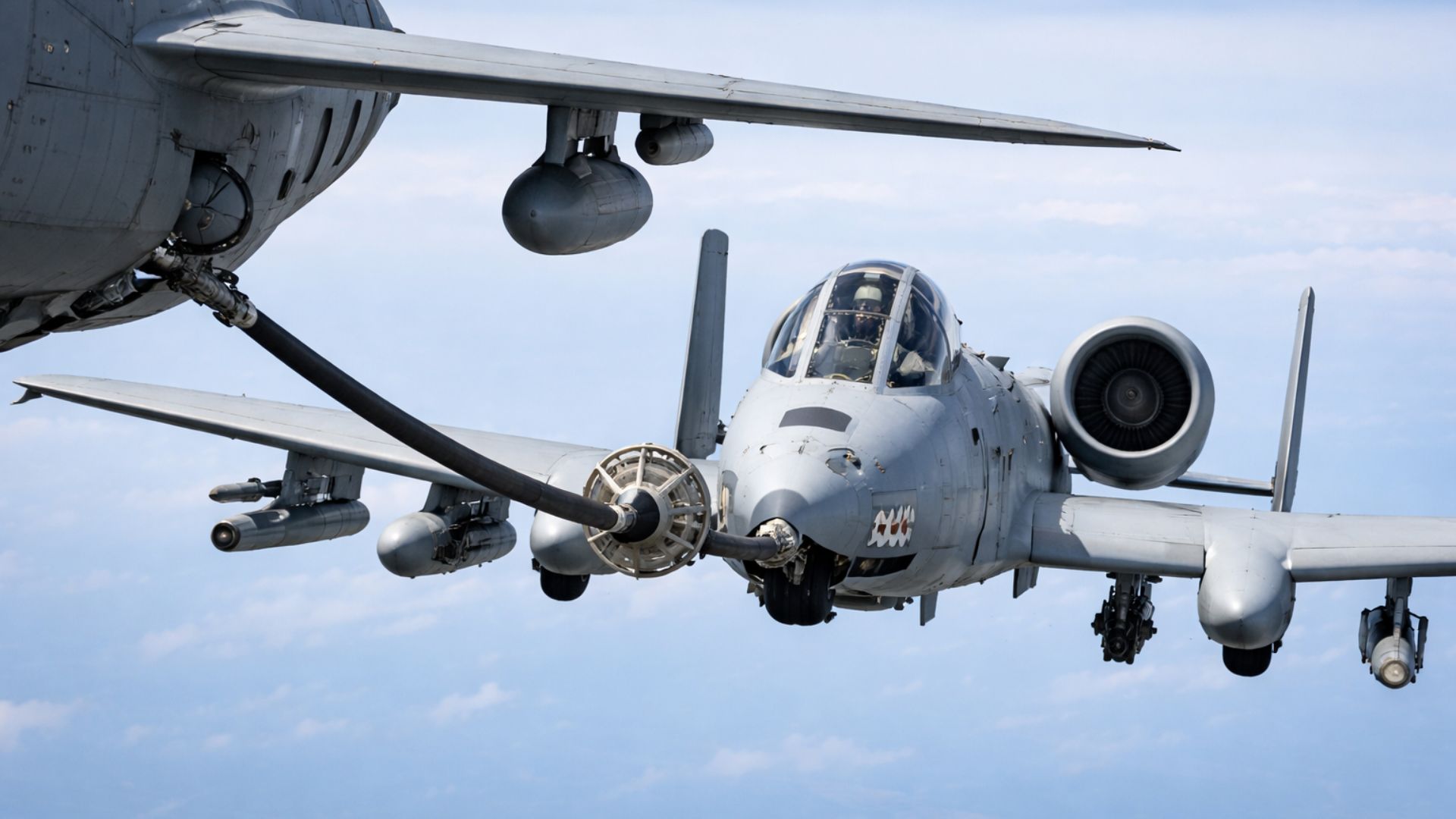
The USA accelerates tests on the A-10 with an adapter that allows refueling from multiple tanks, installed in a few hours, increasing compatibility with up to 5 aircraft, reducing dependence on the KC-135, and creating strategic space for Embraer’s KC-390.
-
Starlink Mini antenna reaches the lowest price ever seen in April: Elon Musk’s internet hits speeds of up to 280 Mbps and promises to work even in completely remote areas.

The Places with the Most Polluted Air in the World
The IQAir report, a Swiss database that monitors air quality, analyzed data from 40,000 stations in 138 countries. The results show that countries like Chad, Congo, Bangladesh, Pakistan, and India have the dirtiest air. India, for instance, is home to six of the nine most polluted cities in the world, particularly Byrnihat, an industrial city in the northeast of the country.
In Brazil, the situation is not as critical, but it still raises concerns. The country ranks 73rd in air pollution, with a concentration of invisible dirt in the air three times higher than the WHO’s reference value. This means that even here, we are breathing air that could harm us.
The Lack of Monitoring of Polluted Air
One of the significant challenges in combating air pollution is the lack of adequate monitoring. In many parts of the world, especially in Africa, there are few monitoring stations. To give you an idea, there is only one station for every 3.7 million people on the African continent. This means that the actual amount of air pollution may be much higher than the current numbers suggest.
Fortunately, efforts are being made to improve this situation. In 2023, the IQAir report incorporated data from 8,954 new locations and about a thousand new monitors. However, global monitoring recently suffered a setback when the United States announced they would no longer release data from their embassies and consulates.
What Is Being Done to Combat Air Pollution?
Despite the challenges, some cities and countries are showing that it is possible to improve air quality. Beijing, Seoul, and Rybnik in Poland are examples of places that have implemented stricter regulations to reduce pollution from vehicles, power plants, and industries. Investments in clean energy and public transportation have also been crucial for these advancements.
Another important initiative is the Association of Southeast Asian Nations (ASEAN) agreement on transboundary haze pollution. Ten countries in the region have committed to working together to monitor and contain pollution caused by wildfires, which are common during dry seasons.
Shweta Narayan, leader of the Global Climate and Health Alliance, emphasizes that air pollution and the climate crisis are closely linked. “They are two sides of the same coin,” she says. Reducing greenhouse gas emissions, such as those from burning coal, oil, and gas, not only slows global warming but also improves air quality.
How to Protect Yourself from Air Pollution
While governments and organizations work to improve air quality, there are measures you can take to protect yourself. Here are some practical tips:
- Be Aware of Air Quality Indexes: Regularly check pollution levels in your area. Many apps and websites provide this information in real-time.
- Wear Protective Masks: On days of high pollution, masks like N95 can help filter harmful particles.
- Avoid Outdoor Activities During Peak Hours: If possible, reduce exposure to polluted air by avoiding outdoor exercise during peak traffic times.
- Invest in Air Purifiers: For indoor environments, air purifiers can help reduce pollutant concentration.
And you, have you ever stopped to think about the quality of the air you breathe? Share this article and help raise awareness about this invisible yet prevalent problem in our lives.
Source: Phys.org




Seja o primeiro a reagir!