





 Portuguese
  English
  Spanish
  4 min of reading
  0 comments


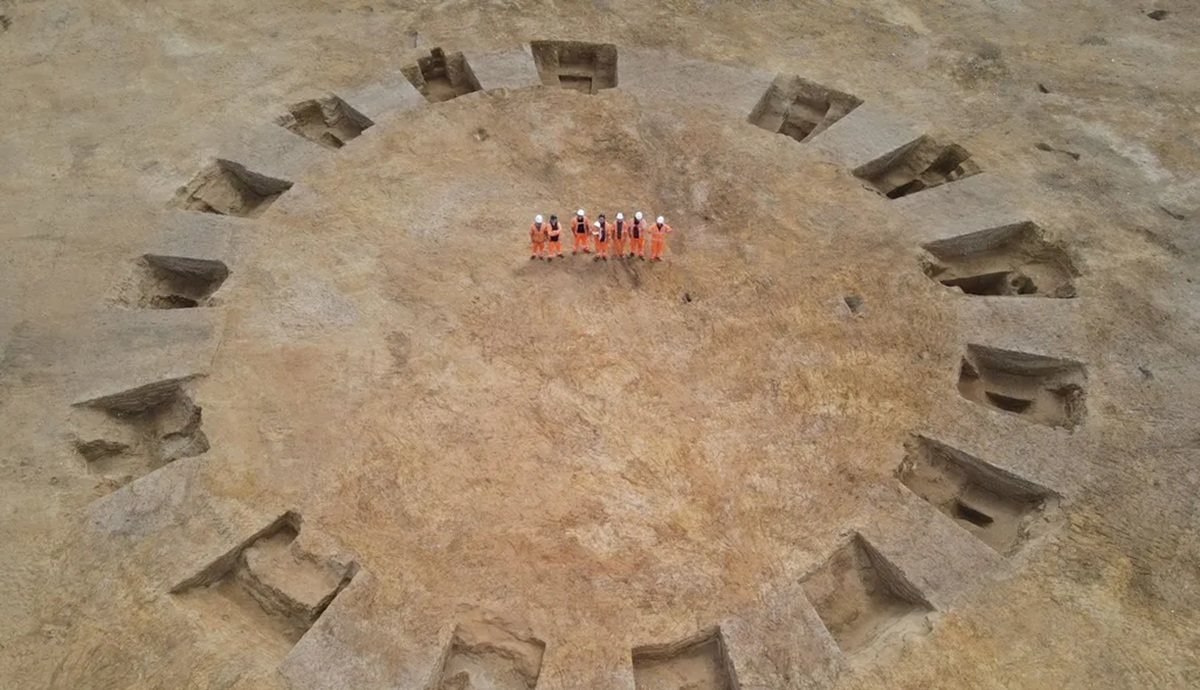
An archaeological site that seemed to hold nothing important ended up revealing, in Norfolk, a Roman villa with baths, road, signs of food production, and rare artifacts, including a bronze piece nicknamed “Nessie of Norfolk” after excavations conducted along a route of almost 64 kilometers
An archaeological site that was not considered promising ended up revealing a large Roman villa with baths, road, and various artifacts near Dereham, in Norfolk, England. The discovery arose during excavations related to the installation of underground cables for offshore wind farms, in an area where archaeologists did not expect to find anything significant.
The excavations took place along a route of almost 64 kilometers in the ceremonial county of Norfolk. Maps, historical records, and a magnetometric survey did not indicate the presence of important remains in that specific stretch, but test trenches opened in 2021 completely changed that assessment.
The initial clue appeared when researchers kept finding tiles beneath the surface. From there, the work revealed the remains of a large villa with many attached buildings, including baths and a Roman road, as well as signs of cultivation and food processing.
-
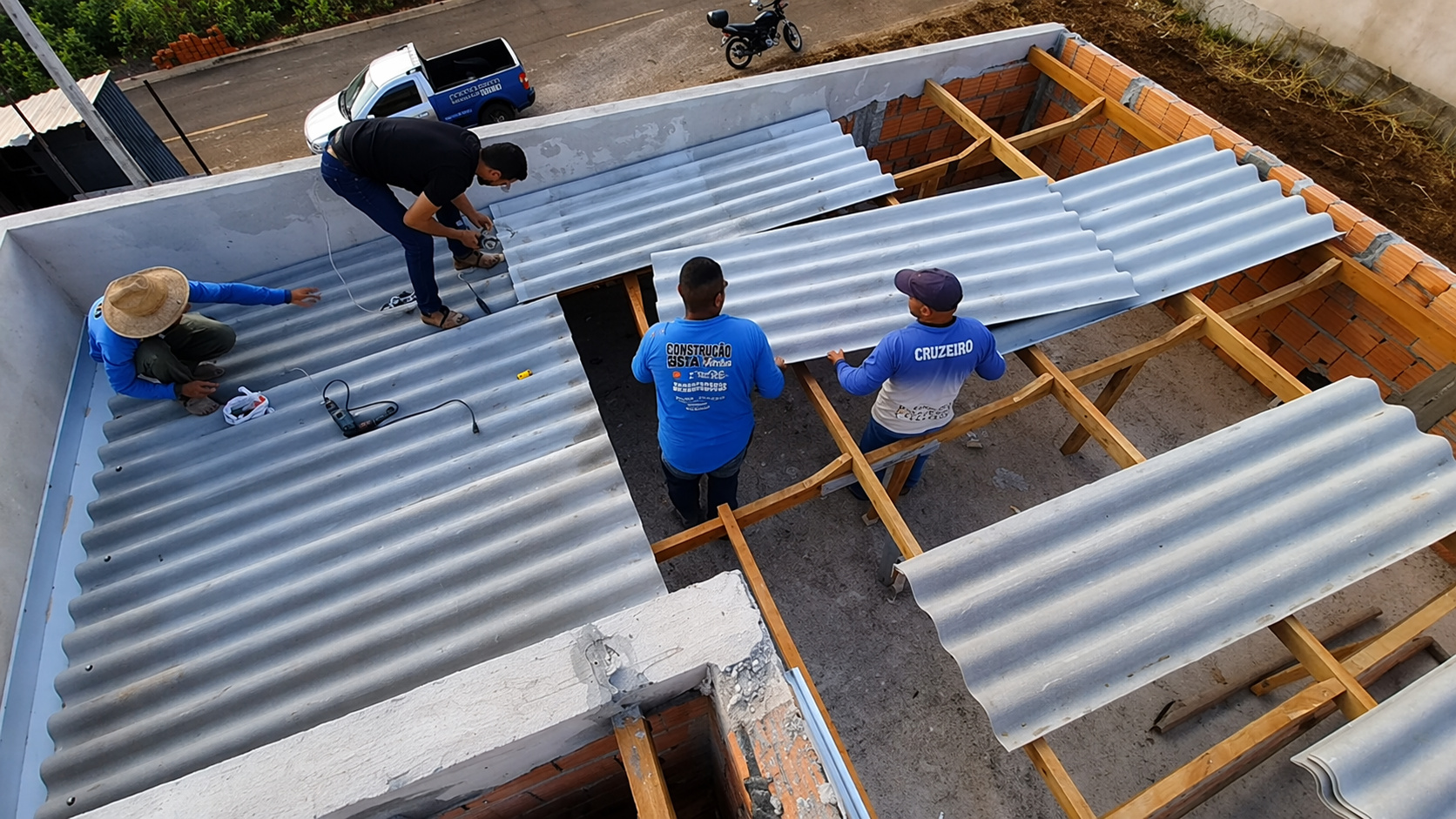
Simple technique with cheap fiber cement tiles is changing the way roofs are made and reducing costs in construction projects.
-
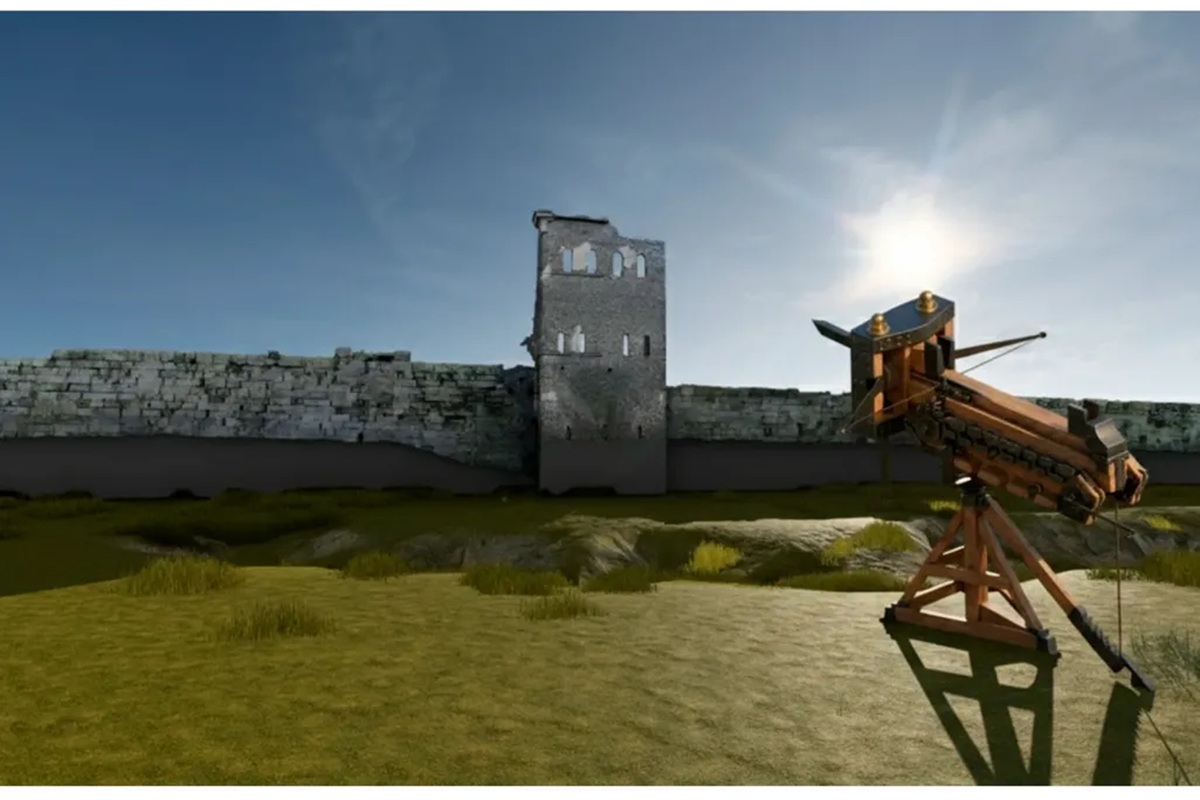
Ancient Rome may have used a type of machine gun 2,000 years ago in Pompeii, and marks on the walls from 89 B.C. are leading researchers to reconstruct how this rapid-fire weapon would have worked.
-
They saw an aluminum can coming out of a stone wall in the forest, opened the container, and found 598 gold coins worth more than $330,000.

-
Historian and archaeologist and specialist in pyramids: “If someone were to excavate our society 4,000 years from now, what would probably surprise them the most would be the lack of data.”

The archaeological site revealed a Roman villa and agricultural area
Archaeologist Jessica Lowther from Headland Archaeology stated that there was something important underground because the tiles appeared repeatedly during the work. The team’s assessment led to the conclusion that the site was a large agricultural property, supported by the evidence found in the area.
RWE, the energy company responsible for the wind farm projects, reported that the site was rich and long-lived. The occupation of the archaeological site extended from the Iron Age to the Roman period, around 250 A.D.
This set of findings enhanced the historical value of the discovery, which was not limited to a single isolated structure. The presence of baths, road, and attachments reinforced the scale of the settlement identified along the route of the underground cables.
Artifacts include the nicknamed “Nessie of Norfolk”
Among the objects found at the archaeological site were a silver ring, a bronze lion head, and a bronze handle for a vessel. It was this handle, with a serpentine shape and green color, that received the nickname “Nessie of Norfolk” for visually resembling the legendary Loch Ness monster.
The researchers did not establish any direct connection between the object and the legend. The nickname was used solely for the visual similarity of the artifact to the popular image associated with the Scottish monster.
The bronze lion head likely served as a chair foot. The set of metal pieces reinforces the diversity of materials preserved in the area and helps to gauge the wealth of the site excavated in Norfolk.
Discoveries along the route expanded the scope of the research
The revelations were not limited to this point of the excavation. In other sections of the cable route, archaeologists found a Neolithic ditch filled with pottery and stone tools, Bronze Age burial monuments, and abandoned medieval villages mentioned in the Domesday Book.
Environmental evidence was also identified, such as grains, animal bones, and oyster shells. This material has been helping researchers to piece together a detailed picture of how populations lived, cultivated, and traded in the region over time.
The set indicates that the landscape underwent different phases of human occupation over long periods. Thus, the archaeological site and the other investigated points began to offer a broader reading of the historical transformation of Norfolk.
Public exhibition and preservation of the site in Norfolk
RWE presented the discoveries at two community events held in March. On these occasions, participants were able to observe historical objects and experience an augmented reality activity inspired by the Roman villa found in the excavations.
After the work, the villa was reburied to prevent damage. This measure sought to preserve what was found while the archaeological material continued to be documented and recorded.
The project director, Jon Darling, stated that the archaeological campaign revealed a remarkable story about the changing landscape over time. He also highlighted that careful archaeological work can work alongside responsible infrastructure development, protecting and recording Norfolk’s heritage while supporting the transition to renewable energy.
The Roman presence in Norfolk began in A.D. 43, with the invasion of Britain by Emperor Claudius. The Romans remained in the region until A.D. 410, and the new archaeological site now adds to the remnants of that period found in English territory.






Seja o primeiro a reagir!