





 Portuguese
  English
  Spanish
  5 min of reading
  0 comments


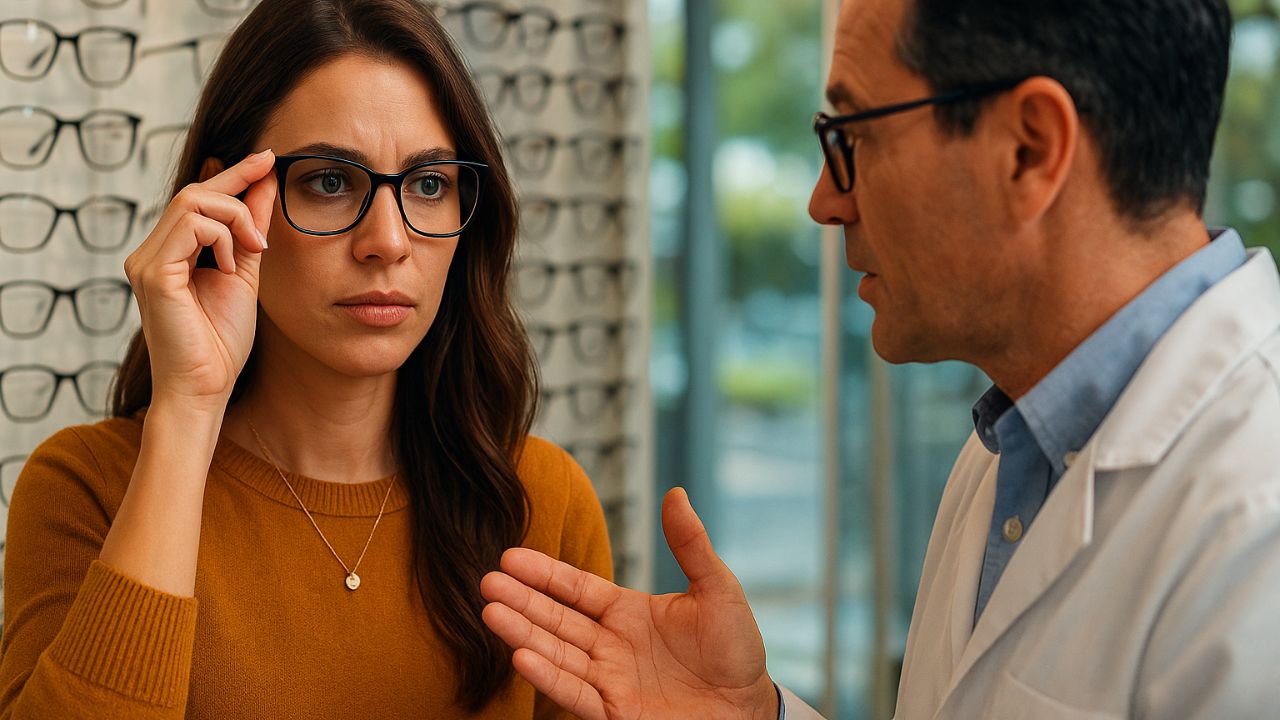
With Revenue of R$ 26.9 Billion in 2024, The Optical Boom Is Driven by Free Vision Exams That, In Practice, Configure Tied Selling and Mask Serious Diseases.
The exponential growth of the optical market in Brazil reveals an alarming paradox: while thousands of new stores are popping up on every corner, making access to glasses easier, an aggressive and often illegal business model puts the visual health of millions of Brazilians at risk. The optical boom, which reached a revenue of R$ 26.9 billion in 2024, according to data from the Brazilian Optical Industry Association (Abióptica), is supported by a combination of factors such as the aging population and the increased visual problems related to excessive screen use. However, the central strategy to capture customers exploits a serious flaw in the public health system.
The practice of offering “free vision exams” conditioned on the purchase of glasses, a form of tied selling, prohibited by the Consumer Defense Code, has become the gateway to a market that profits from urgency and misinformation. Faced with long waiting lines in the SUS, which can last for months, and the cost of private consultations, many consumers opt for the immediate solution offered by retail. What seems like an advantage, however, is a trap that prevents the diagnosis of silent and devastating diseases such as glaucoma and cataracts, turning convenience into a serious public health problem.
Why Are Optical Stores Everywhere?
The numbers confirm the omnipresence: Brazil ended 2024 with over 71,000 points of sale, an 8% growth in just one year. This massive expansion reflects a growing and multifaceted demand. However, data analysis reveals an even more complex scenario. While Abióptica maps the traditional optical retail sector, data from Sebrae, based on the National Register of Economic Activities (CNAE), point to a universe of over 193,000 establishments that sell optical articles, whether as a primary or secondary activity. This extreme fragmentation complicates regulation and opens space for irregularities.
-
Brazil Ignores Trump’s threats to BRICS, Buys 42 tons of gold and reduces the Dollar’s share by 6.45% in international reserves.

-
Havan buys historic football land in Blumenau for a million-dollar amount protected by a confidentiality clause and is already planning to change even the layout of streets to build a megastore in half-timbered style costing 80 million reais.

-
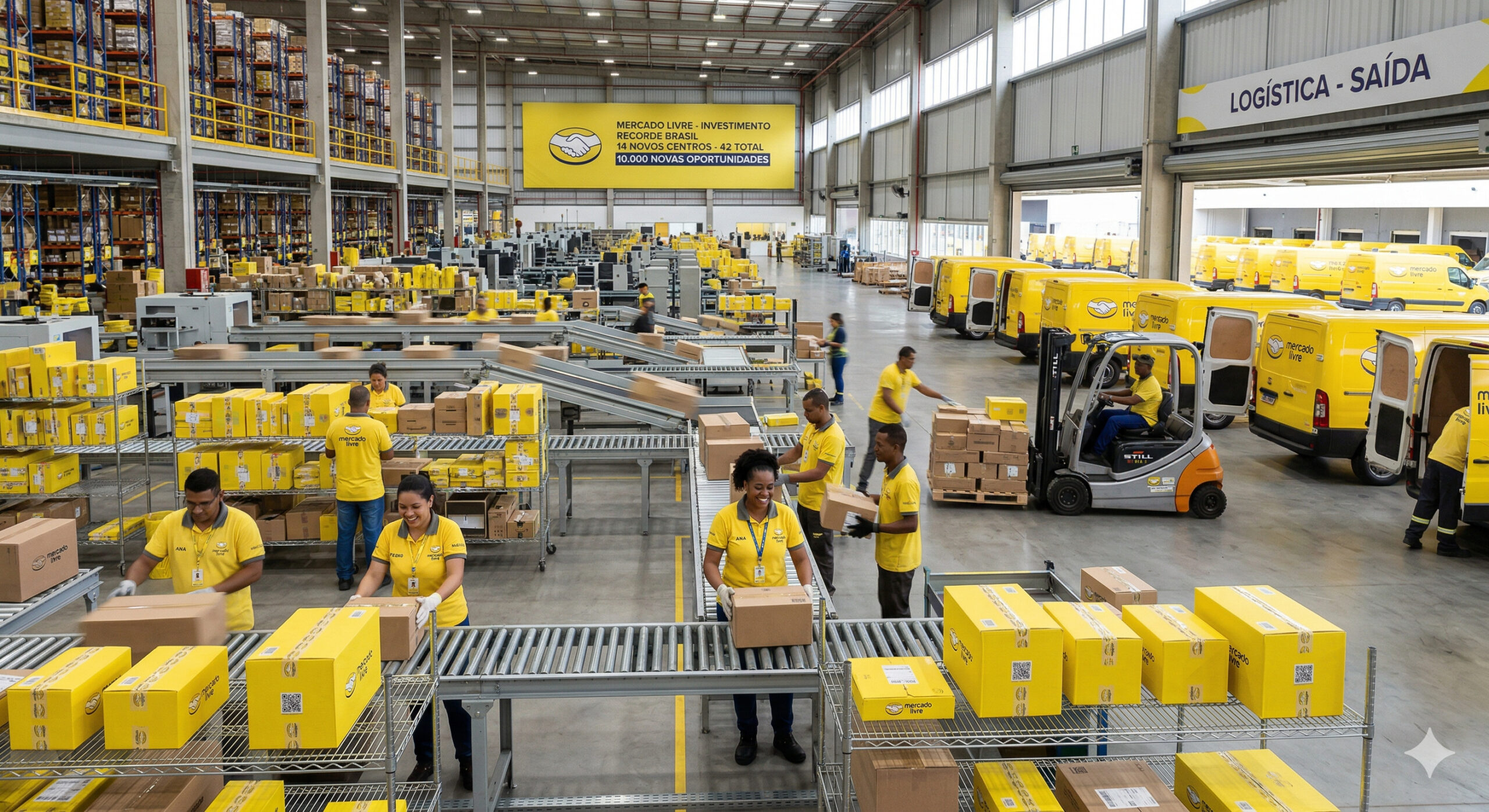
Mercado Livre “opens the vault” and announces a record investment of R$ 57 billion in Brazil in 2026, a value 50% higher than the previous year, with an expansion plan that includes 14 new logistics centers, totaling 42 units in the country and hiring an additional 10,000 employees.
-
How investment in technology can revolutionize the national economy and enhance industrial gains, according to a study that highlights the direct impact on productivity, innovation, and wealth retention within Brazil.


The engine behind this demand is a “perfect storm.” On one side, the aging population increases the prevalence of conditions such as cataracts and presbyopia. On the other, excessive screen use by young people and adults generates what specialists call an “epidemic of myopia,” creating an increasingly younger consumer base. Added to this is the cultural transformation of glasses into a fashion accessory, a strategy that encourages the purchase of multiple pairs and raises the average ticket. This combination of medical necessity and consumer desire makes the market extremely resilient and profitable.
The “Free Exam” That Can Be Expensive
The strategy of the “free vision exam” is the main conversion tool in the sector. The consumer is attracted by the promise of a no-cost evaluation, but in practice, the provision of the prescription with the degree is usually conditioned on the purchase of glasses in the same store. This practice is not only a tied sale, explicitly prohibited by Article 39 of the Consumer Defense Code, but also creates an irreconcilable conflict of interest: the seller’s goal is to sell, while the healthcare professional’s goal is to diagnose. When the two functions mix, the impartiality of the diagnosis is compromised, potentially leading to the prescription of incorrect or unnecessary degrees.
This business model proliferates by exploiting the void left by the health system. A citizen who needs an ophthalmological consultation through the SUS faces a wait that, in large centers like São Paulo, reaches 97 days, but can easily exceed six months in other regions. In the private sector, a consultation can cost from R$ 120 to over R$ 800. For low-income workers who depend on vision and cannot wait, the optical store offers an immediate and seemingly cost-free solution. The sector, therefore, profits directly from the state’s inefficiency in ensuring access to visual health, normalizing an illegal practice that masquerades as a social benefit.
The Legal Battle: Ophthalmologist vs. Optometrist
At the center of this discussion is the dispute between two professions. The ophthalmologist is a doctor with at least nine years of training (undergraduate and residency), qualified to diagnose and treat all 3,892 eye diseases, perform surgeries, and prescribe medications and glasses. The optometrist, on the other hand, is a higher education professional trained in Optometry, trained to perform refraction exams (measure the degree) and fit contact lenses, and must refer any suspicion of disease to a doctor. He is not a doctor and, therefore, cannot diagnose pathologies.
The legal battle between the categories culminated in a historic decision by the Supreme Federal Court (STF) in ADPF 131. In 2021, the Court ruled that the restrictions of decrees from the 1930s do not apply to optometrists with higher education, allowing them to perform refractive exams. However, the decision did not resolve the central issue: the operation of these professionals within commercial establishments. This perpetuates the conflict of interest and the war of narratives, with medical councils denouncing the illegal practice of medicine and optometry councils defending their role in primary vision care.
The Lost Diagnosis: What the Optical Test Doesn’t See
The biggest risk of the “optical exam” model is the false sense of security it provides. A refraction test focuses solely on finding the degree for myopia, hyperopia, or astigmatism. It is not, nor does it propose to be, a complete medical consultation. Essential procedures, such as measuring intraocular pressure (to detect glaucoma) and the fundus examination (to assess the retina and optic nerve), are ignored. Glaucoma, known as the “silent thief of sight,” presents no initial symptoms and, when visual loss is perceived, the damage is already irreversible.
The vulnerable patient, usually with lower purchasing power and information, enters the store with blurred vision, does a quick test, buys glasses, and believes they have solved the problem. Meanwhile, the temporary improvement in vision may mask the progression of serious diseases. The optical boom, by diverting millions of people from the path of complete medical diagnosis, may be inadvertently contributing to a future increase in preventable blindness rates in Brazil. The immediate profit from retail generates a social and public health cost of alarming proportions for the future.
The growth of the Brazilian optical market is an undeniable reality, but it is built on the weaknesses of access to healthcare in the country. The convenience of the “instant exam” fills a gap left by the state, but does so at the expense of the ocular health of the population. To align commercial success with social responsibility, it is urgent to have stricter oversight against tied selling, consumer awareness campaigns, and regulation that separates health consultations from the sale of products. After all, eye health cannot be treated as just another shelf item.
Have you ever encountered the offer of a “free vision exam”? Do you believe that convenience outweighs the risk of not having a complete medical diagnosis? Share your experience in the comments; we want to understand how consumers view this situation.







-

Uma pessoa reagiu a isso.