





 Portuguese
  English
  Spanish
  4 min of reading
  0 comments


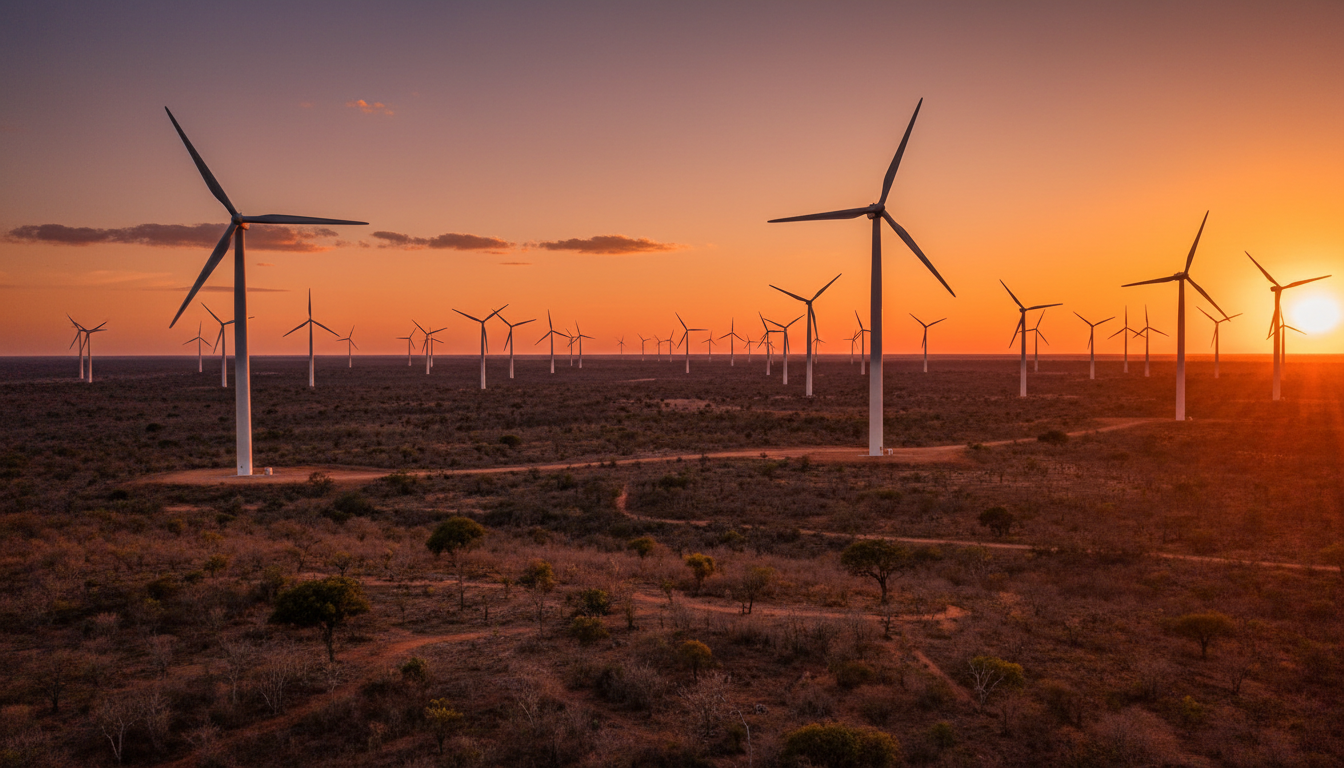
With R$ 225 billion in investments in the electricity sector by 2026, the Brazilian Northeast concentrates most of the new wind and solar parks in the country, with 18,000 MW granted, 60,000 promised jobs, and a transmission network of 9,000 km that can transform the economy of 60 million people
The Brazilian Northeast is at the center of an unprecedented energy transformation. The federal government plans to invest R$ 225 billion in the electricity sector by 2026, and the largest share of this amount is allocated to wind and solar energy projects in the region, according to data from the Ministry of Mines and Energy and the National Electric Energy Agency (Aneel).
According to Minister Alexandre Silveira, the transmission auctions held by Aneel are expected to unlock between R$ 180 billion and R$ 200 billion specifically in wind and solar energy in the Northeast. “There will be around R$ 56 billion in investments in this sector that will unlock R$ 180 to R$ 200 billion in wind and solar energy in the Brazilian Northeast,” Silveira stated to CNN Brasil.
Furthermore, the minister estimated that the 2023 transmission auction should generate about 60,000 direct and indirect jobs in the region. Therefore, the impact goes far beyond the towers and panels — it is an economic reconfiguration of a region with 60 million inhabitants.
-
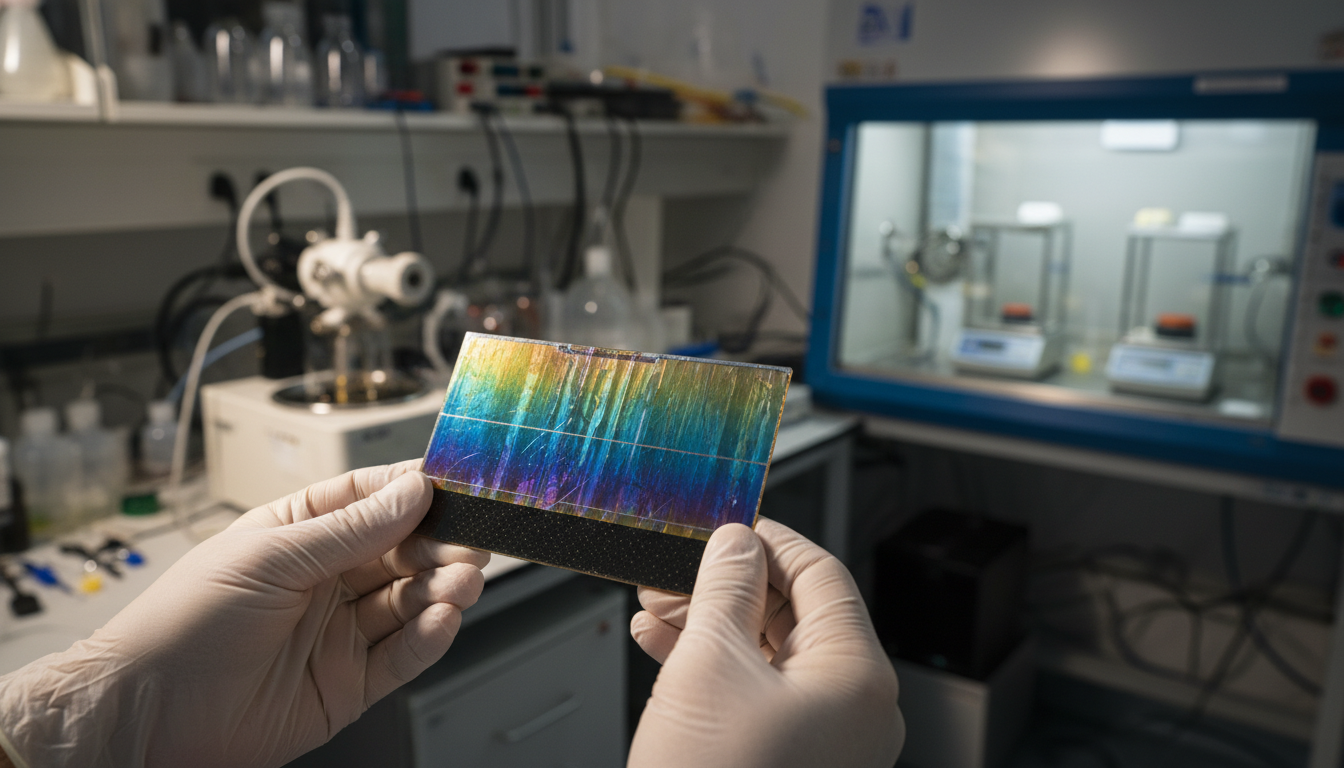
Chinese company creates solar cell that breaks the physical limit of silicon with 34.85% efficiency and promises to revolutionize electricity bills with panels that generate 20% more energy starting in 2026.
-
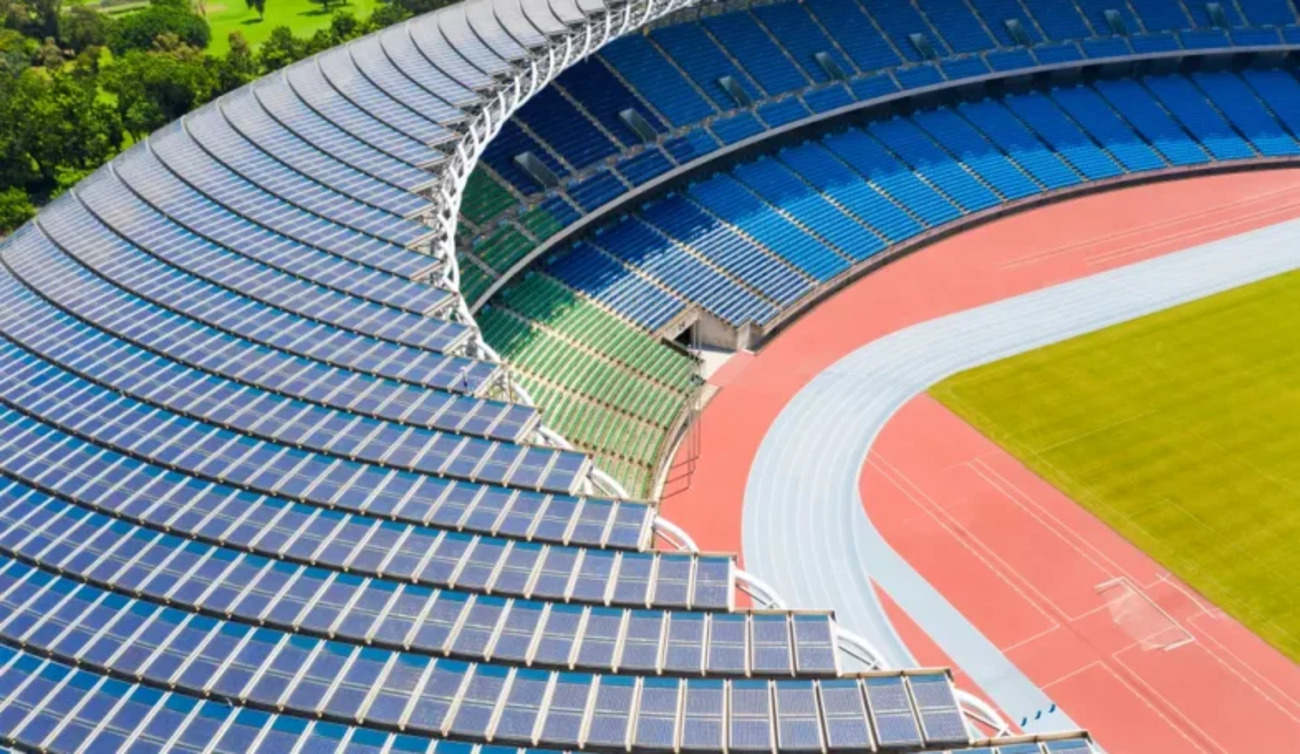
How green infrastructure and renewable energy at the World Cup transform the logistics of the largest sporting event on the planet in North America.
-
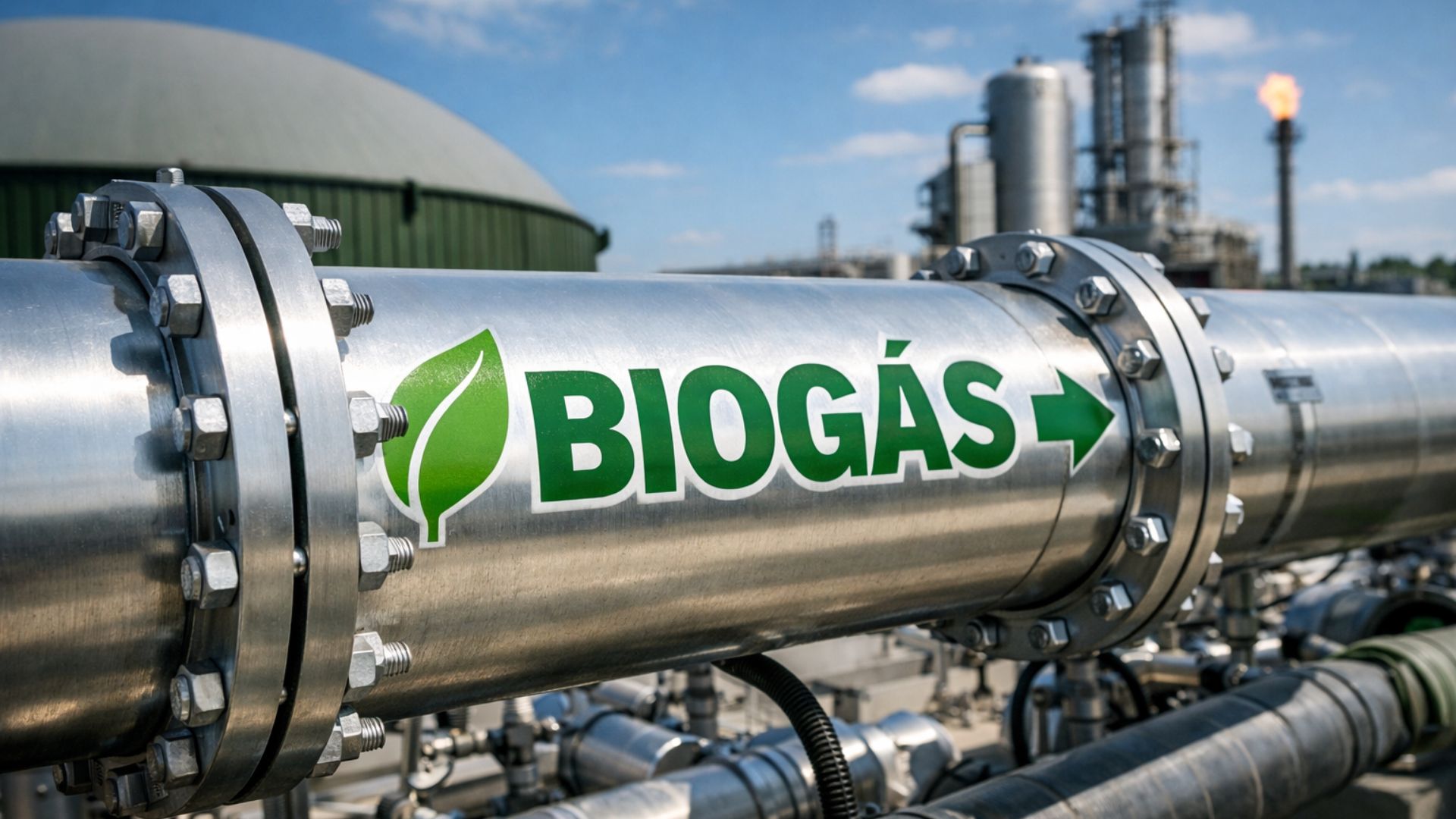
The Cagece and UFC project advances in sustainable innovation with biogas by converting waste into renewable energy, reducing environmental impacts, and increasing sanitation efficiency with concrete and measurable results.
-
Paranaense students develop a system that transforms farm waste into clean energy and revolutionizes sustainable agribusiness.

Transmission auction raised R$ 15.7 billion and foresees 6,184 km of new lines
The transmission auction held by Aneel in March 2023 raised R$ 15.7 billion in investments for the construction of 6,184 km of lines and 400 MVA in substations. Thus, the main focus is to transport the energy produced in the Northeast to the Southeast, where the country’s highest demand is located.
The auctions planned for 2024 are expected to raise R$ 23 billion — equivalent to 72% of the total R$ 32 billion in transmission works scheduled until 2026. Of this amount, nearly R$ 15 billion is concentrated in the Northeast, financing 9,000 km of lines and new substations.
However, experts warn that bottlenecks in transmission still persist. The capacity to transport excess renewable energy to the Southeast depends on the full execution of these projects, which are subject to deadlines and regulatory conditions.
Wind farms total R$ 130 billion granted and 18,000 MW of capacity
The numbers for wind expansion in the Northeast are impressive. Currently, there are R$ 21 billion in wind farms under construction in the region, with a total capacity of 3,000 MW. Still, the volume of granted projects that have not yet started is much larger: R$ 130 billion in investments and 18,000 MW of capacity.
On the other hand, wind energy already represented 10.7% of the national electricity matrix, with a projection of reaching 11.2%. Solar energy, in turn, jumped from 1.9% to 2.6% in the same period. Thus, the region has already demonstrated the capacity to supply almost 100% of regional demand on peak days.
- Farms under construction: R$ 21 billion and 3,000 MW
- Granted projects: R$ 130 billion and 18,000 MW
- Solar in 10 years: over R$ 100 billion (28% of the electricity sector)
- PDE until 2031: R$ 192 billion, with 34% in large plants

Banco do Nordeste has already invested R$ 25 billion in renewables and solar credit grew 304%
Banco do Nordeste (BNB) has been a key player in this transformation. Between 2019 and 2022, the institution invested over R$ 25 billion in wind and solar projects in its area of operation, which covers the entire Northeast, as well as Minas Gerais and Espírito Santo. In 2022 alone, R$ 5.9 billion were contracted.
“We work to provide an attractive structure for new businesses while contributing to the country having cleaner energy generation,” declared José Gomes da Costa, president of BNB.
Credit for solar energy skyrocketed 304% in four years — jumping from R$ 948 million in 2019 to R$ 3.8 billion in 2022, accumulating R$ 9.8 billion during the period. In Ceará, BNB allocated R$ 3.6 billion for renewable projects in the same four years. As a result, financing has boosted everything from small residential panels to large solar plants.

Rio Grande do Norte aims for R$ 127 billion in green hydrogen and wants to compete with global leaders
The ambition of the Northeast is not limited to conventional wind and solar. Rio Grande do Norte projects investments of R$ 127 billion in green hydrogen, including US$ 20 billion in direct investments. Additionally, states like Bahia (R$ 30 billion projected), Ceará (Pecém Complex), and Piauí (large solar plants) are competing for prominence in this race.
The projected economic growth of the Northeast between 2026 and 2034 is 3.1%, driven precisely by renewables. Total investments in the region, including wind, oil, airports, and infrastructure, could reach R$ 750 billion.
The other side: stalled projects, bottlenecks, and the question “for whom?”
Despite the impressive numbers, caution is needed. The R$ 130 billion in granted wind projects have not yet started and are subject to regulatory and market delays. Furthermore, bottlenecks in transmission continue to be a real obstacle to transporting excess energy to the Southeast.
There is also a growing debate about who truly benefits from this transition. Analysts question whether the gains remain in the region or if foreign capital captures most of the returns — a discussion summarized in the provocation from the Brazilian Foreign Policy Observatory.
Finally, all projections until 2026 are subject to variations in inflation, exchange rates, and regulatory changes. The official sources used in this report present consolidated data up to 2023-2024, and future values are estimates from the Ministry of Mines and Energy, Aneel, and EPE.






Seja o primeiro a reagir!