





 Portuguese
  English
  Spanish
  5 min of reading
  0 comments


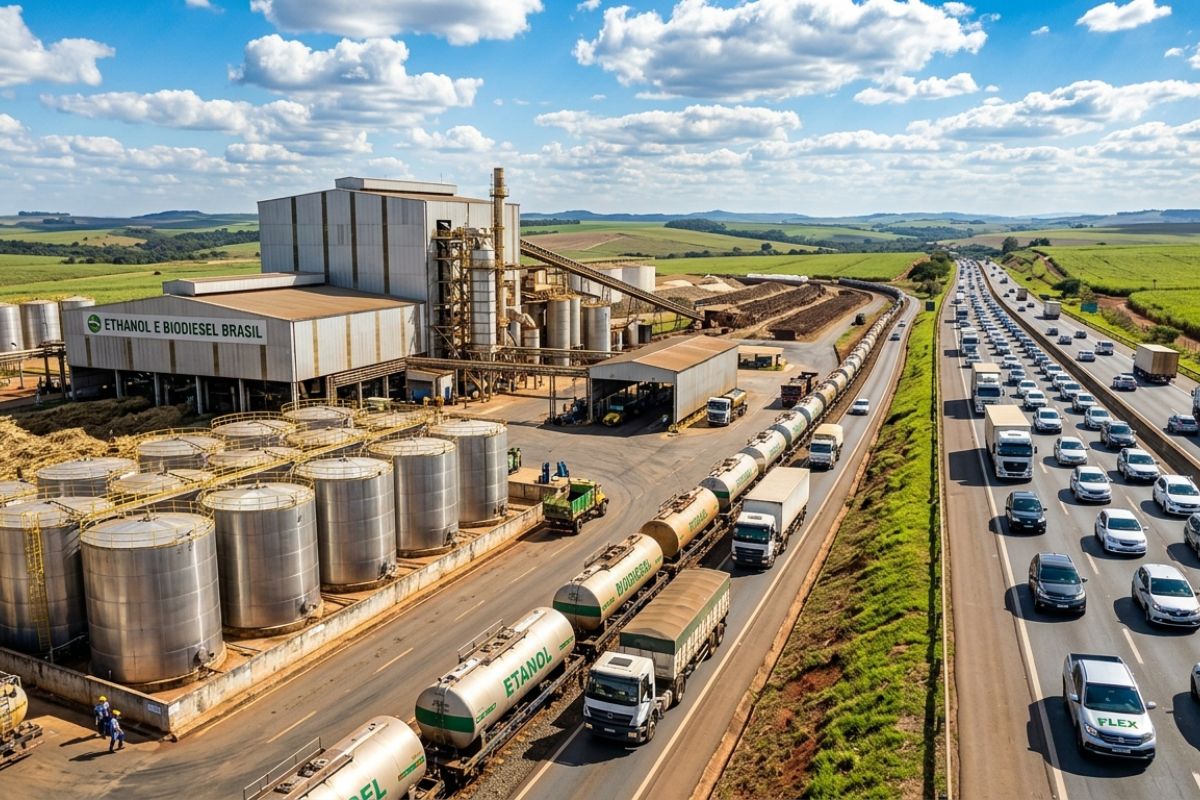
The Economist claims that, with Petrobras absorbing part of the oil impact, fuels increased 10% to 20% in Brazil, against 30% to 40% in the US, thanks to the ethanol and biodiesel shield
Oil surged with the war between the United States, Israel, and Iran, catching much of the world by surprise. However, for The Economist, Brazil entered this crisis better prepared, which helps explain why the impact on fuel prices here was less than in other countries.
According to the magazine, the combination of Petrobras’s actions and the strength of biofuels creates a real buffer. While oil pressures the entire world, Brazil has ethanol, biodiesel, and a large enough flex fleet to practically change consumption, reducing dependence on foreign fossil fuels.
Why the oil crisis gained strength with the war
The rise in oil prices came in the wake of the conflict involving the United States, Israel, and Iran, which raised the risk of prolonged instability and set off alarm bells in the markets.
-
Unilever is negotiating the sale of Hellmann’s, Knorr, and its entire food division in a deal that could reach R$ 186 billion to transform into a company focused exclusively on beauty and personal care.
-
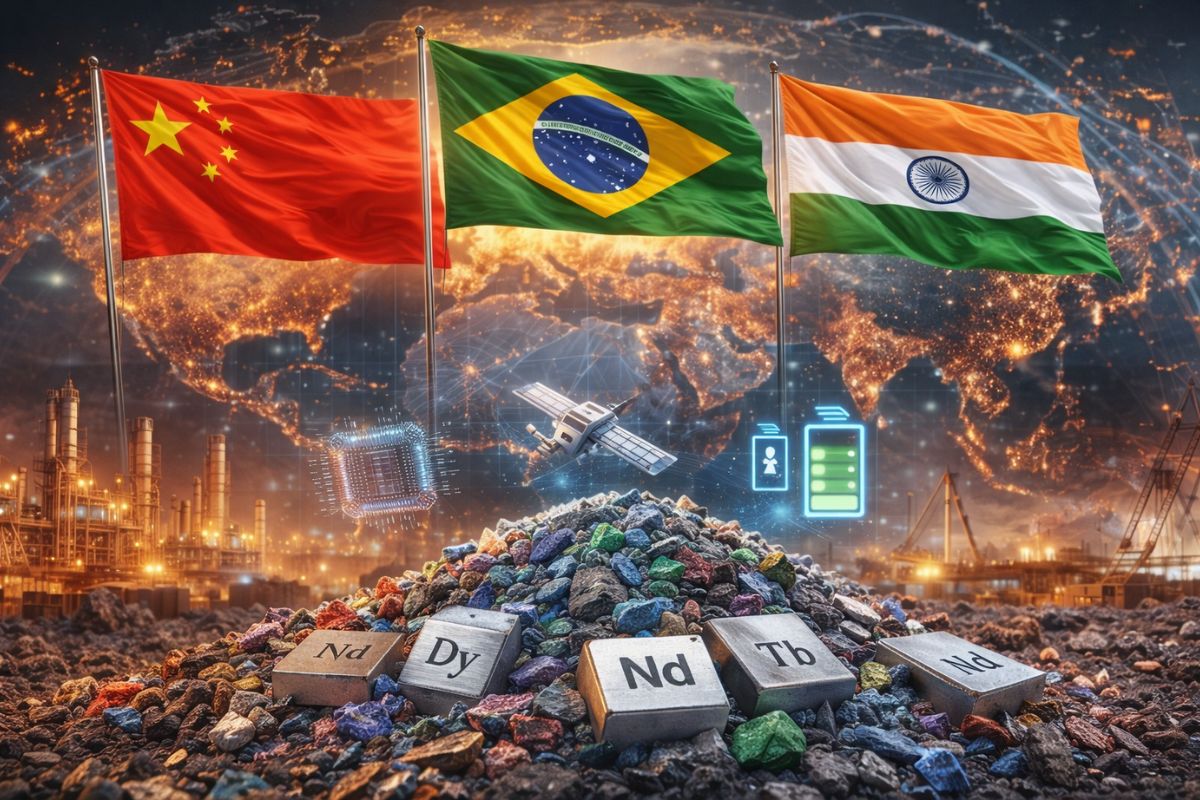
China, Brazil, and India together control the largest rare earth reserves on the planet and are now at the center of a geopolitical dispute that could determine who will dominate technology and the global economy in the coming decades.
-
While thousands continue to lack water and sewage on the coast of Piauí, the government inaugurates a R$ 5.5 million international portal in Barra Grande and bets on global visibility.

-
Lula’s government opens 13,000 positions for teachers in Brazil and creates more than 24,000 federal jobs, with an impact of R$ 5.3 billion by 2026.


This type of shock tends to quickly hit the fuel chain because more expensive oil raises the cost of derivatives and pressures logistics, transportation, and inflation.
When oil rises abruptly, the cost does not stay at the pump. It spreads through freight, commodity prices, and production costs, especially in economies dependent on road transport.
The “secret weapon” against oil is the advancement of biofuels
The Economist describes Brazil as having one of the most sophisticated biofuel industries on the planet. The central point is that ethanol and biodiesel genuinely compete with gasoline and diesel, creating a refueling alternative that many countries do not have at scale.
The magazine notes that Brazil is the second-largest producer of ethanol in the world and the third-largest producer of biodiesel. This gives the country a cushion of supply that gains value precisely when oil becomes more expensive and the international market becomes more unstable.
Flex fleet changes the game when oil tightens
Another cited pillar is the flex fleet. About three-quarters of Brazilian light vehicles are flex, meaning they can run on alcohol or gasoline. This allows consumers to react to price, switching fuels according to the cost-benefit ratio.
In practice, this flexibility helps reduce dependence on foreign fossil fuels and protects the country when oil prices surge and markets become more “inflamed,” as described by the publication.
Petrobras holding costs helps limit the pass-through
The report cites Petrobras’s role in absorbing costs, which tends to soften the pass-through to consumers during external shocks. Still, The Economist emphasizes that the competitiveness of biofuels has been essential in reducing the negative impacts of the war on the Brazilian economy.
In other words, the buffer does not come from a single factor. Oil rises, but the final effect depends on how the country can dilute the shock through pricing policy, fuel alternatives, and consumer behavior.
Why Brazil increased less than the US
Even with more expensive oil, The Economist points out that Brazil had a smaller increase in fuels since the beginning of the war. Here, prices rose between 10% and 20%. In the United States, the increase was between 30% and 40%.
The difference is what stands out: when there is a viable substitute, like ethanol, and when part of the impact is absorbed, the oil shock tends to hit the final consumer with less force.
Expensive diesel generates a domino effect and pressures the entire country
The article highlights that, even with a smaller increase, Brazil is already feeling the effects of oil on costs. The rise in diesel even fueled expectations of a possible truckers’ strike, which was later dismissed.
Since most cargo transport in the country is done by trucks, more expensive diesel tends to pull a domino effect, raising freight costs and pressuring prices in a chain, from food to industrial products.
Biofuels have protected Brazil before, and this has history
Evandro Gussi from Unica states that this is not the first time biofuels have protected Brazil. He recalls that the country invested in this direction to reinforce energy independence, highlighting Proálcool, created after the oil crisis of 1973, and the arrival of the first flex cars in 2003.
This history explains why Brazil arrives at oil crises with a ready alternative, not just in discourse, but at the pump and in the garage.
Limits of the shield: oil still weighs, and ethanol can also rise
The analysis itself brings an important warning: biofuels do not completely eliminate the costs of rising oil prices. If ethanol becomes cheaper than gasoline and consumption migrates quickly, the price of ethanol may rise.
Moreover, high natural gas prices raise the cost of fertilizers, which can pressure the production chain and also affect biofuels. Still, the assessment is that producers in the sector may have much to gain from the turbulence in the Middle East.
What to watch now in the oil crisis
With oil prices rising and geopolitical uncertainty on the radar, the next relevant signals are likely to be:
The price relationship between ethanol and gasoline and how much consumption migrates
The evolution of diesel and the impact on freight
The level of oil pass-through in the domestic market
The response of the agricultural and fertilizer chain, which may increase input costs
Brazil appears more protected than many countries, but it is not immune. The difference is that, here, there is a real escape route via biofuels and the flex fleet.
And you, do you think this “secret weapon” against oil is enough to hold back new increases, or will diesel end up imposing the highest cost on the Brazilian consumer?





Seja o primeiro a reagir!