





 Portuguese
  English
  Spanish
  4 min of reading
  0 comments


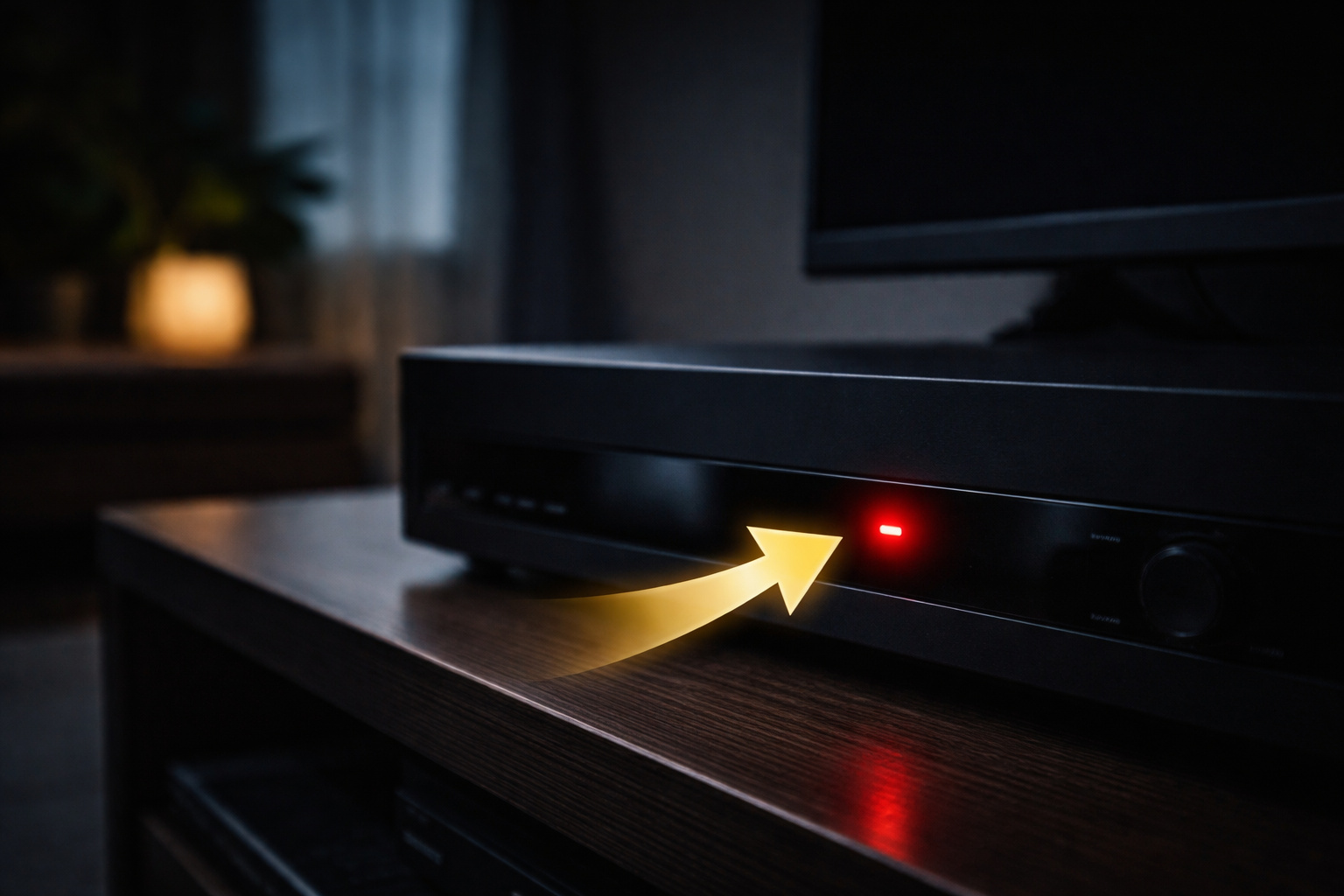
Invisible energy consumption can represent up to 12% of the electricity bill even with appliances turned off, according to the International Energy Agency.
In 2023, technical reports from the International Energy Agency highlighted a silent phenomenon affecting millions of households: energy consumption in standby mode. This type of consumption occurs when seemingly turned-off appliances remain connected to the power grid, keeping secondary functions active. According to a classic analysis by the IEA on the subject, standby consumption can account for about 10% of total residential electricity use in developed countries, highlighting the cumulative impact of continuously connected devices.
In Brazil and other countries, this behavior is also widely spread due to the increasing presence of electronics in domestic environments. Academic studies and energy surveys indicate that this consumption usually varies between approximately 3% and 10% of total residential use, potentially being higher in homes with many connected devices
The most relevant data is that this invisible consumption accumulates over the month, even without direct use of the equipment, potentially representing a significant impact on the electricity bill when added to the continuous operation of multiple devices.
-
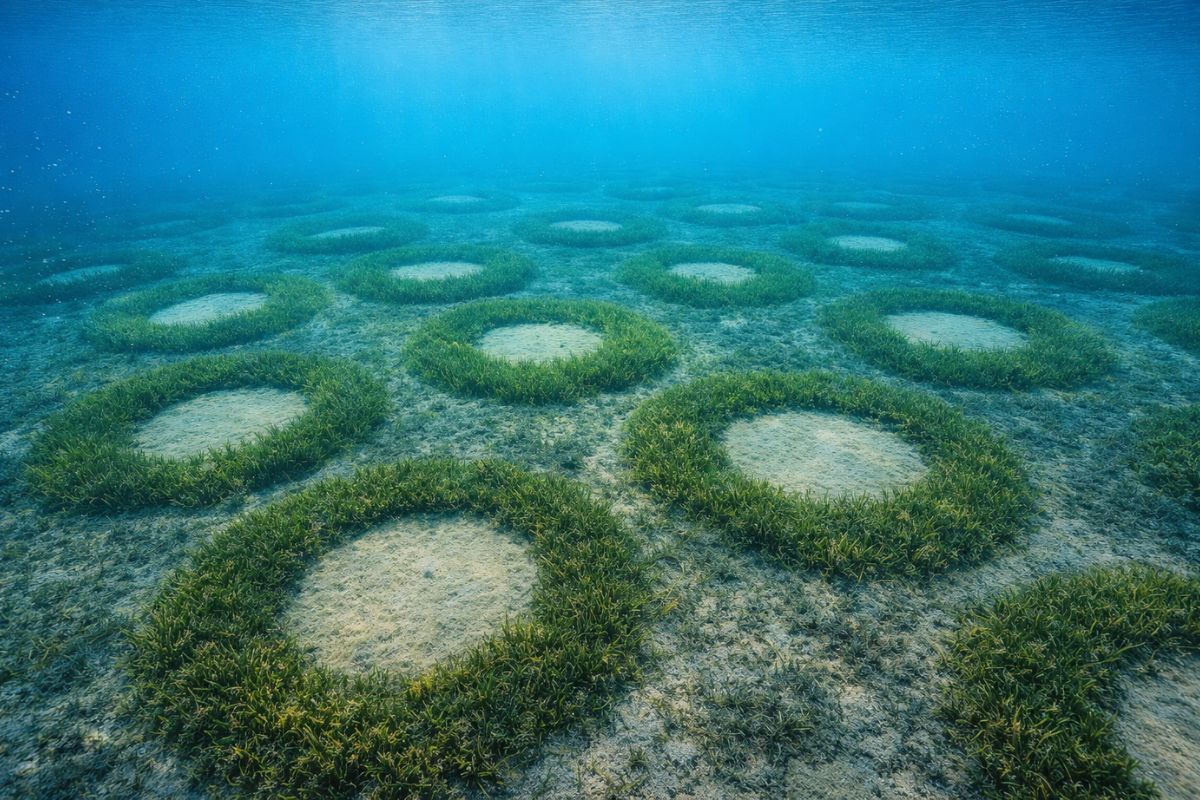
Scientists are baffled by hundreds of perfect circles that have emerged on the seabed in Scotland, formed by living seagrass meadows, and no one can explain whether it is nature self-organizing or something completely unknown to science.
-
China has completed the world’s first terrestrial network capable of monitoring the entire space between the Sun and the Earth, an infrastructure with over 30 stations created to track solar storms in 3D and anticipate failures in satellites, communications, and power grids.

-
Hidden giants at the bottom of the North Sea reveal how 18,000-year-old icebergs help predict glacier collapse and rising oceans.

-
For more than 10 years, scientists have observed the ice of Greenland deforming into giant spirals without explanation; they have now discovered that solid ice can “boil” from within like magma, an invisible phenomenon that could alter climate predictions and involves a mass capable of raising sea levels by up to 7 meters.


What is standby consumption and why does it happen
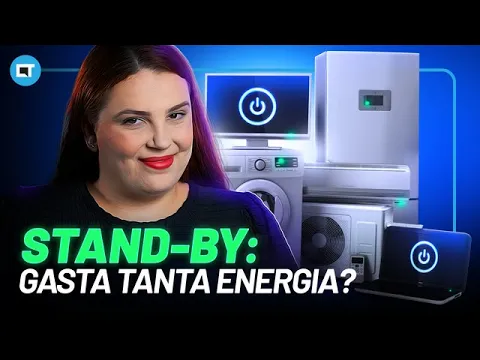
Standby consumption occurs when a device is not in active use but continues to consume energy to maintain certain operational functions.

This includes:
- remote control sensors
- digital clocks
- internal memory
- connection to networks
Even when turned off by remote control, many devices remain partially active. This type of consumption exists because modern appliances are designed to respond quickly to commands, which requires continuous energy in the background.
Which devices contribute most to this invisible consumption
Various devices common in Brazilian homes participate in this silent consumption.
Among the main ones are:
- televisions
- microwaves
- TV decoders
- video game consoles
- internet routers
- computers and monitors
The individual impact of each appliance may seem small, but the combined effect is significant. When multiple devices remain connected simultaneously, the accumulated consumption becomes relevant over time.
Why this consumption goes unnoticed
One of the reasons why standby consumption is little perceived lies in its continuous and discreet nature. Unlike high-consumption appliances, such as showers or air conditioning, which generate immediate impact, standby operates constantly and silently.
Since there is no direct use, the consumer does not associate this expenditure with the electricity bill, making it difficult to identify.

Additionally, many appliances do not have clear indicators of consumption. Although individual consumption is low, it occurs 24 hours a day, every day of the month.
This means that:
- small amounts of energy are continuously consumed
- the total accumulated can be significant
In a household with several devices, this consumption can represent dozens of kilowatt-hours per month, directly reflecting on the final bill. Over a year, the financial impact can be even more pronounced.
Difference between active consumption and passive consumption
Energy consumption can be divided into two main categories:
- Active consumption occurs when the device is in direct use.
- Passive consumption, like standby, occurs without user interaction.
This distinction is important because passive consumption does not depend on user behavior, but rather on the design of the appliances. This means that even conscious habits do not completely eliminate this type of expenditure.

Technological advancements have brought more connectivity and functionalities to household devices. Today, many appliances have:
- internet connectivity
- automatic updates
- smart systems
These functions require constant energy. The more advanced the device, the greater the likelihood that it consumes energy even when not being directly used. This contributes to the increase of invisible consumption over time.
Measurements and studies confirm global impact
The International Energy Agency estimates that standby consumption represents a significant portion of residential electricity use in various countries.
This phenomenon is not exclusive to Brazil but is repeated globally. Studies indicate that billions of connected devices worldwide contribute to this continuous consumption, creating a relevant energy impact on a global scale. This also has environmental implications.

Energy consumption, even in small amounts, is directly linked to electricity generation. Depending on the source used, this can result in carbon emissions.
Reducing standby consumption not only lowers costs but also contributes to reducing environmental impact. This factor has gained relevance in energy efficiency policies.
Why the problem is likely to grow in the coming years
With the increase in the number of connected devices, standby consumption is likely to grow. The so-called “connected home” includes:
- virtual assistants
- smart devices
- automated systems
All these devices remain continuously powered. This scenario indicates that invisible consumption may become even more relevant in the future, alongside technological evolution.
Energy consumed even without direct use
Standby consumption represents a significant portion of the energy used in households, even without active use of the appliances.
With increasingly connected devices present in daily life, this type of expenditure tends to intensify.
By occurring continuously and almost imperceptibly, invisible consumption solidifies as one of the main hidden factors in the composition of the electricity bill, showing that not always the highest expenditure comes from the most obvious appliances.








Seja o primeiro a reagir!