





 Portuguese
  English
  Spanish
  5 min of reading
  0 comments


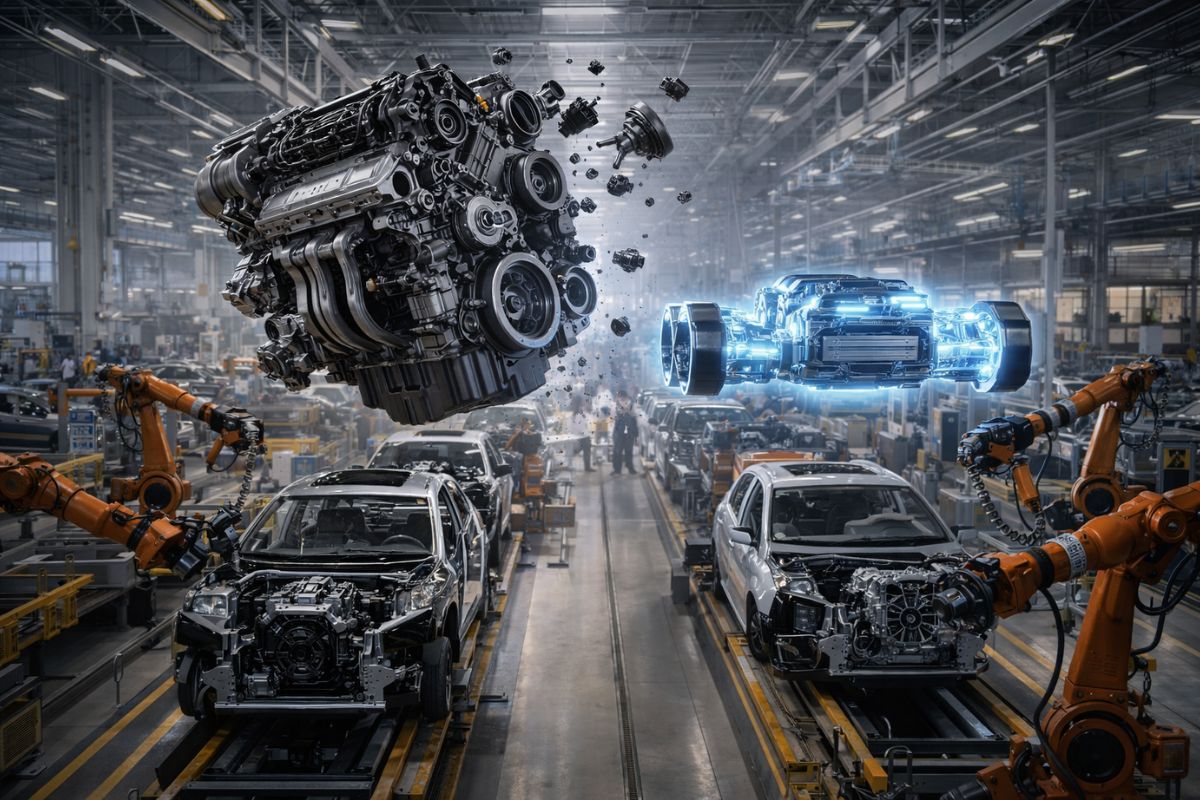
Volkswagen is considering eliminating the 1.0 TSI engine in Europe and simplifying its lineup to just three powertrains, with the 1.5 TSI becoming the smallest option, and the change could affect Brazil, where the three-cylinder engine manufactured in São Carlos powers almost the entire brand’s portfolio.
The 1.0 TSI engine is the cornerstone of Volkswagen in the Brazilian market. Manufactured in São Carlos, in the interior of São Paulo, this three-cylinder engine is responsible for powering almost the entire brand’s portfolio in the country, from the Polo to the T-Cross, from the Virtus to the Nivus. But in Europe, where emission requirements and pressure for electrification dictate the rules, Volkswagen is considering discontinuing this engine and limiting its range to just three powertrains: the 1.5 TSI, the 2.0 TSI, and the 2.0 TDI diesel.
The information was released by the Italian website Al Volante and indicates a simplification strategy that Volkswagen considers essential to survive the energy transition. European models currently equipped with the 1.0 TSI, which delivers 95 and 115 horsepower there, would be migrated to the 1.5 TSI adjusted to offer from 100 horsepower. The change would not be restricted to the Old Continent. The 1.5 TSI is also in Volkswagen’s plans for Brazil, associated with hybrid systems that could open up a range of options that the current 1.0 TSI cannot offer.
Why Volkswagen wants to discontinue the 1.0 TSI in Europe

Volkswagen’s decision to reduce its European engine lineup to just three options is a direct response to the cost of maintaining multiple platforms during a transition period.
-
China did not ask for permission and took the wheel of the global automotive industry while automakers from the US and Europe accumulated $75 billion in losses.
-
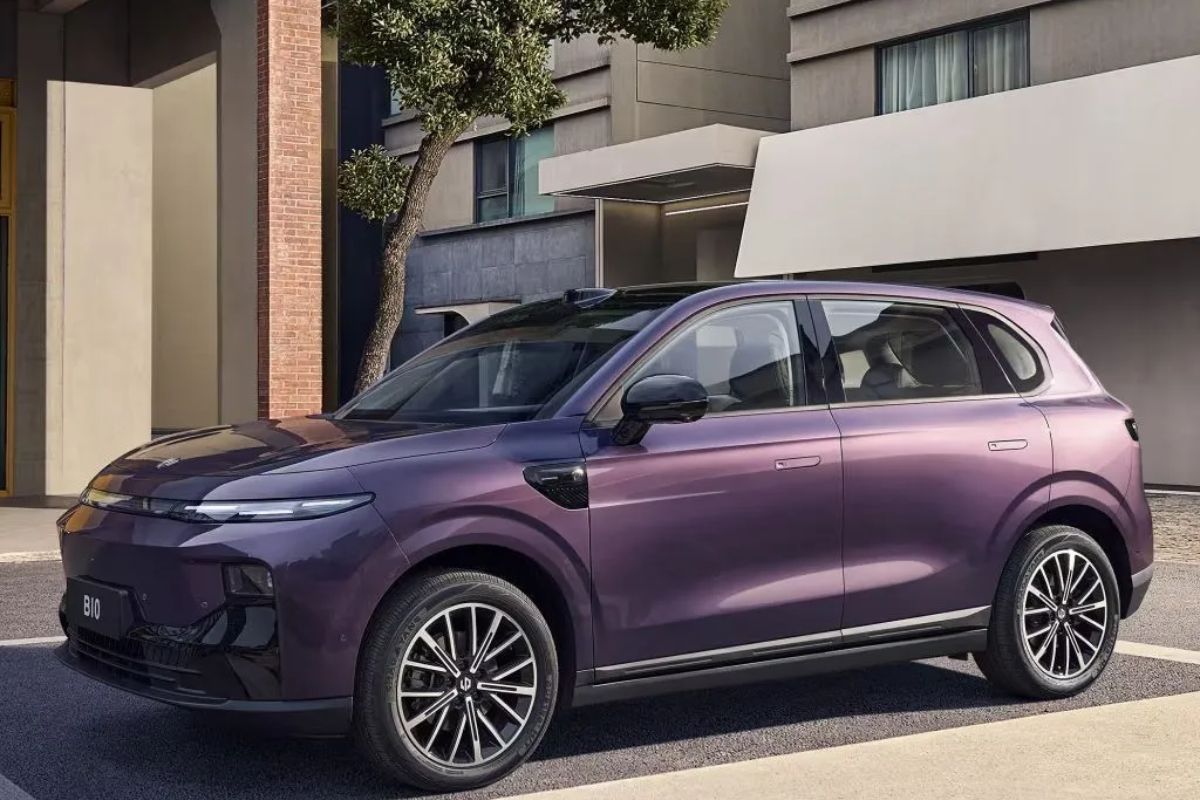
Leapmotor B10 arrives at R$ 182,990 with 218 hp, recharges from 30% to 80% in just 16 minutes, drives up to 288 km, and will also be produced in Brazil at a Stellantis factory.
-
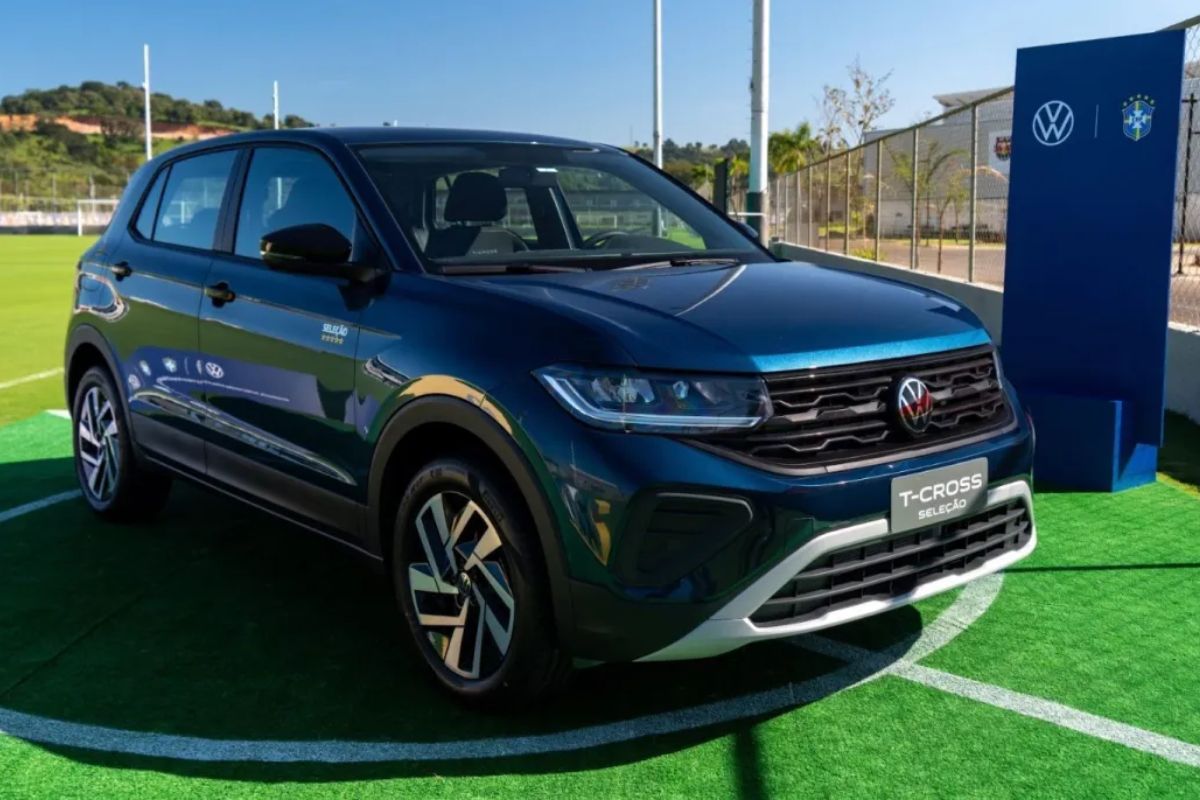
Volkswagen launches T-Cross Seleção for R$ 129,990 with 17” wheels, exclusive CBF design, Norway Blue color, and enhanced package; special edition for the 2026 World Cup arrives at dealerships in May.
-
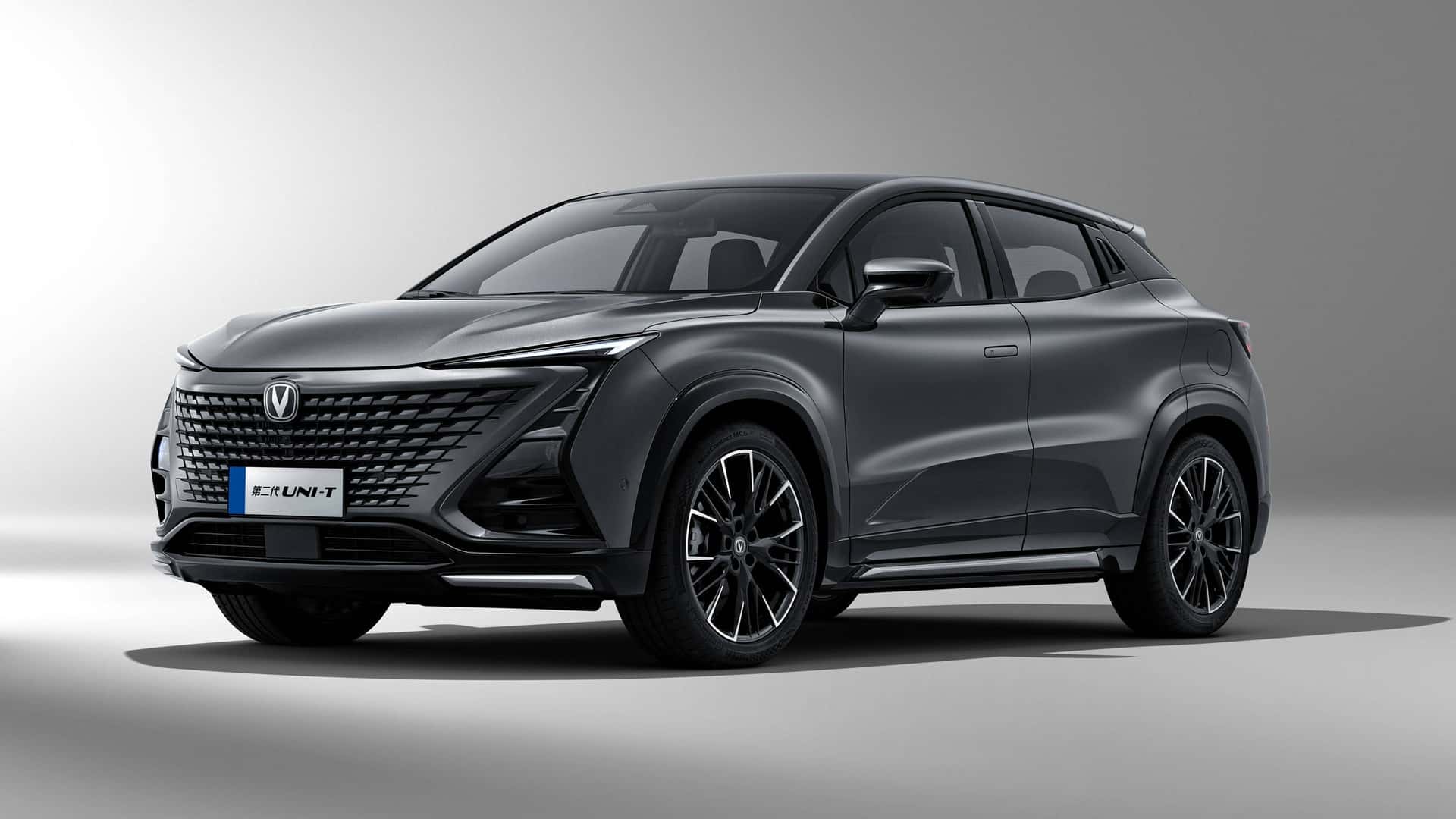
Changan: ‘new Chinese’ arrives in Brazil with 164 years of history and the medium SUV Uni-T
Maintaining combustion engines, mild hybrids, plug-in hybrids, and electric vehicles simultaneously requires investments that pressure profit margins, and simplification allows for concentrating engineering and production resources on fewer projects, reducing costs and increasing efficiency.
The 1.0 TSI, despite being efficient, occupies a power range that Volkswagen believes can be covered by the 1.5 TSI with calibration adjustments. Instead of maintaining two different engines for close power ranges, the brand prefers to have a single, more versatile block that serves from the 100 horsepower of the entry-level version to the 150 horsepower of the more equipped versions.
The logic is industrial: fewer different engines mean fewer production lines, fewer parts in stock, and less logistical complexity.
What is the 1.5 TSI and why it could replace the 1.0 TSI in Volkswagen
The 1.5 TSI is a four-cylinder engine that Volkswagen already uses in several European models. It features a Miller cycle, variable geometry turbo, and automatic cylinder deactivation, technologies that allow it to deliver varying power while maintaining competitive fuel consumption.
In the range that would replace the 1.0 TSI, it would deliver from 100 to 150 horsepower depending on the version, using different power mappings on the same block.
Volkswagen can configure the 1.5 TSI in versions of 116 and 130 horsepower to cover the range currently belonging to the 1.0 TSI. In the two higher power outputs, the four-cylinder engine will be associated with a HEV hybrid package that combines the combustion engine with an auxiliary electric motor.
This creates options of 136 and 170 horsepower with a hybrid label, which meets European emission requirements and positions Volkswagen competitively in a market that increasingly penalizes vehicles powered exclusively by combustion.
What changes for Volkswagen in Brazil with the end of the 1.0 TSI in Europe
In Brazil, the 1.0 TSI will not disappear overnight. The Volkswagen engine factory in São Carlos produces the engine locally and meets the demand of the Brazilian market, where it is essential to keep prices competitive in entry-level models.
But the arrival of the 1.5 TSI in the Brazilian portfolio is in the brand’s plans and could represent a significant evolution for vehicles that currently operate at the limit of what the three-cylinder engine can deliver.
Volkswagen may bring the 1.5 TSI to Brazil with configurations of 130 or 150 horsepower, associated with a HEV system that would deliver 136 or 170 combined horsepower. This combination would open possibilities for more powerful and efficient models without needing to resort to the 2.0 TSI, which is more expensive and positions vehicles in higher price ranges.
For the Brazilian consumer, the transition could mean Volkswagen cars with more power, better efficiency, and hybrid technology without the price jump that a larger engine usually implies.
The three engines that Volkswagen wants to keep in Europe and what each one does
Volkswagen’s strategy is clear in the division of functions. The 1.5 TSI will be the entry-level option, covering from 100 to 150 horsepower in combustion versions and up to 170 horsepower in hybrid versions.
It will serve models like Polo, Golf in entry-level versions, and T-Cross, replacing the current 1.0 TSI. With cylinder deactivation technologies and a Miller cycle, the engine promises low consumption even with a larger displacement.
The 2.0 TSI remains the option for those who need performance, ranging from 190 to 333 horsepower and equipping models with sporty aspirations like Golf GTI and R, Tiguan in higher versions, and other larger vehicles.
The 2.0 TDI diesel, which delivers from 116 to 193 horsepower and already meets Euro 7 standards, remains an option for those prioritizing torque and efficiency on long trips. Three engines to cover the entire Volkswagen range in Europe is a radical simplification for a brand that historically offered dozens of different combinations.
What Volkswagen’s decision reveals about the future of small engines
The possible discontinuation of the 1.0 TSI in Europe by Volkswagen is a sign that three-cylinder and small displacement engines may be losing ground in the global market.
The downsizing trend, which dominated the industry over the last decade and produced increasingly smaller and more turbocharged engines, is being reassessed as manufacturers realize that slightly larger engines, with technologies like hybridization and cylinder deactivation, can be as efficient as smaller ones and more enjoyable to drive.
For Volkswagen, the decision also reflects competitive pressure from Chinese brands, which offer electric and hybrid vehicles with superior performance at aggressive prices.
Simplifying the engine lineup frees up resources to invest in electrification and technologies that allow the brand to compete with BYD, NIO, and other manufacturers that are rapidly advancing in the European market. The 1.0 TSI may survive in Brazil for a few more years, but its era in Europe seems to be coming to an end.
Do you think Volkswagen should keep the 1.0 TSI in Brazil or bring the 1.5 TSI with hybrid technology soon? What weighs more in your purchasing decision: the lower price of the current engine or the superior technology of the replacement? Let us know in the comments. This debate about engines directly affects the price and efficiency of the next car you will buy.









Seja o primeiro a reagir!