





 Portuguese
  English
  Spanish
  6 min of reading
  0 comments



The nuclear submarine Álvaro Alberto, the central piece of Prosub and the most ambitious defense project in Brazil, is at risk of partial paralysis in 2026 if the Navy does not receive R$ 1 billion additional, an amount considered the minimum to avoid the interruption of critical works in Itaguaí and in Labgene, where the nuclear propulsion reactor is being developed.
The first nuclear submarine in Latin America is being built in Brazil and is at risk of stopping. The Brazilian Navy has requested an additional R$ 1 billion from the federal government for 2026, an amount it considers the minimum to avoid the partial paralysis of Prosub, the Submarine Development Program responsible for the construction of the nuclear submarine Álvaro Alberto. Without this reinforcement, critical areas of the project may be suspended, compromising highly specialized teams and infrastructure that took decades to build.
According to information from Revista Fórum, the scenario is the result of years of irregular transfers. The original delivery forecast for the nuclear submarine was 2029, but now the date has been pushed to 2037, a direct reflection of budgetary constraints. Since 2008, Prosub has moved around R$ 40 billion in the sum of all its projects, but receives about R$ 2 billion annually when R$ 3 billion to R$ 4 billion would be needed to maintain the schedule. In December 2025, an “emergency aid” of R$ 1 billion prevented the cancellation of contracts with the French group Naval Group. Now, the Navy warns that the remaining money, about R$ 890 million, is not enough to meet the commitments for the year.
What is the nuclear submarine Álvaro Alberto and why is it strategic for Brazil

The nuclear submarine Álvaro Alberto (SN-BR) is the most ambitious project in the history of the Brazilian Navy. Unlike the four conventional submarines already delivered by Prosub—Riachuelo, Humaitá, Tonelero, and Almirante Karam—the nuclear model allows for long periods of submerged operation, greater speed, and virtually unlimited autonomy.
-
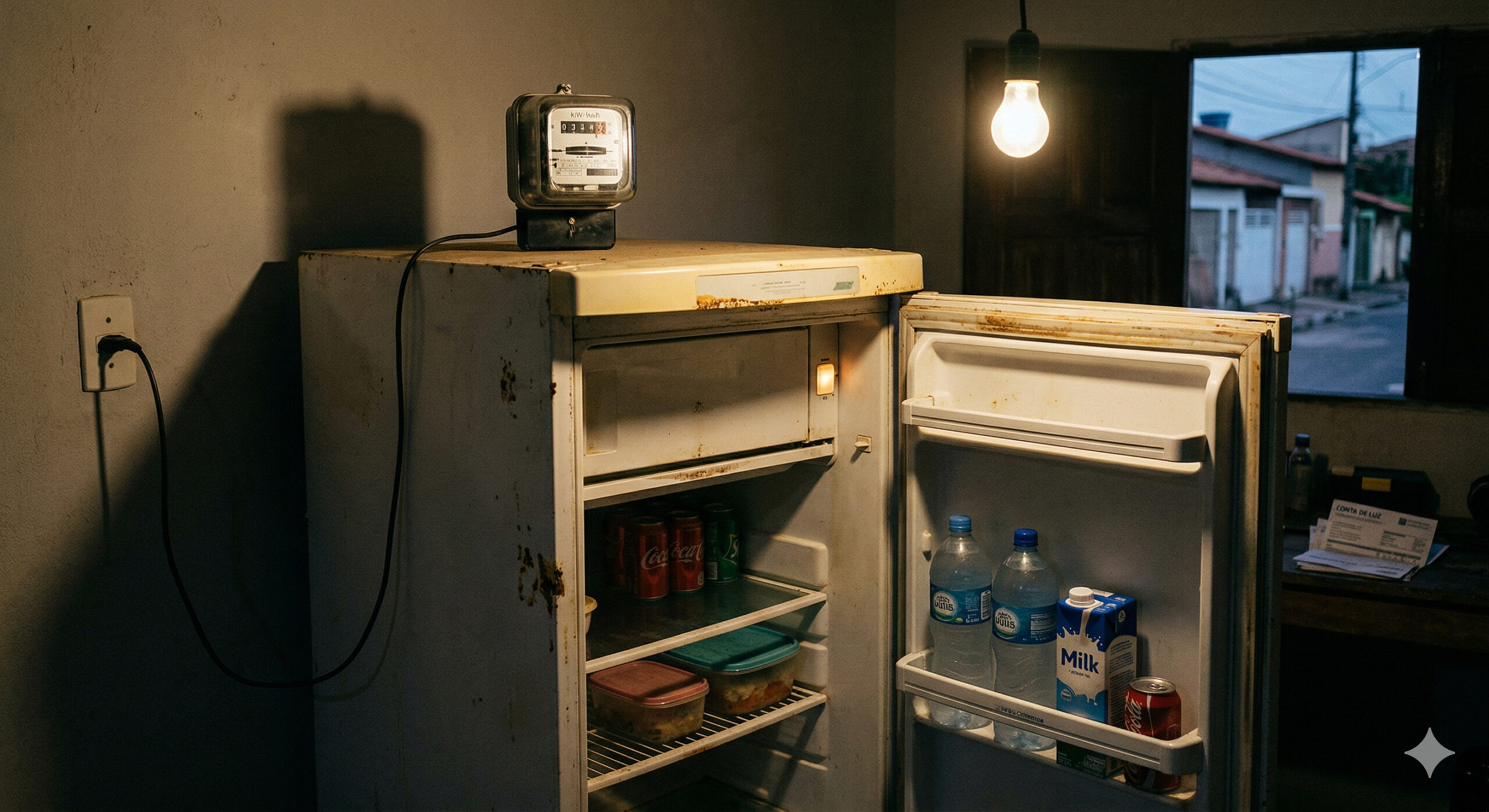
The most expensive appliance in your home is not in the kitchen or the bathroom, it runs 24 hours a day to cool a few items and can cost more per month than the value of everything it stores, while a single replacement eliminates the consumption equivalent to a shower running for 30 minutes daily.
-
Beneath 25 km of ice, a moon of Jupiter hides an ocean with more water than all the seas on Earth and may have the necessary conditions to support life, according to studies supported by NASA.

-
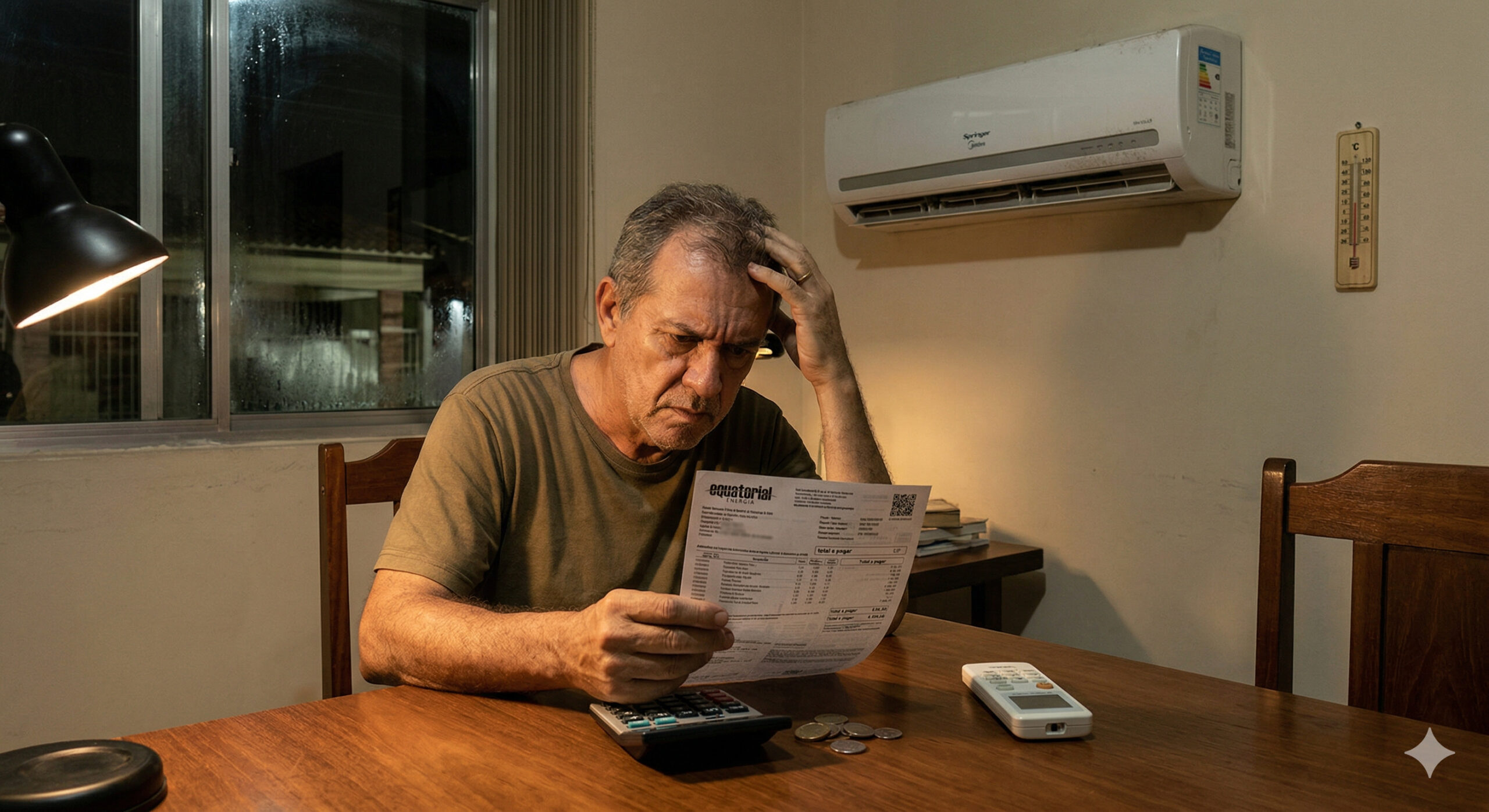
The appliance that should cool your home may be driving up your electricity bill when installed with the wrong power, forcing the device to work harder and consume much more than necessary.
-
Airbnb now offers private car service to pick you up at the airport in 125 cities around the world with a fixed price and no extra fees: the platform aims to become a complete hotel within your smartphone.


The vessel can also produce oxygen and potable water on board, reducing the need to surface and increasing its capacity to patrol strategic areas of the Brazilian coast.
The nuclear submarine will not carry nuclear weapons; it is conventionally armed but with nuclear propulsion. Its arsenal will include heavy torpedoes like the Franco-Brazilian F21 Artemis, Exocet SM39 anti-ship missiles, and naval mines.

The nuclear submarine project is considered a central piece of the strategy of denying the use of the sea, a military concept aimed at preventing superior forces from using crucial maritime areas for Brazil, including the so-called Blue Amazon, an extensive maritime area with reserves of oil, minerals, and fishery resources.
The request for R$ 1 billion from the Navy and the real risk of paralysis of the nuclear submarine
The request for an additional R$ 1 billion made by the Navy for 2026 has not yet been fully met. From the remaining Prosub budget, approximately R$ 890 million remains, an amount that the Navy considers insufficient to meet the commitments for the year.
The risk falls on two critical areas: Labgene (Nuclear-Electric Generation Laboratory) in Iperó (SP), where the prototype of the nuclear reactor is being built; and the Naval Complex of Itaguaí (RJ), where the submarines are assembled and operated.
Navy representatives warn that there is a real risk of interruption of essential activities in the development of the nuclear submarine. In addition to the impact on the works, the concern includes the loss of highly specialized labor: engineers, technicians, and nuclear physicists working on the project may migrate to the offshore sector if there are payment delays. The recomposition of this human capital would take years.
Admiral Alexandre Rabello de Faria, responsible for the program, stated in interviews that he does not see the possibility of the nuclear submarine project being completely paralyzed, but acknowledges that it can be considerably delayed due to the irregularity of annual contributions. For him, the sustainable level of investment should be between R$ 3 billion and R$ 4 billion per year—double what Prosub has been receiving.
From 2029 to 2037: how the lack of money pushed the nuclear submarine eight years forward
When Prosub was created in 2008, the forecast was that the nuclear submarine would be ready by 2029. Seventeen years later, the delivery date has been pushed to 2037—an eight-year delay primarily caused by the discontinuity in funding transfers.
The investment model of the program is continuous, with funding approved annually by Congress, but the budgetary dynamics create a chronic gap between what the works need and what they receive.
Since 2008, it is estimated that Prosub has moved around R$ 40 billion in the sum of all its projects—the four conventional submarines and the nuclear submarine under development.
Annually, the program receives about R$ 2 billion; to maintain the original schedule, between R$ 3 billion and R$ 4 billion would be needed. The difference accumulates each year and explains the progressive slippage of the delivery deadline.
In December 2025, a supplementary credit of R$ 1 billion was approved as “emergency aid” to avoid the rupture of contracts with Naval Group, the French partner in technology transfer.
The debate on governance: why the Navy wants other ministries involved in the nuclear submarine
The discussion about funding has reignited within the Navy itself a debate about the governance of Prosub.
Commanders argue that the nuclear submarine program should involve participation from different areas of government, such as the Ministries of Mines and Energy, Science and Technology, and Industry and Commerce, reducing the exclusive dependence on the Defense budget, which faces internal competition among the projects of the three Armed Forces.
For Navy officers, this change would better reflect the strategic nature of the nuclear submarine, which involves not only security but also technological development and mastery of the nuclear fuel cycle—a effort that began in the 1970s.
In military assessment, the current structure makes the funding of the nuclear submarine more vulnerable to contingencies and fiscal fluctuations, which explains the eight years of accumulated delay.
Prosub is primarily funded by the General Budget of the Union, via the Ministry of Defense, and can receive extraordinary credit lines, but these have been insufficient to maintain the necessary pace.
The Brazilian nuclear submarine: between strategic ambition and budgetary reality
Brazil is building the first nuclear submarine in Latin America—a project that took decades of research, involved a partnership with France, generated four already operational conventional submarines, and placed the country in the select group of nations that master naval nuclear propulsion.
But the distance between ambition and reality is measured in billions of reais that do not arrive on time. The Navy warns that the schedule is slipping, and the nuclear submarine that was supposed to be ready in 2029 is now aiming for 2037 if the money does not run out again.
The project is monitored by the International Atomic Energy Agency and follows the standards of the Non-Proliferation Treaty. It is not a nuclear weapon; it is a tool for defense and sovereignty over the Blue Amazon.
The question that remains is whether Brazil will finance what it started or let R$ 40 billion invested over nearly two decades be lost in bureaucratic slowness.
Do you think Brazil should prioritize investment in the nuclear submarine even in times of fiscal tightening, or should the money go to other areas? And what do you think about a defense project that has already been delayed eight years due to lack of funds? Leave your opinion in the comments.





Seja o primeiro a reagir!