





 Portuguese
  English
  Spanish
  3 min of reading
  0 comments



The war in Iran and the rise in fuel prices reignite the discussion about electric cars in Europe, with Germany showing a slight growth in the sales of these vehicles. However, the market is still dominated by internal combustion cars, and the complete transition remains a challenge, driven by economic and political factors.
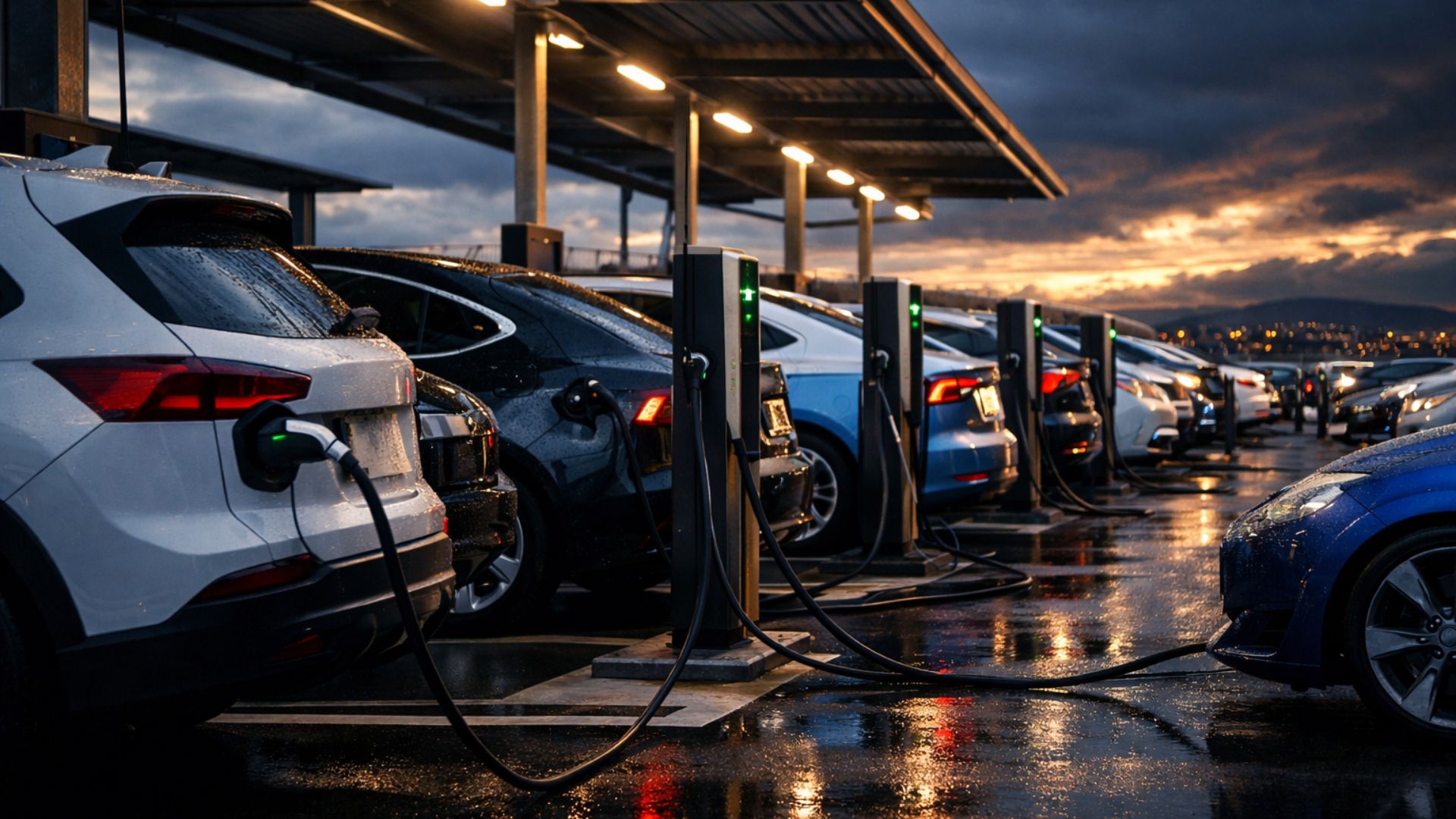
The growing uncertainty about the supply of fossil fuels and the rise in their prices, especially in Europe, has reignited the debate about electric cars.
With gasoline and diesel surpassing two euros per liter in several countries, the pressure on consumers who still depend on combustion-powered vehicles has increased. This situation has generated renewed interest in electric cars, despite economic and geopolitical challenges.
The gradual growth of electric cars in Germany
In the past year, the electric car market in Germany began to recover after a period of difficulties.
-
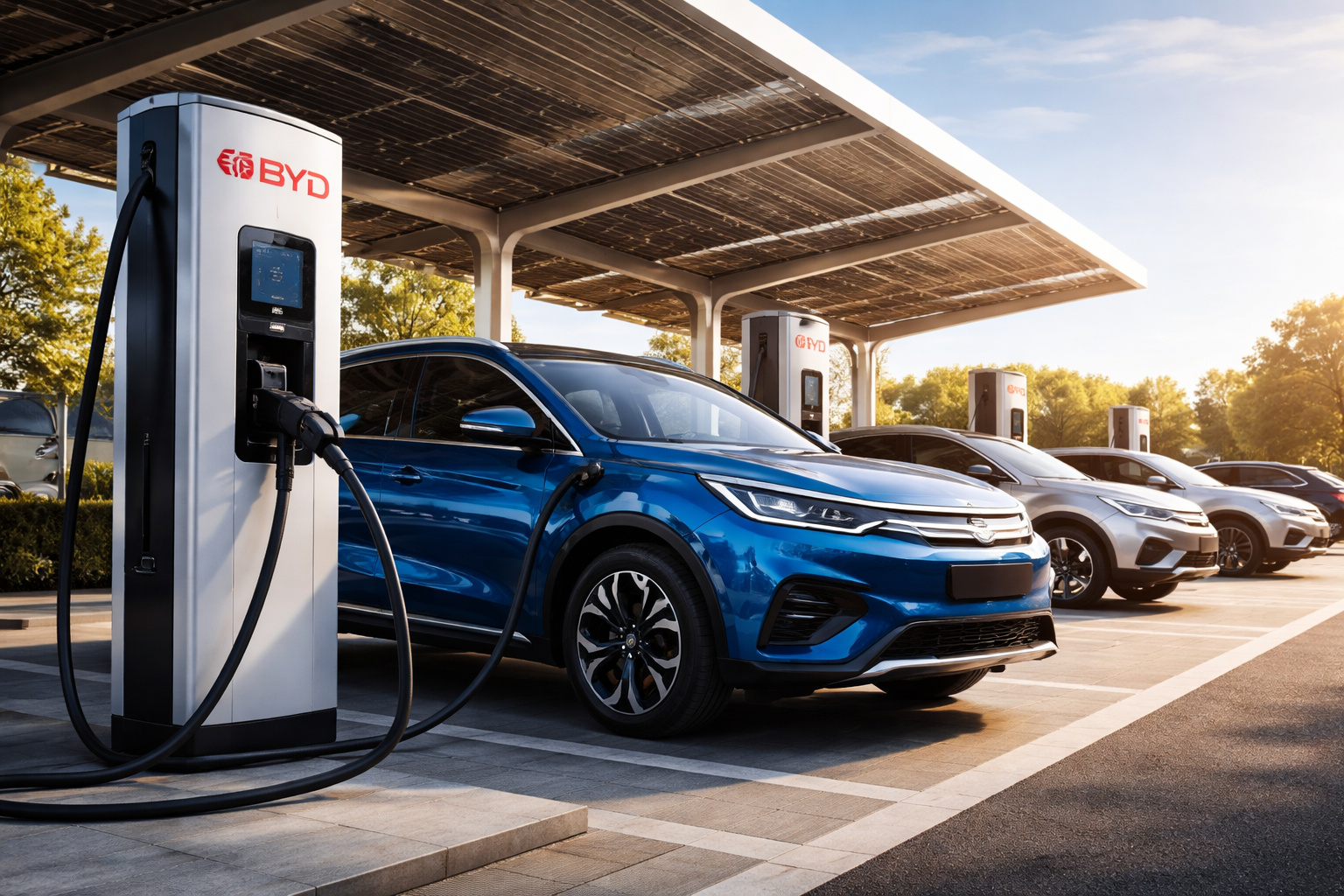
Largest public charging network in Brazil: BYD reaches 125 fast chargers and accelerates national expansion of electric mobility.
-
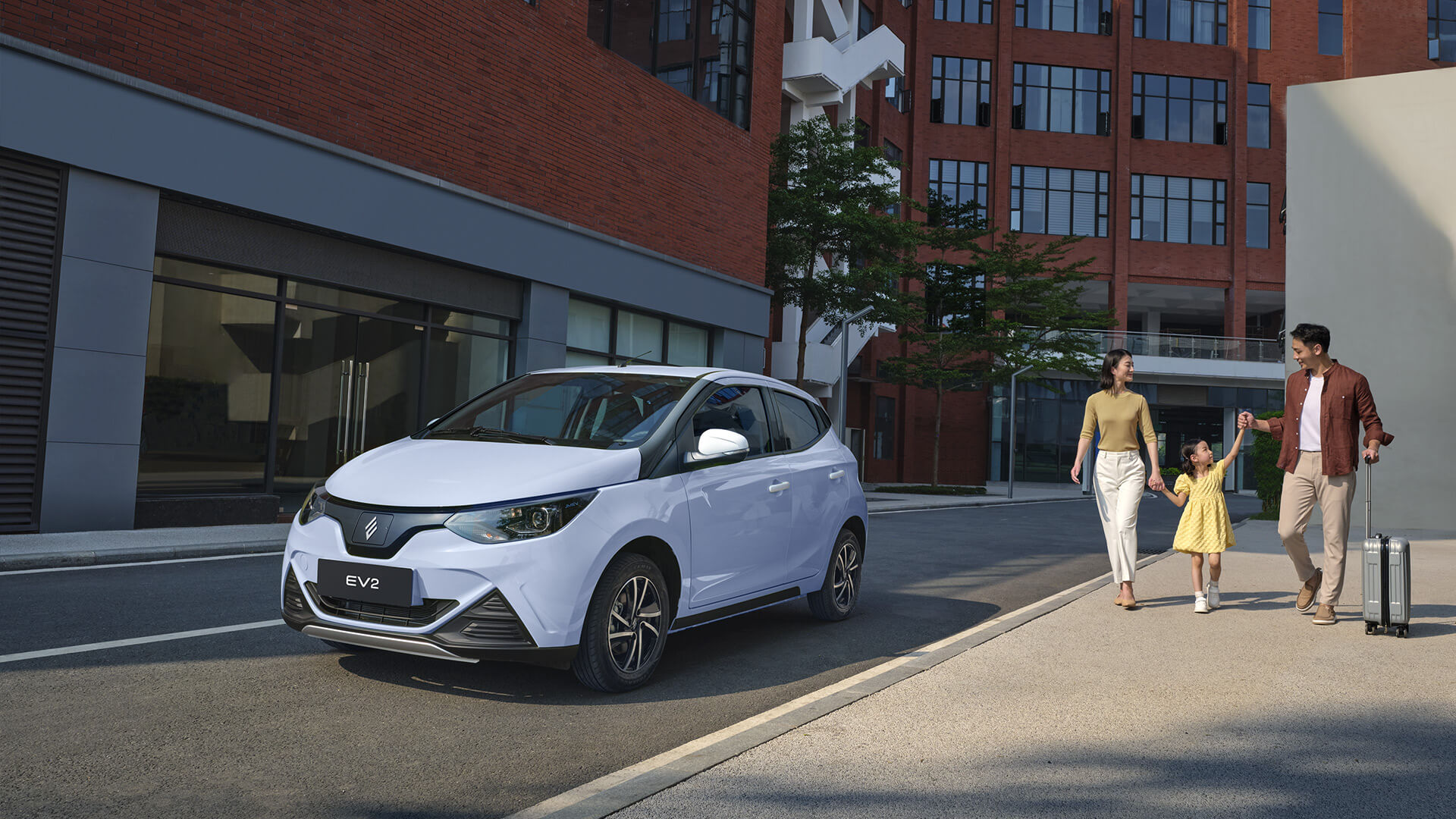
Goodbye expensive popular car: electric vehicle for less than R$ 70,000 starts being sold in Brazil with a range of 200 km and targets those looking to escape gasoline.
-
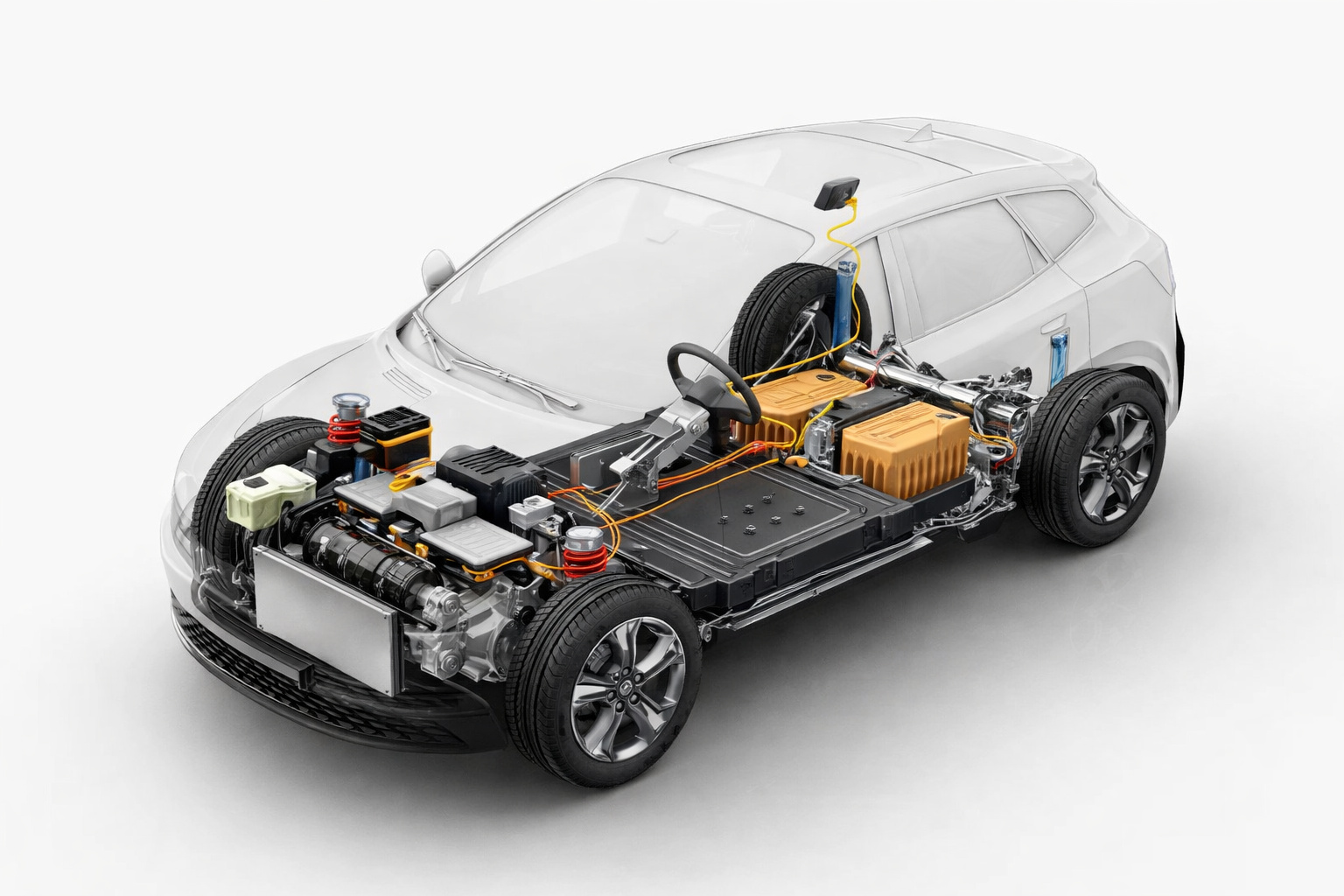
China Surprises Automotive Industry With Battery That Promises Electric Car Able to Run Up to 1,000 km Without Recharge
-
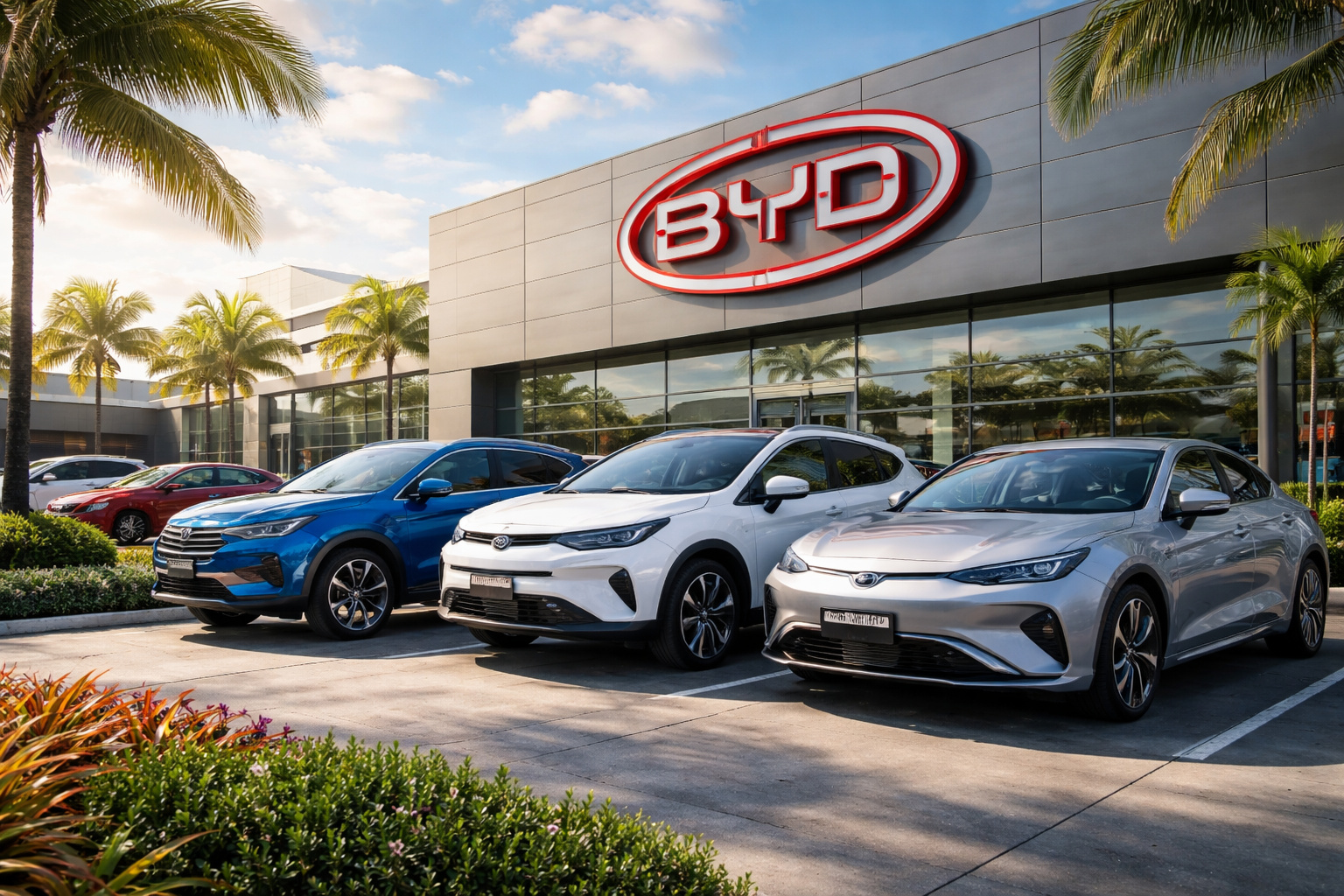
Why BYD Grew So Fast in Brazil and How Blade Batteries, Electric Cars, and Industrial Incentives Shaped This Expansion in the National Automotive Sector

Economist Wolf-Peter Schill from the German Institute for Economic Research highlights that, despite a slight growth in electric vehicle sales, the numbers still indicate that combustion engines dominate the market.
In 2022, electric cars accounted for 19% of new vehicle registrations, which is still a small share compared to the total number of vehicles sold. This reflects the fact that, despite progress, combustion-powered vehicles still largely dominate the streets.
The transition is far from complete
Despite the gradual recovery in sales, electric cars still represent only about 4% of the entire vehicle fleet in Germany.
This reflects a long way to go for a true transition to electric mobility. Schill argues that, although the electrification of transport is positive, it is not progressing as quickly as necessary.
The slow growth is evidence that financial incentives, charging infrastructure, and public policies are still not sufficient to accelerate the process.
Regulatory challenges and impact on the future
Another important point that Schill addresses is the potential regulatory uncertainty in Europe. With the debate about the planned end of combustion engines set for 2035, the expert believes that delays in this transition could harm important investments in charging infrastructure and battery manufacturing.
Furthermore, he warns that these uncertainties could have negative impacts on the electric car market, especially if the timeline is weakened by political or economic interests.
Schill also points out that the current geopolitical situation, including the conflict in Iran, could impact electricity prices in Germany, although in a milder way compared to fossil fuels. This raises a new challenge, as for the transition to electric cars to be successful, the costs associated with charging vehicles must remain low and predictable.
Prospects for the future of electric mobility
The transition to electric mobility in Europe remains a central theme in public debate, especially in light of rising fuel prices and the uncertainty generated by the war in Iran.
Schill’s central message is clear: although electric cars offer clear climate advantages over combustion-powered vehicles, the transition is being hampered by the slow progress and contradictory messages coming from politicians and industry leaders.
The current scenario demands clear and consistent political decisions that encourage the transition to electric mobility without delays, ensuring that Europe does not lose its leadership in the race for sustainable innovation.
With fuel prices directly affecting consumers’ wallets, and with the prospect of cleaner and more efficient mobility, the pressure to accelerate the transition to electric cars is becoming increasingly greater.
This article was based on information from the German Institute for Economic Research and statements from Wolf-Peter Schill about the transition to electric cars in Europe.








Seja o primeiro a reagir!