





 Portuguese
  English
  Spanish
  6 min of reading
  0 comments


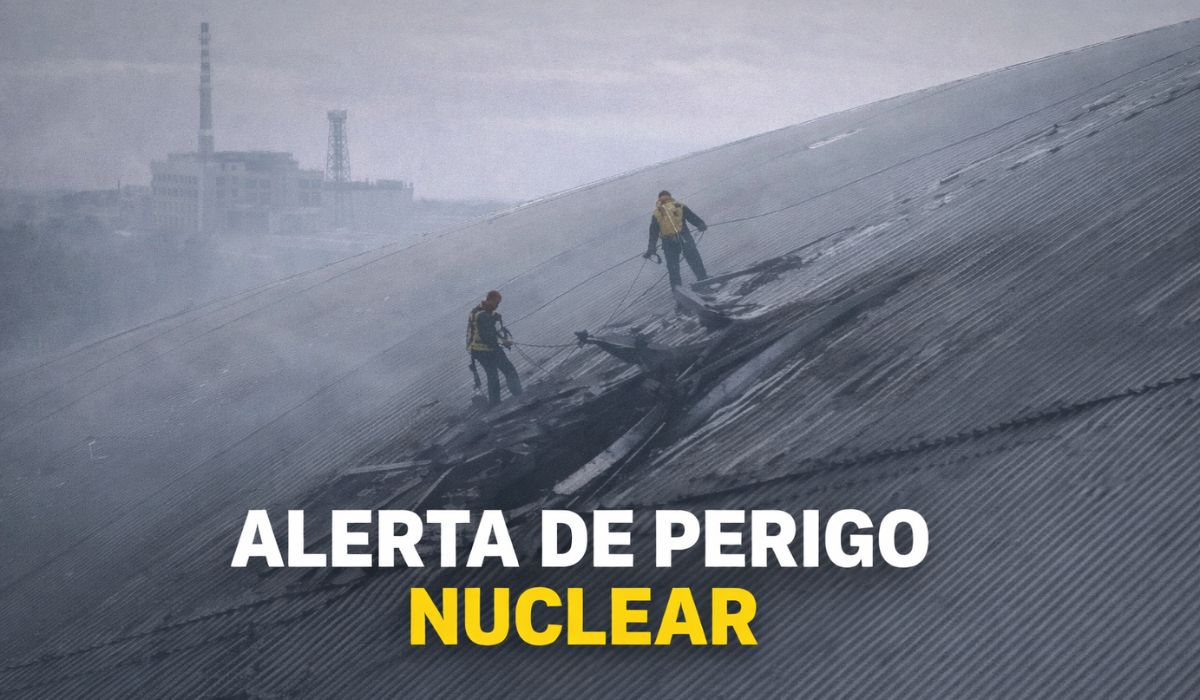
A structure designed to contain one of the most dangerous legacies of the 20th century returned to the spotlight after damage that exposed technical, financial, and operational weaknesses in an area surrounded by risks and international surveillance.
The drone attack on the structure covering reactor 4 of Chernobyl on February 14, 2025, opened a rupture in the New Safe Confinement, the metal arch installed to isolate the most contaminated area of the former plant.
There was no release of radioactive material nor reports of casualties, according to the International Atomic Energy Agency (IAEA), but the impact compromised the containment function of the cover and led to discussions about a large-scale repair, now estimated at at least 500 million euros.
The preliminary assessment was supported by the European Bank for Reconstruction and Development (EBRD), which coordinates part of the international response for the recovery of the structure.
-
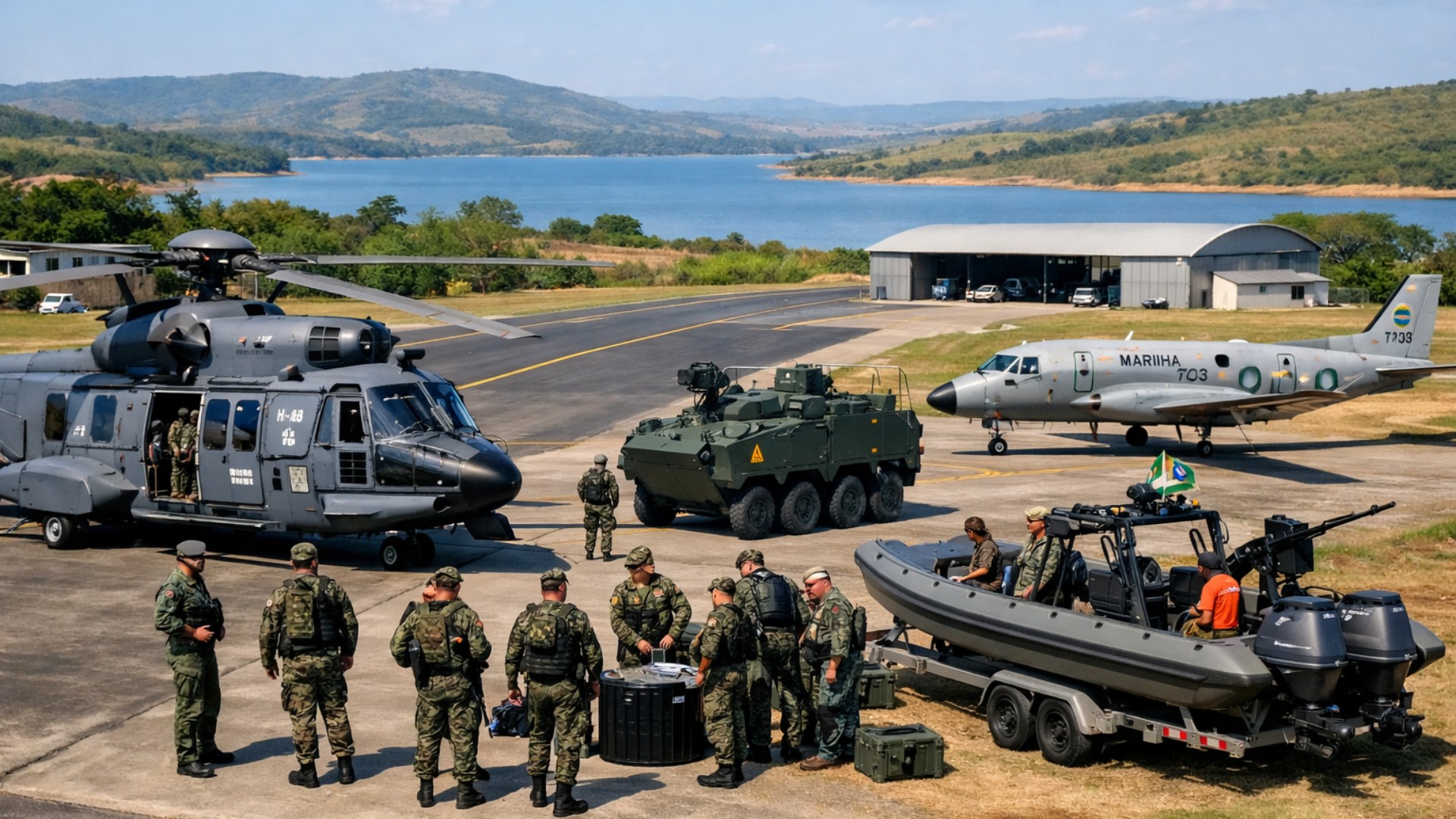
Brazilian Navy reaches a new level by taking over an airport with a 1,600-meter runway used by 1,800 military personnel and autonomous attack drone testing.
-
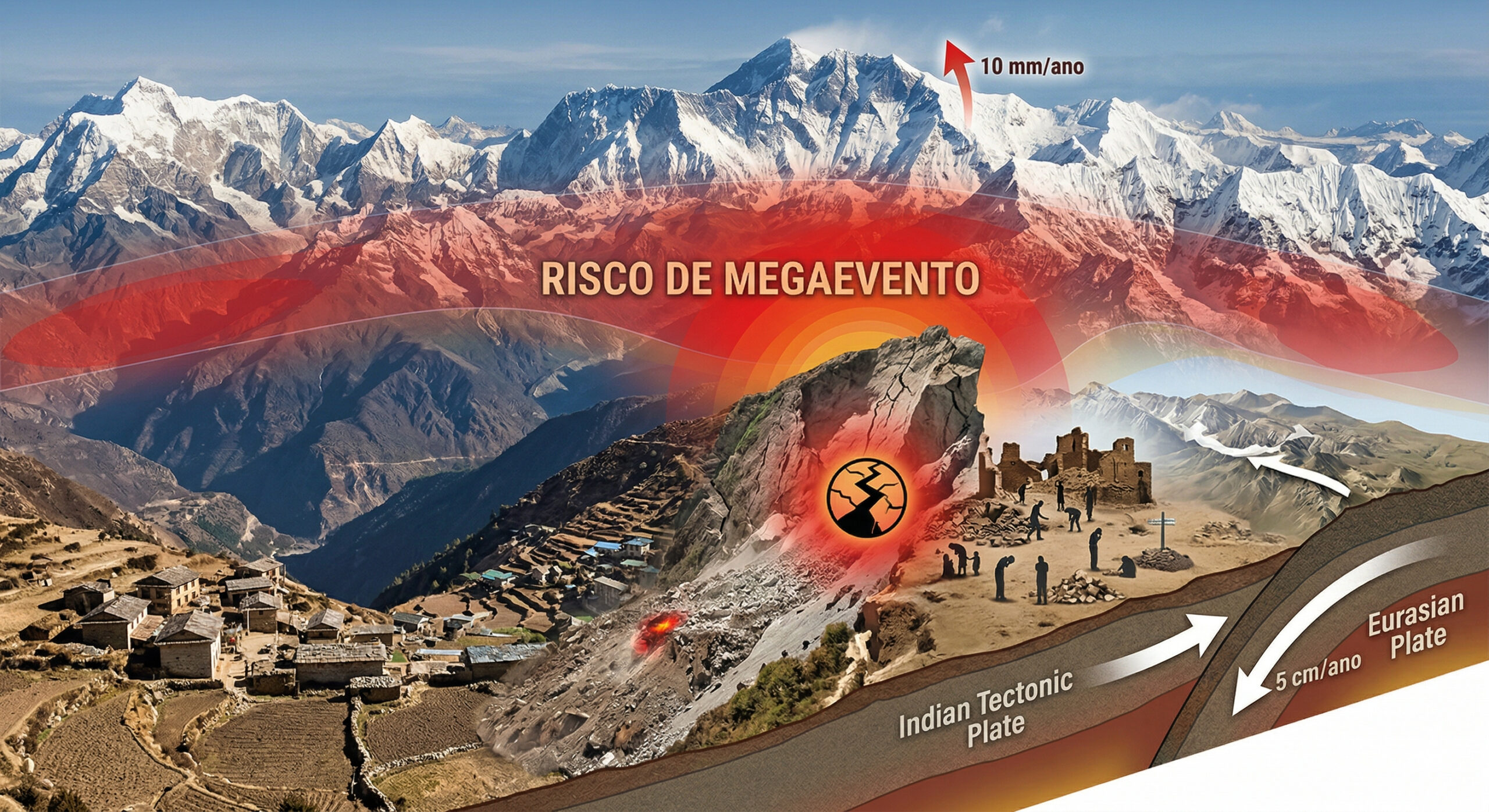
The Himalayas continue to grow to this day, with tectonic plates advancing 5 cm per year, mountains rising up to 10 mm annually, and the 2015 earthquake that killed 9,000 people may have increased the risk of an even larger seismic mega-event.
-
At an altitude of 400 km by astronauts from the International Space Station, Paris transforms at night into a golden mesh so precise that it reveals the outline of the Seine River, avenues, and entire neighborhoods like a luminous map drawn over the Earth.

-
iPhone 17 reaches historic low price with 256 GB, 120 Hz display, and drops to R$ 5,703 on Shopee, featuring A19 chip, dual 48 MP cameras, battery life of up to 30 hours, and advanced AI features.


How the structure covering reactor 4 of Chernobyl works
The cover was designed to envelop the old “sarcophagus” erected after the 1986 explosion and create conditions for the gradual dismantling of the original structure.
In practice, the system aimed to keep the site isolated for about a hundred years, limit water entry, control pressure and humidity inside, and allow, over time, the conduction of technical work under safer conditions.
According to the IAEA, the impact of the drone hit the top of the arch, 87 meters above the ground.
The explosion pierced the outer and inner layers of the cladding, damaged systems in the affected area, and opened a hole of approximately six meters in diameter.

The fire spread through the material between the plates, and emergency teams had to open more than 150 additional points in the cover to combat hotspots that persisted for several days.
What changed after the attack on the Chernobyl dome
Although the sensors did not indicate an abnormal increase in radiation, the problem ceased to be localized.
The IAEA reported that the incident affected the controlled environmental conditions that the structure was supposed to guarantee, such as pressure and humidity, factors considered relevant for the long-term preservation of the set.
As a result, the main concern became the gradual loss of performance of a system designed to reduce risks that have existed since the 1986 accident.
Under the metal arch remains the core of the problem.
The destroyed reactor remains covered by the emergency shelter built after the accident, a structure that, from the beginning, was viewed as temporary and relies on external protection to maintain a minimum degree of stability.
The New Safe Confinement did not eliminate the nuclear liability of Chernobyl.
Its function is to contain the dispersion of particles, reduce exposure to the elements, and allow technical work that should extend for decades.
When this barrier is damaged, the concern shifts to the loss of efficiency of the system and the risks associated with unstable internal structures.
In a subsequent assessment, the IAEA noted that the chance of release of radioactive material increases in the event of collapse of already compromised parts under the affected shelter.

Repair in Chernobyl could cost 500 million euros
The financial dimension of the repair helps to gauge the complexity of the operation.
In April 2026, the EBRD reported that preliminary assessments made by companies linked to the original project indicated a minimum cost of 500 million euros to restore the full functionality of the structure by 2030.
The same analysis indicated that the corrosion of the steel arch poses a threat to the long-term safety of the confinement.
As an initial measure, donors approved the release of 30 million euros to consolidate data, deepen studies, and develop the technical concepts of the repair before defining the main work.
The challenge is not limited to the cost.
The execution of the work involves strict radiological safety restrictions, regulatory requirements, and complex logistics in a facility that remains under international monitoring.
Moreover, the damaged areas do not correspond to a common cover.
The confinement of Chernobyl combines different layers and components aimed at sealing, ventilation, mechanical resistance, and operation of equipment planned for the future decommissioning of the site.
In this context, reconstruction requires phased planning and compatibility with the rules of the Ukrainian nuclear regulator, according to the plan presented by the EBRD.
The need to recover the original functions of the system also depends on additional studies on the degree of damage to internal parts of the structure, not all of which are quickly accessible due to limitations imposed by the contaminated area.
War in Ukraine increases risk to nuclear infrastructure
The war has increased the exposure of a facility that, in theory, should remain isolated from external threats.
The IAEA team based in Chernobyl recorded, throughout 2025, different episodes of drone activity in the exclusion zone, including after the February attack.
In March of that year, the mission reported new drone presence near the site.
By May, the agency again reported the observation of devices within the exclusion zone.
These records reinforced, in the assessment of the international body, the concern for the physical security of nuclear facilities in areas affected by armed conflict.
Even though Chernobyl no longer operates as an active plant, the presence of radioactive material and containment structures makes any damage to the facility a nuclear safety issue with potential international repercussions.
Versions of the attack and impact on nuclear safety
When the attack occurred, the Ukrainian government stated that the Russian drone had caused significant damage to the shelter.
Moscow rejected this version and classified the episode as provocation.
The IAEA, in turn, focused its communications on the observed effects on nuclear safety: confirmed the fire, the rupture in the outer cladding, the internal damages, and the absence of an increase in radiation levels measured at the site.
Months later, a broader assessment concluded that the structure lost central safety functions, although the supporting elements and monitoring systems did not suffer permanent damage.
This diagnosis repositioned the Chernobyl case at the center of the international agenda related to the protection of nuclear infrastructure in times of war.
The new safe confinement and the long-term challenge
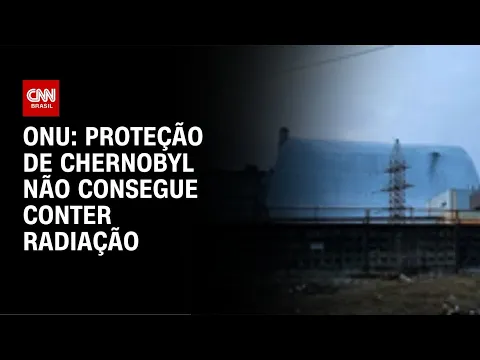

The metal arch cost around 1.5 billion euros, was financed by dozens of international donors, and was brought to its final position to replace the emergency solution inherited from the Soviet period.
The project was treated as the main physical barrier to reduce the exposure of the destroyed reactor to the external environment and create conditions for the long-term management of the site.
Now, the need to rebuild part of this system highlights the limits of technical protection when the infrastructure begins to operate under risks for which it was not designed.
Without causing an immediate radiological emergency, the attack transformed the cover of reactor 4 into a large-scale structural problem, with timelines, costs, and technical complexity still under evaluation by the responsible institutions.






Seja o primeiro a reagir!