





 Portuguese
  English
  Spanish
  6 min of reading
  0 comments


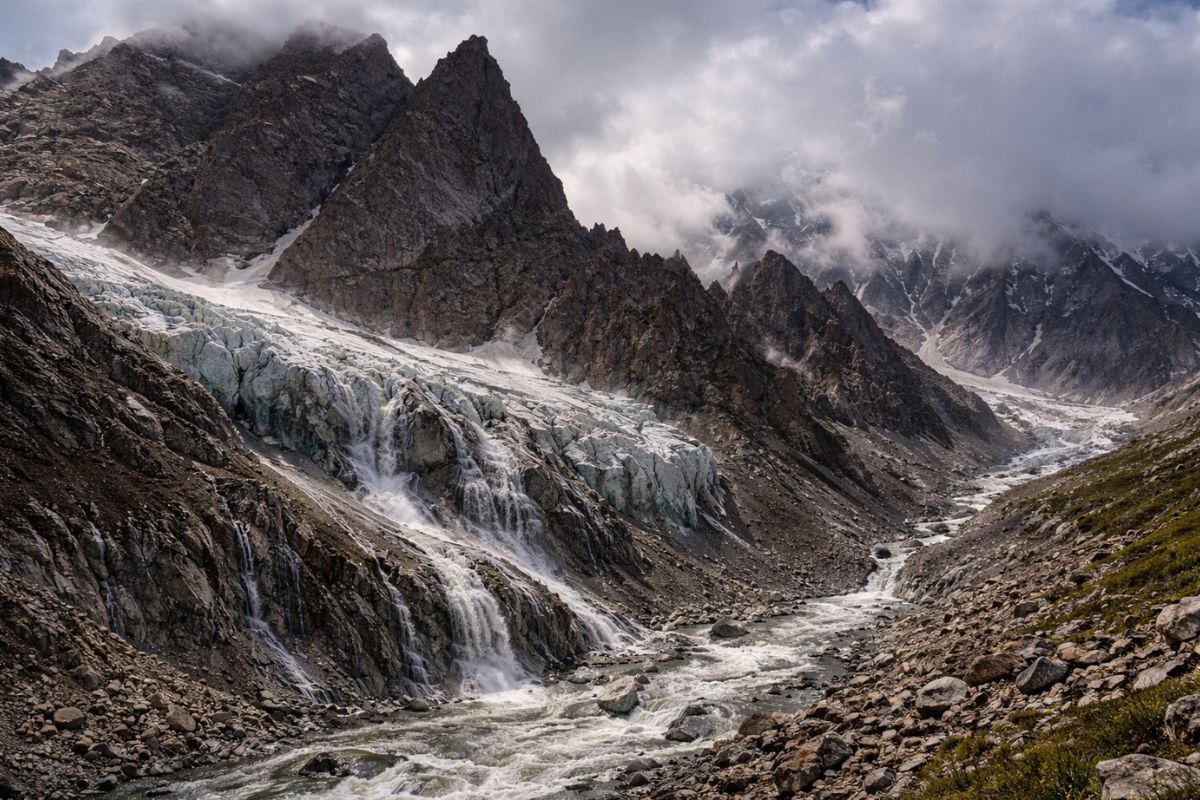
Study published in IEEE Xplore reveals that the melting of the Himalayan glaciers is driven by the combination of global warming and increasingly erratic monsoons, putting the water security of entire nations in India, Nepal, and Bangladesh at risk.
The glaciers that cover the peaks of the Himalayas have always functioned as natural reservoirs for hundreds of millions of people. Now, a growing body of scientific evidence shows that these immense ice masses are shrinking at a rate that defies the most pessimistic projections. A recent study published in IEEE Xplore used advanced modeling of glacial dynamics to demonstrate that the retreat of glaciers in the region is driven by a combination of factors that goes far beyond simple temperature increases.
What makes the situation even more alarming is the discovery that the monsoons—the main rainfall cycle that feeds South Asia—are becoming unpredictable. Changes in the timing, intensity, and duration of these seasonal rains accelerate melting in a way that previous models failed to capture. For communities in India, Nepal, and Bangladesh, the direct consequence is a water security crisis that threatens the supply of drinking water, agricultural irrigation, and hydropower generation.
Why are the Himalayan glaciers so vulnerable to monsoons
The relationship between glaciers and monsoons in the Himalayas is different from anything observed in other mountain ranges around the planet. In most glacial regions of the world, air temperature is the main driver of melting.
-
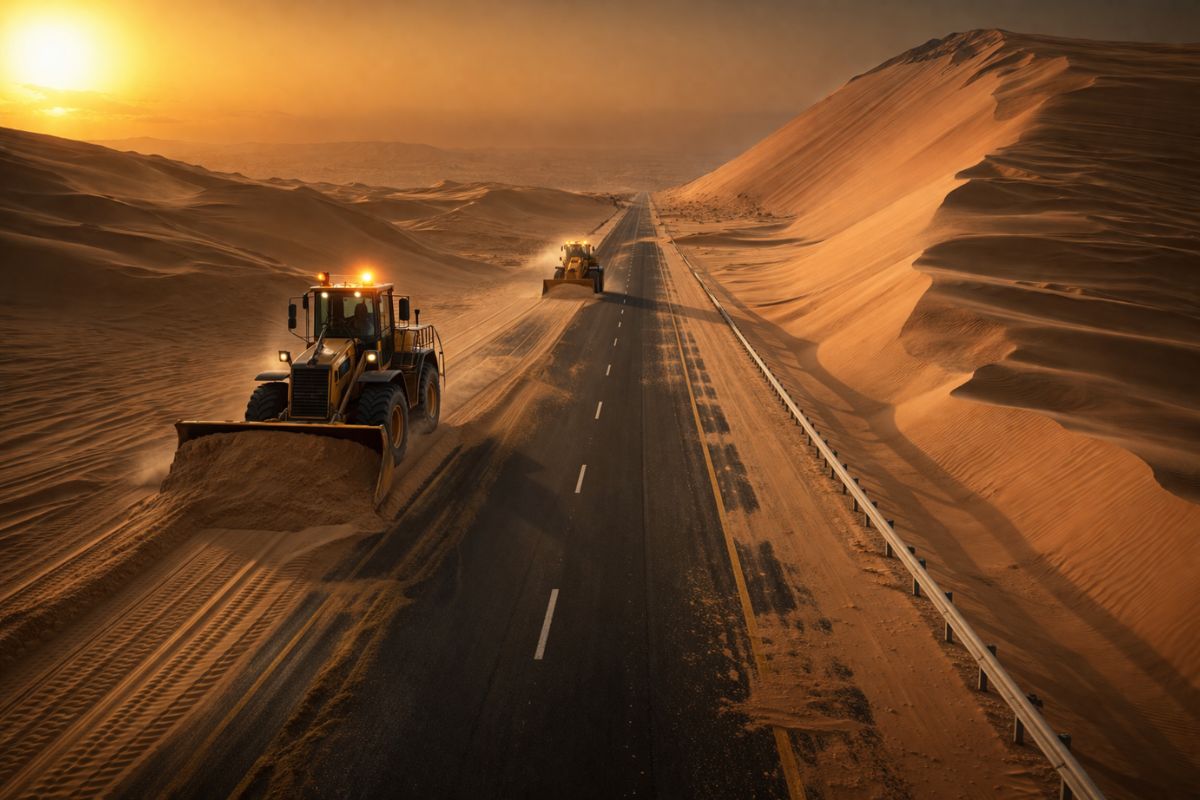
Every day, before the sun rises, tractors go out to clear a road that the desert tries to swallow throughout the night, because in the United Arab Emirates there is a highway that cuts through the largest continuous sand sea on the planet, passing alongside dunes 300 meters high and melting the soles of any shoe that touches the asphalt in the summer.
-
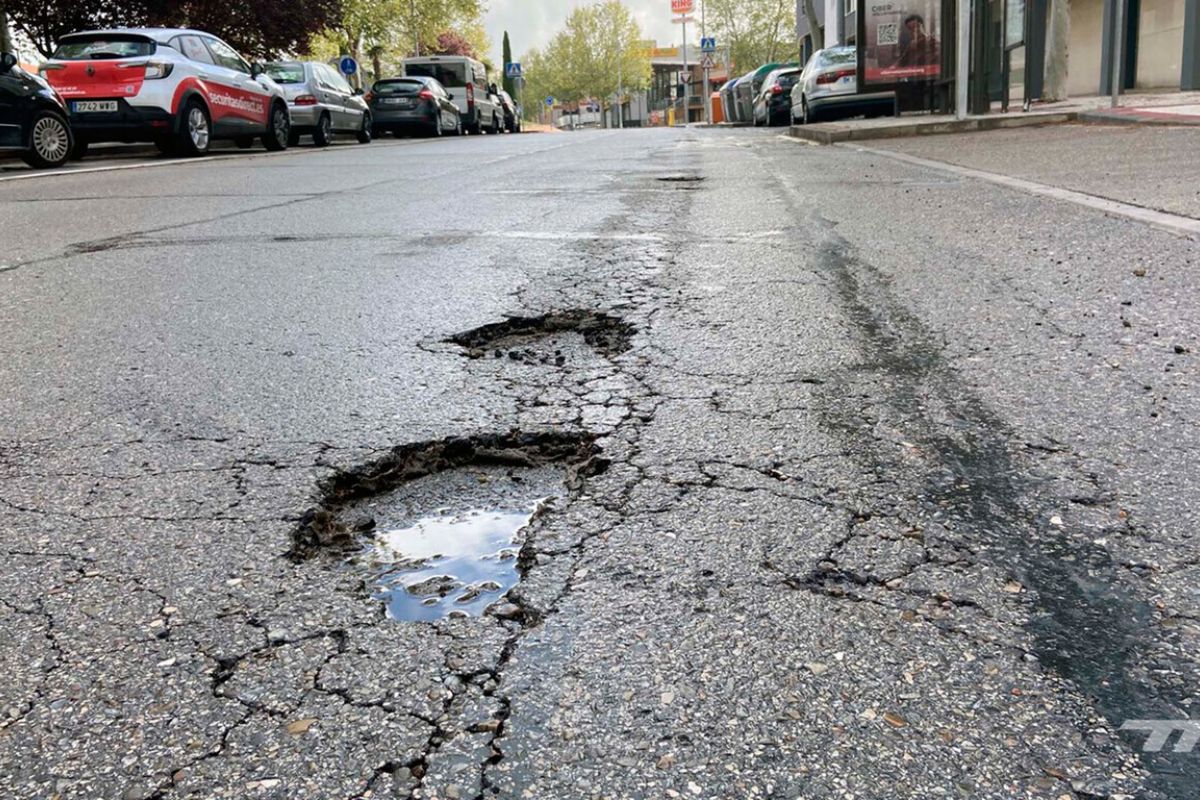
In León, potholes become craters and burst tires and suspensions, but the city hall blames the drivers, saying that the road was marked and that at 30 km/h it was possible to swerve, and they only cover at most half of the repair costs.
-
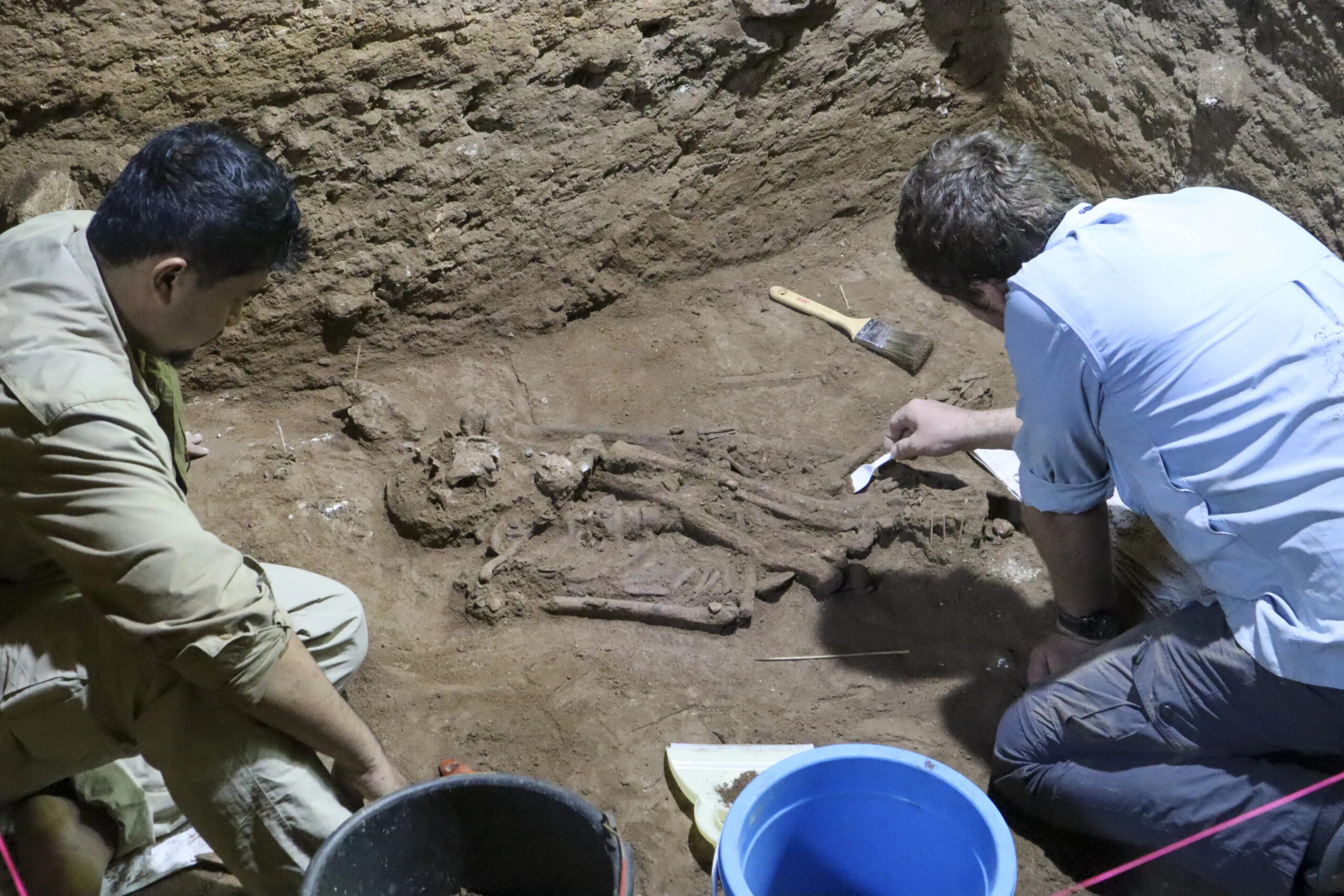
31,000 years ago, humans were already performing complex amputations with surgical precision without antibiotics, modern anesthesia, or a sterilized environment, and they made patients survive for years, as evidenced by the skeleton found in Borneo that rewrites the history of medicine on the planet.
-
A fragment of moss the size of a grain of sand helped the FBI uncover a shocking tomb raiding scandal in the U.S. and exposed a scheme that lasted for years in Chicago.

In the Himalayas, however, the glaciers dominated by the South Asian monsoons are exceptionally sensitive to variations in precipitation patterns. Small changes in the timing or intensity of seasonal rains can destabilize entire layers of ice and accelerate retreat disproportionately.
Sonam Sherpa, assistant professor at the University of Utah and lead author of the study, highlighted that the glaciers of Central, Western, and Eastern Himalayas are among the most vulnerable on the planet. “These glaciers are especially sensitive because they depend on both temperature and rainfall regime to remain stable,” explained the researcher.
The interaction between atmospheric warming and increasingly erratic monsoon cycles creates a cascading effect that causes ice to retreat more rapidly than any long-term forecast had estimated. Traditional climate models, by treating temperature and precipitation as independent variables, systematically underestimated the speed of the process.
Melting of glaciers and the risk to the water security of millions

, above) and the respective WPS (below) from 1949 to 2019. (
IEEE Xplore)
The impact of the retreat of the Himalayan glaciers is not abstract or distant. It is already manifesting in the watersheds that supply some of the most populous regions on the planet.
Communities in India, Nepal, Bhutan, and Bangladesh directly depend on the flow of water that descends from these frozen reserves to ensure three pillars of daily survival: drinking water, irrigation for agriculture, and hydropower. As the glaciers shrink, the volume of water feeding these rivers progressively decreases and, in many cases, becomes irreversible.
Sonam Sherpa’s warning is direct: if the timing and intensity of the monsoons continue to change, the loss of ice will accelerate and the availability of water for millions of people downstream will be under concrete threat. With melting being gradually replaced by irregular rains, traditional agricultural calendars lose predictability.
Crops that once relied on a stable flow of irrigation now depend on erratic precipitation, leading to unpredictable harvests, economic instability, and greater vulnerability during dry seasons. The glaciers, which for millennia functioned as natural regulators of the water cycle, are losing this capacity.
Rivers that depend on glaciers will change behavior
One of the most concerning conclusions of the study is that the very functioning of glaciers-fed rivers is about to change structurally. Susanna Werth, assistant professor at Virginia Tech and co-author of the research, explained that the accelerated retreat of mountain glaciers will transform rivers previously supplied by constant melting into watercourses dependent solely on precipitation.
This transition means that the same rivers that today provide a relatively predictable flow may begin to oscillate between severe droughts and sudden floods.
This change in the hydrological regime does not only affect those living along the riverbanks. All the infrastructure built over decades—dams, hydropower plants, irrigation systems, and water distribution networks—was designed for a flow pattern that is ceasing to exist. Without stable glaciers to regulate the flow, the water security of downstream communities will face extreme variability in water supply.
Predictive modeling that integrates data on glaciers, temperature, and monsoons thus becomes an indispensable tool for governments and planning agencies to adapt in time.
Immediate threats that already put lives at risk
The problem of retreating glaciers is not limited to scenarios of future scarcity. There are risks that are already materializing now.
The accelerated melting increases the likelihood of forming unstable glacial lakes, which can burst without warning and cause devastating sudden floods, known as GLOFs (Glacial Lake Outburst Floods). These catastrophic events unleash torrents of water, mud, and debris upon communities in the valleys below the glaciers, destroying roads, bridges, and plants.
Sonam Sherpa emphasized that the risk goes far beyond concerns about water in the long term. “This risk includes immediate threats to life and infrastructure,” said the researcher. Landslides, avalanches, and sudden floods in high-altitude regions are becoming more frequent and unpredictable as glaciers lose volume.
The emergency response systems in these regions, already limited by extreme geography, face increasing pressure. Developing early warning systems and engineering solutions to protect vulnerable populations is as urgent as addressing the underlying causes of melting.
How scientists are monitoring the collapse of glaciers
The good news is that science today has more sophisticated tools than ever to track what is happening with the Himalayan glaciers. Researchers combine satellite observations, field measurements, and advanced climate simulations to monitor the health of glaciers with unprecedented accuracy.
The study published in IEEE Xplore, for example, integrates data on temperature, precipitation, and variability of monsoons into a single predictive model capable of anticipating how glaciers will respond in the coming decades.
These models are not only for academic purposes. They are essential for identifying which regions are at greater risk, guiding water management strategies, and supporting disaster preparedness plans.
By crossing global climate information with local hydrological data, scientists seek to translate complex projections into practical recommendations that can be adopted by governments, humanitarian agencies, and communities directly affected.
The ability to predict in advance where and when glaciers will critically retreat can be the difference between planned adaptation and avoidable catastrophe.
A crisis that crosses borders and generations
The retreat of the Himalayan glaciers is not an issue restricted to the countries that share the mountain range. It is a global environmental concern with economic, social, and geopolitical ramifications that extend throughout South Asia and beyond.
Millions of people depend on the continuous supply of glaciers-fed rivers for their daily survival. Disruptions in this system affect agricultural production chains, energy markets, and political balances between nations that share the same watersheds.
The evidence gathered by the study is unequivocal: as glaciers diminish, the consequences will accumulate over generations, shaping the water security and resilience of entire nations.
Ongoing research, investments in adaptable water infrastructure, and international cooperation are the only viable paths to address a transformation that is already underway. The melting of the Himalayan glaciers is not a remote possibility—it is an ongoing, measurable, documented process with a deadline for inaction.
The melting of the Himalayan glaciers directly affects the lives of hundreds of millions of people, yet the debate on the subject still seems distant from daily life. In your opinion, are the governments in the region acting quickly enough? Should this type of environmental crisis receive more global attention?








Seja o primeiro a reagir!