





 Portuguese
  English
  Spanish
  4 min of reading
  0 comments


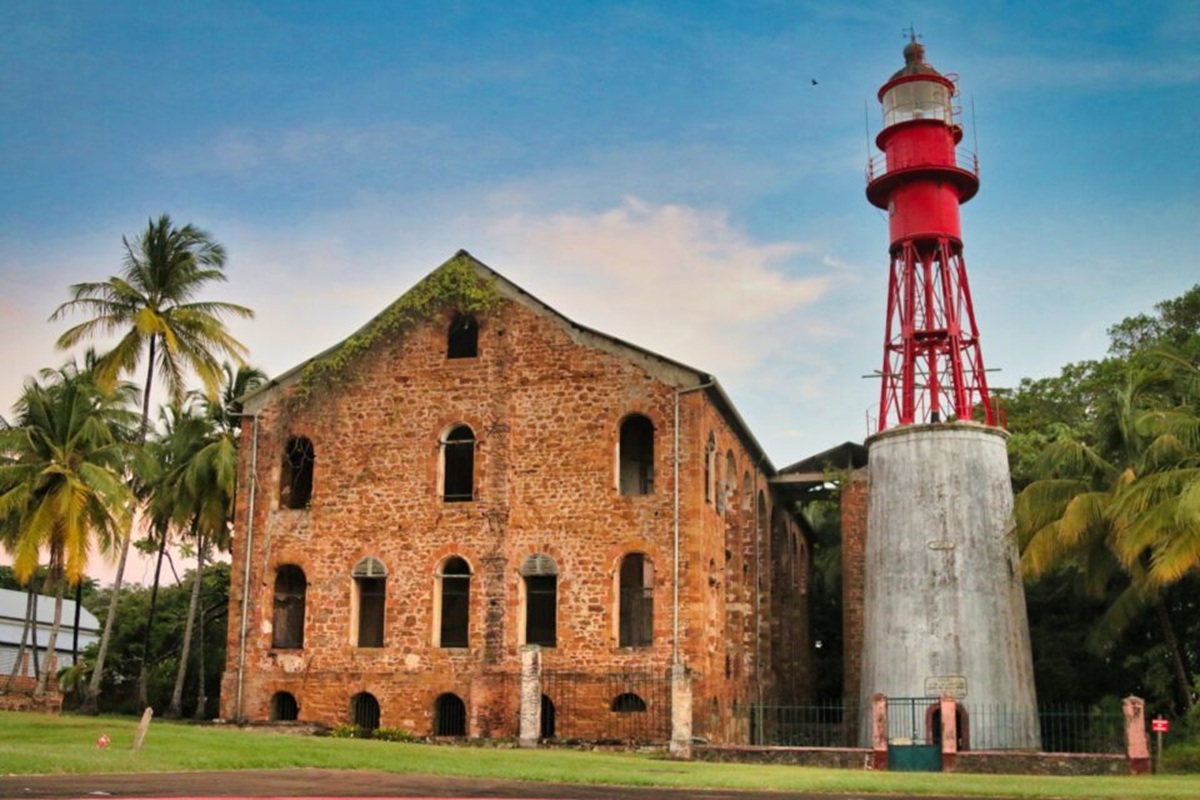
Just 350 Km From Brazil’s Coast, the Salut Islands Form the Foreign Territory Closest to the Country and Hold a Dark Past: Between 1852 and 1953, They Functioned as a Brutal Prison of the French Empire
Few Brazilians know, but there is a piece of Europe less than 400 kilometers from the coast of Brazil. In the heart of the tropical Atlantic, to the north of the country, a small archipelago holds ruins of legendary prisons, stories of escape, colonial tragedies, and almost untouched natural beauty.
These are the Salut Islands — known in French as Îles du Salut — a group of three small volcanic islands that belong to France and form the foreign territory closest to Brazilian soil.
A Piece of France in South America
The Salut Islands are located about 350 kilometers from the mouth of the Oiapoque River, in Amapá, and approximately 14 kilometers from the coast of French Guiana, a French overseas territory in South America.
-
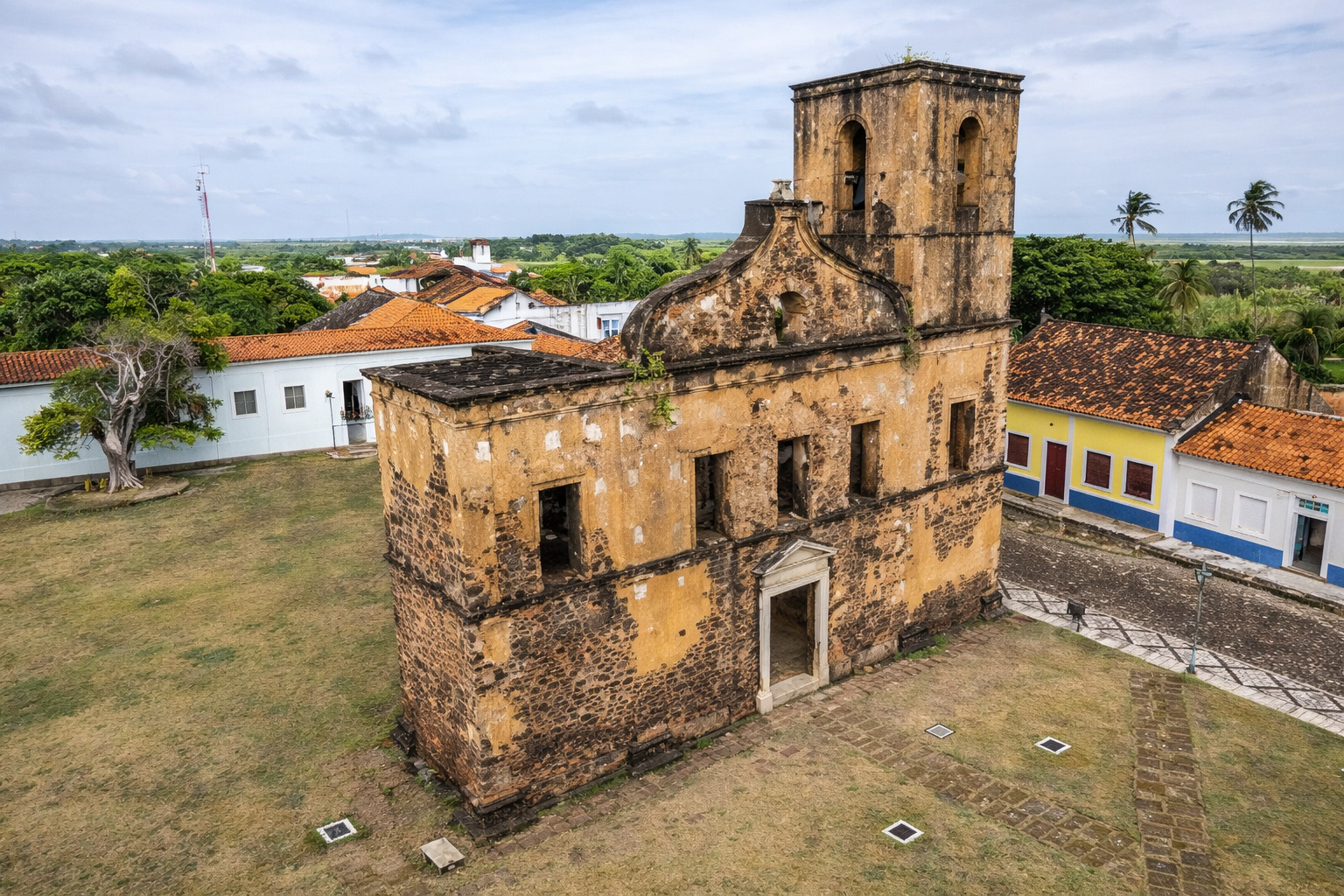
The Brazilian colonial city that stopped in time and shares territory with a rocket launch base.
-
79-year-old woman challenges limits, visits 193 countries in the world after 56 years of planning and reveals the behind-the-scenes of a global journey that few have managed to accomplish.

-
These are the drivers who may stop paying tolls on highways in a project that promises to reduce costs for those who live from transportation in Brazil.

-
(Video): Italian pilot lands plane on moving train at 120 km/h and achieves unprecedented feat in aviation, even with a narrow runway and without direct visual contact.


Since they administratively belong to the commune of Kourou, where the famous Guiana Space Center is located, they are an integral part of French territory — meaning that, technically, anyone stepping there is on European soil.
The archipelago consists of three main islands:
- Île Royale – the largest and most visited, with tourist infrastructure and nature trails.
- Île Saint-Joseph – known for housing isolation cells for prisoners considered dangerous.
- Île du Diable (Devil’s Island) – the most feared, shrouded in legends and the stage for striking stories of exile and escape.
Despite the name “Islands of Salvation,” their history was anything but welcoming. For over a century, they served as one of the most feared prison complexes in the world.
The Tropical Hell of the French Empire
The Salut Islands began to be used as a penal colony in 1852, by order of Emperor Napoleon III, who sought a remote location to send convicts from France.
The idea was doubly strategic: to remove criminals and political opponents from the continent while simultaneously consolidating French presence in South America.
The natural isolation, hostile climate, and strong sea currents made the archipelago nearly inescapable. For the convicts, it was a death sentence in life.
It is estimated that over 50,000 prisoners passed through there until the prison was closed in 1953. Many did not survive tropical diseases, the suffocating heat, mistreatment, and hunger.
Among the most notable episodes is the case of Captain Alfred Dreyfus, a Jewish officer wrongfully accused of treason and sent to Devil’s Island in 1895.
His conviction sparked one of the biggest judicial scandals in French history, the so-called Dreyfus Affair, which divided public opinion and exposed the antisemitism present in the country’s institutions.
Another legendary episode involves Henri Charrière, the prisoner who claimed to have escaped from the Salut Islands and whose story inspired the famous book and film “Papillon”.
Although controversies exist regarding the truth of his account, the work immortalized the archipelago’s sinister fame.
Between Ruins and Lush Nature
Today, the Salut Islands have left behind their image as a hellish prison and have become one of the most curious and historic tourist destinations in South America.
The cells and walls overtaken by vegetation can still be visited, allowing travelers to walk through the same corridors where thousands of prisoners lived — and died.
The Île Royale is the main entry point for visitors. It features ecological trails, small clear-water beaches, and even a simple inn set up in the old administrative buildings of the prison. The contrast between the dark past and the paradisiacal landscape creates a unique experience: an open-air museum amidst coconut trees and tropical birds.
The Île Saint-Joseph retains a more introspective atmosphere. The ruins of the isolation cells and the prisoners’ cemetery remind one of the harsher side of colonization and the French penal system.
In contrast, Devil’s Island, still surrounded by strong sea currents, is not open to the public for safety reasons but can be viewed from afar on boat tours.
Scientific and Geopolitical Importance
Beyond its historical and tourist value, the Salut Islands hold significant strategic importance. As they lie in French overseas territory, they expand France’s Exclusive Economic Zone (EEZ) in the South Atlantic, reinforcing European presence in a region dominated by South American countries.
The proximity to the Kourou Space Base also transforms the archipelago into a support point for scientific missions and environmental monitoring. The local fauna includes various species of seabirds, turtles, and dolphins, and the environment is used for studies on tropical island ecosystems.
The Closest Link Between Brazil and Europe
For Brazilians, the Salut Islands represent a rare opportunity to experience European colonial history without leaving the continent.
In just a few hours’ travel from Oiapoque (AP) or from Cayenne, the capital of French Guiana, it is possible to walk on European soil with French currency, language, and laws — all less than 400 km from the Amazon.
More than a tourist destination, the archipelago symbolizes the colonial past, the contradictions of the 19th-century penal system, and the European presence still alive in South America.
The Salut Islands serve as a silent reminder that global history is much closer to Brazil than many imagine — sometimes just a few hours by boat from our coastline.






-

Uma pessoa reagiu a isso.