





 Portuguese
  English
  Spanish
  5 min of reading
  0 comments


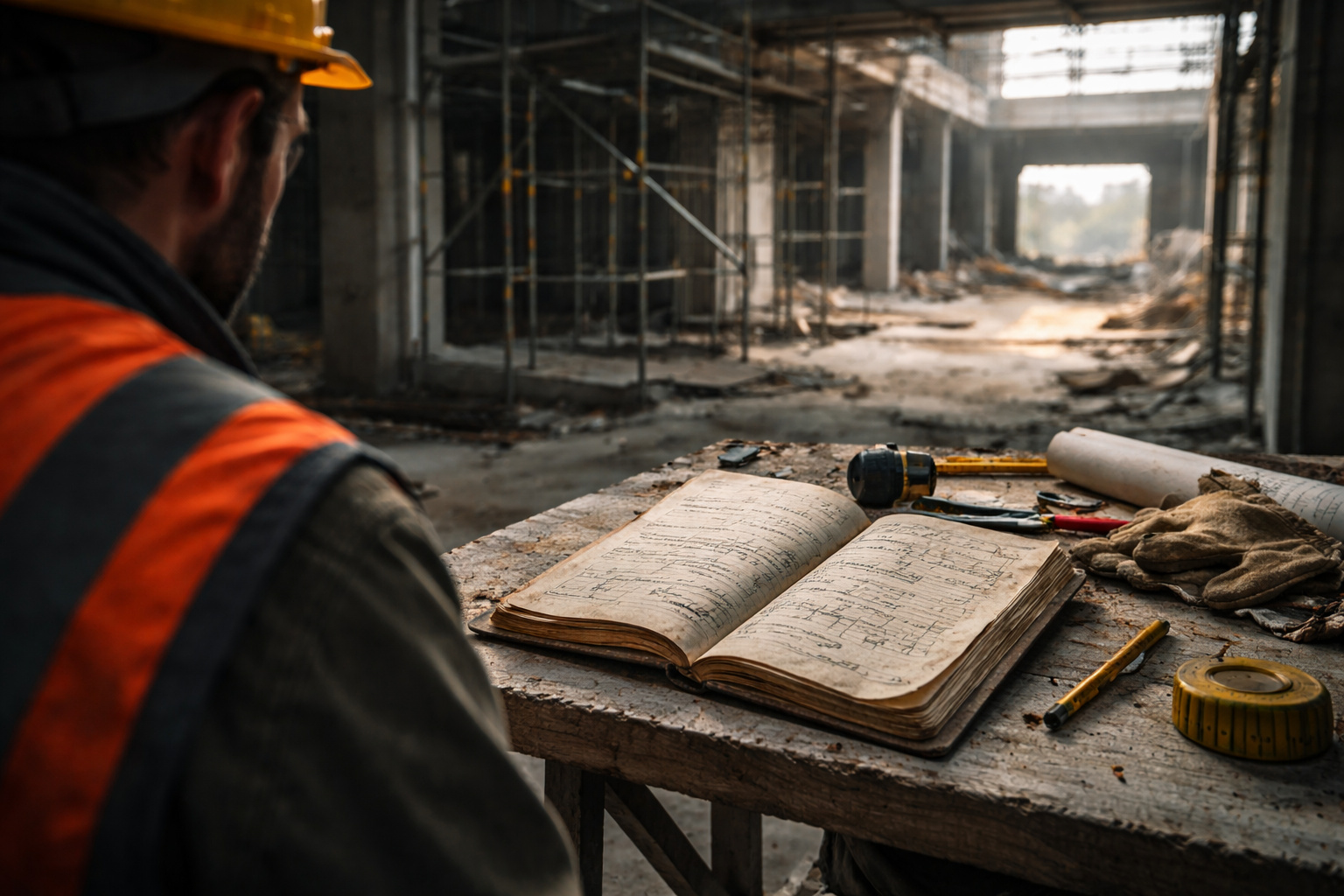
Labor shortage hits 41.6% of contractors and exposes new risk in construction: loss of knowledge
The labor shortage in the construction industry has ceased to be a sporadic problem and has begun to directly affect the execution capacity of projects in Brazil. According to the construction survey by FGV IBRE, 41.6% of companies reported, in February 2026, the lack of professionals as a limiting factor for business, the highest level for the month since 2011. The impact is already visible in the daily operations of construction sites. According to the research Panorama of Labor in Brazilian Construction by Grua Insights, 75% of companies had to revise project deadlines in recent months due to the shortage of professionals.
Turnover in the construction industry causes loss of technical knowledge and compromises continuity of projects
In practice, the problem goes beyond the difficulty of hiring. One of the most critical effects observed by companies is the loss of knowledge throughout the execution of projects.
In many cases, technical decisions, alignments with suppliers, and execution criteria remain concentrated in the individual memory of professionals. When there is a team replacement, this history is lost, and the project begins to operate as if it were being restarted.
-
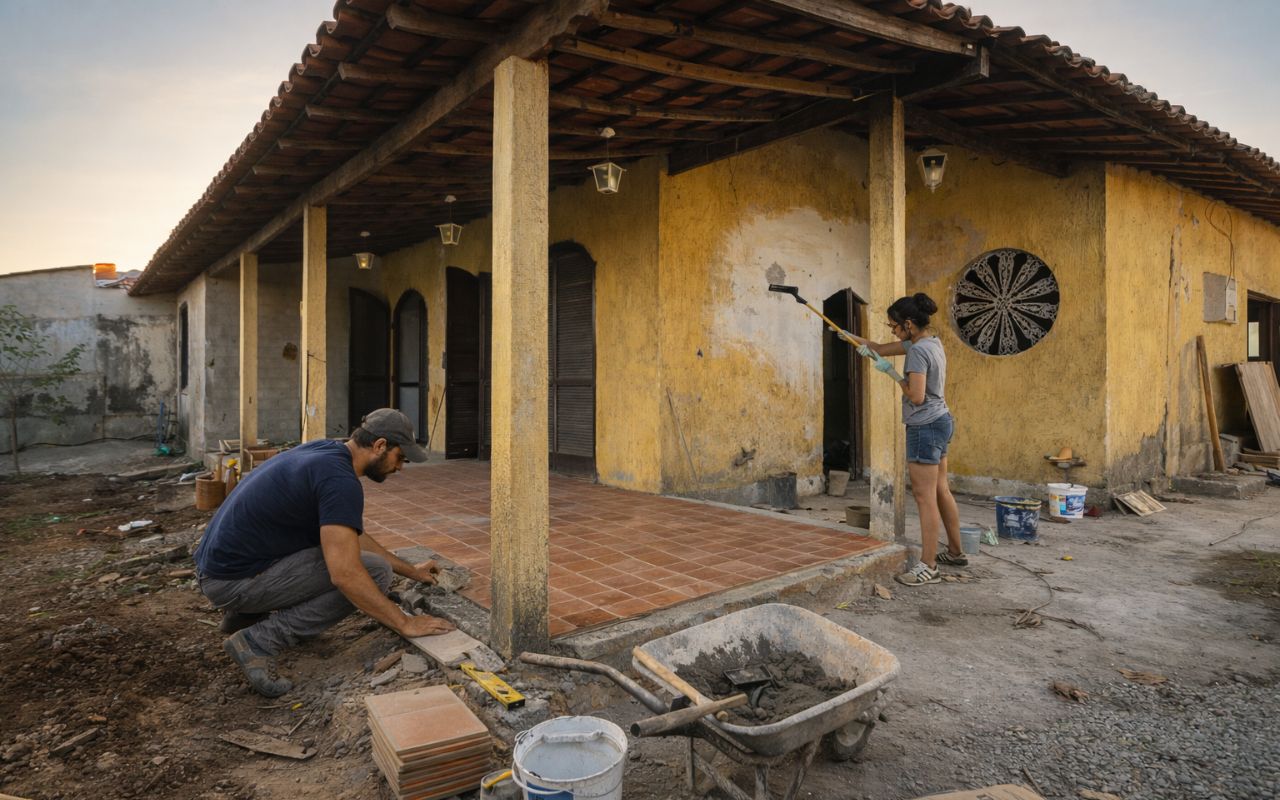
Couple faces challenges and transforms abandoned house from 1976 with a complete renovation, creating a modern, functional, and welcoming home.
-
Three partners left the nightclub, convinced the bank, and decided to build the largest model railway in the world; Miniatur Wunderland became a success in Hamburg, with 12 sections and expansion planned until 2028.

-
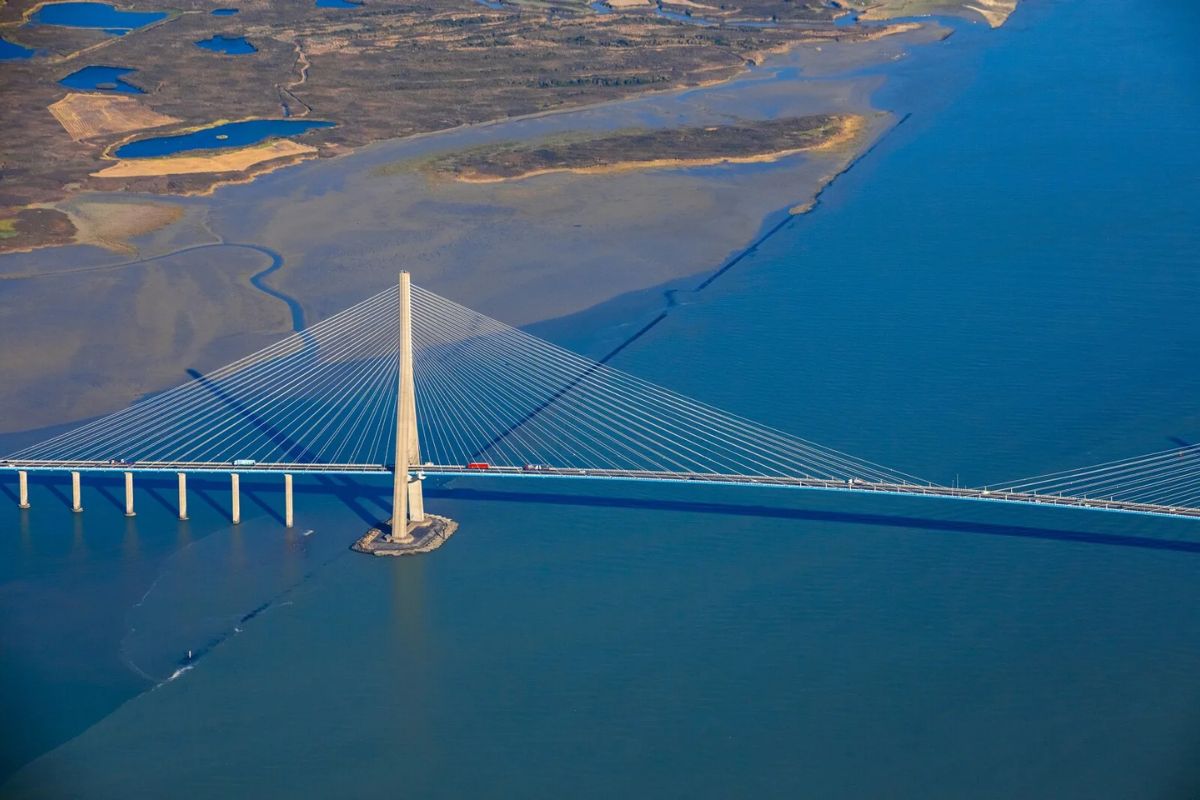
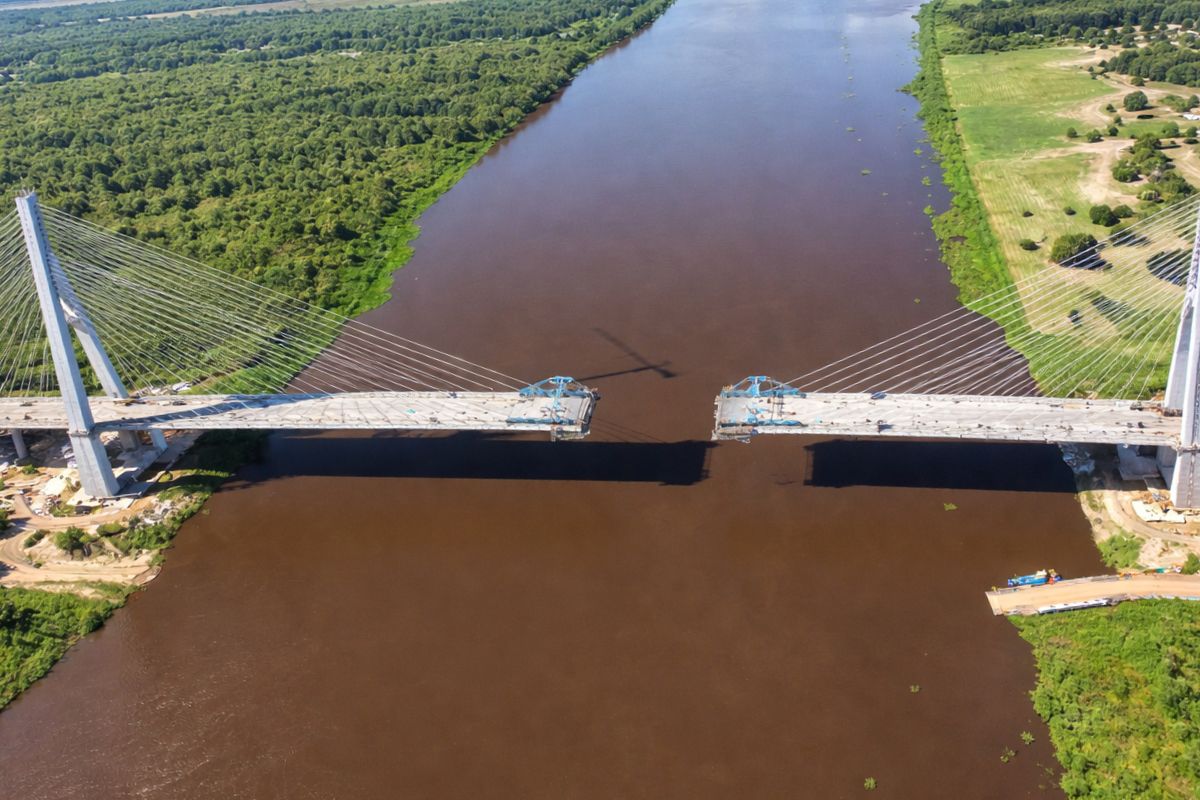
With a central span of 856 meters and pillars 214 meters high, the Pont de Normandie was the first cable-stayed bridge in the world to surpass the 800-meter mark and proved that direct steel cables could compete with suspension bridges over distances that no one thought possible.
-
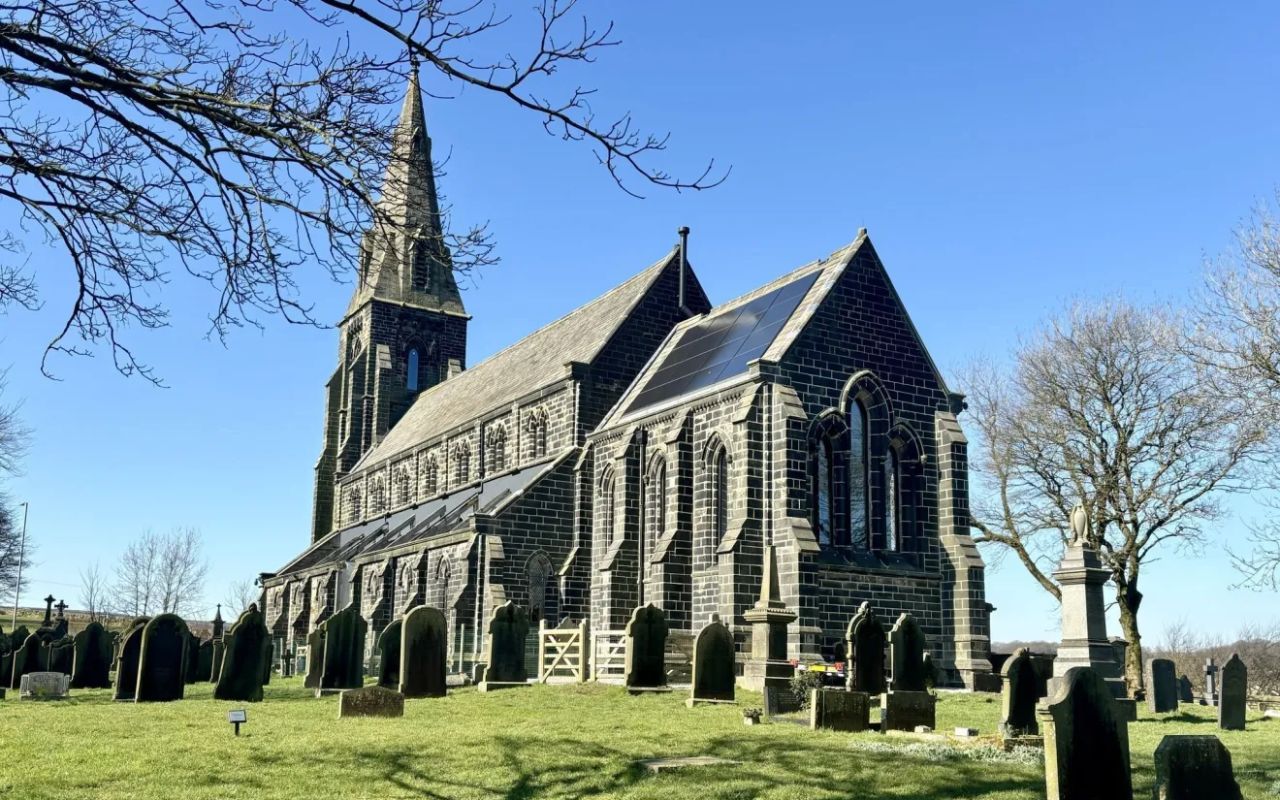
Couple invests around R$ 3.2 million to transform abandoned church from 1846 into a luxury mansion surrounded by over 300 tombs — property is now valued at R$ 11.6 million.
“When knowledge is not structured, it leaves with the person. And then it’s not just an open position; it’s the project that loses direction,” says Bárbara Kemp, architect and co-founder of Kemp Project and Construction Management.
Lack of standardization and information management increases rework, costs, and delays in construction
The impact of turnover tends to be more intense in the construction industry due to the sequential and interdependent nature of activities.
Unlike sectors with continuous processes, construction projects depend on a precise sequence of stages, with multiple suppliers acting at specific moments. When there is a breakdown in information, the effect is immediate.
Each new professional needs to reconstruct the project context, understand previous decisions, and reevaluate technical criteria, while the operation begins to react to problems instead of anticipating them.
“You lose speed, lose consistency, and start putting out fires. And this has a direct impact on deadlines and costs,” explains Bárbara.
Rework, renegotiation, and loss of efficiency show direct impact of lack of project memory
In practice, the lack of continuity translates into rework, renegotiation with suppliers, and reinterpretation of decisions already made.
In some cases, companies turn to external partners to recover information that was not recorded internally.
“The supplier ends up becoming the memory of the project,” says Bárbara, highlighting one of the main operational risks of the absence of structured management.
Construction begins to migrate from people-based model to process-based model
In light of this scenario, companies in the sector are beginning to review their operational structure. The main change is the transition from a people-based model to a process-based model. This involves recording decisions, organizing information in an accessible way, and reducing dependence on individual knowledge.
The proposal is to transform the project memory into a structured asset, capable of ensuring continuity even with team changes.
“Projects that depend on people are fragile. Projects that depend on processes are resilient,” summarizes Bárbara.
Technology in construction gains space to ensure continuity and reduce dependence on teams
This movement also drives the adoption of digital management tools.
Solutions that consolidate schedules, decision histories, and technical documentation in a single environment are being used to ensure predictability and operational continuity.
The goal is to reduce dependence on emails, isolated spreadsheets, and the individual memory of professionals.
Construction management platforms like Workemp organize information and reduce impact of turnover
Among the solutions adopted is Workemp, a platform developed from Kemp’s experience in managing multiple simultaneous projects.
The tool organizes information, decisions, and technical records throughout the execution, allowing projects to maintain consistency even with team changes.
“When information is organized, the departure of someone ceases to be a collapse and becomes a transition,” says Bárbara.

Investments in technology and management grow to face labor shortage in construction
This trend follows a broader movement in the sector. According to Grua Insights, most companies are already planning to increase investments in technology and management methodologies, seeking to reduce dependence on labor and improve project predictability.
This scenario is also connected to a structural problem in global construction. Studies by McKinsey and PMI indicate that most construction projects face delays and budget overruns, resulting from low predictability, coordination failures, and fragmented management.
Loss of control in projects becomes central challenge in a strategic sector for the Brazilian economy
In an environment marked by a shortage of professionals and high turnover, the challenge is no longer just to hire and retain labor.
The central issue becomes ensuring that knowledge remains in the project. When decisions are lost, teams change without transition, and history is not preserved, projects enter cycles of rework, with longer deadlines, higher costs, and loss of predictability.
In a sector that represents a significant share of the Brazilian economy, this type of inefficiency compromises not only companies but the competitiveness of the entire market.
“Today, as challenging as losing professionals is, losing control is just as difficult,” concludes Bárbara.
Now we want to know: is the Brazilian construction industry prepared to reduce dependence on labor and migrate to process-based management?
In light of a scenario of structural shortage of professionals and increasing complexity of projects, the adoption of processes and technology becomes a decisive factor for the future of the sector.
In your view, will this transformation be enough to solve the bottlenecks in the construction industry, or is the problem likely to worsen in the coming years?









Seja o primeiro a reagir!