





 Portuguese
  English
  Spanish
  3 min of reading
  6 comments


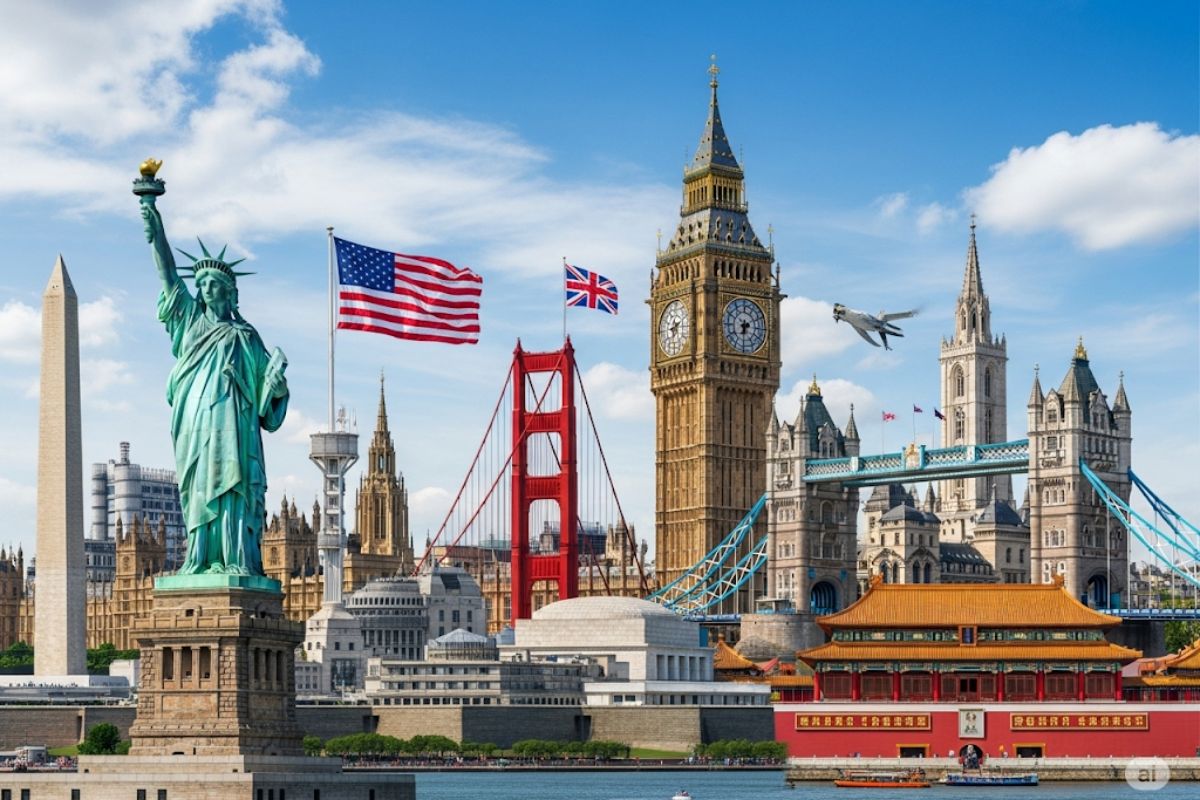

Many Believe That English Is The Language With The Most Native Speakers, But Mandarin Chinese Holds This Title With Nearly A Billion People. Discover The Truth Behind The Numbers Of The Language With The Most Native Speakers.
In the global linguistic landscape of May 2025, one surprising fact emerges: the language with the largest number of native speakers in the world is not English, as many assume, but Mandarin Chinese, the mother tongue of nearly a billion people. This finding repositioned Mandarin at the center of discussions about linguistic demographics.
The popular belief often points to English as the dominant language in all aspects. However, Mandarin Chinese is, in fact, the language with the largest number of native speakers globally. For a complete understanding, it is vital to differentiate “native speakers” (L1) from “total speakers” (L1 + L2). While Mandarin leads in L1, English is the most spoken language in the world when considering the total, reflecting different trajectories and functions of each language.
What Defines A “Native Speaker” And Why Is This Count So Significant In The Study Of Languages?
A native speaker is someone who acquired a language as part of their childhood development, usually the first language spoken at home or in their community of origin (L1 or mother tongue). In contrast, an “L2 speaker” learns a language subsequently.
-
Few remember, but the submarine that disappeared in 1968 with 52 crew members was found after 51 years at the bottom of the sea at more than 2,000 meters, intriguing the entire world.

-
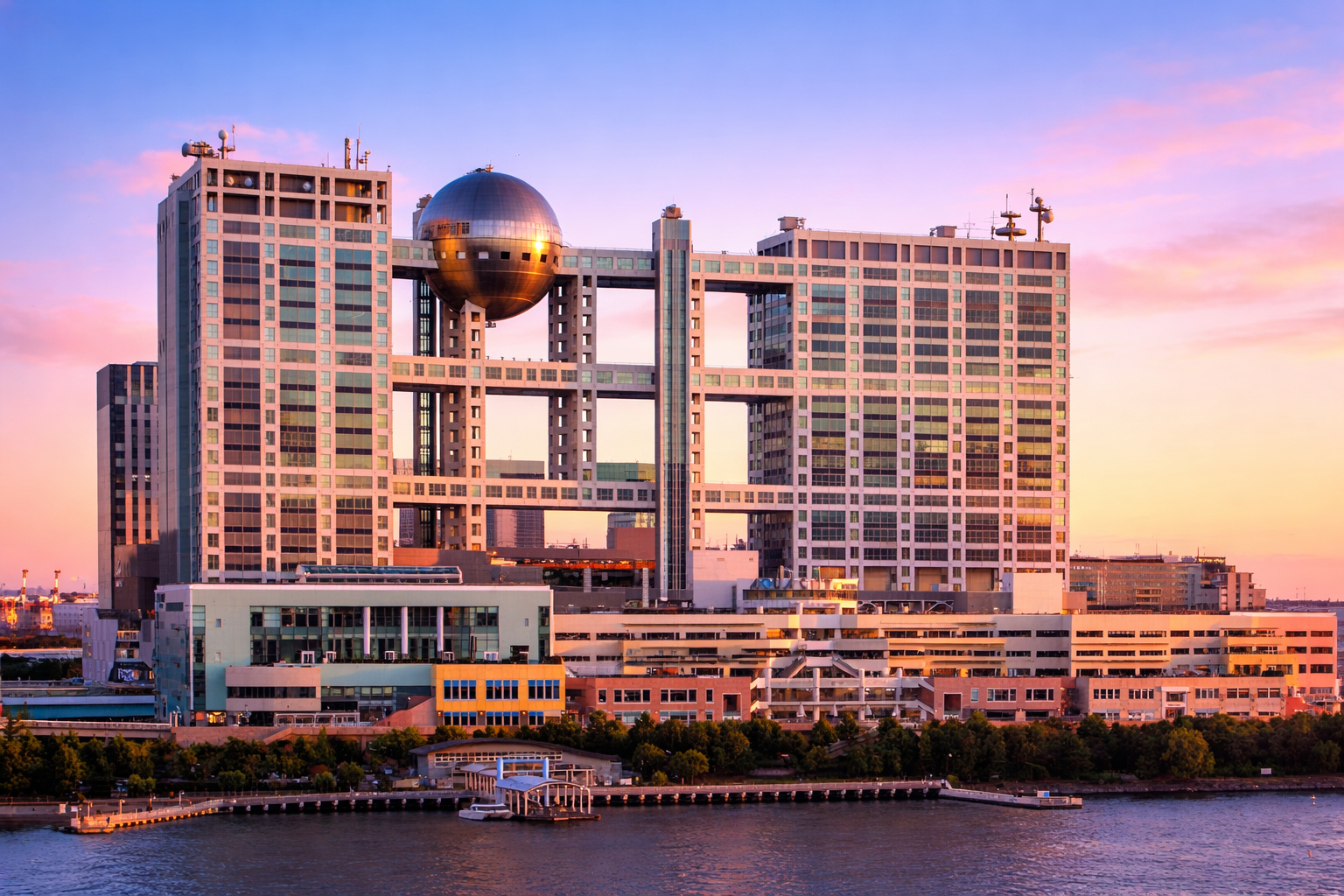
With 1,200 tons suspended, the Japan mega-structure in a grid shape with a floating sphere from Fuji TV features two 25-story towers connected by elevated walkways, titanium panels, and impresses the world with its ability to reduce wind impact.
-
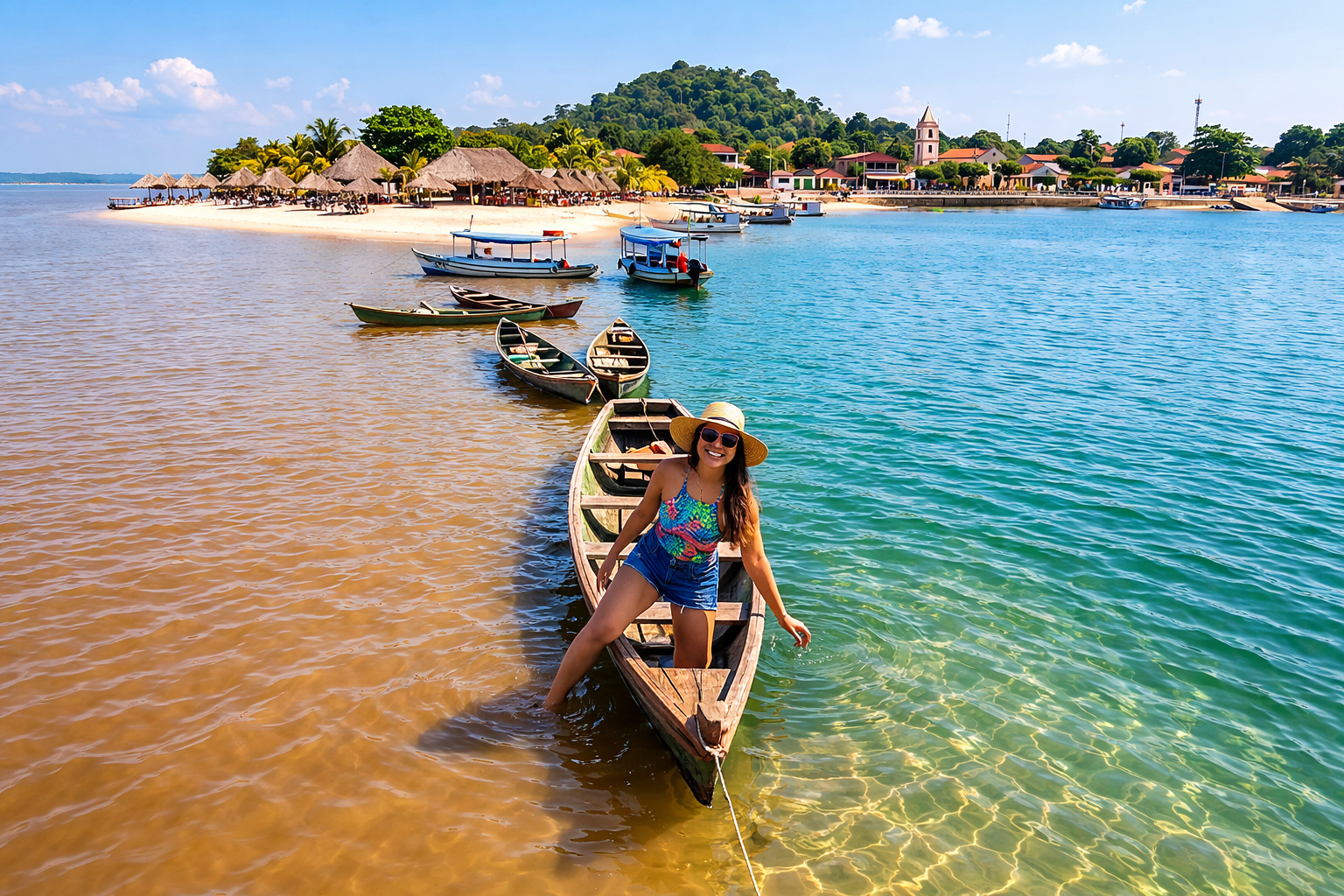
The village where two rivers run side by side without mixing in Santarém and Alter do Chão reveals some of the most beautiful freshwater beaches on the planet.
-
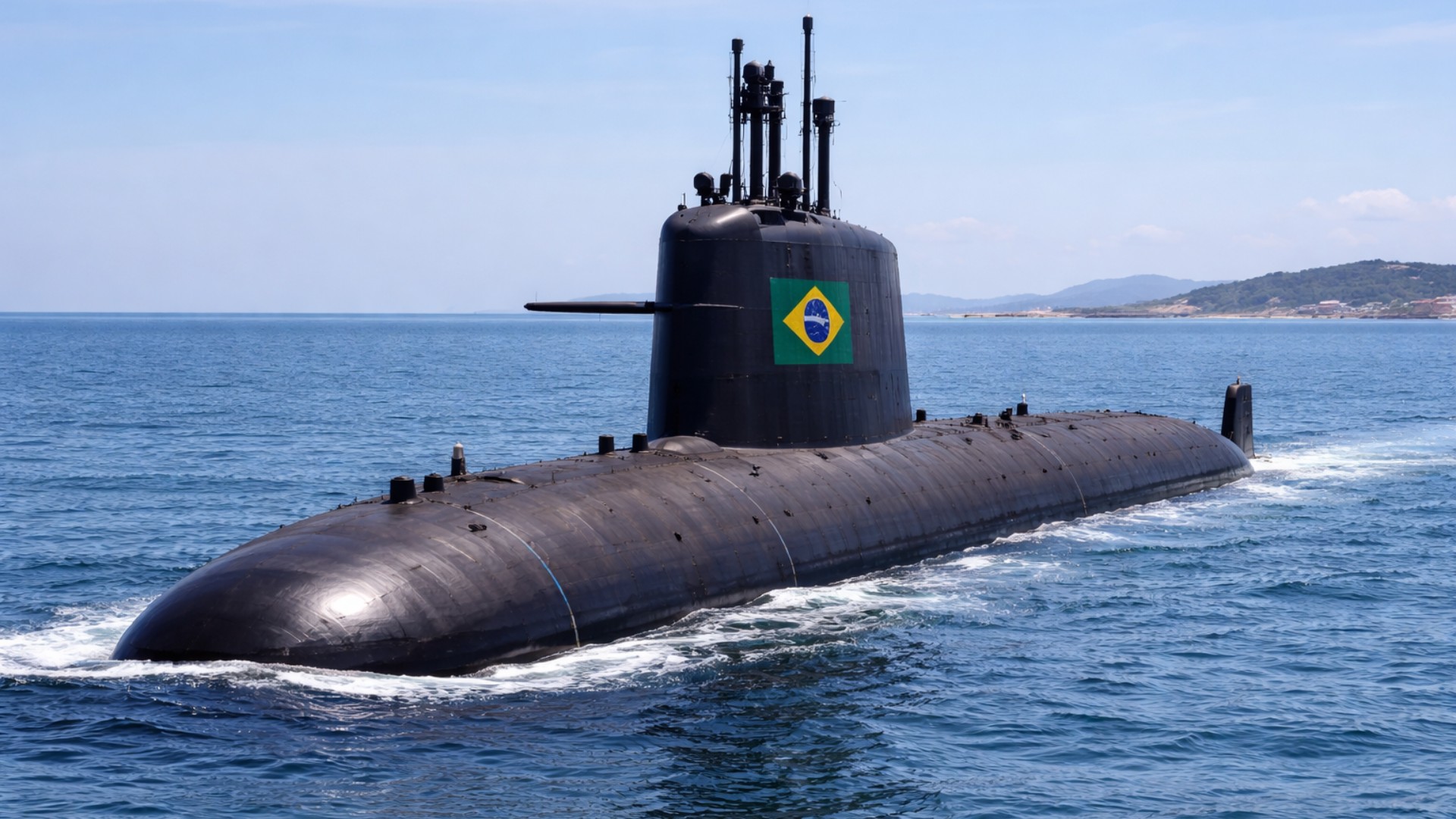
Brazil’s nuclear submarine with a speed 5 times greater than normal advances after nearly 50 years and R$ 40 billion spent.

The “total speakers” is the sum of L1 and L2, offering a perspective on the global reach and influence of a language, which can differ drastically from its base of native speakers.
The Impressive Strength Of Nearly A Billion Native Speakers Worldwide

Recent data from 2024-2025 confirms Mandarin Chinese as the leader in native speakers, with estimates pointing to around 940 to 941 million people. The term “Mandarin Chinese” (Putonghua) refers to the most spoken and official variety within the Chinese macrolanguage.
Its leadership is driven by the vast population of China, the geographic concentration of its speakers, and government policies promoting and standardizing Putonghua.
The Mother Tongue Of Hundreds Of Millions, But The Lingua Franca Of Over A Billion People
English holds the third place in number of native speakers, with approximately 380 million. However, its true global dimension reveals itself in the total number of speakers: around 1.5 billion people speak English worldwide, with over 1.1 billion as a second language (L2).
This vast L2 population is the result of historical factors (expansion of the British Empire), the economic and cultural influence of the United States, and the role of English as a lingua franca in business, science, technology, and the internet.
Other Languages With Significant Native Expression And Global Reach


Following Mandarin, Spanish is consistently the second language with the highest number of native speakers (around 486 million), due to its spread in Latin America and Spain. Hindi ranks fourth in native speakers (approximately 345 million), primarily concentrated in India, and is the third language in total speakers, reflecting the Indian demographic weight.
The prominence of a language is shaped by various factors. Demographic trends, such as the size and growth of the native population, are crucial. Socioeconomic drivers, such as a country’s economic power and its educational systems, influence dissemination, especially as L2. Active government language policies in promoting or suppressing languages, along with phenomena such as migration and urbanization, also dynamically alter the global linguistic landscape.







Quase mil milhões de falantes… diferente de um bilião….
Você tem razão, no português de Portugal e em todas a Europa, eu acho. Na brasil, assim como nos EUA 1 bilhão ou bilião são 1.000.000.000, para vocês são 1.000.000.000.000. É uma curiosidade. A Inglaterra também fala como vocês. Nossa influência americana é bem forte. Saudações do Brasil!
1 bilhão e 1 bilião são números diferentes
1 bilhão de dólares, e mais significativo que
1 biliao de reais certo.
Não um bilião de reaias é mais significativo.
Não Inglaterra não fala português de Portugal.