





 Portuguese
  English
  Spanish
  4 min of reading
  0 comments


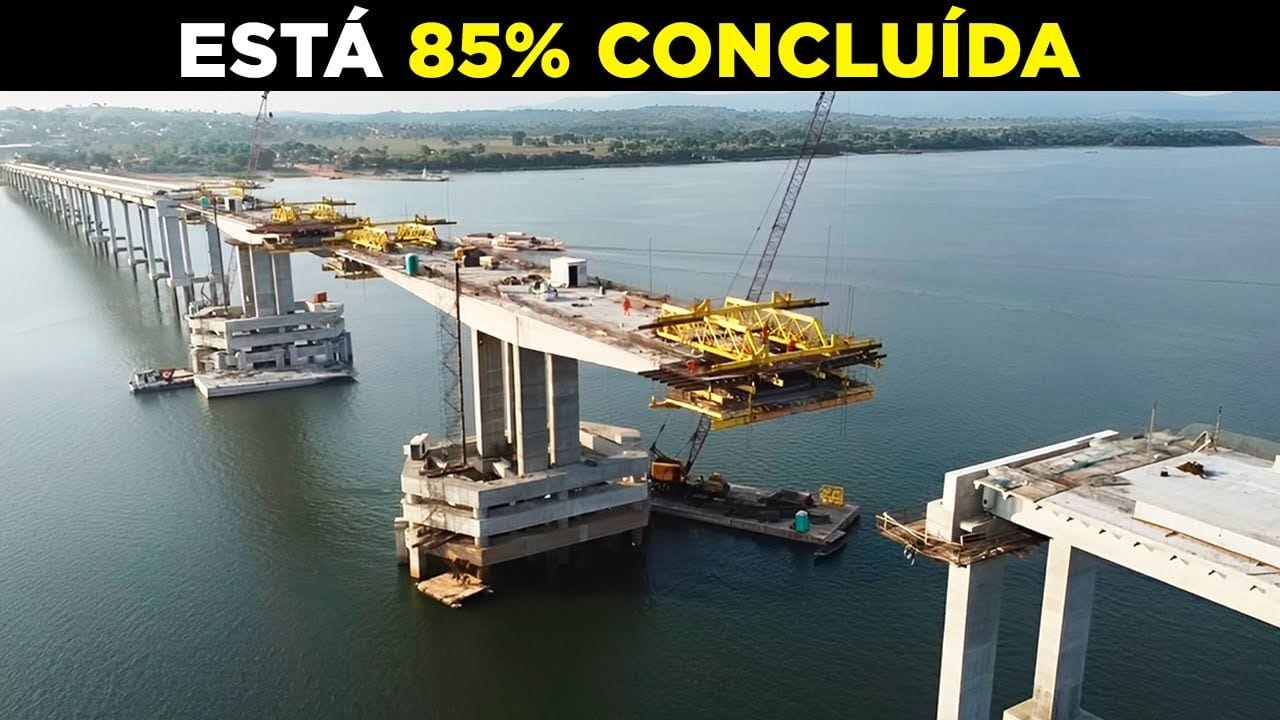
The Advancement of the Largest Bridges Under Construction in Brazil Reveals Ambitious Projects Like the Matinhos-Guaratuba Bridge, the Bioceanic Interconnection, and the Expansion Over the São Francisco River, Reflecting a Period of Significant Transformation in National Infrastructure and Mobility.
In a transformative journey through Brazilian infrastructure, the gigantic bridge works stand out, promising to redefine connectivity and regional development. Among them, the Matinhos-Guaratuba Bridge emerges as a landmark awaited for over 30 years, representing an investment of R$ 386.1 million. Expected to be completed in two years, this 1,244-meter structure aims to revolutionize mobility between Guaratuba and Matinhos, incorporating modern traffic lanes and bike paths.
We move on to the monumental Bioceanic Bridge, spanning 1,294 meters over the Paraguay River, facilitating trade between Brazil, Paraguay, Argentina, and Chile. With a budget of US$ 85 million, funded by Itaipu Binational, this cable-stayed bridge is a key piece in the bioceanic route, crucial for the agility of trade, especially in agribusiness.
In Mato Grosso, We Have One of the Largest Bridges Under Construction in Brazil

The Juruena River will be crowned with the largest bridge in Mato Grosso, a 1,429-meter structure that integrates an investment of R$ 468 million. This project not only shortens crossing time but also solidifies communication routes and economic growth in the northern region.
-
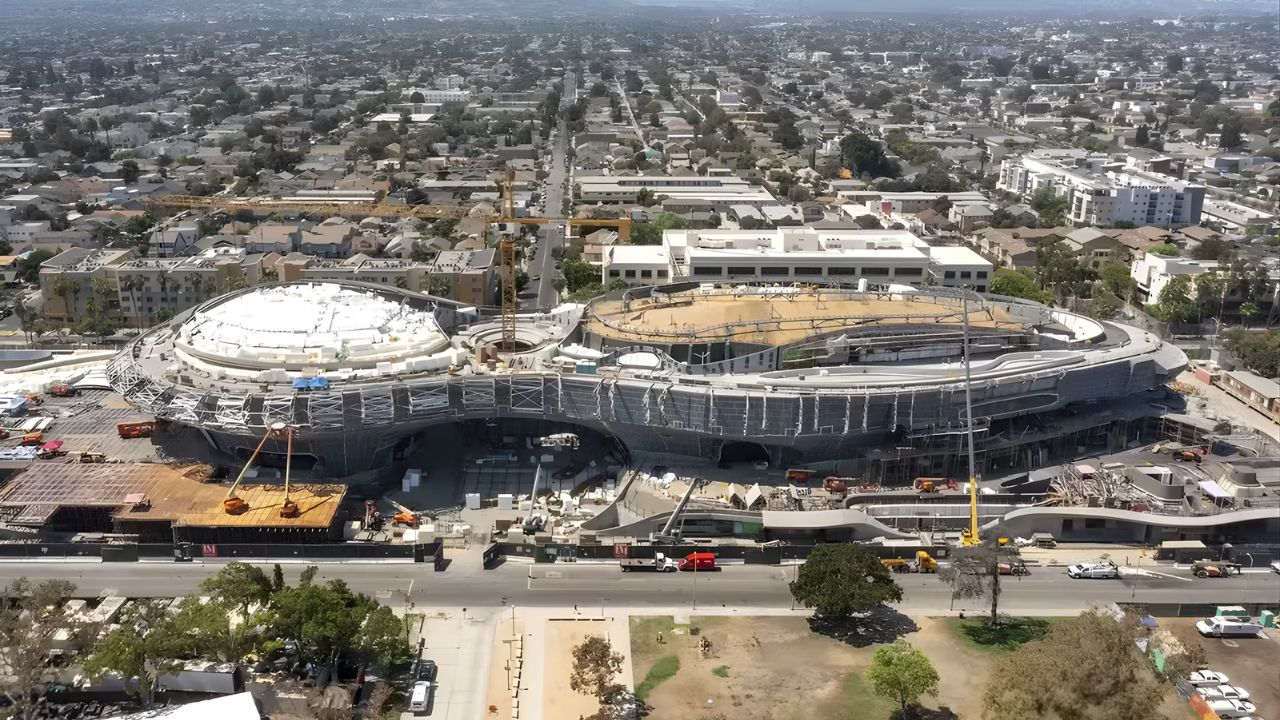
Created by George Lucas with over $1 billion, a futuristic museum in the shape of a spaceship with 1,500 curved panels is about to open in Los Angeles and will house one of the largest private collections of narrative art in the world.
-
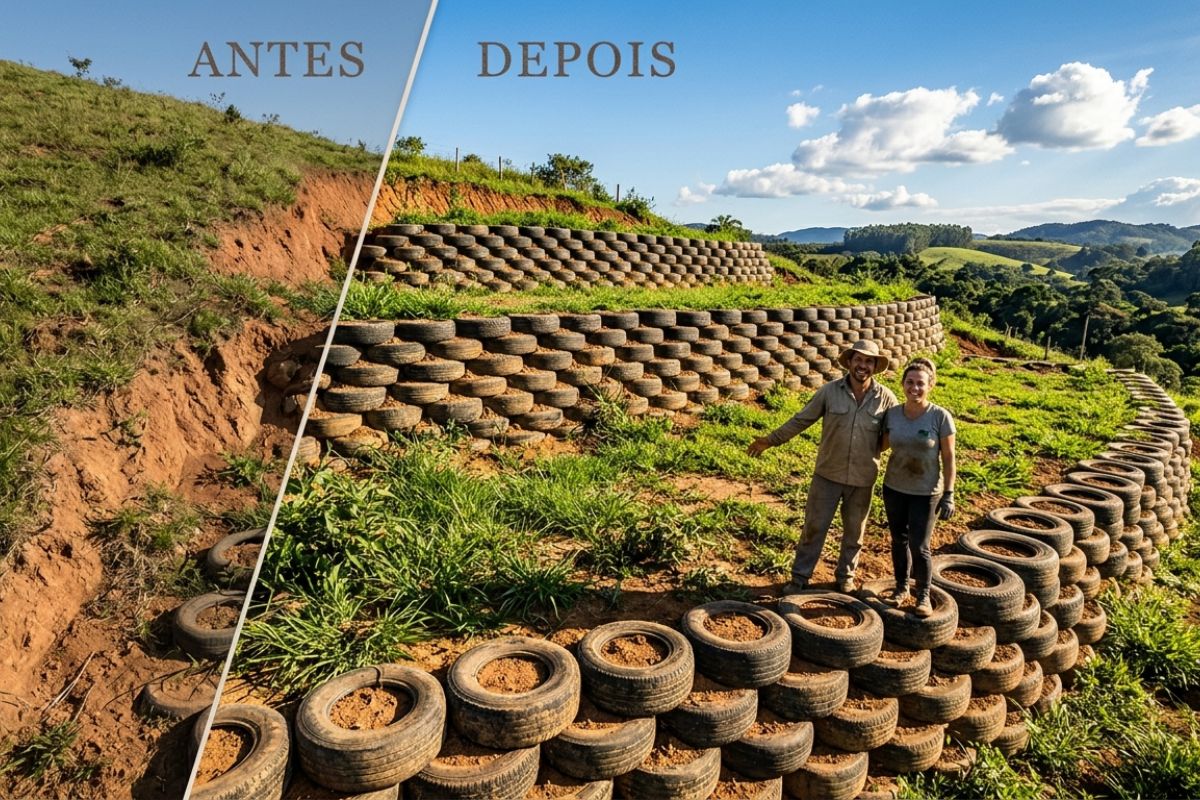
Couple shows how they built a retaining wall on their property using 400 old tires: sloped land turned into plateaus, tires are aligned, filled, and compacted with layers of soil, with grass helping in support and at almost zero cost.
-
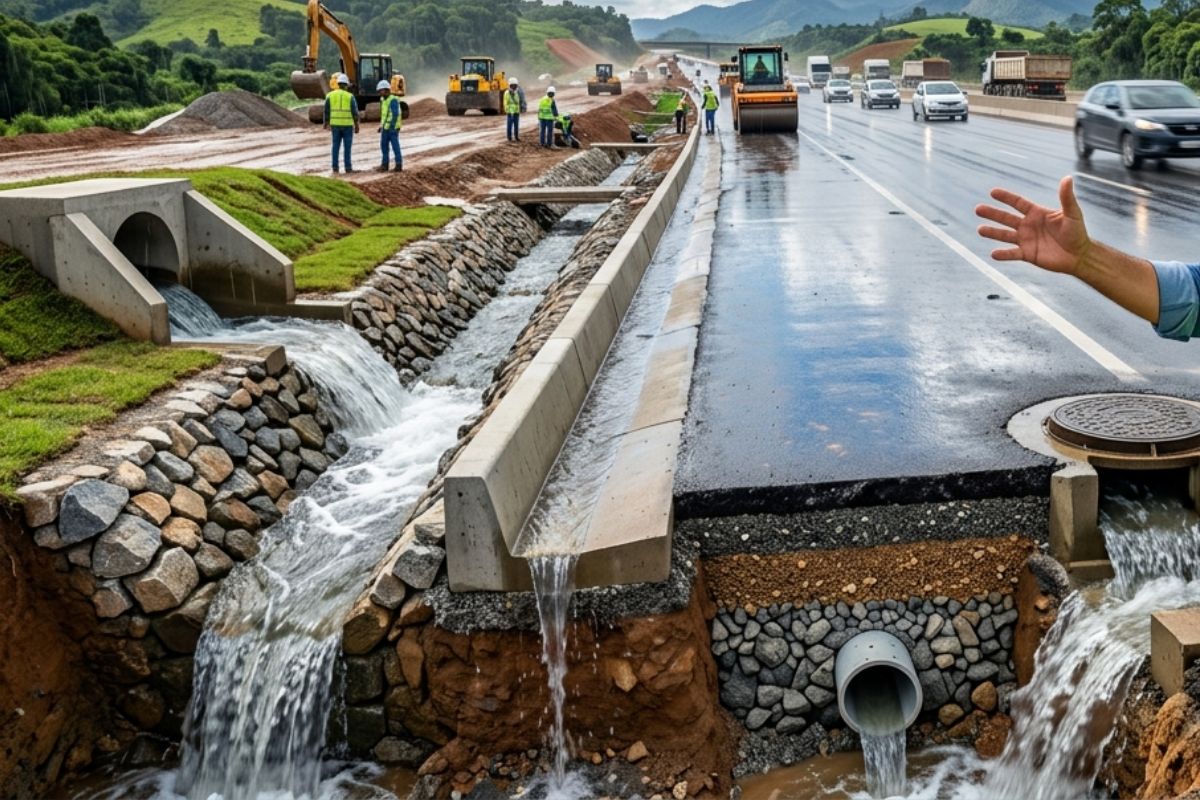
Engineer explains drainage during the rainy season: the difference between surface water and deep water, ditches, gutters, and water outlets on the road, as well as drains and drainage mattresses, to prevent erosion, aquaplaning, and flooding at the construction site today.
-
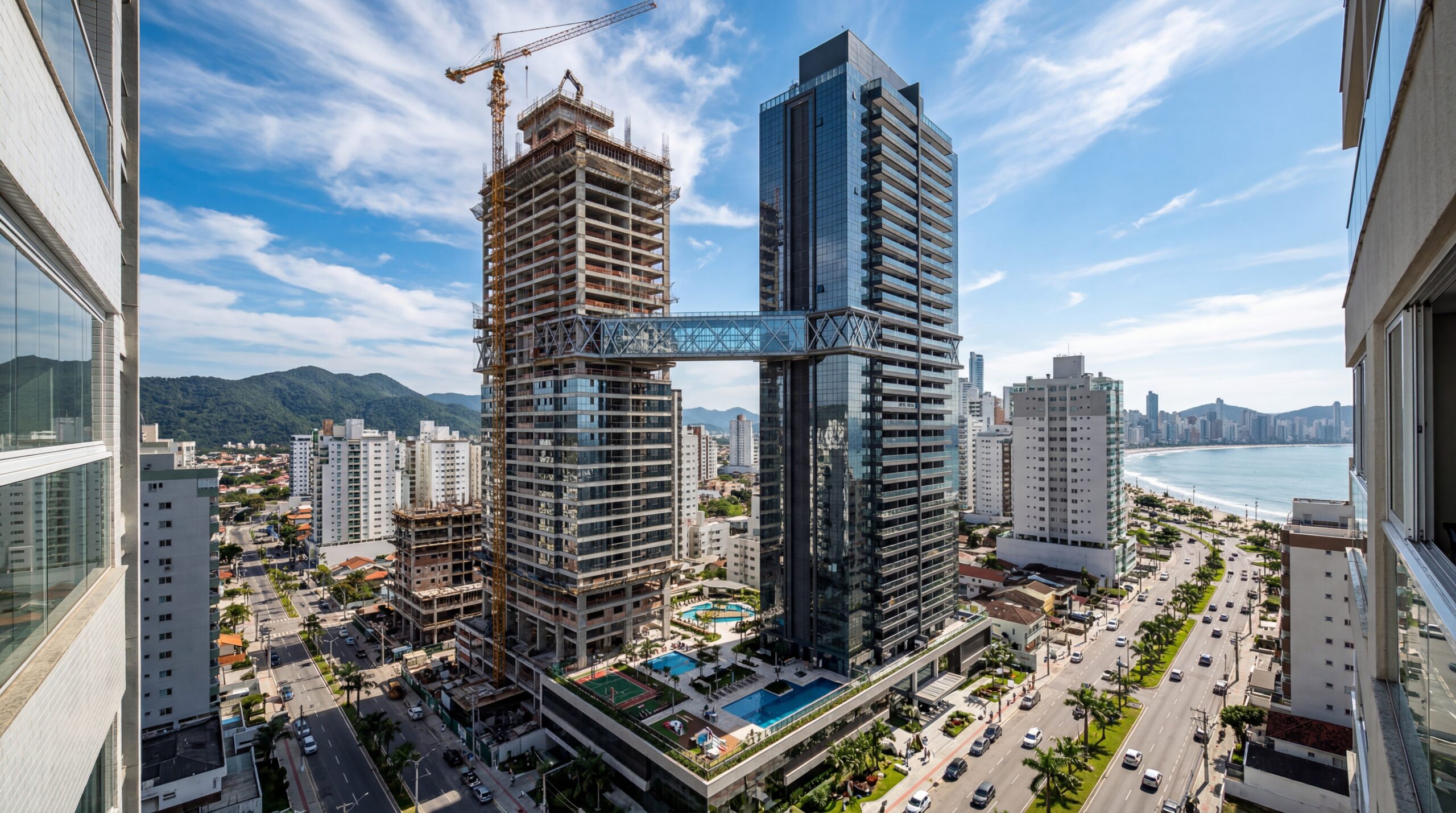
With 55 floors, 177 meters in height, a 15-meter walkway between the twin towers, ventilated facade, and 6,300 m² of leisure space, Ápice Towers already has one tower completed and another nearly at the top.

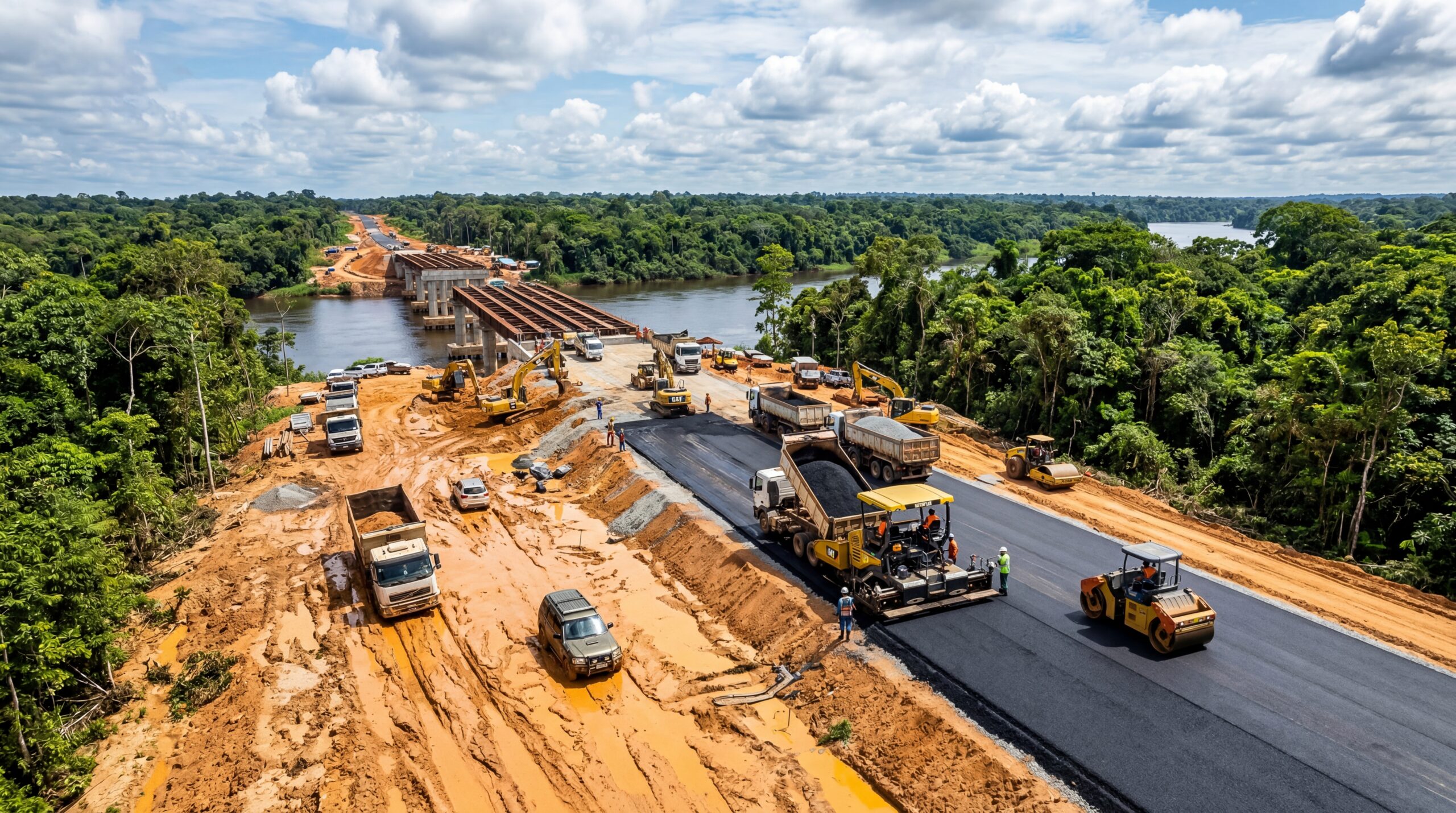
The Xambioá Bridge, located between the states of Tocantins and Pará, with an investment of over R$ 200 million, is the largest river bridge in the country under construction. This project is vital for the agricultural and mining sectors and is expected to be completed by mid-2024.
Largest Railway Bridge in Latin America
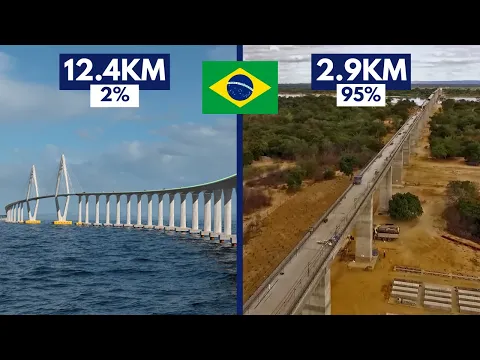
Over the São Francisco River, the largest railway bridge in Latin America, at 2.9 km, symbolizes a significant advancement in cargo transportation, promising efficiency and safety. With investments of R$ 365 million, this structure has the potential to transform the logistics sector in the region.
Finally, the Salvador-Itaparica Bridge, measuring 12.36 km, emerges as a revolutionary project, significantly shortening the distance between Salvador and the Island of Itaparica. Launched in January 2024, with a budget now of R$ 13 billion, this construction is destined to become a historical landmark, benefiting over 15 million people and redefining mobility in Bahia. These bridges are not just physical structures but pathways of progress and hope, marking a new era of development and integration for Brazil.
How Are Bridges Built in Brazil?
In the context of the largest bridges under construction in Brazil, the methodology employed in building these structures is as impressive as the works themselves. Bridge construction in the country follows a rigorous protocol, incorporating innovation and technical precision at every stage. The process begins with thorough feasibility studies, including technical, economic, and environmental analyses, ensuring that each project is not only viable but also sustainable and integrated into its surroundings.
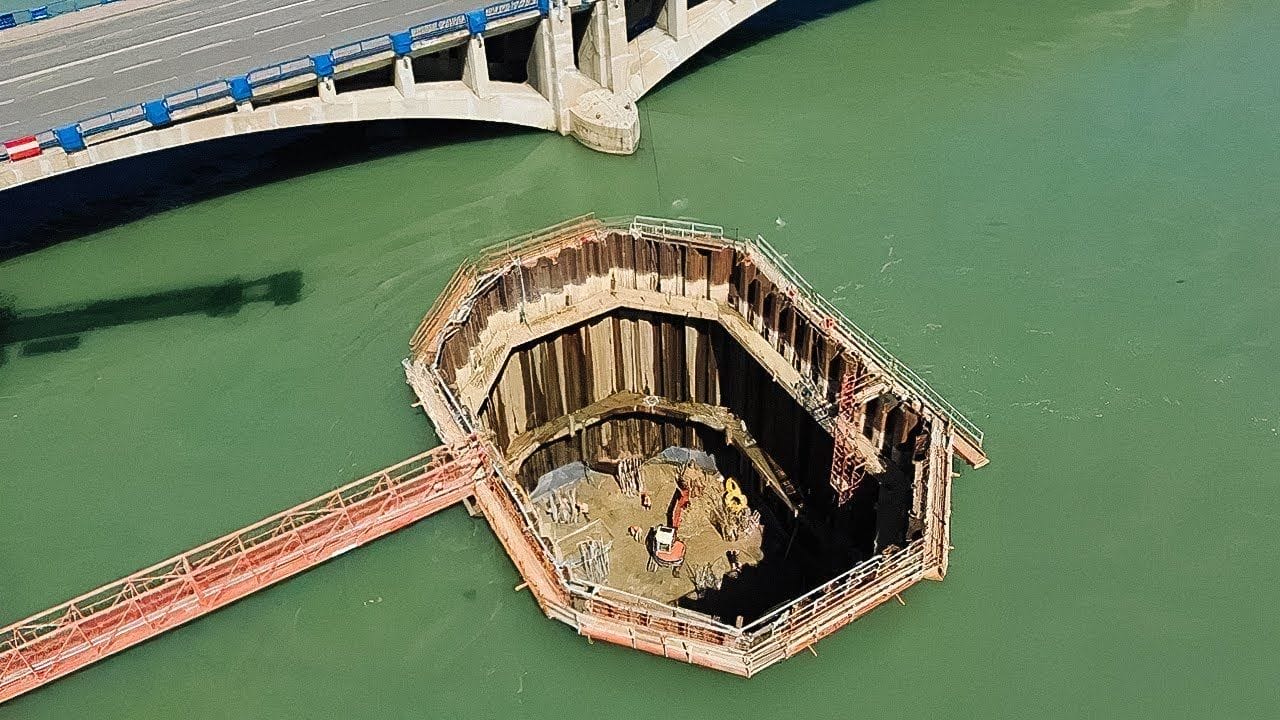
After the planning phase, the detailed project is developed, encompassing all structural and mechanical aspects of the bridge. Necessary authorizations are obtained from the relevant bodies, ensuring that regulations and standards are rigorously followed. Site preparation marks the start of physical work, with the construction of robust foundations that ensure the stability and safety of the structure. Depending on the complexity and type of the bridge, foundations can vary from simple piles to complex underwater caissons.
Construction by Successive Balancing
The substructure, which includes pillars and supports, is built to sustain the main beams and the superstructure, which in turn is assembled with precision, often utilizing methods such as construction by successive balancing. This method allows large sections of the bridge to be built without the need for direct auxiliary supports on the ground or in the water, minimizing environmental impact.
Technological advancements, such as the use of prestressed concrete and modern construction techniques like bonded conjugate joints, facilitate the efficient connection of precast segments, speeding up the construction process and improving final quality. These methods are evident in the grand works of the bridges under construction, reflecting Brazil’s commitment to innovation and excellence in civil engineering.
Inspection and Delivery
After construction, the bridge undergoes rigorous inspections and tests to ensure that it meets all safety and functionality criteria before being opened to traffic. Continuous maintenance is planned to preserve the structural and operational integrity of the bridge over the years.
The construction of bridges in Brazil is a synthesis of advanced engineering and meticulous management, standing out in ongoing projects such as the Matinhos-Guaratuba Bridge, the Bioceanic Bridge, and other monumental structures. These projects not only connect regions and boost trade but also demonstrate the technical capacity and forward-looking vision of the country in the global bridge engineering landscape.







-

Uma pessoa reagiu a isso.