





 Portuguese
  English
  Spanish
  3 min of reading
  0 comments


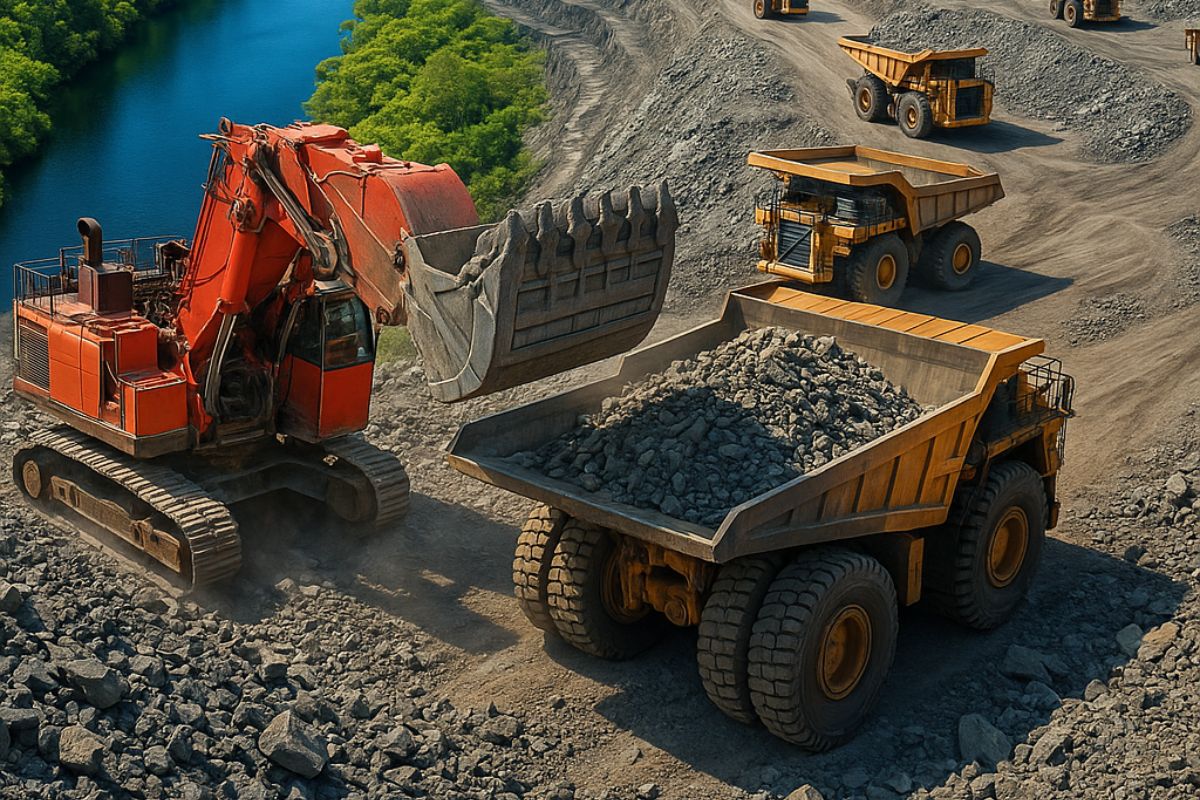
Operated by Vale in Pará, the Carajás mine is the largest open-pit mine in Brazil and relies on complex logistics to transport colossal equipment.
In the heart of the Amazon rainforest, in southeastern Pará, operates a colossus of the national industry: the Carajás Complex. Recognized as the largest open-pit mine in Brazil for iron ore extraction, its operation depends on an equally monumental supply chain. Giant parts, manufactured in industrial hubs thousands of kilometers away, such as in Paraná, must cross the country to keep the equipment running.
The operation, governed by the Brazilian giant Vale S.A., is a pillar of the planet’s mineral economy. The logistics behind it reveals the complex engineering necessary to extract and transport a wealth that positions Brazil as a world leader in the commodities market.
The Discovery in 1967 and the Scale of a National Giant
The history of Carajás began unexpectedly on July 31, 1967. A forced emergency landing of a helicopter led geologist Breno dos Santos to notice atypical vegetation in the region. The investigation confirmed the existence of one of the largest and richest iron ore deposits on the planet.
-
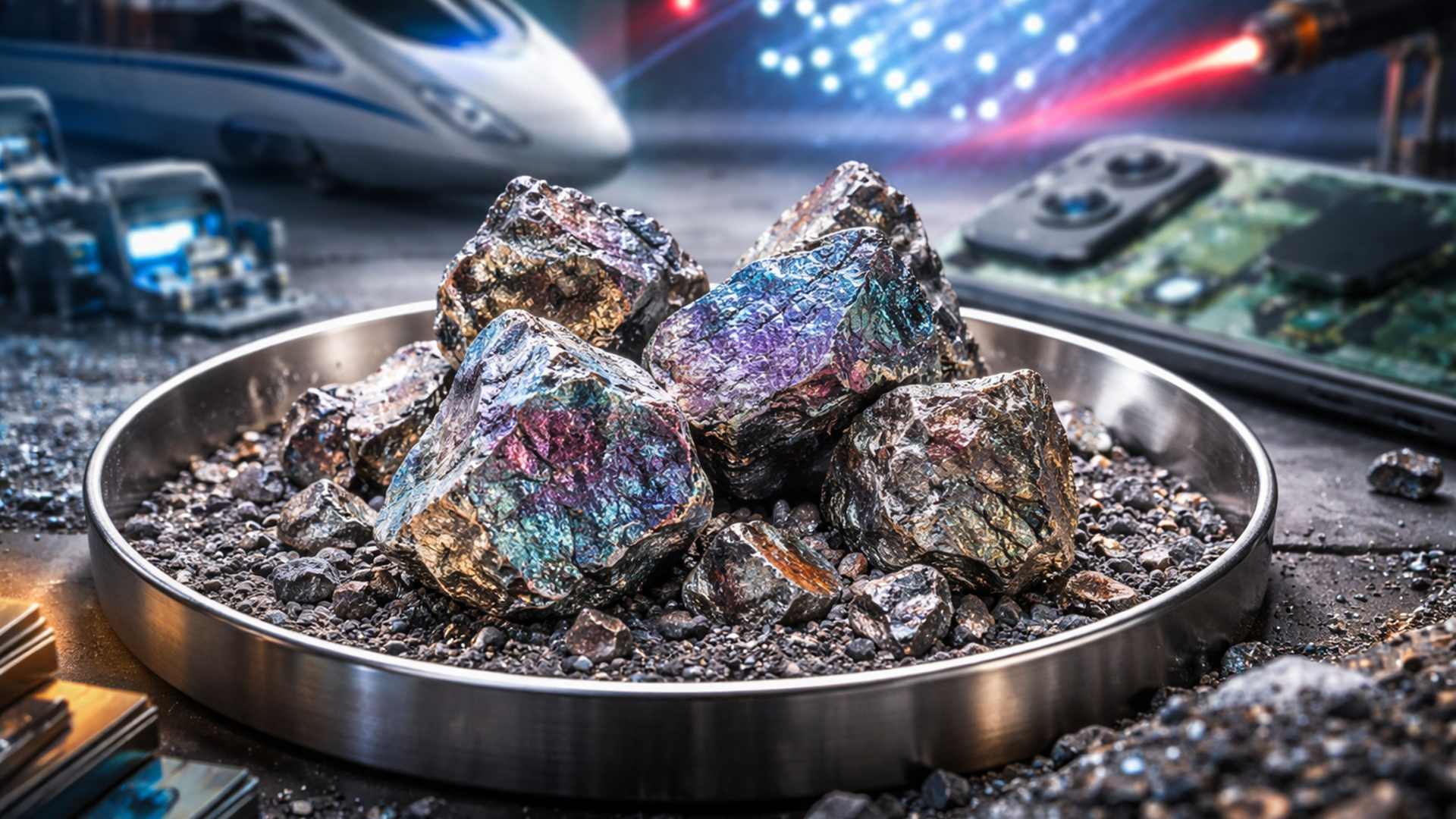
Rare earths are in everything, from cell phones to bullet trains, and what almost no one realizes is why they have become the target of such a delicate global war.
-
Brazil extracts 26.3 million tons of ore from what was previously treated as waste, transforming residues into wealth, producing over 3 million tons of sand, and demonstrating how national mining is relearning to generate value.

-
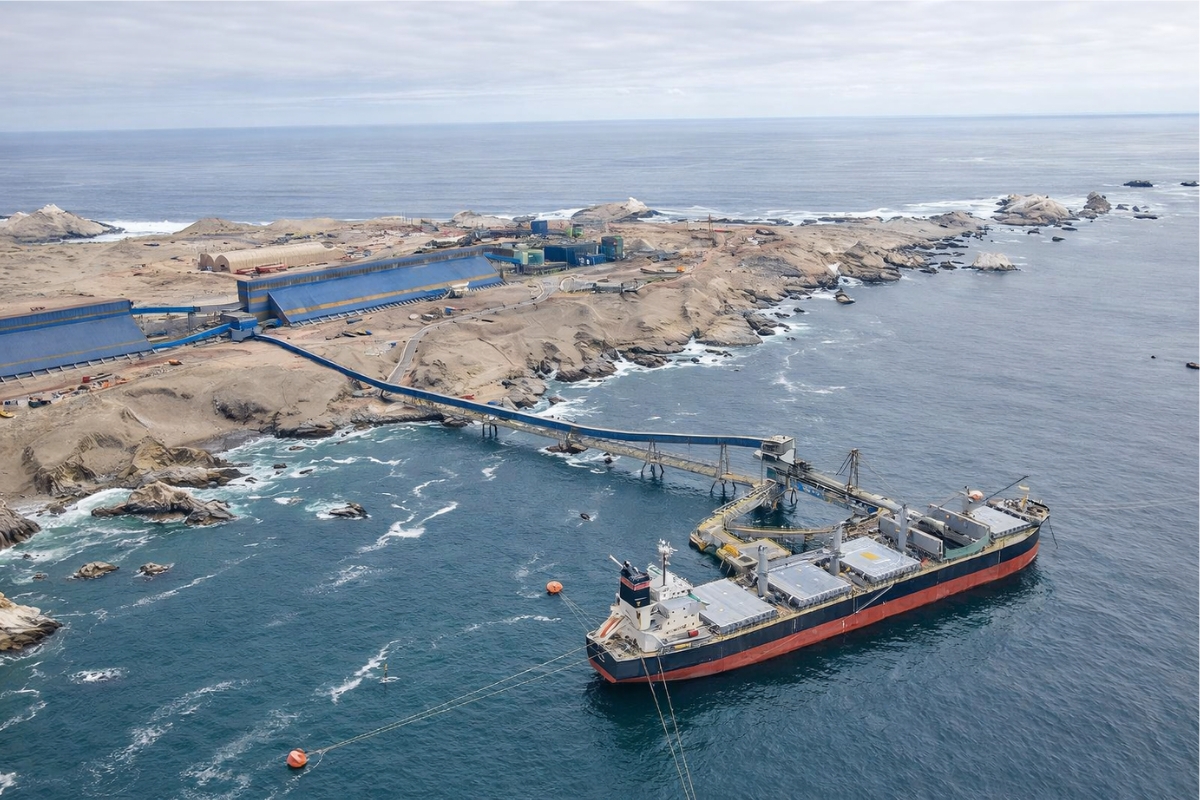
A $3.5 billion megaproject in Latin America pumps desalinated seawater at 1,050 liters per second over 194 km to keep a copper supermine in the Andes operational for another 20 years.
-
A hidden mine in the Andes valued at nearly R$ 1 trillion is starting to attract global attention, containing copper, gold, and silver, and raises an intriguing question: why do Argentina and Chile need to act together to exploit this gigantic wealth?
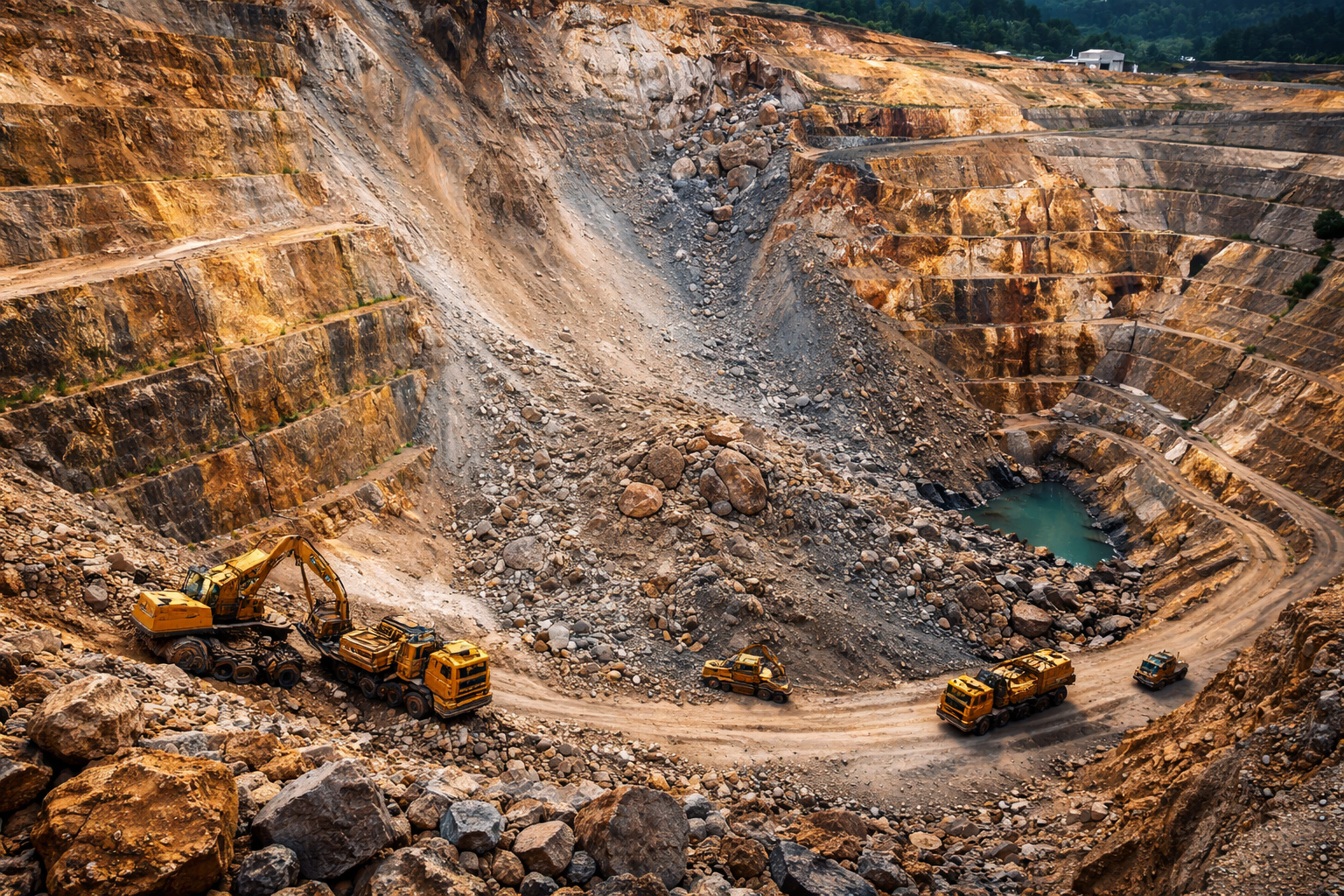

Today, the largest open-pit mine in Brazil produces over 100 million tons of high-grade iron ore annually. In 2024, Vale’s Northern System, which includes Carajás, produced 177.5 million tons, more than half of the company’s total production.
The Titans of R$ 25 Million, the Trucks That Move the Largest Open-Pit Mine in Brazil
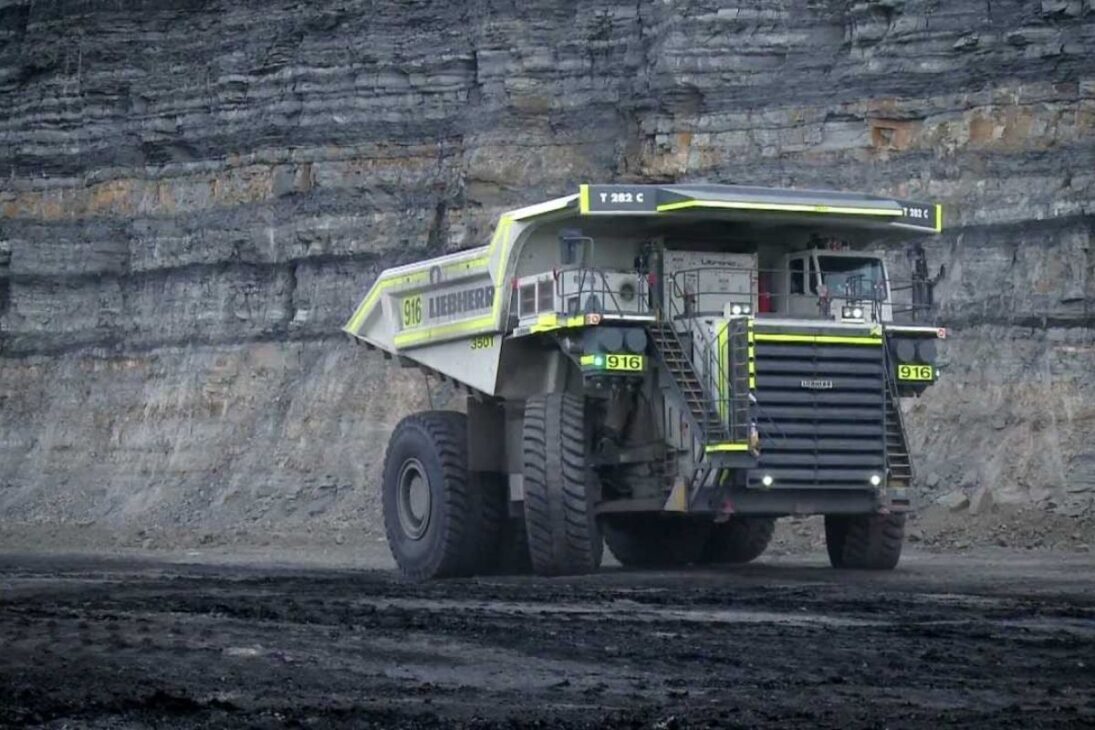
The movement of material within the largest open-pit mine in Brazil is carried out by a fleet of about 105 off-road trucks. These are ultra-class vehicles, such as the Liebherr T 282C and Caterpillar 797F, considered some of the largest in the world.
These vehicles are true engineering giants. With nearly 8 meters in height, they can carry 363 metric tons of payload at once. The cost of a single truck can reach R$ 25 million, and each of its tires, which are 4 meters tall, can cost up to R$ 400 thousand.
The 2,700 km Journey, the Challenge of Taking Parts from the South to the Amazon
The maintenance of this colossal fleet requires precise logistics. The “giant parts” for the trucks are manufactured in industrial centers in the South and Southeast of Brazil. Transporting these indivisible loads, which can weigh hundreds of tons, is a challenge.
The journey from an industrial center like Curitiba (PR) to Parauapebas (PA), the municipality where the mine is located, is approximately 2,774 km. Since it is an oversized load, the trip requires a Special Transit Authorization (AET), issued by DNIT, and can take weeks, requiring escorts and sometimes the closure of highways.
The R$ 70 Billion Plan Announced in 2025
To ensure the future of the operation, Vale announced in February 2025 the “Novo Carajás” program. The plan envisions an investment of R$ 70 billion between 2025 and 2030 with two main objectives. The first is to increase the iron ore production rate to 200 million tons per year by 2030.
The second is to diversify production, with a 32% increase in copper extraction. This move positions Vale as a key supplier of essential minerals for the energy transition, such as in battery manufacturing.
The Vital Importance of the Carajás Railway
After being extracted and processed, all the ore from Carajás is transported through a single and vital corridor: the Carajás Railway (EFC). With a length of 890 km, the railway is considered one of the most efficient in Brazil and connects the mine to the Ponta da Madeira Maritime Terminal in São Luís (MA).
It is on the EFC that the world’s largest freight train operates. The railway is the pillar that makes the entire project economically viable, as transporting such a large volume by highway would be impossible and financially prohibitive.









-

-

2 pessoas reagiram a isso.