





 Portuguese
  English
  Spanish
  6 min of reading
  0 comments


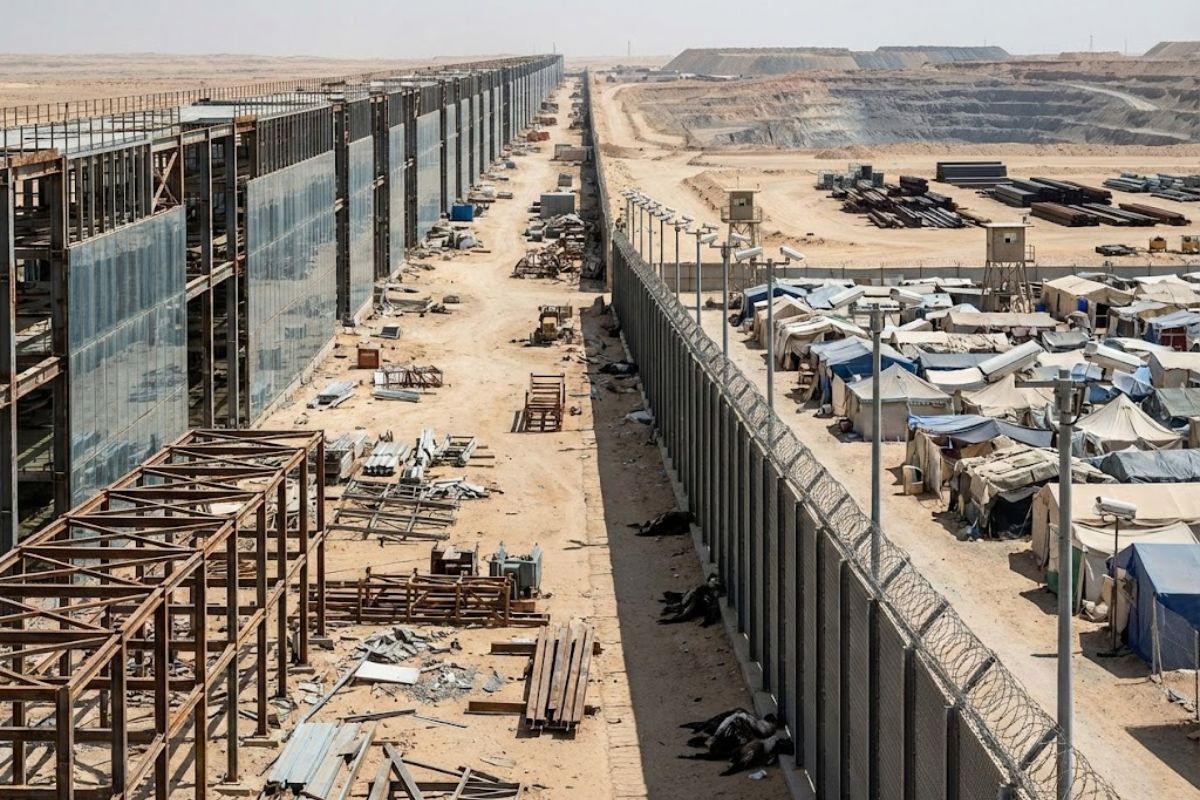
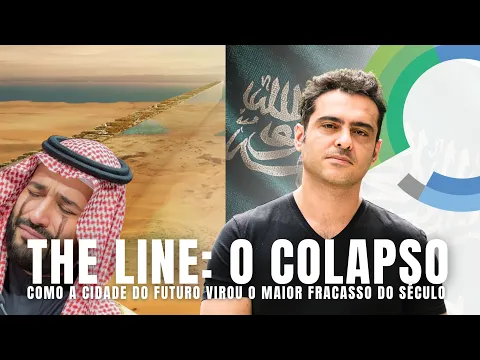
Presented As A Green Showcase Of Vision 2030, The Glass Megacity In Saudi Arabia, Known As The Line Within Neom, Is Described In The Analysis As A Scaled-Back And Expensive Project Marked By Forced Evictions, Abuses Against Migrants, Demand For Steel, Ecological Risks, And Global Billion-Scale Data Surveillance.
In 2024, a report by Human Rights Watch cited in the analysis points to abuses at construction sites in Saudi Arabia, including Neom, while the official promise of a sustainable city tied to Vision 2030 begins to be confronted by accusations about the glass megacity in Saudi Arabia and its model of social control.
According to the analysis, The Line lost traction because the plan depended on foreign direct investment to become viable, and with investors’ distrust, the glass megacity in Saudi Arabia is said to have undergone deep cuts to the scope, while the debate about costs, human rights, and surveillance grows.
Green Promise, Vision 2030, And The Accusation Of Greenwashing

The narrative presented for The Line, as part of Vision 2030 and the NEOM package, was described as a historic break: a zero-carbon city, fully sustainable and designed for humans.
-
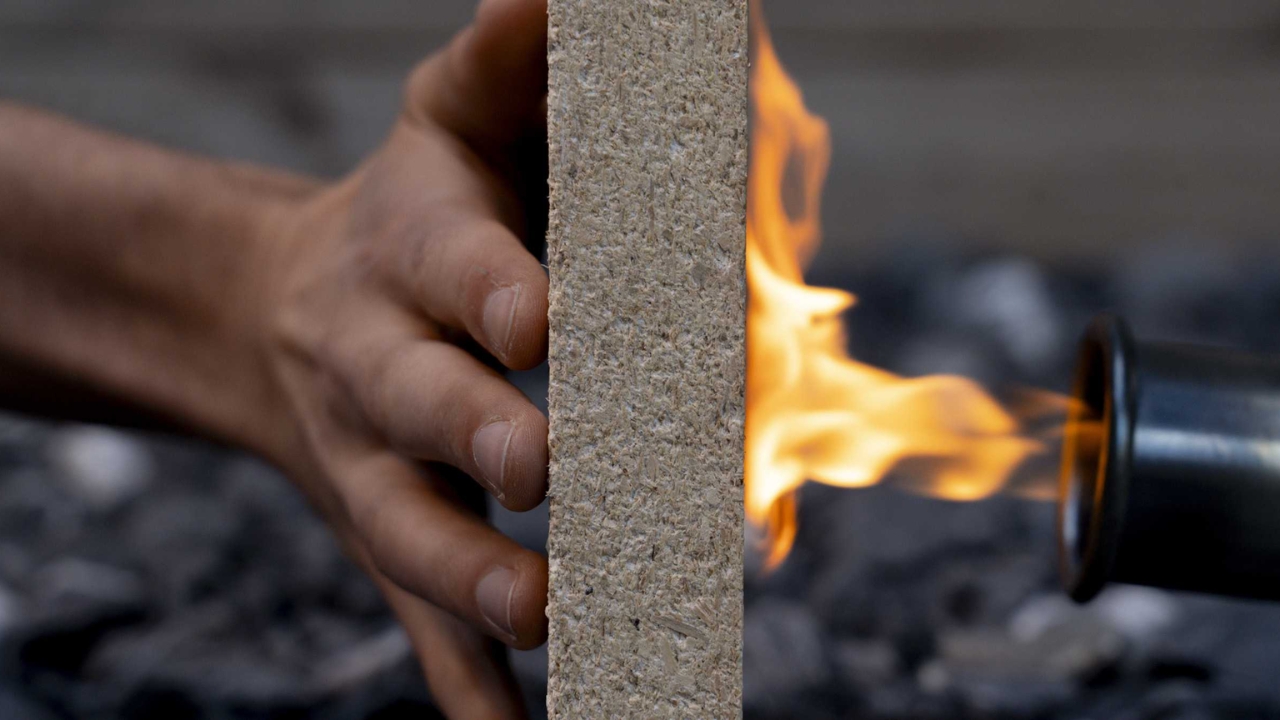
Scientists transform sawdust into fire-resistant panels, stabilize the compound with an enzyme extracted from watermelon seeds, and turn waste into promising material for construction.
-
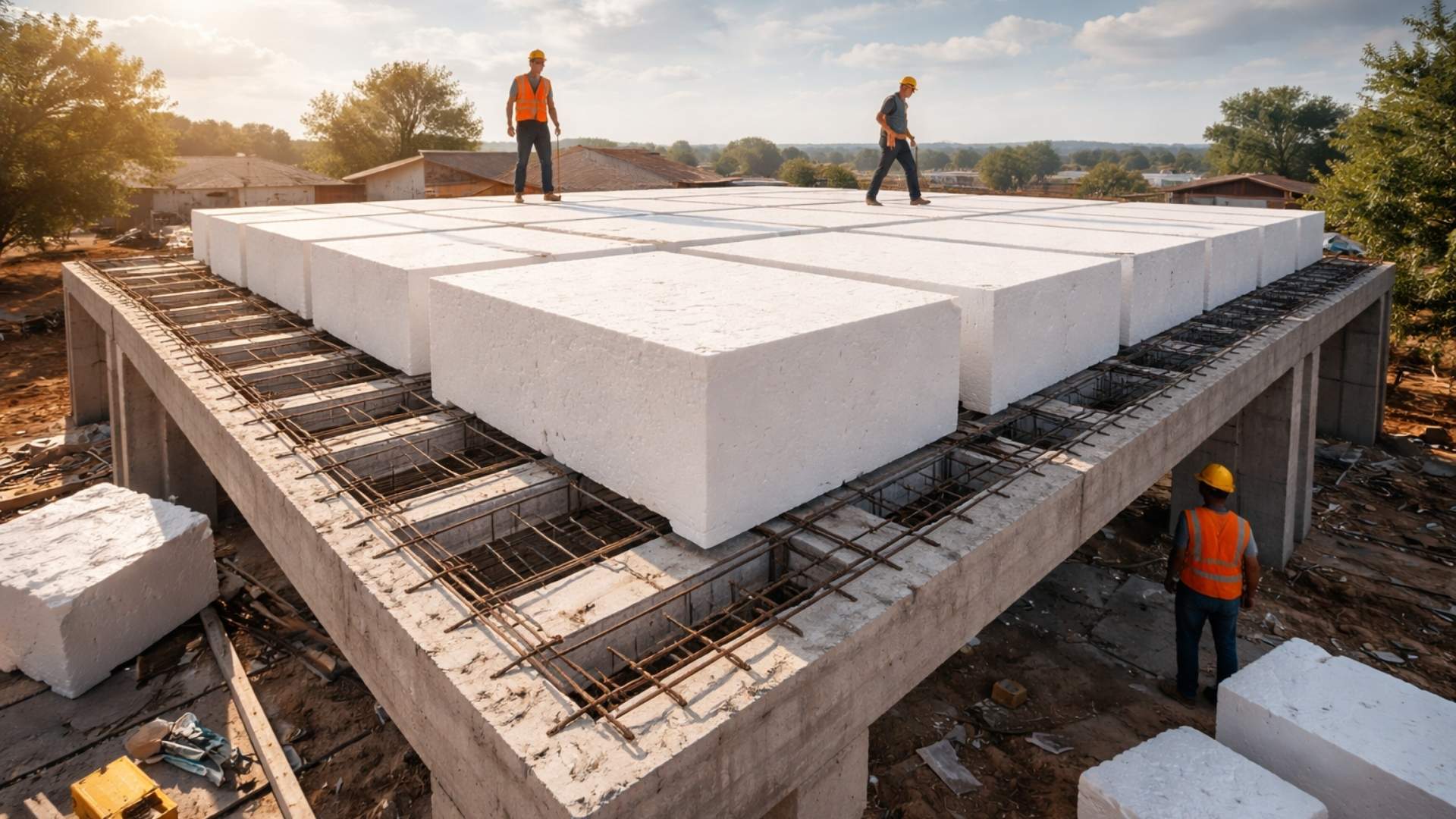
Forget concrete: architects are replacing tons of concrete with giant blocks of expanded polystyrene to build the roofs of houses and reduce structural weight by up to 50%, cut costs, improve thermal insulation, and speed up construction.
-
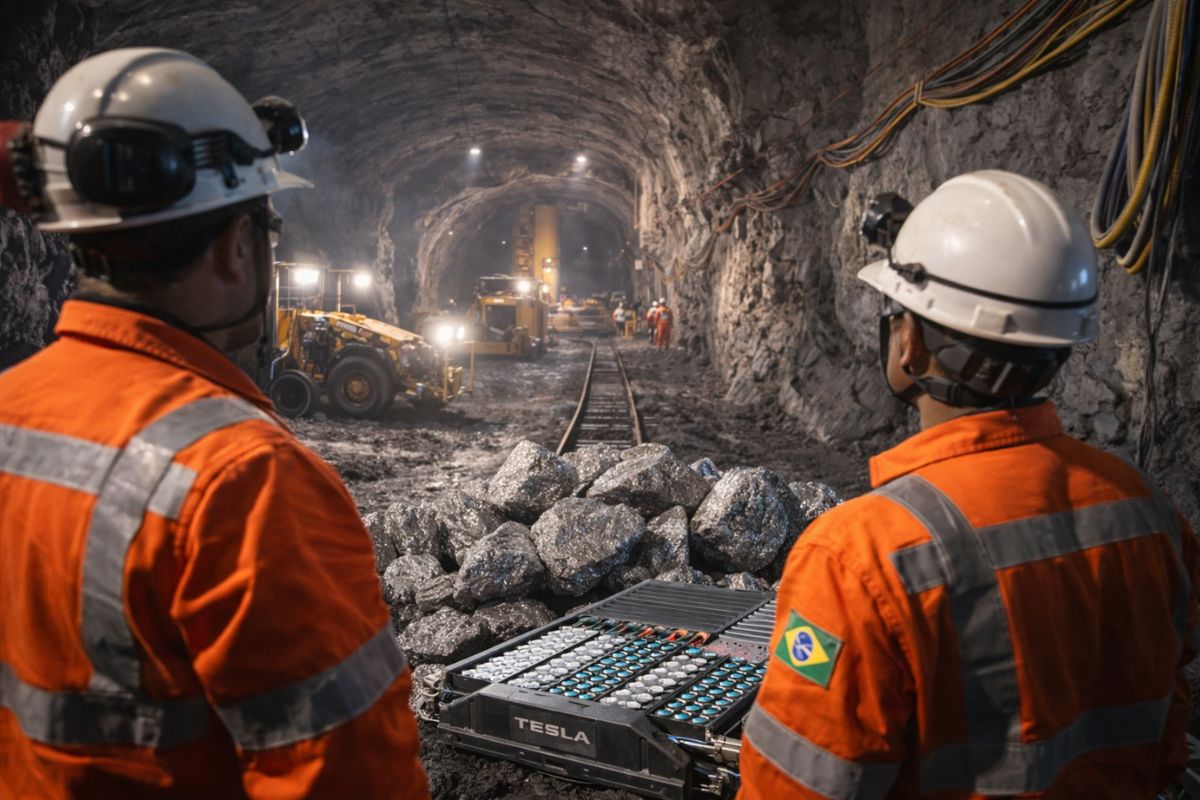
The Brazilian state enters the center of the global race for critical minerals by starting the construction of the largest underground nickel mine in Latin America, a mineral essential for electric car batteries that the entire world is competing for at this moment.
-
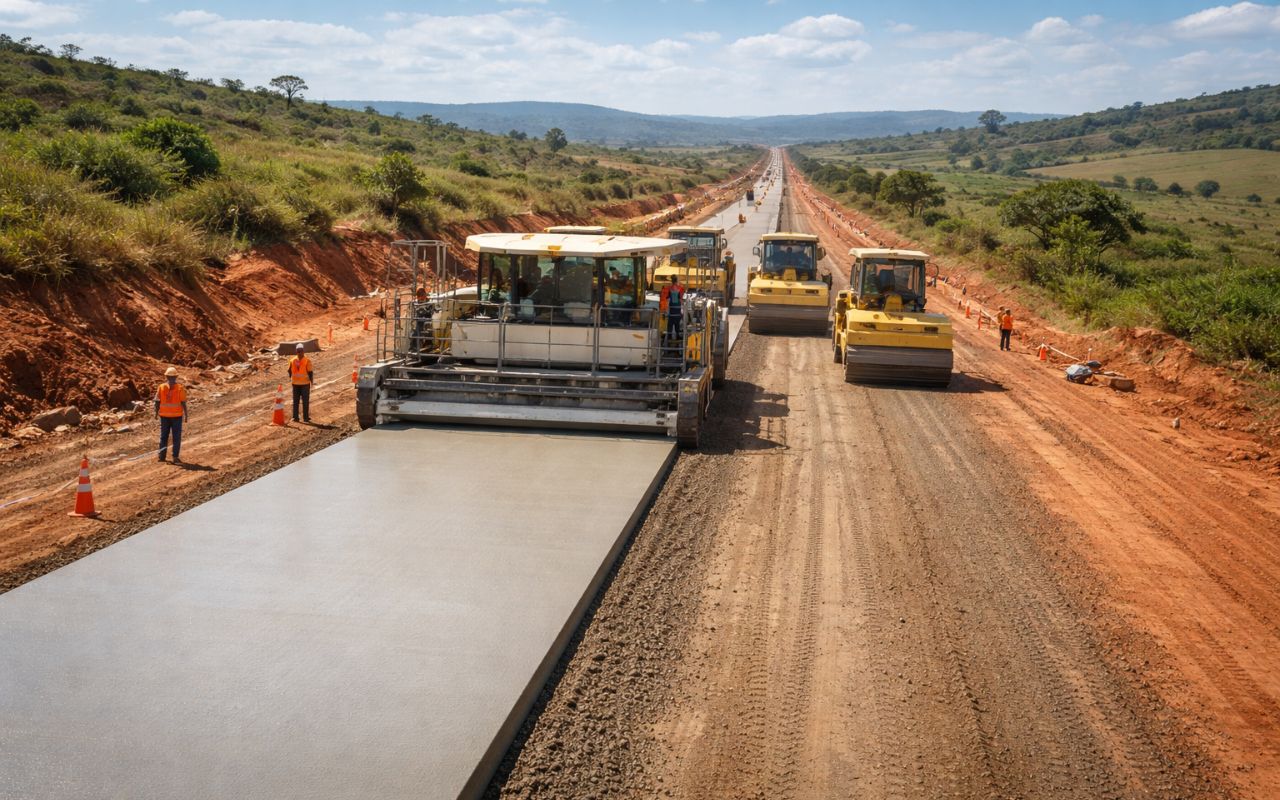
New CCR concrete paving technology promises roads up to 3x more durable, less maintenance, and cost reduction in Brazil.

The analysis challenges this promise and states that the glass megacity in Saudi Arabia would function as a showcase for false climate solutions, associated with green hydrogen and carbon capture and storage.
The central argument is that these technologies would be used to prolong the demand for fossil fuels, not to replace them.
The analysis also describes the hiring of consulting firms and public relations to sustain the image of The Line, reducing the public space for criticism and increasing dependence on marketing narratives.
Lands, Evictions, And Conflict With Local Communities

The analysis states that the 26,500 km² area designated for the project would not be an uninhabited region and indicates the historical presence of local communities, citing the Huwaitat tribe.
To enable the linear geometry of The Line within NEOM, the report describes forced evictions, intimidation, and repression against local resistance.
One cited episode involves a resident identified as Abdul Rahim Ahmad Mahmoud al-Huwaiti, who, according to the analysis, posted videos against the eviction and was reportedly shot dead by security forces.
The analyzed text also claims that tribal leaders were paid to publicly repudiate the resident, while protests were treated as terrorism, with arrests and trials in secret courts.
Migrant Workers, The Cafala System, And Allegations Of Abuses

In the construction phase, the analysis describes the influx of a disposable migrant workforce to raise the glass megacity in Saudi Arabia.
The text cites the 2024 report by Human Rights Watch, titled “Die First Or I’ll Pay You Later”, as a basis for allegations of widespread abuses at construction sites across the country, including projects tied to NEOM.
Among the reported issues are wage theft, withheld wages for months, illegal recruitment fees, pre-existing debt, extreme heat without adequate protection, poor housing, and deaths classified as natural or unexplained without investigation.
The analysis links this scenario to the CAFALA system, described as a mechanism that gives the employer control over the worker, and mentions that organizations such as Amnesty International believe such abuses can amount to human trafficking for labor exploitation.
Embedded Carbon, Steel, Glass And The Scale Of Materials
The analysis argues that the sustainability discourse ignores “embedded carbon”, meaning emissions from the construction process.
One cited piece of data attributes to Professor Philip Oldfield from the University of New South Wales the estimate of 1.8 billion tons of carbon dioxide associated with construction, a figure compared to four times the annual emissions of the United Kingdom.
According to the same report, the projected height of 500 meters and the linear shape would require extreme volumes of steel, glass, and concrete to withstand wind loads in the desert and avoid structural collapse.
The analysis further mentions that the project’s investment director reportedly claimed that The Line uses 20% of the steel available on the planet and that the Saudi government mandated the construction of a factory capable of producing up to 20,000 m³ of concrete per day.
Mirrored Facade, Bird Route, And Ecological Criticism
Another point described is the 170 km mirrored facade, presented as an integration with nature.
The analysis states that, in practice, the glass megacity in Saudi Arabia would cut through a fragile ecosystem and create a barrier difficult for terrestrial wildlife to cross.
The text also asserts that The Line’s layout would fall along one of the planet’s main migratory routes for birds, and that the combination of 500 meters in height, continuity, and mirroring could produce large-scale collisions, with the risk of killing tens of thousands of migratory birds, according to experts cited in the report.
Five-Minute City, Actual Distances, And Transport Fragility
The analysis criticizes the promise of a “five-minute city” and states that the linear form increases average internal distances.
One cited calculation indicates that two random people in The Line would be, on average, 57 km apart, while in Johannesburg, noted as 50 times larger in area, the average distance would be 33 km.
According to the analysis, only 1.2% of the population would be 1 km from one another, forcing 98.8% to rely on a single transportation system.
The high-speed train plan, described as capable of crossing 170 km in 20 minutes, is categorized as incompatible with the demand for walkable accessibility: for that, at least 86 stations would be needed, which would raise the average travel time to 60 minutes, with 47% of the population traveling more than that.
Costs, Foreign Investment, And The 98% Cut In Scope
On the financial axis, the analysis states that cost estimates have jumped from $500 billion to quoted figures of up to $9 trillion, with interim projections between $1 trillion and $1.5 trillion.
The text attributes the fragility to a lack of foreign direct investment and the perception of unrealistic plans, in addition to accusations of human rights violations associated with the business environment.
Without external capital, the report states that the project would depend on the PIF, the Saudi Public Investment Fund, which in turn would be sustained by Aramco.
The analysis adds that lower-than-expected oil revenues would pressure the PIF’s cash flow.
As a consequence, the text claims that The Line would have been reduced by 98%, from 170 km to a fragment of 2.4 km, with the adjusted goal of 1.5 million to 300,000 people by 2030.
Surveillance, Personal Data, And Governance By AI
The analysis states that the technological layer of a “smart city” exposes an objective of autocratic governance, with strong reliance on artificial intelligence.
In this model, surveillance would be sustained by facial recognition cameras, smartphones, and household sensors, with continuous data collection.
A point described as particularly sensitive is the proposal to pay residents for their own data.
The analysis asserts that this arrangement would transform privacy into a commodity and create unequal surveillance, in which poor people would be economically pressured to accept monitoring, while higher-income groups could refuse.
Follow public statements from the project, human rights reports, and scope reviews to verify whether the glass megacity in Saudi Arabia and The Line will continue to advance within NEOM under Vision 2030, or if the financial cut will become definitive.
Would you live in a glass megacity in Saudi Arabia like The Line, knowing that the proposal involves surveillance and collection of personal data?






-

-

-

-

12 pessoas reagiram a isso.