





 Portuguese
  English
  Spanish
  4 min of reading
  0 comments


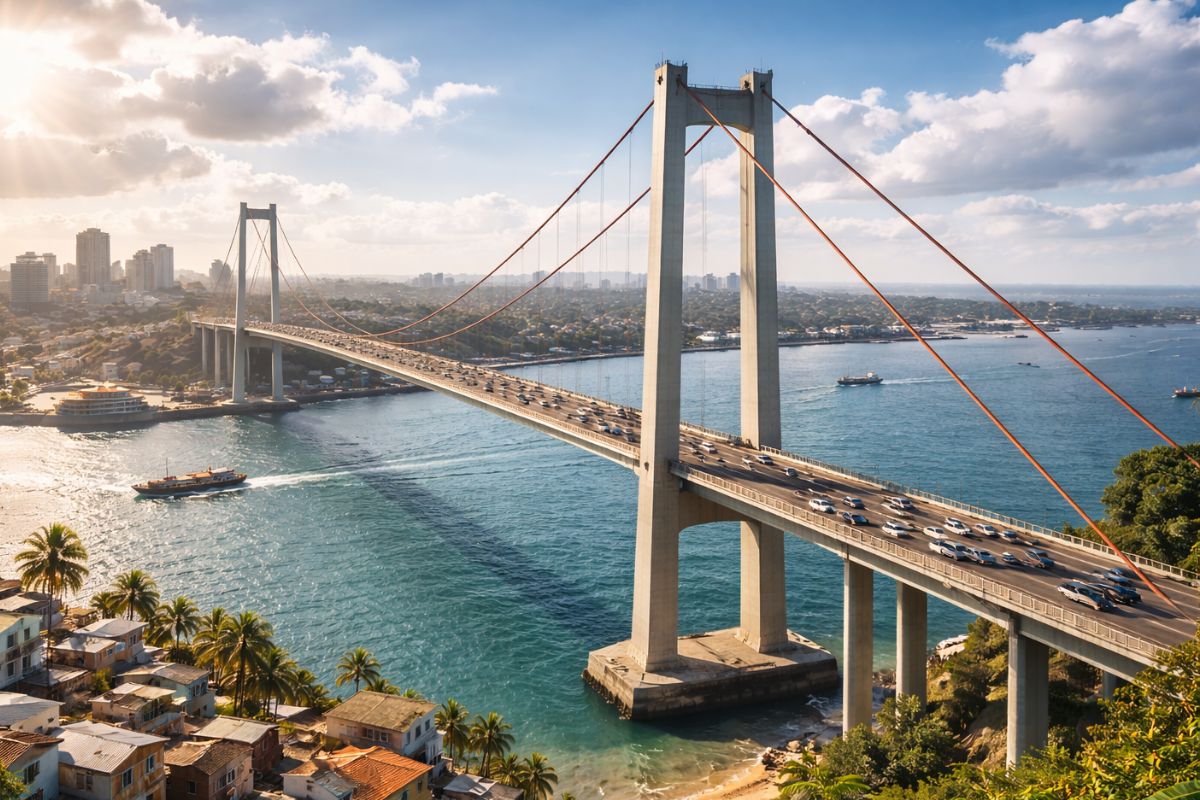
The Chinese work that crossed the Bay of Maputo with a suspended span of 680 m changed daily transport, opened the way for new projects, and also raised long-term financial pressure.
The Chinese work of the Maputo-Katembe Bridge transformed a crossing that was previously slow, unpredictable, and dependent on ferries into a journey made in just a few minutes over the ocean.
The change resolved a historical mobility bottleneck in the capital, expanded regional connectivity, and created a more direct road link with South Africa, but it also brought a high cost financed by external loans, impacting public finances.
Before the bridge, the crossing was a hindrance to the capital
For decades, Maputo and Catembe were separated by just a few kilometers of water, but by a real barrier to access. The ferries operated on fixed schedules, demand exceeded capacity, and queues formed at the terminals, especially during peak hours.
-
Dutch people are replacing common fences with “rain fences,” fences that store rainwater in the garden: up to 2,160 liters, relieving the sewage system during storms and helping to cope with drought in the summer.

-
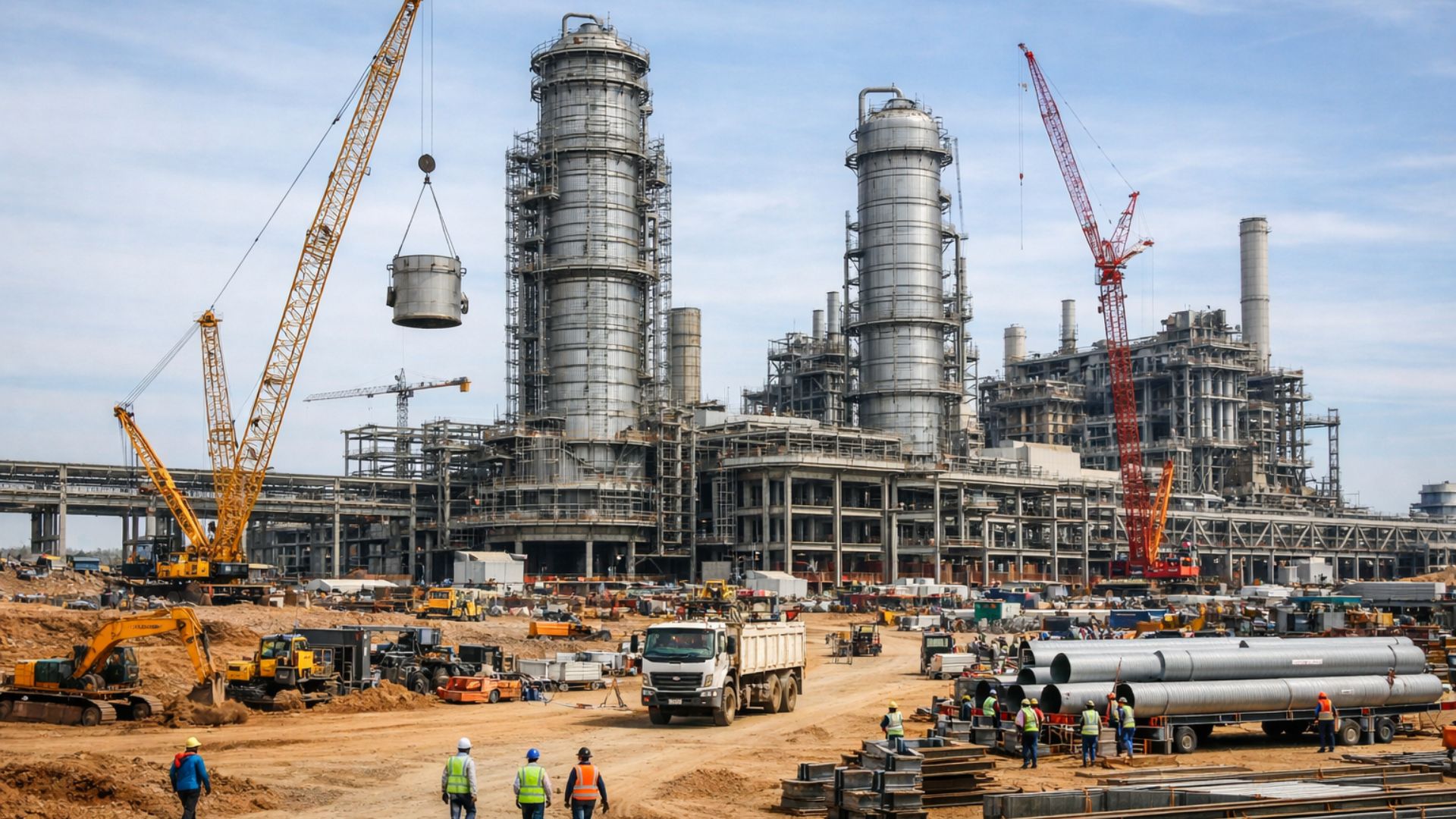
The largest pulp factory in the world is being built in Brazil for R$ 23 billion and promises 14,000 jobs; see how the construction is progressing, which will have 3.5 million tons/year, 400 MW of clean energy, and 400,000 hectares of eucalyptus.
-
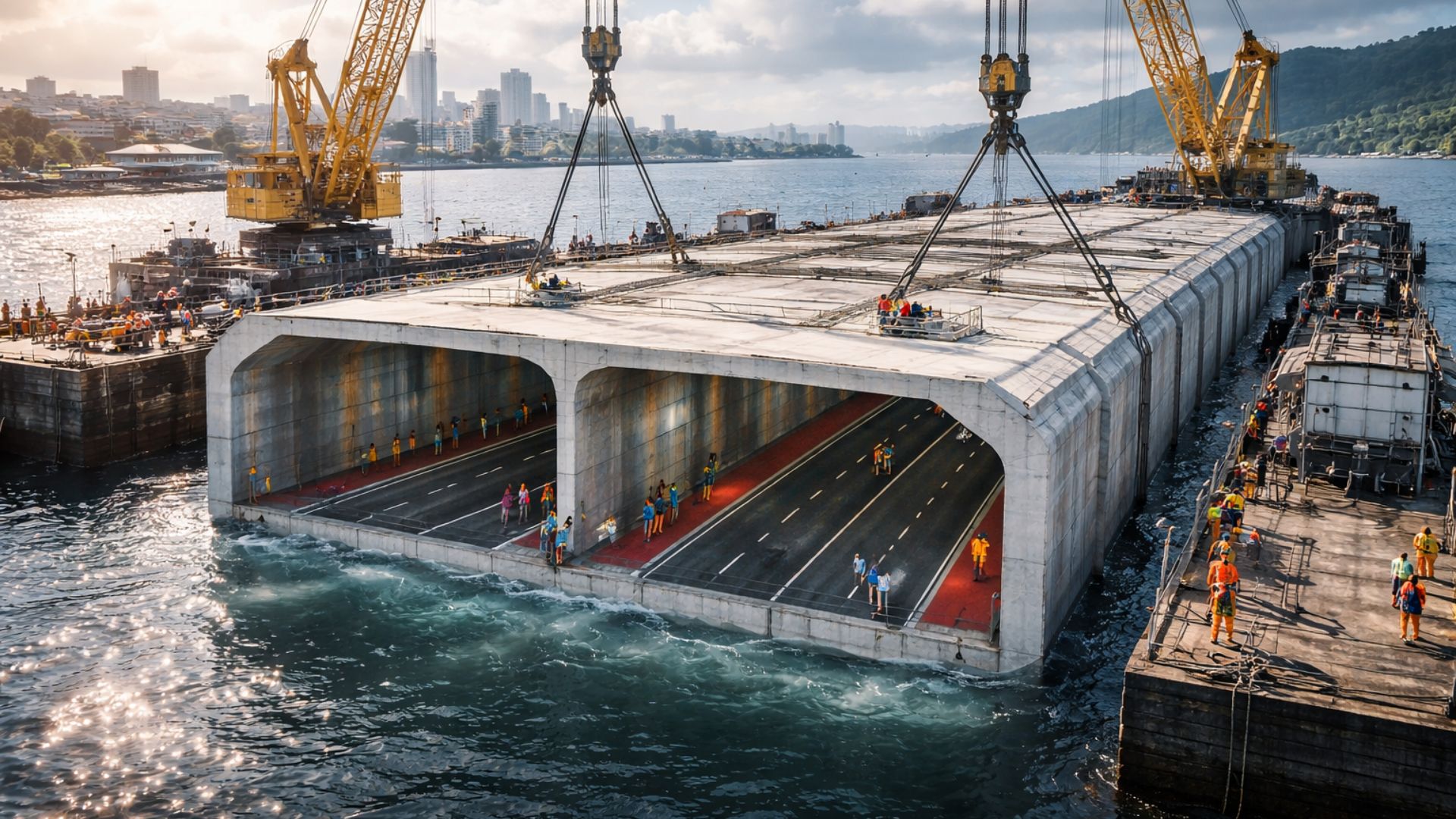
The first underwater tunnel in the history of Brazil will cost nearly R$ 7 billion, with R$ 5.2 billion in public funds, will reduce the crossing time to 5 minutes, and is progressing amid political disputes, obstacles from the TCU, and is scheduled for completion by 2031.
-
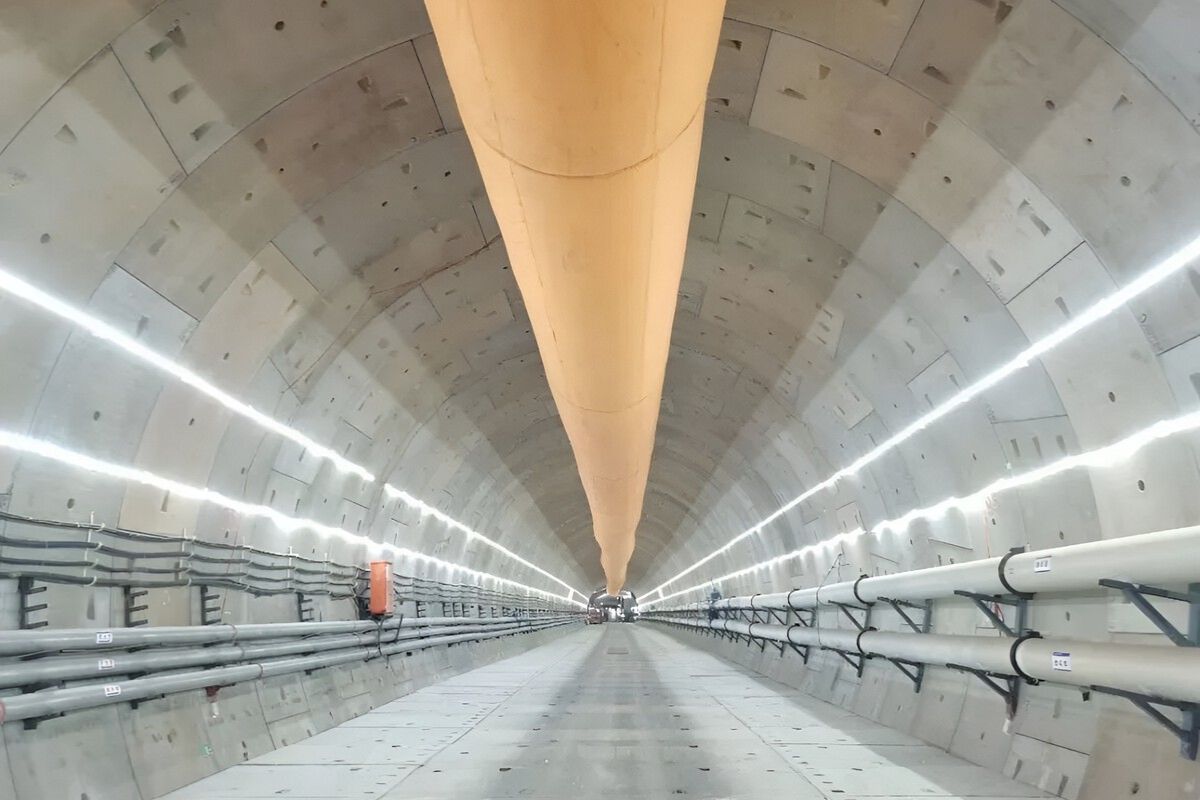
China digs a submarine tunnel for high-speed train and reaches 113 meters below the seabed, facing 13 layers of soil, fault zones, and intense pressure at the mouth of the Pearl River.
The weather made everything worse. Strong winds and rough waters delayed or canceled trips, causing movement between the two sides to decrease or stop, with clear economic consequences for a growing capital.
The Chinese work that raised the longest suspension bridge in Africa

When it was inaugurated in 2018, the Maputo-Katembe Bridge became the longest suspension bridge in Africa. It was designed, financed, and built with significant involvement from China, which transformed the crossing into one of the continent’s most relevant infrastructure partnerships.
The Chinese work was executed by the China Road and Bridge Corporation, a state-owned company with experience in large-scale projects, and most of the funding came from loans from the China Export-Import Bank.
Measures and engineering in an environment that is costly
The bridge spans nearly 3 km and has a main suspended span of about 680 m, without support underneath. Two towers over 140 m above the water support steel cables that carry the deck and allow ships to pass unobstructed.
The choice of a suspension bridge was not aesthetic. This type of structure is used when long spans are required and when placing many supports in the water is impractical, especially over deep and exposed ocean waters.
Wind, corrosion, and unstable seabed became a daily test

The Bay of Maputo lies along the Indian Ocean, with strong winds, seasonal storms, and the possibility of cyclones at certain times of the year. This made it difficult to maintain consistent schedules and required frequent interruptions to ensure safety and accuracy.
In addition to the wind, saltwater is a constant enemy. Salt accelerates corrosion, weakens steel, and damages components over time, which requires protective coatings, sealed systems, inspections, and ongoing maintenance throughout the lifespan.
The soil also did not make things easy. Layers of soft sediment can shift in coastal areas, so the foundations needed to be designed to maintain stability even with underground changes, including safety requirements for soil movement.
The immediate impact, end of the ferries, and new connection with the region

In practice, the Chinese work ended the dependence on ferries as the main link between Maputo and Catembe. The bridge was designed to solve a transport problem, open new lands for development, and complete a direct road route towards South Africa, one of the largest economies in the region.
With a faster and more predictable crossing, the barrier that held back development on the southern side loses strength, and the flow of workers, goods, and services begins to occur with fewer interruptions.
The price of transformation, high cost, loans, and debt


The estimated total cost of the project was between 700 and 800 million dollars, making the bridge one of the most expensive infrastructure projects ever undertaken in Mozambique.
As the financing came mainly from external loans, the country took on a long-term financial obligation, with payments spread over many years.
The Chinese work, therefore, carries two realities at the same time. On one hand, it is infrastructure delivered with a direct impact on connectivity. On the other hand, it is a financial commitment that depends on future economic performance, in addition to the recurring maintenance costs in a marine environment.
A bridge that became a symbol of a larger model in Africa
The Maputo-Katembe case is not isolated. In various parts of Africa, Chinese banks finance, Chinese state-owned companies build, and payments extend over long terms, accelerating works that many countries could not afford with just internal resources.
When looking at this crossing, you can see more than concrete and cables. The Chinese work is a piece of an infrastructure pattern that reshapes how African countries connect, move production, and grow, while managing financial risks that arise after inauguration.
If the Chinese work resolved a historical bottleneck in your country but increased debt for decades, would you still support it or prefer a slower, domestic path?







Seja o primeiro a reagir!