





 Portuguese
  English
  Spanish
  4 min of reading
  0 comments


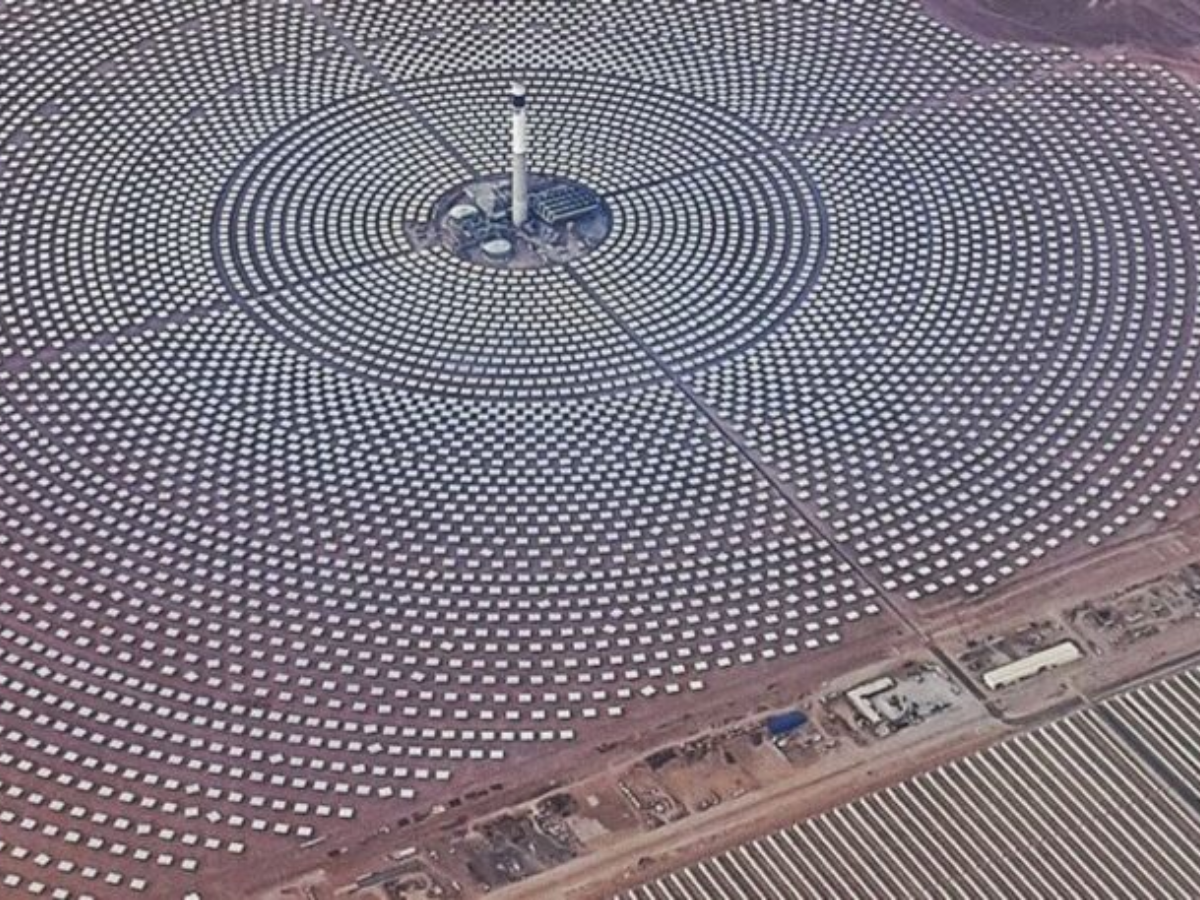
Projects Like The Noor Solar Complex In Morocco And Xlinks Demonstrate The Potential Of A Mega Solar Farm In The Sahara To Power Europe, But Face Technical, Economic, And Geopolitical Challenges
The idea of harnessing the vast solar energy of the Sahara Desert to power millions of people in Europe represents a transformative opportunity for energy cooperation and the transition to clean sources. A mega solar farm in this region could redefine energy relations between the continents.
Flagship projects in Morocco and Tunisia are already underway or in advanced planning, utilizing cutting-edge technologies for energy generation and transmission. Understand the potential, technology, challenges, and implications of these ambitious undertakings.
The Energy Potential Of The Sahara
The Sahara Desert has some of the highest solar irradiation levels on the planet and vast stretches of land with few alternative uses. This combination creates a gigantic energy potential. The location of Ouarzazate, in Morocco, for instance, records a Direct Normal Irradiance (DNI) of approximately 2,635 kWh/m²/year.
-
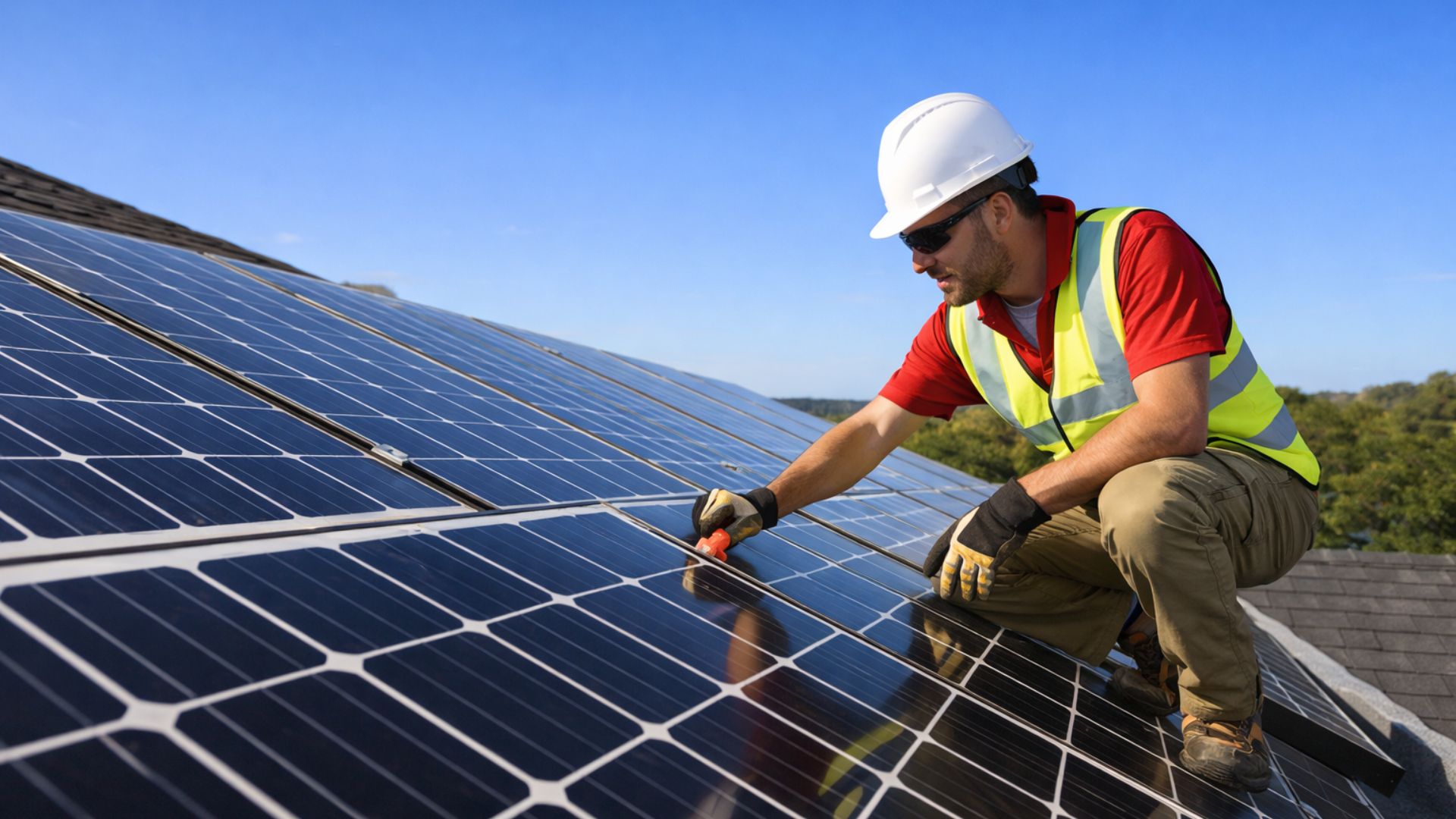
Seagri’s headquarters invests in solar energy with Neoenergia Coelba and promises to cut electricity costs, highlighting a strategic advance in sustainability and energy efficiency within state public administration.
-
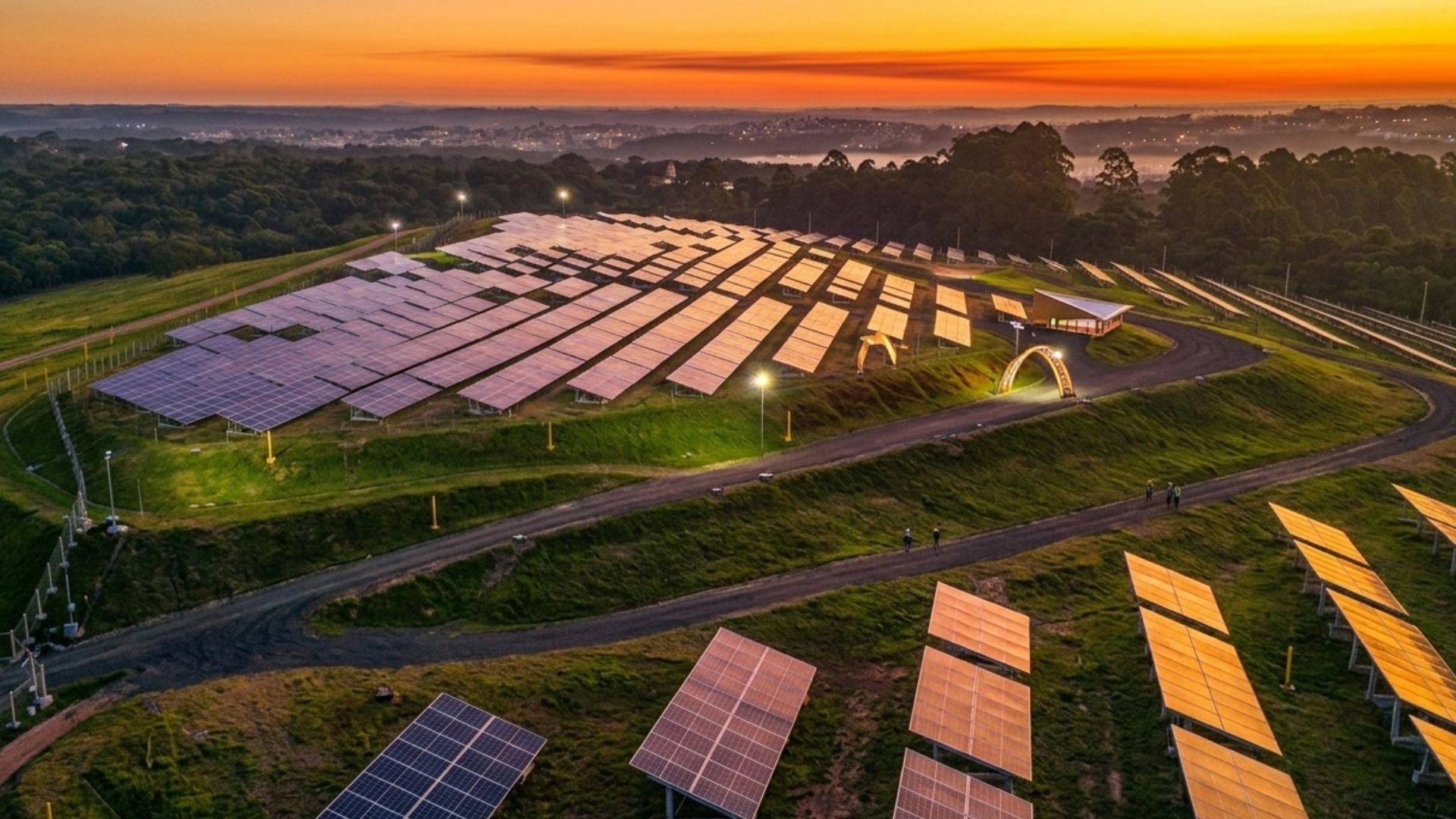
Solar Pyramid draws attention by converting solar energy into million-dollar savings and repositioning the City Hall of Curitiba as an example of innovation, sustainability, and intelligent use of public resources.
-
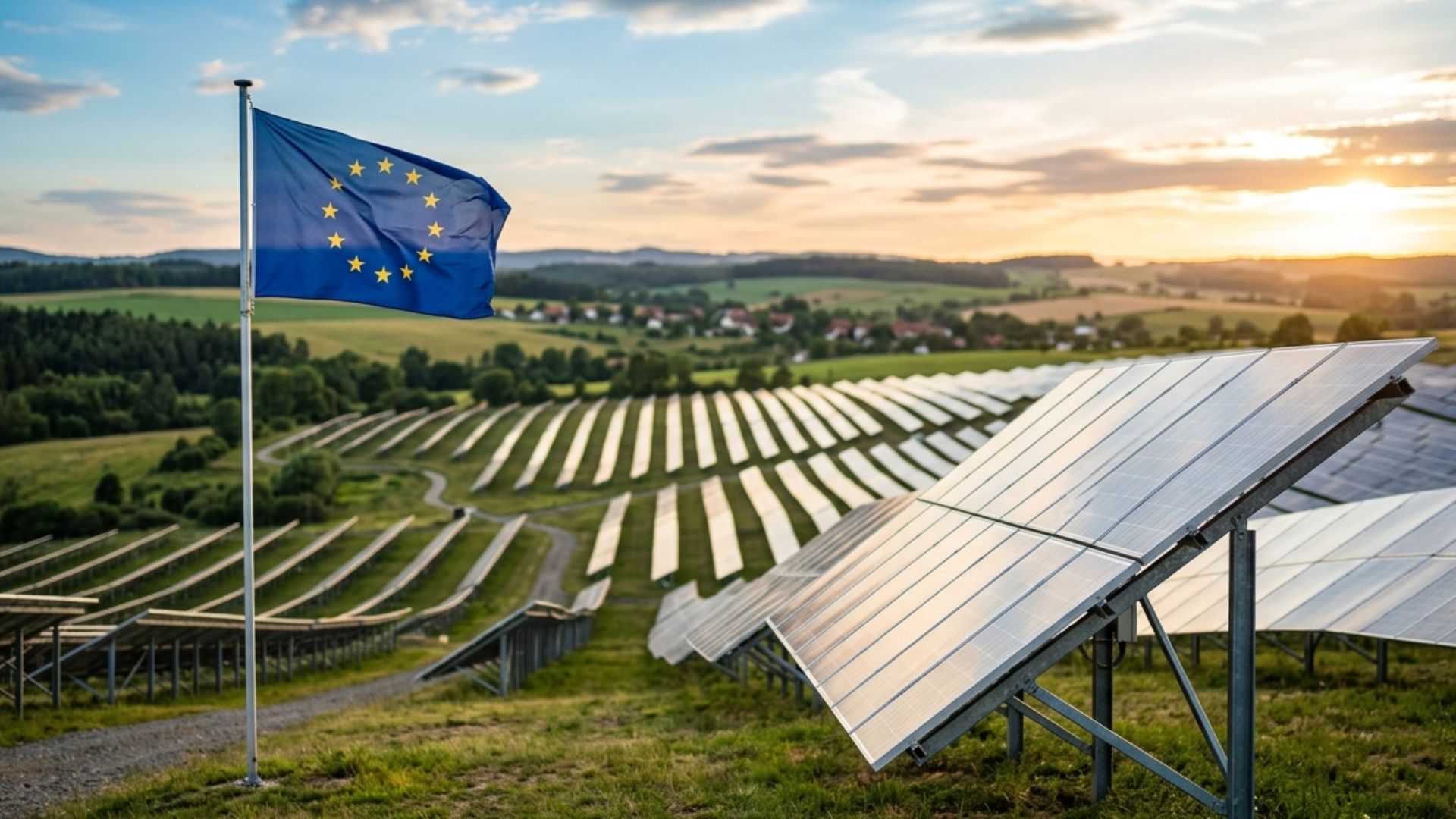
Europe records strong euro economy with solar energy in March and sparks curiosity about which country leads growth that redefines the energy market and reduces costs.
-
Piauí reaches a historic milestone in energy transition: State records nearly 160,000 households powered by solar energy and leads growth in the Northeast.
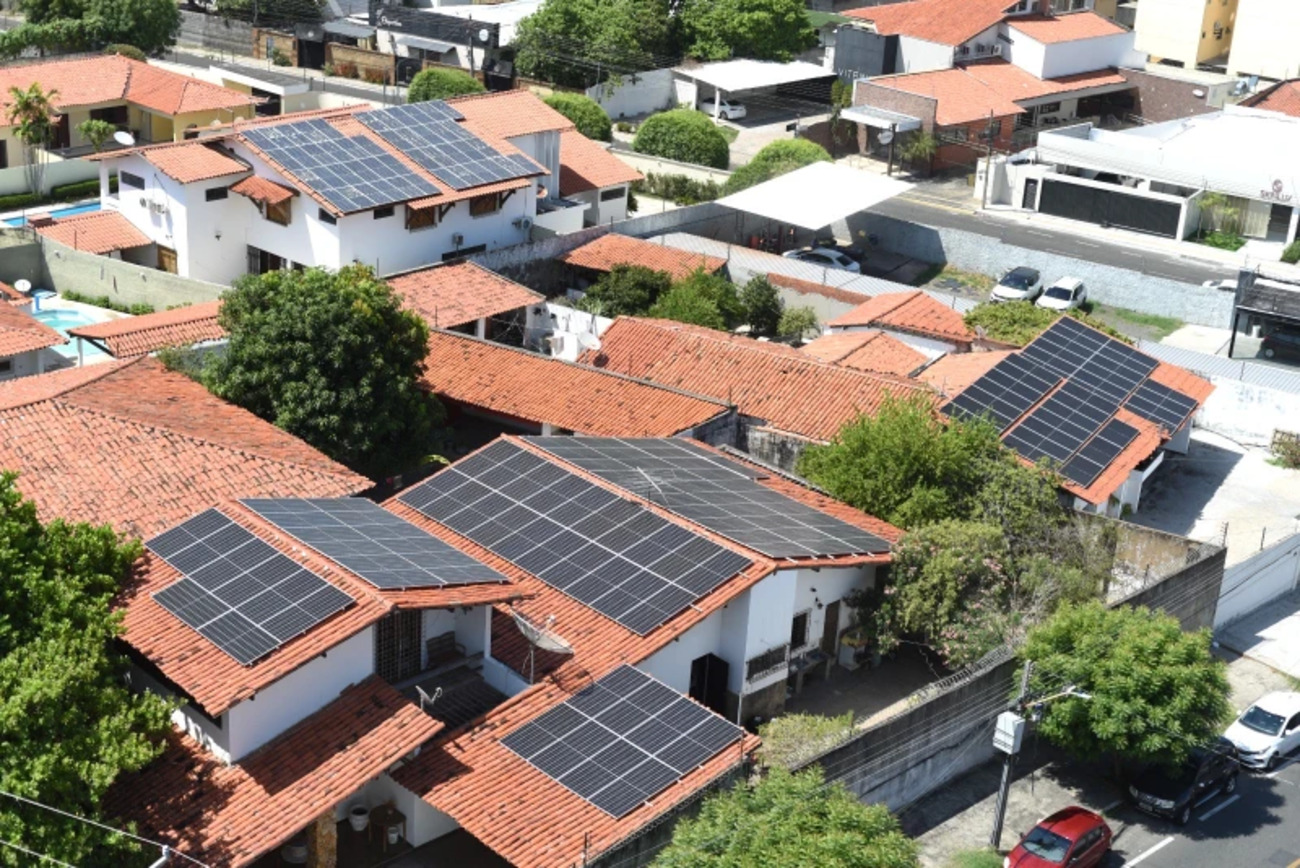

This potential aligns with the European Union’s goals to diversify its energy sources, reduce dependence on fossil fuels, and enhance its energy security, as seen in plans like REPowerEU and the Global Gateway initiative. The idea is not new, dating back to the Desertec project, but current initiatives such as Xlinks and TuNur focus on more pragmatic bilateral agreements.
Noor Solar Complex, The Operational Giant And Its Lessons
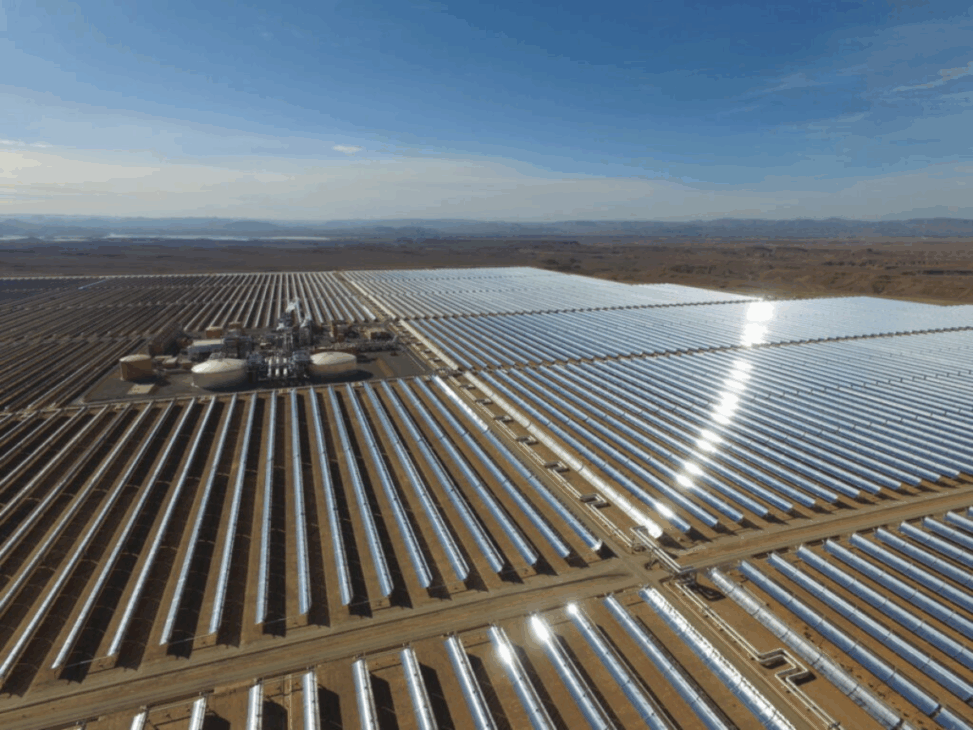
The Noor Ouarzazate Solar Complex, in Morocco, is one of the largest concentrated solar power (CSP) facilities in the world and a hallmark of Morocco’s commitment to renewables. With a total capacity of 580 MW, the complex is divided into four phases (Noor I, II, III, and IV), which combine CSP technology with thermal energy storage in molten salts and photovoltaic (PV) technology.
The primary goal of the complex is to supply Morocco’s domestic market, but the export potential to Europe has been a consideration from the outset. The project has generated thousands of jobs in construction and hundreds in operation, focusing on local content. However, the high water consumption of CSP technology in an arid region is a significant environmental challenge.
The Mega Solar Farm Xlinks (Morocco-United Kingdom) And TuNur (Tunisia)
Xlinks Morocco-United Kingdom Project: This is one of the most ambitious proposals, aiming for a generating capacity of 11.5 GW of solar and wind energy in Morocco. The energy would be transported via a 3.6 GW HVDC submarine cable approximately 4,000 km long to the United Kingdom. The estimated cost is $30 billion, and the project has been designated as “nationally significant” by the British government. However, it faces criticism regarding “green colonialism.”
TuNur Project (Tunisia): The strategy of this project has evolved. Initially focused on the export of electricity from a mega solar farm of 4.5 GW to Italy, Malta, and France, it now also includes the production of green hydrogen, ammonia, and methanol for export, aligning with Tunisia’s National Green Hydrogen Strategy. The project also faces socioeconomic and environmental criticisms, especially regarding land and water use.
Long-Distance Generation And Transmission
The feasibility of these projects depends on robust technologies. In generation, there is a dispute between:
Concentrated Solar Power (CSP): With the advantage of integrating thermal storage, allowing dispatchable production, but with higher water consumption and costs.
Photovoltaic (PV): With a significantly lower Levelized Cost of Energy (LCOE) and minimal water consumption, becoming increasingly competitive, especially when coupled with battery energy storage systems (BESS).
For energy transport, High Voltage Direct Current (HVDC) technology is the solution. It allows the transmission of large blocks of energy over thousands of kilometers with much lower losses than alternating current (AC). Projects like Viking Link (UK-Denmark), at 764 km, demonstrate the effectiveness of this technology.
The Future Of Sahara-Europe Energy, Feasibility, Risks, And The Search For Equitable Partnerships


The economic viability of these projects depends on the competitiveness of the imported energy LCOE compared to renewables in Europe, which requires very low generation costs in Africa. Financing is a challenge, typically involving Public-Private Partnerships (PPPs) and support from Development Finance Institutions (DFIs).
The risks are multifaceted: technical (installation and maintenance of submarine cables), financial, geopolitical, and the need to maintain a social license to operate. It is crucial that these projects are structured as equitable partnerships, ensuring socioeconomic benefits for North African countries and transparently addressing concerns about “green colonialism.” The success will depend on a balance between technological ambition, economic feasibility, and, fundamentally, social and environmental justice.






-

Uma pessoa reagiu a isso.