





 Portuguese
  English
  Spanish
  3 min of reading
  0 comments



Preliminary estimate of the new national minimum wage is already circulating behind the scenes and may change salaries, pensions, and social programs
A relevant projection about the minimum wage for 2027 has begun to circulate behind the scenes of the federal government, drawing attention for its direct impact on the income of the population.
According to information recently released, the initial estimate has already been discussed internally, although it has not yet been formalized by economic authorities.
According to an investigation by the newspaper O Globo, the preliminary proposal points to a value close to R$ 1,717, which represents a possible increase compared to the current minimum wage.
-
These 6 professions allow you to retire early with just 15 years of contribution and 55 years of age.

-
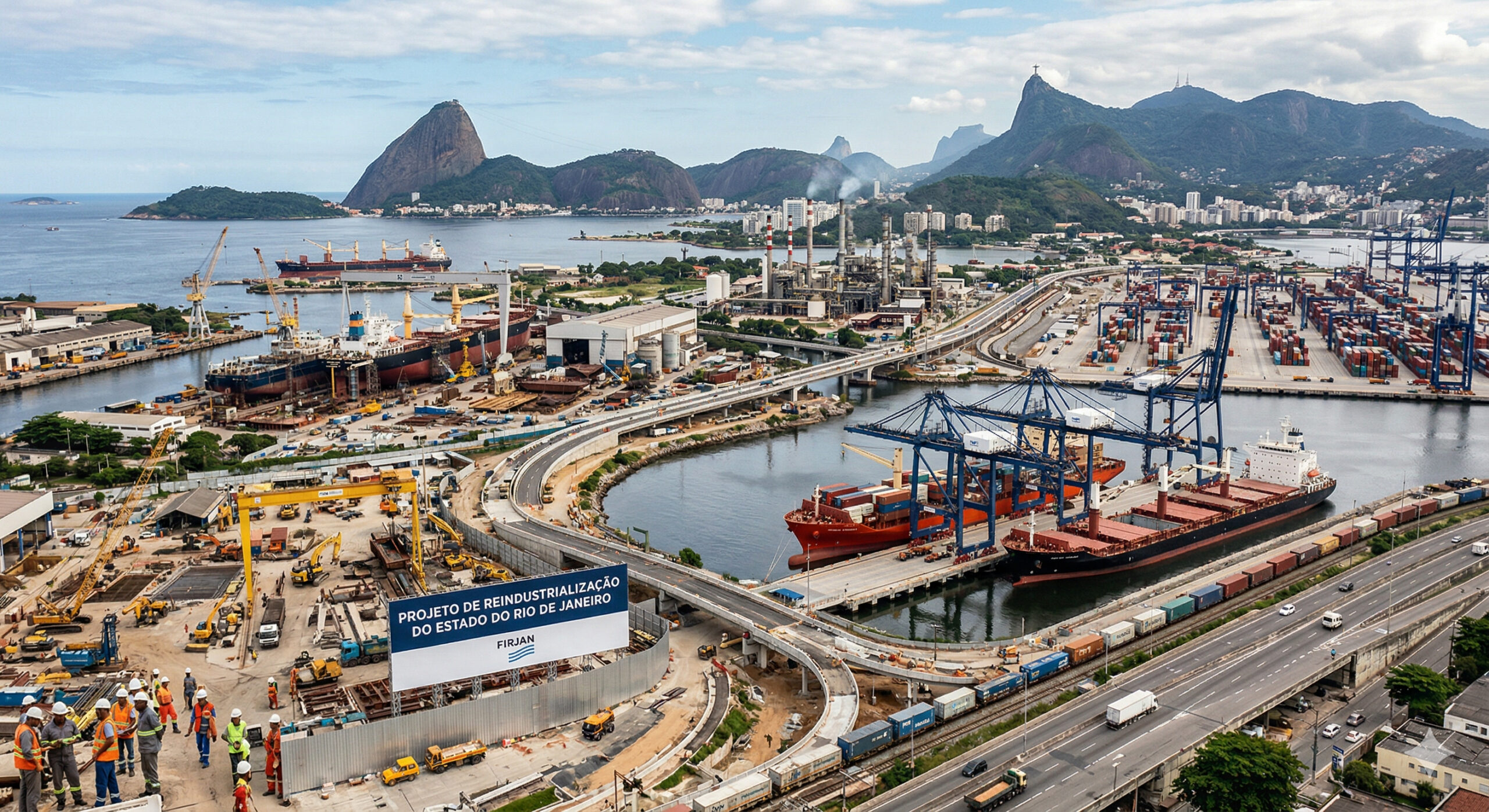
The plan of R$ 526.3 billion that could reindustrialize Rio de Janeiro by 2028 includes nearly 2,000 projects mapped by Firjan and creates one of the largest waves of investments ever concentrated in a single Brazilian state.
-
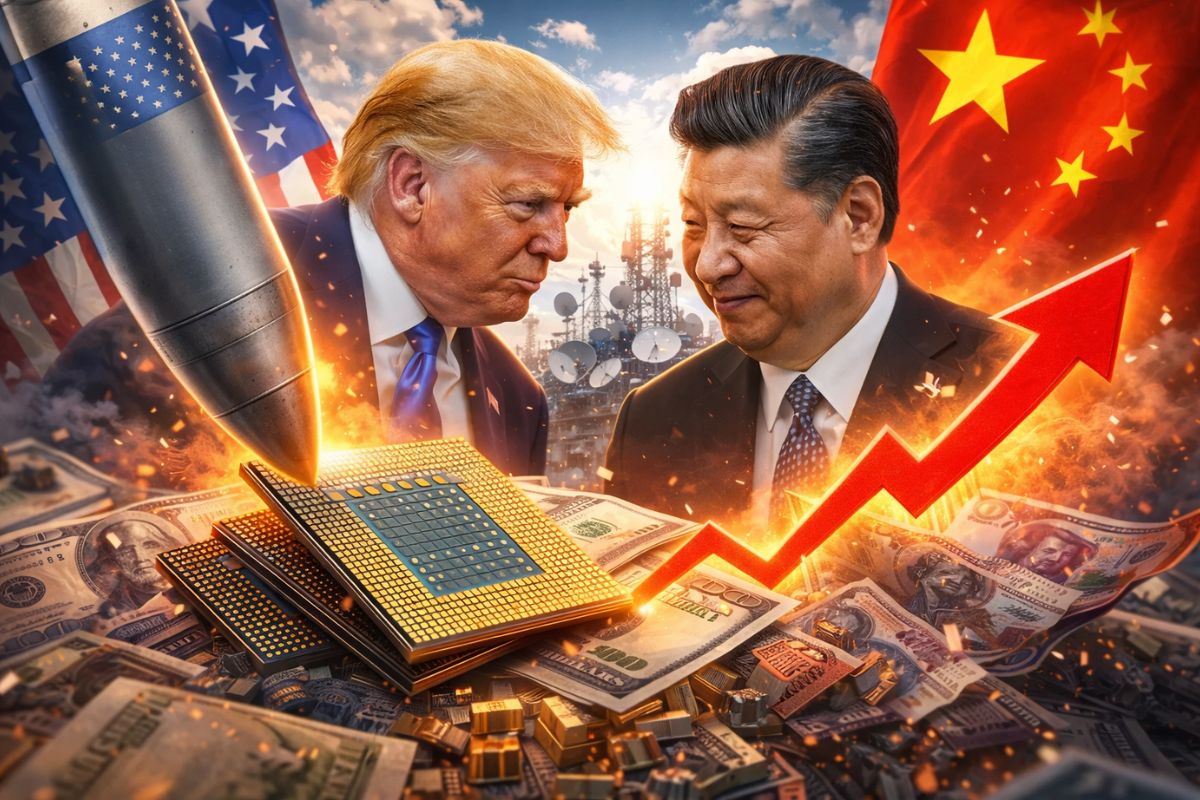
The shot backfired: the United States sanctions intended to curb China ended up creating a record revenue boom for Chinese chip manufacturers, with growth of up to 247% in a single year.
-
With a dependency of up to 80% on gas imported from the United States, Mexico responds with a robust energy strategy, betting on shale gas, creating a scientific committee, and preparing to expand natural gas production to reduce vulnerability and strengthen its energy security in the coming years.

Currently, the minimum wage is set at R$ 1,621, a value that serves as a reference for millions of Brazilians across the country.
If the projection is confirmed, the adjustment could directly influence the purchasing power of low-income populations.
Estimate will be included in budget planning
The forecast for the new minimum wage should be integrated into the Budgetary Guidelines Law Project (PLDO), which the government intends to present to the National Congress.
This document, which organizes fiscal targets and economic parameters, is essential for the preparation of the 2027 budget.
As a result, the projected value becomes part of the official planning, although it is subject to revisions over time.
Despite this, the definitive number will only be confirmed at the end of 2026, after the consolidation of economic data.
Calculation follows technical criteria and economic indicators
The definition of the minimum wage considers specific factors of the Brazilian economy.
Among them, the National Consumer Price Index (INPC) stands out, which measures inflation for low-income families.
Additionally, the current economic policy provides for the application of a real gain on the corrected value.
This model seeks to balance the increase in the cost of living with the need to maintain the sustainability of public accounts.
Therefore, the final value depends on the evolution of economic indicators over the coming months.
Impacts affect social benefits and contracts
The minimum wage does not only influence formal workers.
It also serves as a basis for the calculation of pensions, benefits, and various social benefits.
Among the main examples are the Bolsa Família and unemployment insurance, which are directly affected by any adjustment.
Moreover, private contracts that use the minimum wage as a reference also undergo changes.
As a result, changes in the national minimum wage generate chain effects in the economy.

Adjustment affects workers, civil servants, and public accounts
The increase in the minimum wage impacts different groups in society.
Formal workers, beneficiaries of social programs, and civil servants with incomes linked to the minimum wage feel the effects directly.
Additionally, criteria for granting assistance may be adjusted according to the new value.
At the same time, the tax and labor charge calculation base may also be modified.
Despite the repercussions, so far, there has been no official confirmation from the Ministry of Economy or the Palácio do Planalto.
PLDO guides targets and defines economic scenario
With the delivery of the PLDO, the government establishes essential guidelines for the 2027 budget.
The document includes projections of revenues, expenses, and economic performance indicators.
This information guides the National Congress in analyzing and approving fiscal targets.
Thus, it seeks to ensure a balance between fiscal responsibility and meeting social demands.
In light of this scenario, the definition of the minimum wage remains one of the central points of Brazilian economic policy — and raises an inevitable question: to what extent will the adjustment be able to balance the cost of living and the sustainability of public accounts?










Seja o primeiro a reagir!