





 Portuguese
  English
  Spanish
  6 min of reading
  0 comments


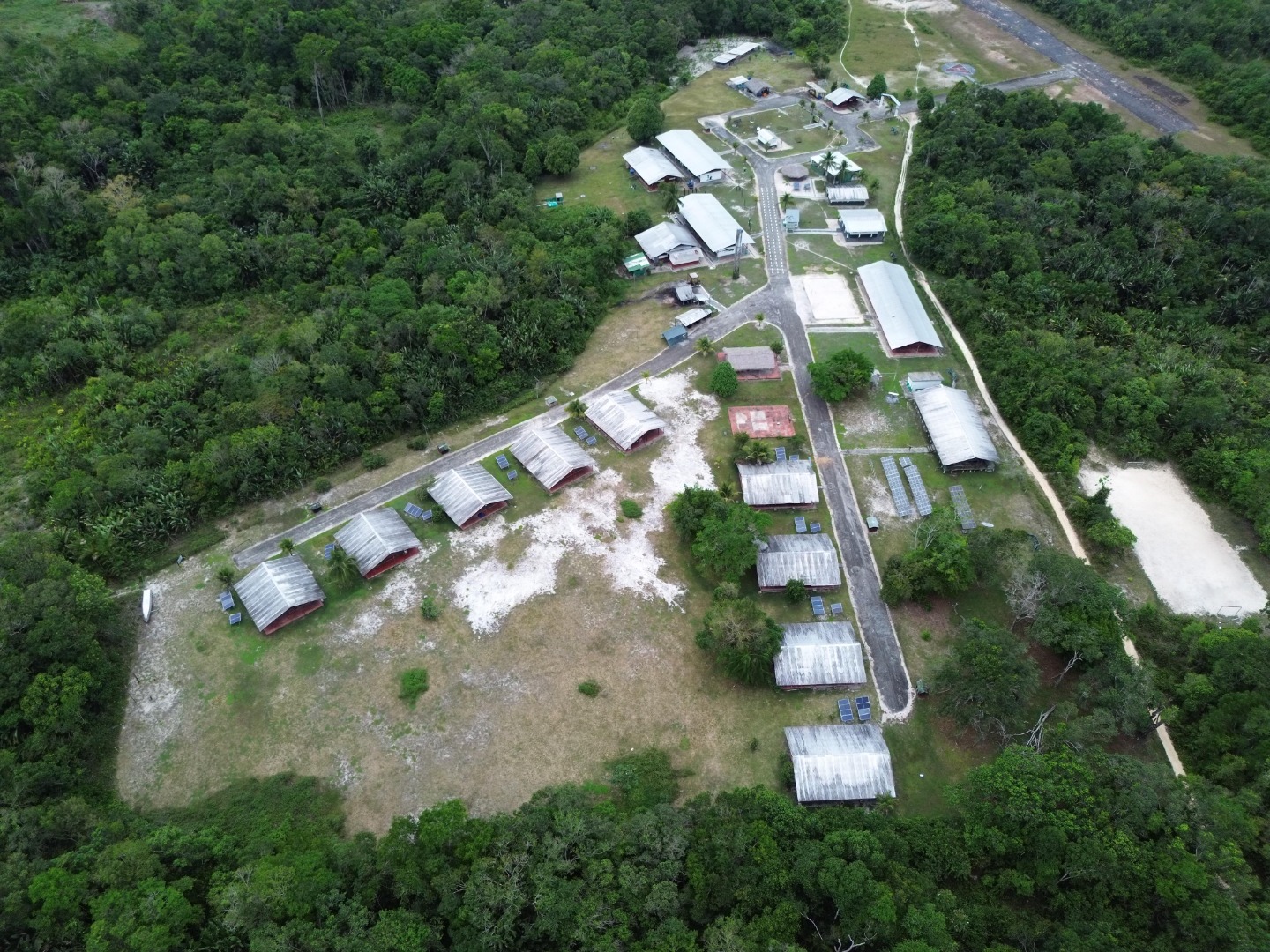
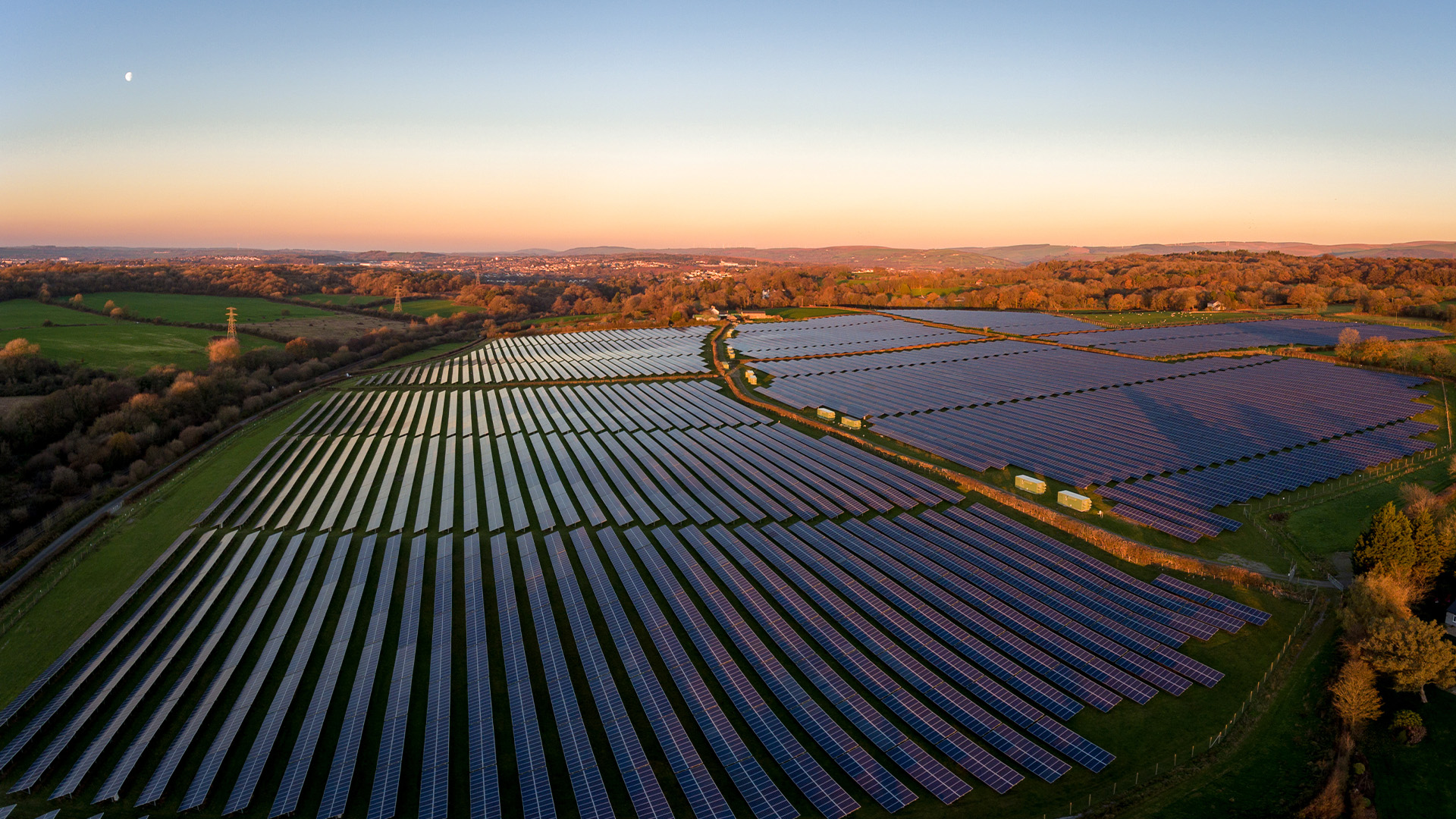
The Calha Norte Program and the Armed Forces delivered a high-tech solar generation system to the indigenous community of Maturacá, ensuring that the use of clean energy in Maturacá replaces the old diesel generators and reduces environmental impacts in the Rio Negro region.
The Ministry of Defense has completed the installation of a modern photovoltaic generation system to provide clean energy in Maturacá, a community located in São Gabriel da Cachoeira (AM), at the base of Pico da Neblina.
The initiative is part of the strategic actions of the Calha Norte Program and benefits over 2,500 indigenous people from the Yanomami tribe and soldiers from the 5th Special Frontier Platoon (PEF). The new solar park breaks the historical dependence on fossil fuel-powered generators, which operated with time restrictions and high logistical costs.
Now, the community enjoys electricity 24 hours a day, allowing for food preservation, the operation of health centers, and digital connectivity in one of the most isolated areas on the planet. In addition to promoting social development, the plant prevents the emission of tons of carbon dioxide into the Amazon atmosphere and eliminates the risk of oil spills in local rivers.
-
Itaipu receives proposals in the renewable energy tender and reinforces the role of public universities in the energy transition with projects that can reduce costs, increase academic investments, and accelerate sustainable innovation in the country.
-
Claro operator reveals a silent change with hundreds of clean energy plants and shows how sustainability is impacting over 80% of its operations in Brazil.
-
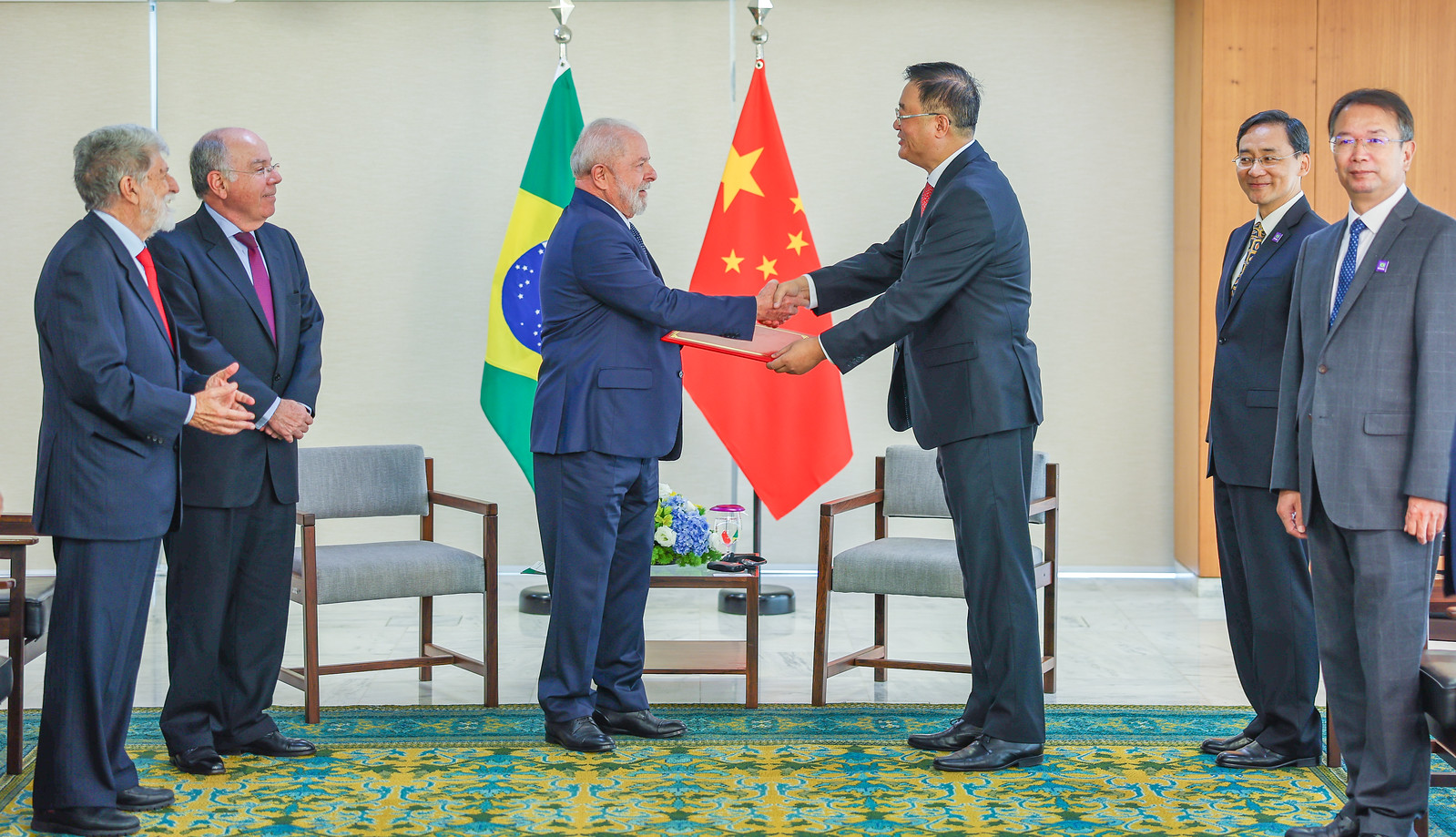
Billion-dollar strategic alliance: Brazil and China join forces in infrastructure and technology projects to lead the creation of a global green corridor in the energy transition.
-
Research reveals that the vast majority of national consumers are not willing to pay more for renewable energy despite their support for sustainability.
This project serves as a model for energy sovereignty and environmental preservation, demonstrating that solar technology reaches the most remote points of the Amazon rainforest by 2026.
The Calha Norte Program and infrastructure at the border
The Calha Norte Program acts as the main infrastructure arm of the federal government in border areas. By implementing clean energy in Maturacá, the Ministry of Defense fulfills its mission to bring dignity and state presence to hard-to-reach regions.
The project involved complex logistics, transporting tons of solar panels and batteries via barges and aircraft from the Brazilian Air Force (FAB) through the dense jungle.
The Brazilian Army coordinated the assembly of the metal structures and the connection of the electrical grid. The presence of the 5th Special Frontier Platoon in Maturacá ensures basic maintenance of the system and the security of the facilities.
This collaboration between the Armed Forces and the indigenous community strengthens territorial protection and provides basic resources that transform the socioeconomic reality of the Yanomami people.
Photovoltaic technology adapted to the humid tropical climate
The installation of clean energy in Maturacá required specific equipment to withstand the extreme conditions of the Amazon. The high humidity levels and frequent rainfall require solar panels with certification for high durability and inverters protected against corrosion.
The system uses monocrystalline silicon modules, which have higher efficiency even on partially cloudy days.

A state-of-the-art lithium battery bank stores the excess energy generated during the day. This technology ensures that the lights do not go out at night or during prolonged rainy periods.
The smart management system monitors the consumption of the village and the military platoon in real-time, prioritizing critical loads such as vaccine freezers and satellite communication equipment.
The end of the dangerous diesel logistics
Did you know that before clean energy in Maturacá, transporting diesel to the village was a Herculean challenge? Fuel drums traveled for weeks through winding rivers and dangerous rapids.
Often, low river levels prevented supplies from arriving, leaving the Frontier Platoon and the indigenous people in the dark for days.
Besides the risk of accidents, the cost of this transportation was extremely high for public coffers. With solar energy, operational costs drop drastically. The sun, an abundant resource along the equator, works for free for the community.
The savings generated by eliminating diesel allows the Ministry of Defense to redirect resources to other areas, such as indigenous health and environmental patrolling.
Impact on the health and food security of the Yanomami
The arrival of clean energy in Maturacá drastically changes local public health. With constant electricity, the community health post now keeps refrigerators running without interruption.
This allows for the safe storage of vaccines against malaria, yellow fever, and snake bites, as well as vital antivenoms for those living in the jungle.
Food security also improves significantly. Previously, the indigenous people had to consume all the game or fish immediately or salt the meat to prevent spoilage.
Today, community freezers allow for long-term food preservation. This reduces the incidence of gastrointestinal diseases and ensures a more balanced diet for the village children, who now have lighting to study during the night.
Sustainability and preservation of the Amazon ecosystem
The decarbonization of the military base and the indigenous village directly contributes to the preservation of the surroundings of Pico da Neblina. The old diesel generators produced constant noise and toxic smoke, driving away local wildlife and polluting the clean air of the forest.
The silent operation of the clean energy in Maturacá plant thus respects the natural balance of the region.
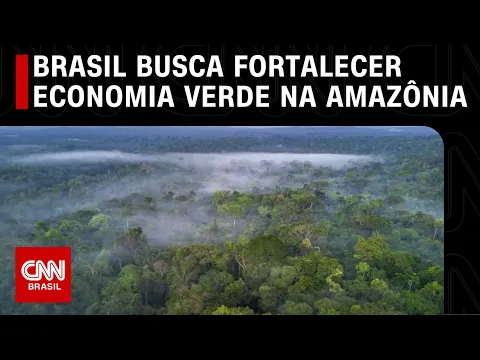

The project eliminates the risk of soil and groundwater contamination from spills of lubricants and fuels. Maturacá becomes a technological “Green Island,” proving that it is possible to integrate human development with the maintenance of the standing forest.
The initiative aligns with Brazil’s global commitments at COP-30, demonstrating concrete actions of sustainability in practice.
Education and connectivity for indigenous youth
Stable electricity serves as the foundation for digital inclusion in 2026. The school in the Maturacá community now uses computers and high-speed satellite internet. The clean energy in Maturacá thus allows Yanomami youth to access educational content, training courses, and territorial management tools without needing to travel to the municipal seat.
This connectivity strengthens local culture, as it allows indigenous people to document their traditions and report invasions of their lands instantly. Access to information transforms the school into a center of coexistence and innovation, where modern technology meets ancestral knowledge to build a more prosperous future for the new generations of the Amazon.
Economic development and sustainable management
The provision of clean energy in Maturacá opens doors for sustainable entrepreneurship in the region. The Yanomami community works with the management of forest products, such as native cocoa and mushrooms. With electricity, they can install small processing and drying machines, adding value to products before sale.
This increases family income and reduces the need to rely solely on government aid. Electricity allows the community to organize more efficient cooperatives, with electronic weighing and packaging systems.

The goal focuses on transforming Maturacá into a hub of bio-extractive economy, using the power of the sun to drive ethical and fair trade of Amazonian products.
Maintenance and training: The partnership with the Army
The sustainability of the project depends on proper maintenance. Therefore, specialized technicians and military personnel trained a group of indigenous people to operate the basic systems of the solar plant. These “solar agents” from Maturacá learn to clean the panels and monitor the battery charge levels.
The 5th Special Frontier Platoon acts as advanced technical support. The partnership ensures that any technical failure receives quick repair, preventing the community from being left without assistance.
This transfer of technical knowledge values local labor and creates a sense of belonging and care for public assets, ensuring that clean energy in Maturacá operates for decades.
The role of the Ministry of Defense in the energy transition
The project in Maturacá is part of a larger strategy by the Defense Ministry to green all military units in the Amazon. The government understands that renewable energies are fundamental to national sovereignty, as they reduce the logistical vulnerability of troops in combat or humanitarian missions.
By adopting clean energy in Maturacá, the Ministry of Defense signals to the international market that Brazil invests in low-carbon solutions even under the most challenging conditions.
Other Special Frontier Platoons (PEFs) along the Calha Norte are already receiving studies for the implementation of similar systems, thus transforming the Brazilian border into a belt of renewable energy and environmental protection.
A landmark of light and progress in the Rio Negro
The inauguration of the solar plant and the delivery of clean energy in Maturacá represent a victory for national engineering and social policy.
Thus, the project proves that technological progress does not need to conflict with the preservation of the Amazon Rainforest. On the contrary, solar technology acts as the necessary tool to protect indigenous life and territory.
The smiles on the faces of Yanomami children as they turn on the lights in their homes symbolize the success of this initiative in 2026. Maturacá ceases to be a forgotten place to become a global example of how sunlight can transform darkness into opportunity.
Finally, may this model of clean energy and respect for indigenous peoples spread throughout the Amazon basin, ensuring a sustainable future for the green heart of Brazil.





Seja o primeiro a reagir!