





 Portuguese
  English
  Spanish
  5 min of reading
  0 comments


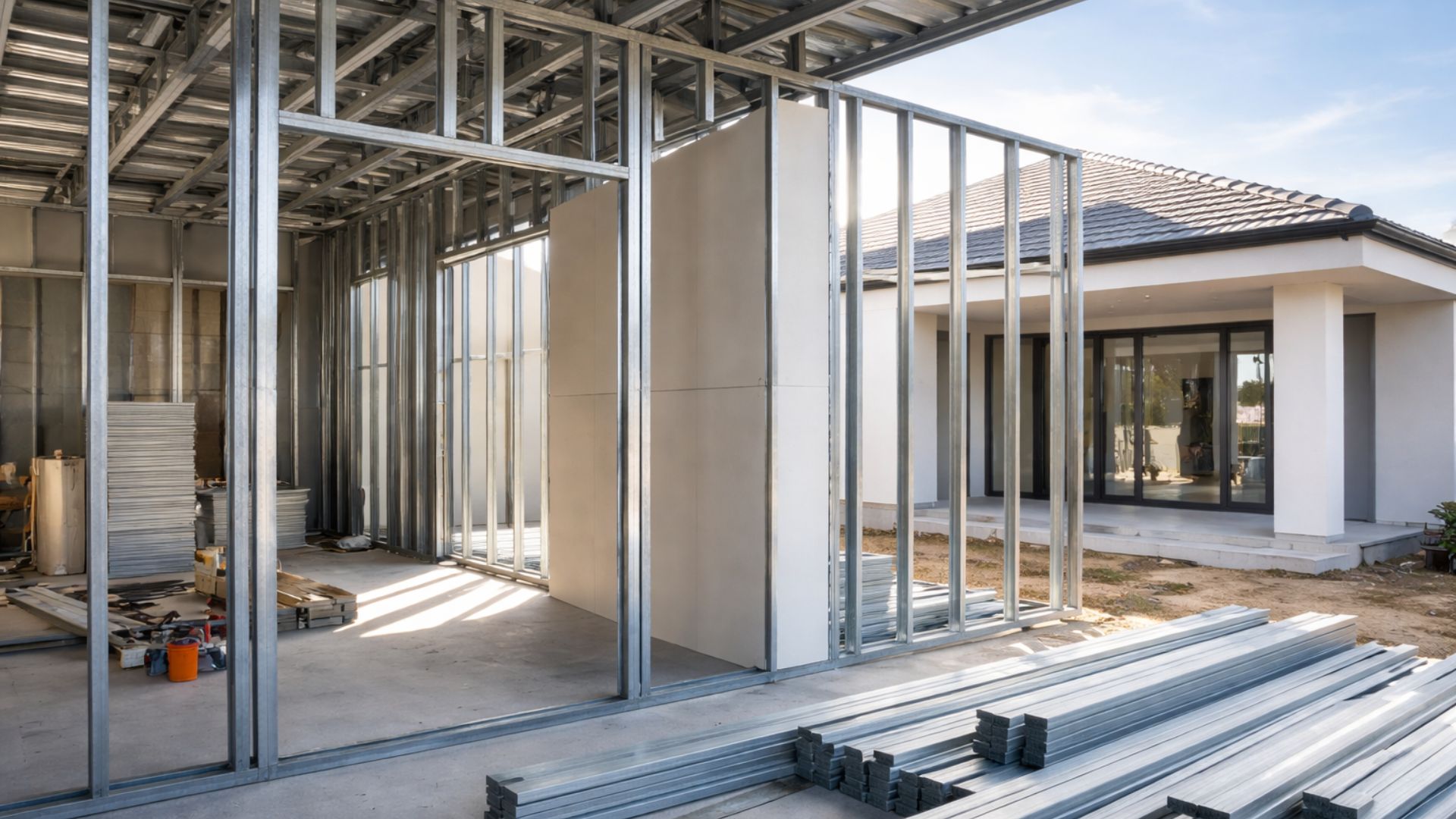
Advancement of dry construction in Brazil drives accelerated growth of a Paraná-based company, which increases revenue, expands national presence, and bets on industrialization as a response to the demand for productivity, less waste, and greater predictability in the sector.
Espaço Smart, a manufacturer and retailer of dry construction materials, is advancing in a segment that has gained traction with the industrialization of construction sites and the sector’s pursuit of more productivity.
Headquartered in Ponta Grossa, Paraná, the company claims to have increased its revenue from R$ 516 million in 2024 to R$ 720 million in 2025, while projecting to exceed R$ 1 billion in 2026, supported by the expansion of its physical network, reinforcement of production, and sales of steel frame systems for residential and commercial projects.
Dry construction gains space in the sector
At the center of this strategy is the so-called dry construction, a model that reduces dependence on mortar and transfers a significant part of the construction process to industrialized methods.
-
Woman enters abandoned houses for 16 years that no one dared to visit: beautiful project and logical layout, interior mold-free, possible resort; after exploring, decides to buy everything for €32,000 and surprises the entire village.

-
Simple 2-bedroom house: a study of the construction sector reveals the real cost that few expect and shows how strategic decisions can prevent losses and ensure significant savings in the dream of homeownership.
-
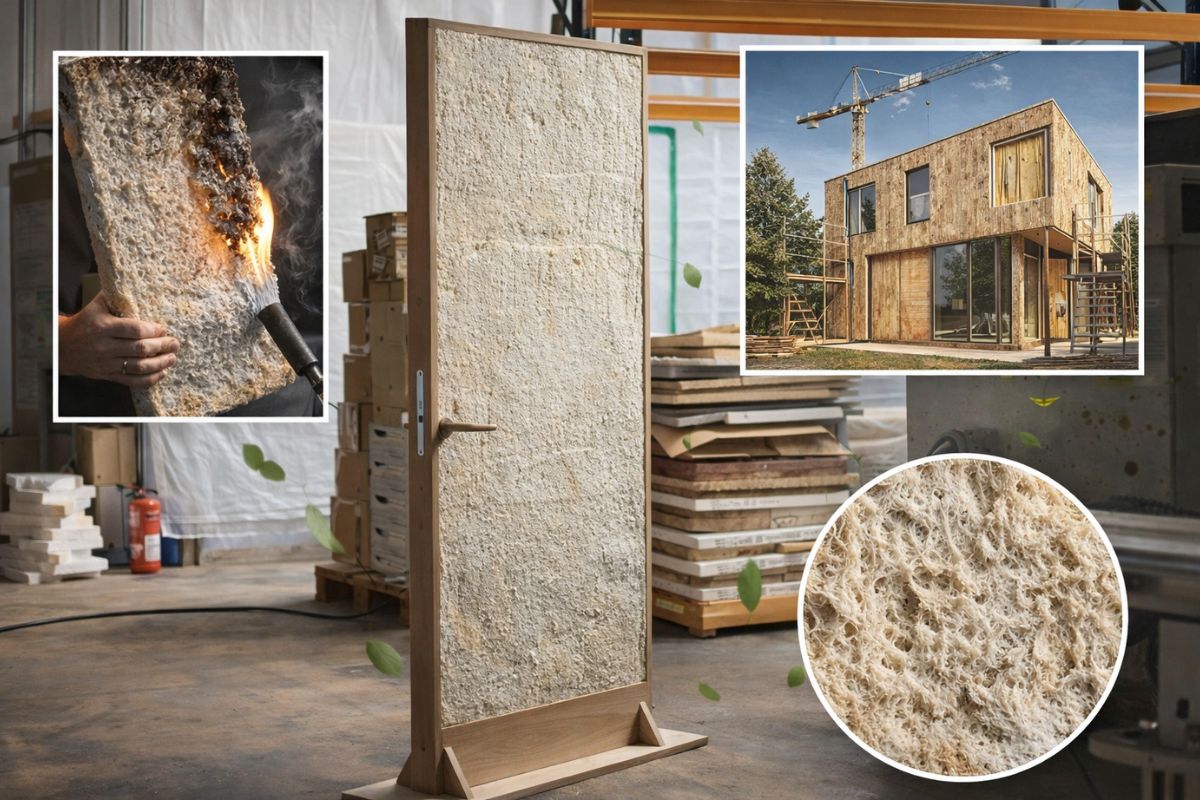
Danish company creates the world’s first door made from fungi that grows in just two weeks, is fire-resistant, and promises to replace traditional wood in construction with nearly zero environmental impact.
-
More than 1,500 Chinese workers transformed an entire railway station in just one night and reduced a 7-hour journey to 90 minutes with a high-speed line of 200 km/h.
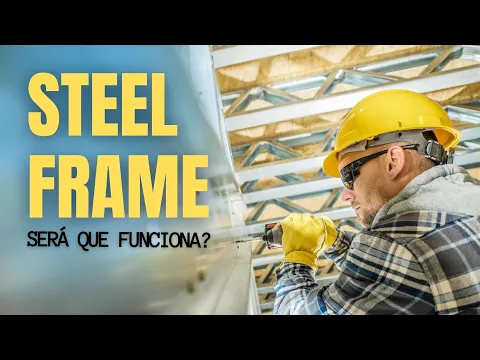

According to Estadão, in the case of Espaço Smart, the main business lies in the manufacturing of steel frame metal systems, composed of galvanized steel profiles used in the formation of walls, roofs, and other structures, which are then closed with panels, tiles, and specific components.
This advancement occurs in an environment where builders, architects, and consumers have begun to pay more attention to methods that promise less waste, more predictability, and faster execution.
The company asserts that this movement has ceased to be merely a niche bet and has become part of the sector’s routine, especially in projects for houses, hotels, warehouses, and commercial enterprises.
Store network boosts adoption of steel frame
The operation was designed to go beyond the industry.
In addition to manufacturing metal structures, the company has established a network of stores aimed at showcasing the systems and reselling items that complete the dry construction process, such as drywall, modular ceilings, vinyl flooring, coatings, tiles, and frames.
This design allows the company to serve both builders and consumers and professionals looking to consolidate technical purchases in a single channel.
According to the strategy presented by the company, each unit also functions as a tool for generating local demand.
Instead of relying solely on industrial sales to large clients, the physical network increases the visibility of steel frame in regional markets and helps bring the system closer to engineers, architects, assemblers, and end buyers.
National expansion and new distribution centers
The growth plan combines store openings, logistical reinforcement, and manufacturing expansion.
The company reports having 48 stores in 22 states, in addition to distribution centers in Ponta Grossa, Itajaí, and São Paulo, and anticipates new investments this year to open nine more units and install two distribution centers in Campinas, in the interior of São Paulo, and in Feira de Santana, in Bahia.
The intention is to increase national presence and reduce response time in different regions.

To support this phase, the projected investment is between R$ 30 million and R$ 50 million per year, focusing on production and sales.
Starting in 2027, the disclosed goal is to open between ten and twelve stores annually, while the company purchases machinery and expands the distribution structure to gain operational scale.
Financial strategy maintains family control
The expansion is expected to be funded by cash generation combined with bank financing.
The entry of new partners, according to the presented planning, is not on the radar.
The company remains under the control of the Scheffer family, formed by father and children in partnership, and continues to bet on organic growth supported by the vertical integration of the business, which encompasses industry, retail, logistics, and services related to the construction method.
This arrangement helps explain why the company treats retail as a central part of the strategy, and not just as a complementary channel.
By bringing the store closer to the factory, the company seeks to accelerate the diffusion of a system that is still less widespread than traditional masonry but has room to advance in a sector historically slower in adopting new technologies.
Steel frame still grows compared to traditional masonry
The company itself acknowledges that steel frame still occupies a small share of Brazilian construction, although the method has been increasing its presence.
The company’s management asserts that the market has ceased to be merely a promise.
The argument is that industrialization addresses concrete bottlenecks in civil construction, including waste, deadlines, standardization, and intense dependence on labor.
In this context, steel frame appears as one of the most visible alternatives within the advancement of so-called industrialized construction.
Model combines industry, retail, and logistics
Espaço Smart was founded in 2014 in Ponta Grossa and has established itself as a specialized operation in dry construction, focusing on steel frame and complementary items of the system.
The company presents itself as one of the main references in the segment in the country and attributes part of its growth to the decision to combine production, distribution, and its own sales points in different markets.
With this model, the company attempts to transform a technical niche into a scalable market.
The bet is that the advancement of industrialization on construction sites, combined with the need for more predictable projects, will continue to increase the demand for dry construction systems.
In this movement, the Paraná group seeks to convert commercial capillarity and manufacturing capacity into higher revenue, without relinquishing family control and with an investment roadmap focused on physical expansion, production, and logistics.





Seja o primeiro a reagir!