





 Portuguese
  English
  Spanish
  4 min of reading
  0 comments


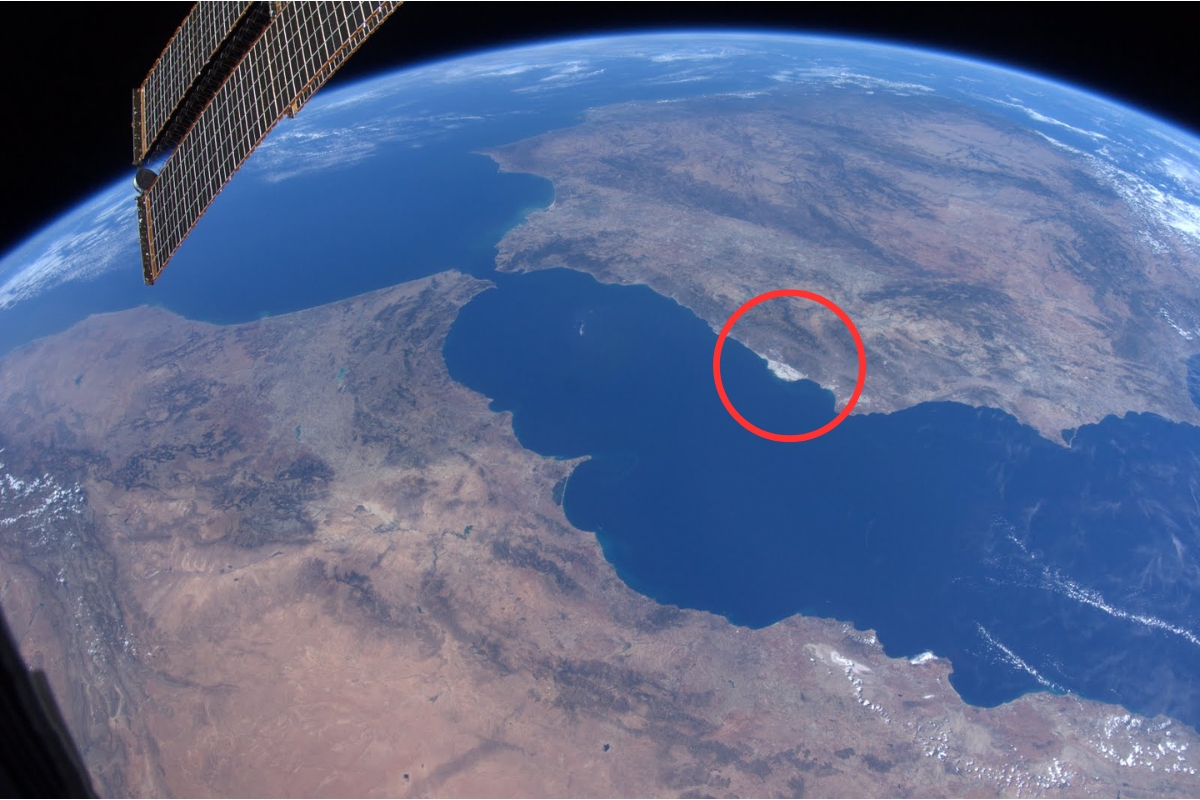
The greenhouse area has become a symbol of intensive production and raises debate about environmental impact and sustainability in the region
When talking about giant works made by humans, the mind often goes straight to ancient and famous constructions. But there is a modern structure that draws attention for another reason: the visibility of the space.
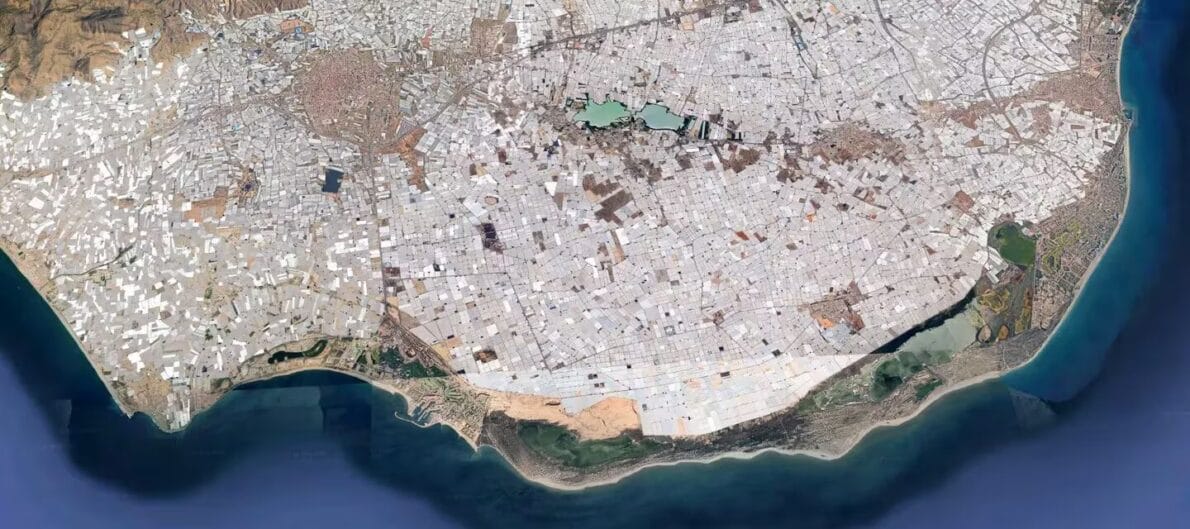
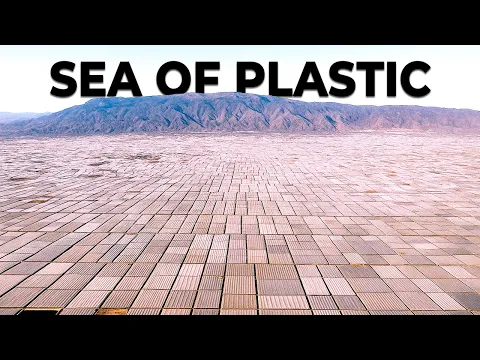
It is located in southern Spain and is known as the Sea of Plastic of Almería. The landscape is formed by an immense area of greenhouses covering more than 40,000 hectares, creating a white spot near the Mediterranean.
The size is impressive, but the curiosity doesn’t stop there. The origin, the materials used, and the local effects, including environmental ones, help explain why the place has become so talked about.
-
Iron foundry in Senegal reveals a pile of 100 tons of slag, 35 furnace bases, and a rare technique that has remained stable for centuries.
-
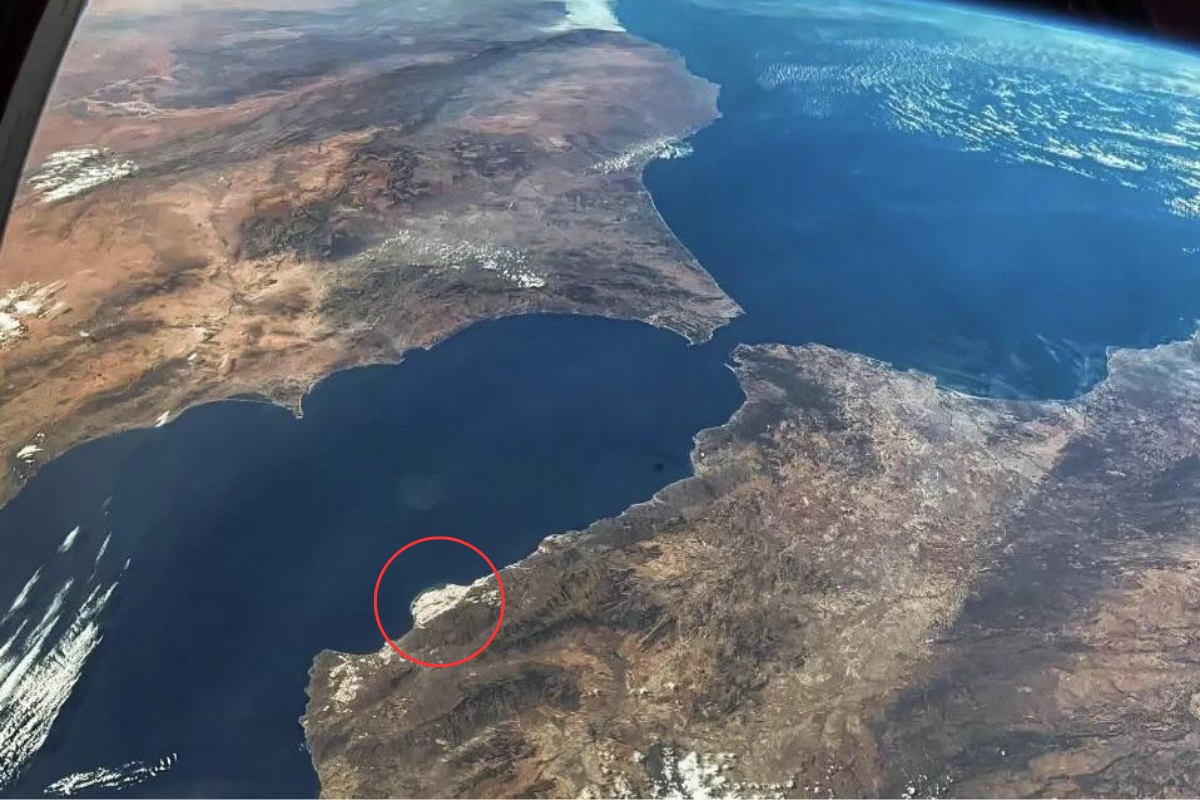
An analysis by NASA highlighted that the Great Wall of China and the Pyramids of Egypt are not visible to the naked eye from the International Space Station, and only one man-made structure is visible in this way.
-
Chinese submersible discovers a colossal system of giant craters on the Pacific floor, previously unknown, teeming with life and so rich in hydrogen that they may help explain the origin of life on Earth.
-
A mysterious structure has been found beneath an ancient city in Egypt — and the most impressive thing is what technology has revealed hidden for 2,600 years.

What happened and why it caught attention
The Sea of Plastic of Almería is a concentration of greenhouses covered with plastic, spread over a large area in southeastern Spain. The set became known for forming a huge light block, easily perceived in satellite images.
The dimension is one of the central points of the phenomenon. The total area exceeds 40,000 hectares, occupying almost the entire Campo de Dalías and also advancing into nearby regions.
The structure gained fame for combining scale, high levels of agricultural use, and a striking visual presence in the landscape.
How the expansion of greenhouses in the region began
The story dates back to the 1960s, when farmers sought a way to produce fruits and vegetables out of season. The choice of Almería was not random.
The province has some of the driest conditions in Europe, with an arid climate and little rainfall. At the same time, it has underground water and a great abundance of sunshine, which opened the door for a solution adapted to the territory.
The answer came with the creation of greenhouses covered with plastic, capable of protecting crops and improving yields.
What are greenhouses and why they worked in Almería
Greenhouses are structures that create a controlled environment for cultivation. In Almería, the advancement began in the Campo de Dalías, which in the 1950s was dominated by weeds, pastures, and small outdoor cultivation areas.
In the 1950s and 1960s, farmers began testing techniques such as layers of sand and plastic covering. The initial idea was to protect the soil and plants from winds and salty underground water.
Over time, it became clear that cultivation under plastic increased productivity, as the soil retained more heat and moisture. The system also helped reduce losses due to frost, sea salt, and sudden climate changes.
How this became an economic engine and expanded production

The expansion of greenhouses transformed the local economy. Today, Almería has established itself as one of the main fruit and vegetable producing regions in Europe.
The area has hundreds of structures known as barracas, which support continuous production aimed at large-scale supply. As a result, markets in various countries began receiving products from the region during off-season periods.
Greenhouses have become a central part of local agricultural activity, with a direct impact on food supply in different parts of the continent.
Production numbers and the local effect of the white roof
Currently, the greenhouses of Almería produce between 2.5 million and 3.5 million tons of fruits and vegetables per year. Among the main items are tomatoes, peppers, cucumbers, and melons, with a highlight on off-season supply.
In addition to production, there is an observed effect on the local climate. The large white surface of the roofs reflects a substantial amount of sunlight, which may have contributed to a localized cooling.
This type of alteration occurs because light surfaces return more radiation to the atmosphere, reducing heat absorption compared to darker lands.

Points of attention and common doubts about environmental impact
The Sea of Plastic of Almería also faces criticism. The intensive use of covering materials raises concerns such as soil and water pollution from plastic waste, biodiversity loss, and emission of harmful gases into the atmosphere.
These effects are linked both to the volume of plastic used and to the improper disposal and handling of waste. In areas of high agricultural concentration, controlling these factors becomes a constant challenge.
At the same time, there are efforts to reduce damage and improve management practices.
What may happen from now on with the search for sustainability
Initiatives have been adopted to make the activity more sustainable. Among the solutions in development is the reduction of plastic use, focusing on degradable bioplastics and reuse of materials.
More sustainable agricultural practices, such as organic farming and efficient water management, are also gaining ground in a region marked by a dry climate.
The future of the Sea of Plastic depends on the balance between large-scale production and measures that reduce environmental impacts without compromising agricultural viability.
In the end, the area of more than 40,000 hectares continues to be one of the most striking agricultural landscapes in Europe. It combines high productivity, innovation applied to the field, and a unique visual presence.
At the same time, the debate about environmental impact remains at the center, pushing for solutions that maintain production and reduce damage to soil, water, and the surrounding environment.





Seja o primeiro a reagir!