





 Portuguese
  English
  Spanish
  3 min of reading
  0 comments


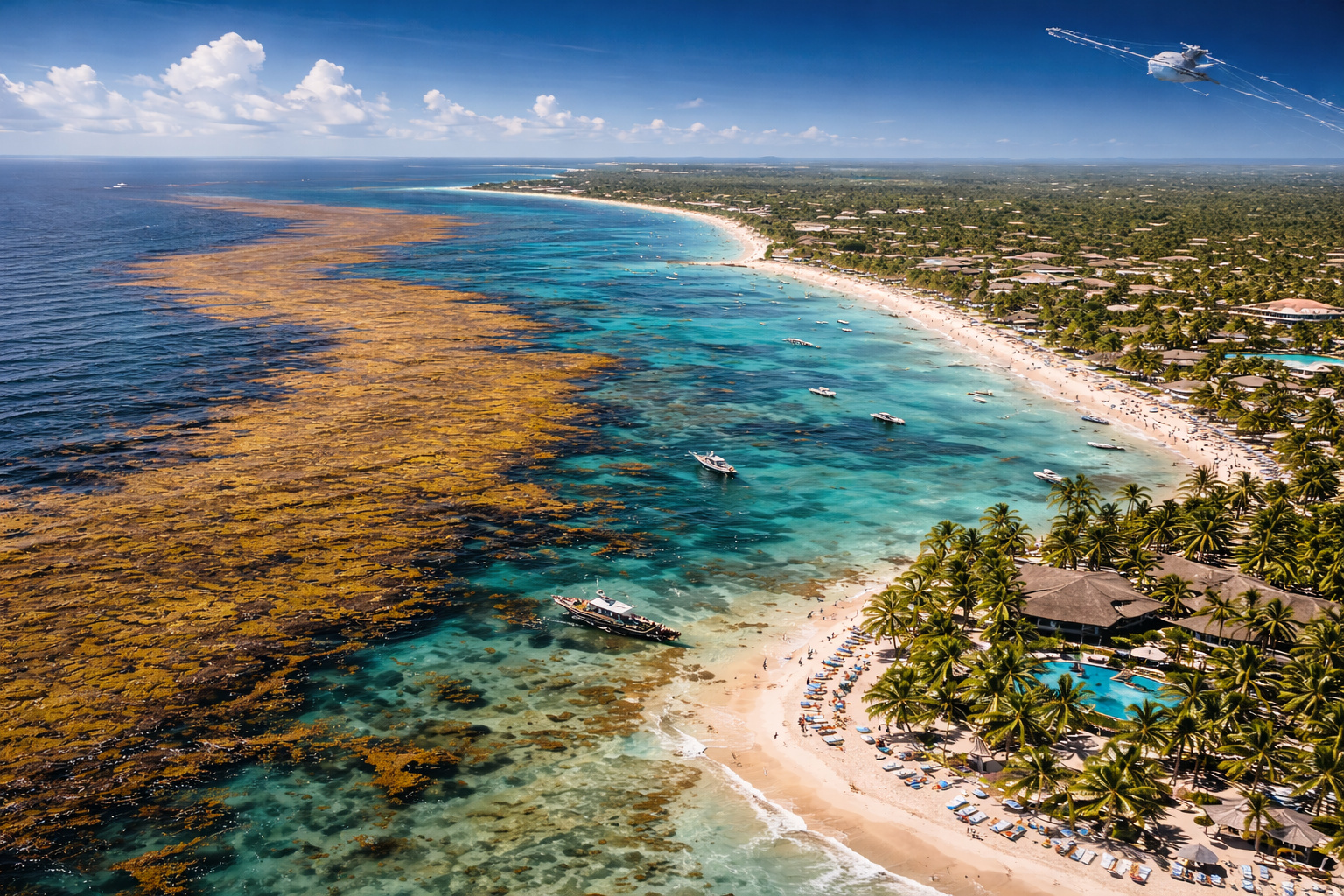
Expansion of the “brown ribbon” alters the coastline, affects travel, and requires constant monitoring of ocean conditions
A large-scale biological formation has been rapidly advancing across the Atlantic Ocean, drawing the attention of scientists and environmental authorities.
The so-called “brown ribbon” of sargassum can already be seen by satellites and continues to expand, according to recent monitoring conducted since 2011 by institutions such as NASA and NOAA.
This phenomenon, although natural, has begun to exhibit unusual dimensions, which has generated direct impacts on coastal areas that depend on tourism and environmental preservation.
-
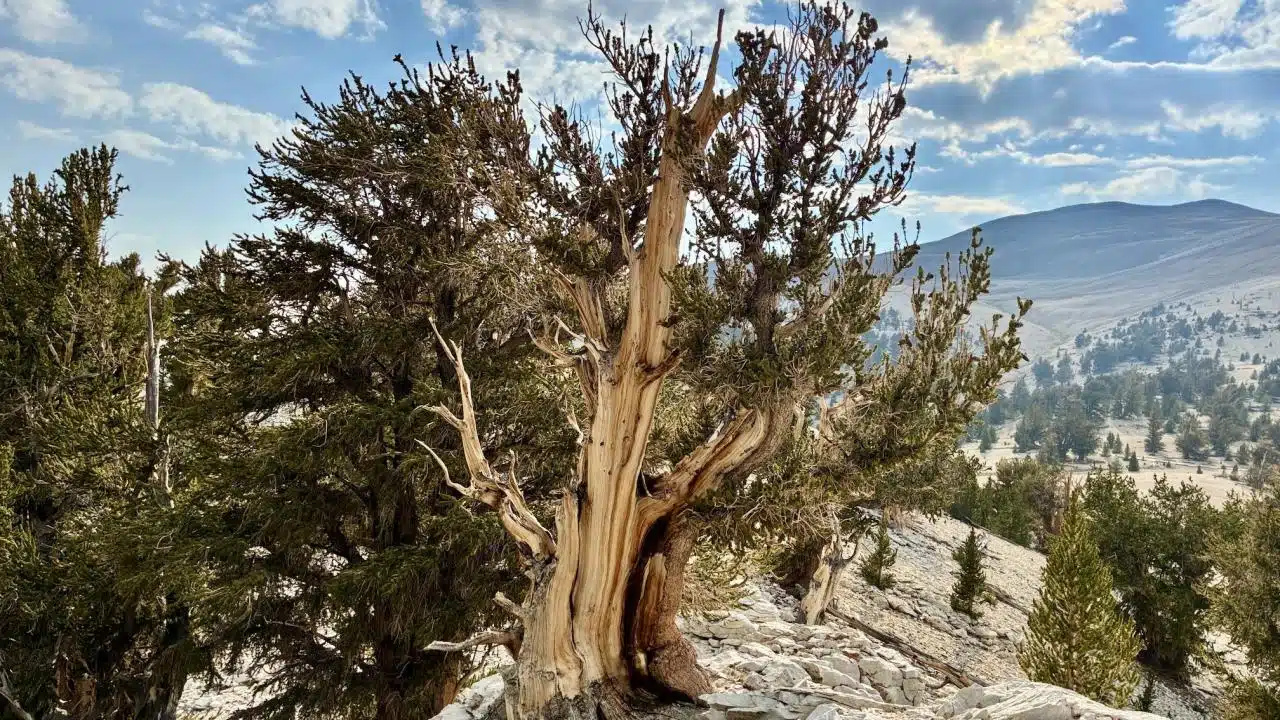
Scientists extract DNA from a tree older than the pyramids, assemble a genome 8 times larger than that of humans, and find clues that may explain how this living being has survived for over 5,000 years without aging like almost all other organisms.
-
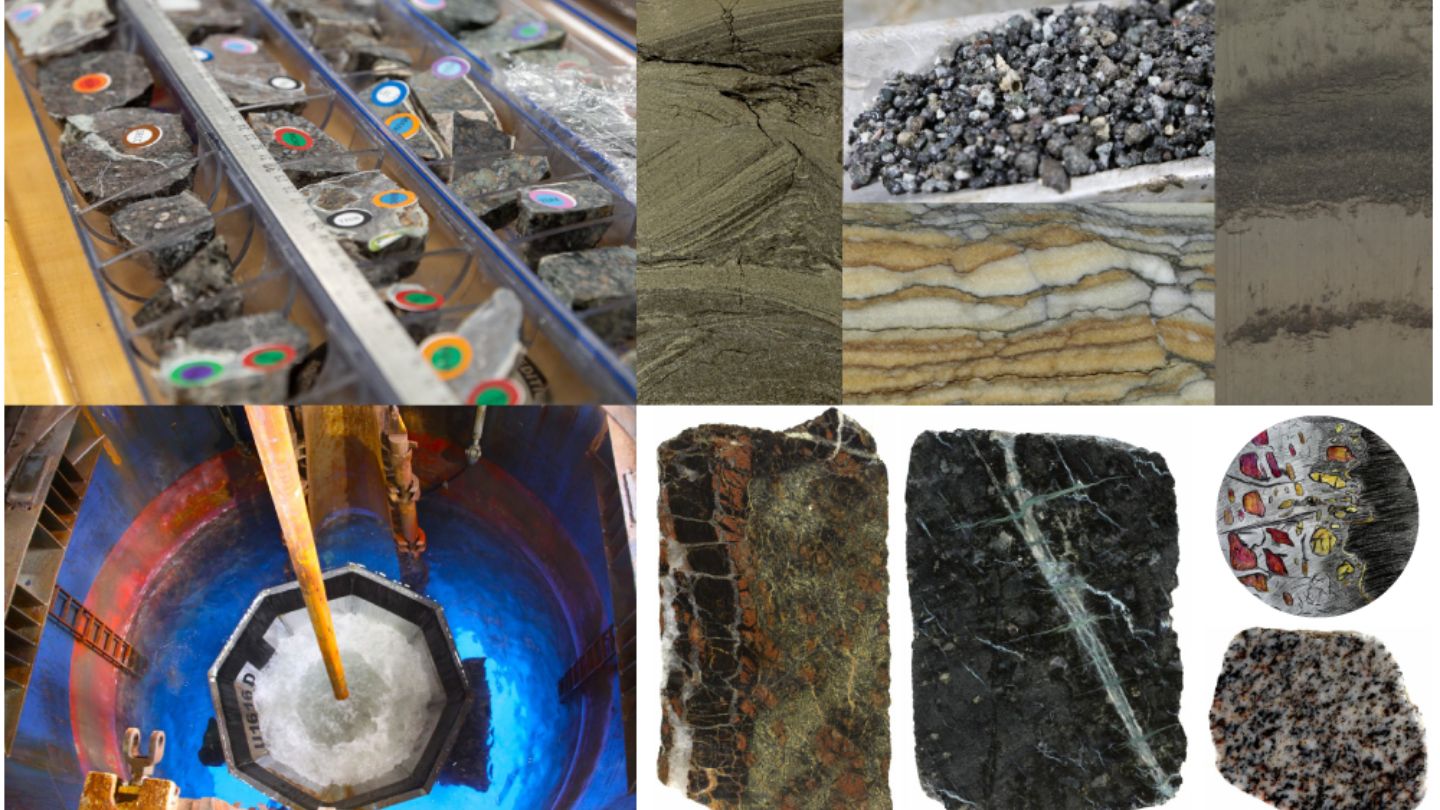
The Tyrrhenian Sea reveals a “fertile” mantle pierced more than 1,200 meters beneath the seabed by scientists in the IODP Expedition, which was expected to generate large volumes of magma, but surprisingly shows limited magmatic activity and leads researchers to investigate why one of the youngest tectonic regions in the Mediterranean does not behave as the models predicted.
-
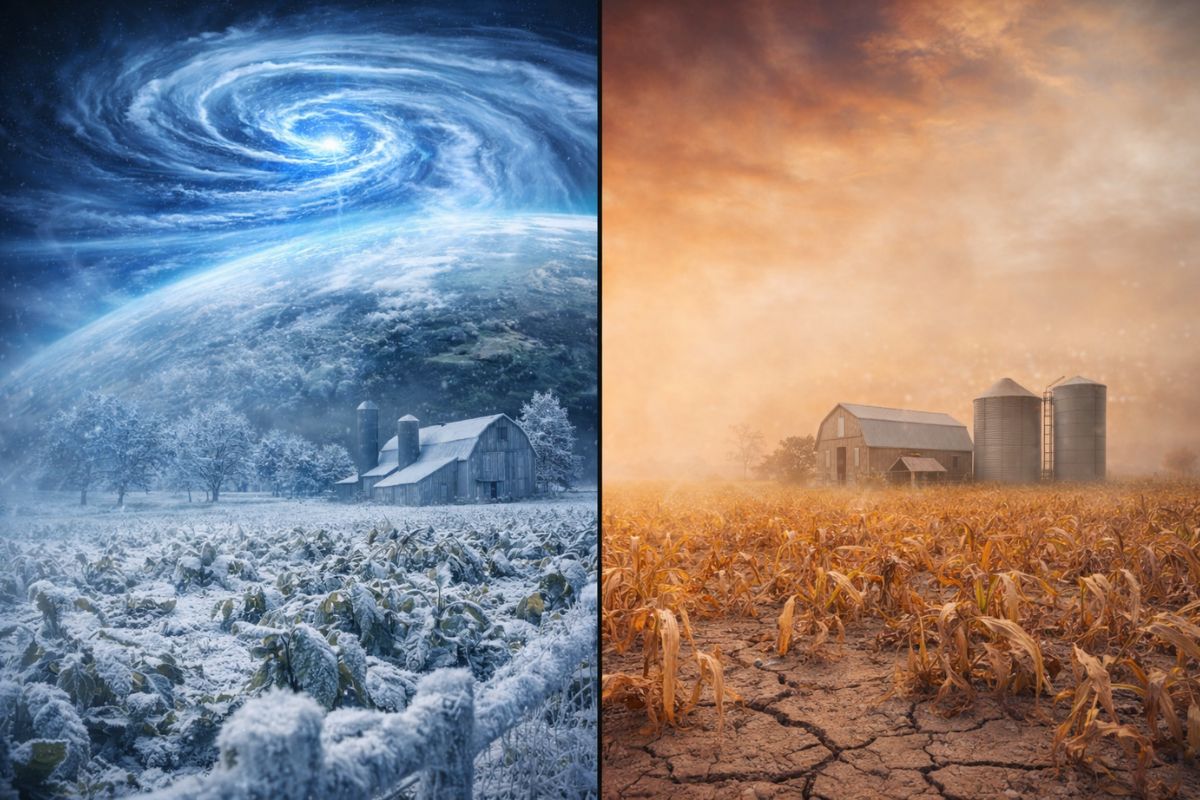
Meteorologists warn that the polar vortex is behaving in an unprecedented manner, and the speed of this anomaly could cause frost and droughts outside the norm in major agricultural production areas.
-
Young person dismantles 500 vapes, removes their lithium-ion batteries, and makes an electric car run for almost 29 km, exposing the amount of energy that is still being wasted in electronic waste.

Furthermore, understanding the behavior of this biomass has become essential for planning activities on the coast and avoiding damage to the visitor experience.
Scientific investigation explains the growth of the brown patch
The phenomenon consists of large quantities of sargassum algae, which multiply with the increase in water temperature and the presence of nutrients.
According to studies from the University of South Florida released in 2023, these conditions have favored an accelerated expansion of the biomass in recent years.
This floating mass reaches gigantic proportions and can be tracked by satellite images, allowing for the observation of its continuous movement.
Currently, this “natural barrier” is moving towards the coastal regions of North and Central America, altering the maritime landscape.
Thus, the phenomenon highlights the intensity of environmental changes on a global scale and reinforces the need for constant monitoring.
Impacts on beaches transform the tourist experience
The arrival of sargassum on the beaches completely modifies the coastal environment and directly interferes with the visitor experience.
When it accumulates on the sand, the algae decomposes and generates strong odor, difficulty in circulation, and loss of water quality.
Additionally, areas previously used for leisure and water sports may be temporarily closed, altering the local tourist dynamics.

To reduce these impacts, several regions have begun to adopt specific control and cleaning strategies.
Among the main measures implemented, the following stand out:
- Daily monitoring of the conditions of affected beaches
- Alteration of routes for vessels and recreational diving
- Installation of floating barriers to contain the advance of the algae
Thus, access to updated information has become essential for those intending to visit these regions.
Environmental risks affect marine biodiversity
In addition to visual impacts, the excessive accumulation of sargassum brings direct consequences for the marine ecosystem.
According to NOAA, the decomposition of organic matter reduces oxygen levels in the water.
As a result, fish may die and coral reefs may suffer significant damage.
This imbalance also compromises essential habitats and affects local fauna and flora.
Among the main environmental risks are:
- Suffocation of sea turtle nests in nesting areas
- Alteration of water pH, reducing visibility
- Blocking of sunlight necessary for seagrass
Thus, the phenomenon represents a direct threat to biodiversity and the ecological balance of the affected regions.
Technology allows predicting the arrival of algae
Currently, scientists use advanced systems to track and predict the movement of the brown patch.
Thermal images and satellite data allow estimating its movement weeks in advance.
According to the University of South Florida, in updated analyses from 2024, the accuracy of these predictions has significantly increased.
As a result, coastal managers can prepare cleaning teams and guide the public on the best visitation periods.
Additionally, this information helps reduce impacts and improve the visitor experience.
In light of this scenario, data-driven planning has become essential to safely enjoy the coastline.
After all, will it be possible to balance tourism, environmental preservation, and the continuous advance of this enormous patch of sargassum in the Atlantic?








Seja o primeiro a reagir!