





 Portuguese
  English
  Spanish
  7 min of reading
  0 comments


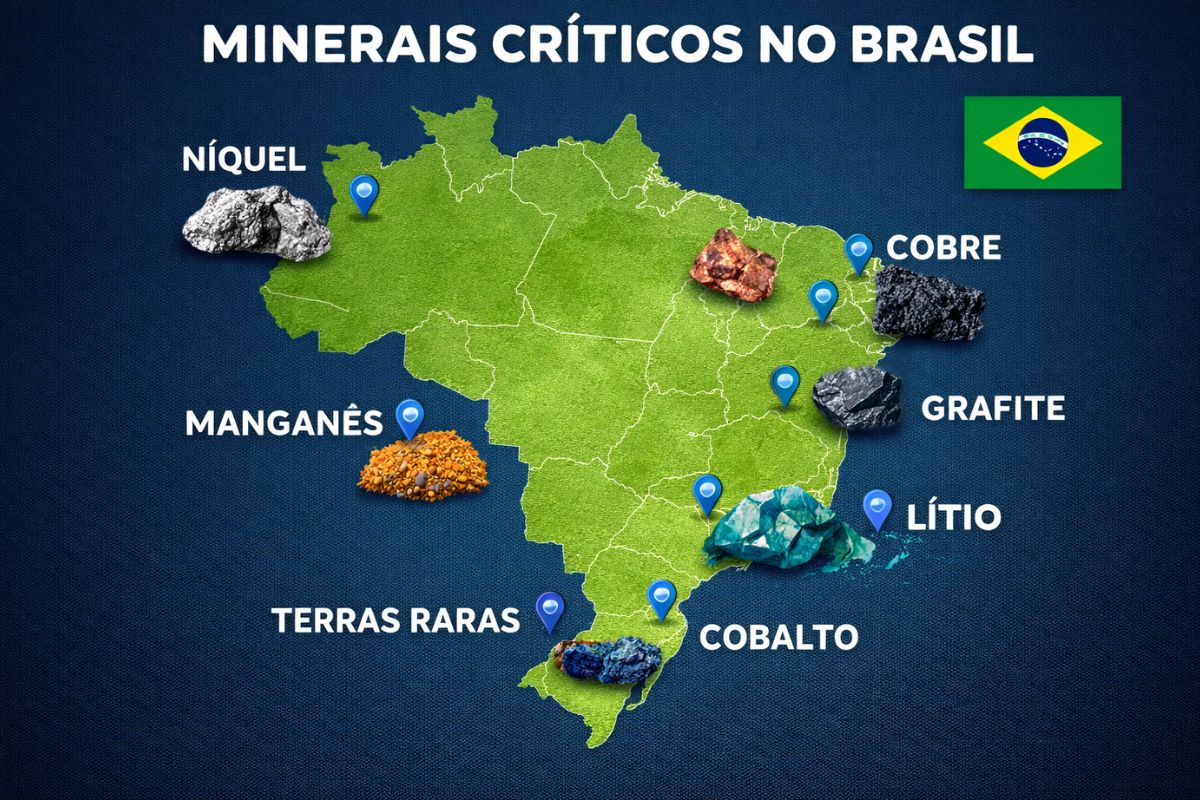
The rapporteur Arnaldo Jardim stated that the creation of a state-owned company for critical minerals will not be in the report of PL 2780/24, while Lula gathered ministers to discuss Terrabras and the United States has already financed Serra Verde with US$ 565 million and closed a direct agreement with Goiás to access rare earths without going through the federal government, in a dispute that involves Brazil as the owner of the second largest reserve in the world
The Brazilian critical minerals project is facing a contradiction that exploded this Tuesday.
Rapporteur Arnaldo Jardim stated that the creation of a state-owned company for critical minerals and rare earths will not be in the report of PL 2780/24, saying it would be a setback and that Brazil will not follow what he called old-fashioned statism.
According to IstoÉDinheiro, last Friday (27), President Lula gathered at the Planalto the Executive Secretary of Finance, the Minister of Mines and Energy, representatives from the Civil House, and Celso Amorim to discuss the creation of a state-owned company for critical minerals called Terrabras.
-
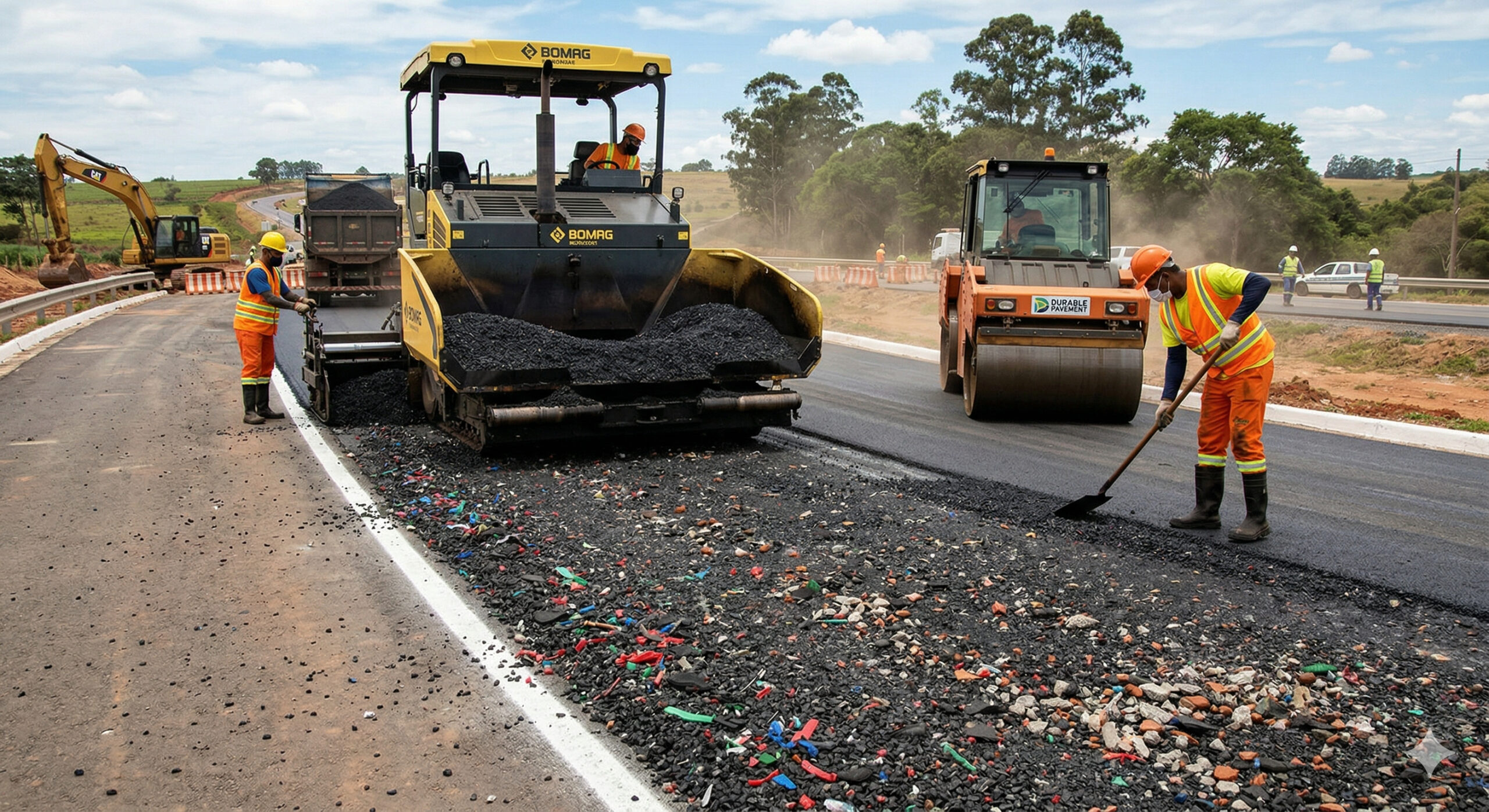
Roads made with recycled plastic, crushed tires, and construction waste are already being applied in several countries, reducing tons of waste in landfills and increasing the durability of the pavement by replacing traditional materials.
-
Drones have become “insects” and spread native seeds to recover inaccessible areas; the Bacias & Florestas program, for 15 years, has planted 3 million trees and restored 15 thousand hectares, despite costs of up to R$ 25 thousand/ha.

-
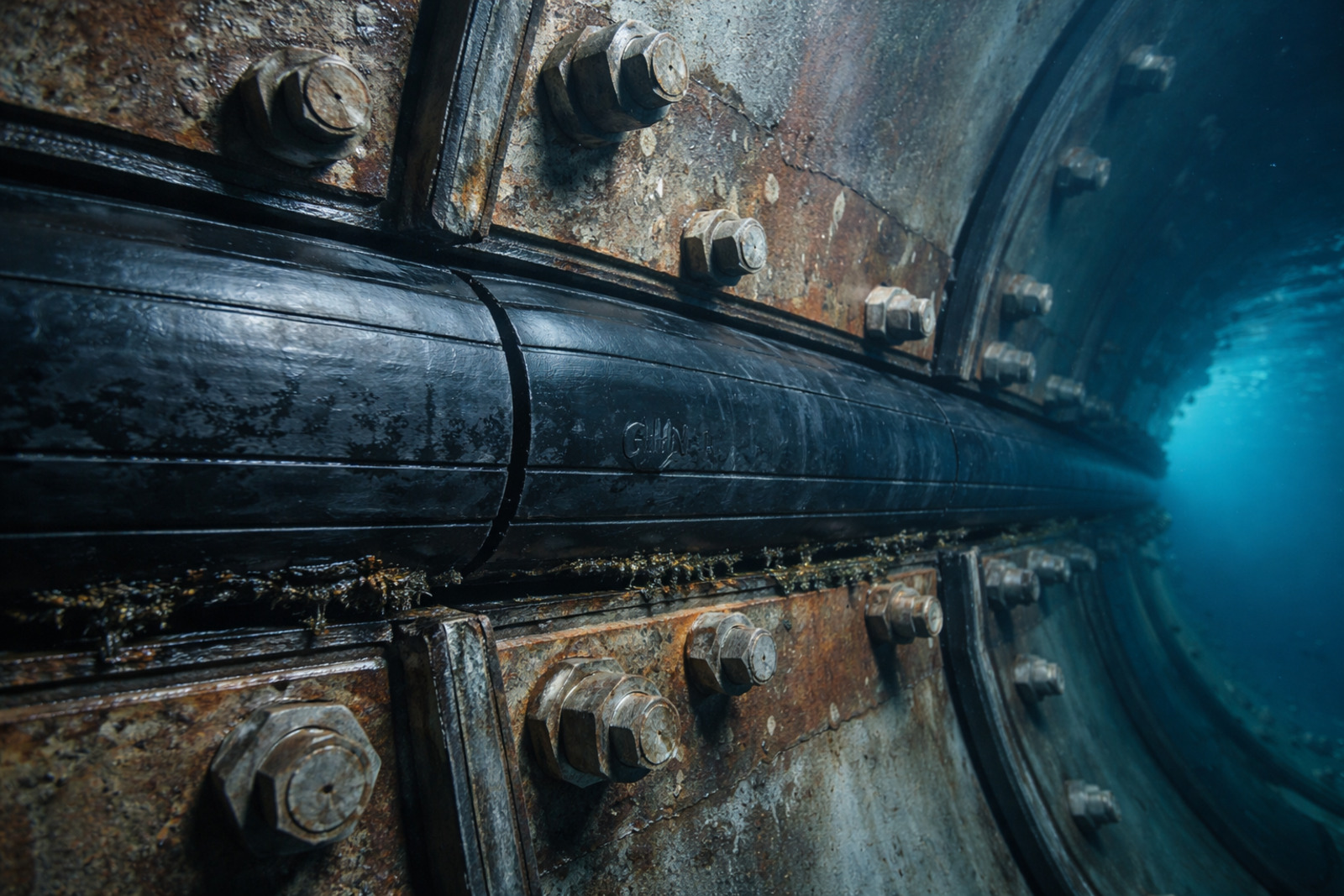
Alert in the underwater tunnels: the rubber sealing the entrance of the sea in a structure in China is deteriorating from the inside faster than expected.
-
A cyclone with unprecedented behavior will form in the Atlantic in the coming hours and will move from the sea to the continent instead of following the normal path, with gusts of up to 90 km/h and a risk of hail and waterspouts in southern Brazil.


And while the government discusses whether or not to create the state-owned company for critical minerals, the United States has already entered with money.
The U.S. International Development Finance Corporation (DFC) invested US$ 565 million in Serra Verde, the only rare earth miner in commercial operation in Brazil, and the U.S. government closed a direct agreement with the state of Goiás without going through the federal government.
Brazil has the second largest reserve of rare earths in the world, with 21 million tons of oxides, and three forces are competing for control: the Executive, Congress, and the United States.
What are critical minerals and why has Brazil become a battleground
Critical minerals are essential elements for the manufacture of technologies such as electric vehicles, wind turbines, smartphones, semiconductors, and military equipment.
Rare earths, the most strategic group among critical minerals, are dominated by China, which controls approximately 60% of global mining and 85% of global processing.
China has already used export restrictions on critical minerals as a trade weapon against the United States, and Washington responded with Project Vault, a US$ 12 billion program to build alternative supply chains.
Brazil, with the second largest rare earth reserve on the planet, has become a central piece in this dispute.
The country has eight critical minerals projects at different stages of development in Minas Gerais, Goiás, Bahia, and Amazonas, and the projected investments from 2026 to 2030 total US$ 2.4 billion, according to Ibram.
The competition for critical minerals is referred to by analysts as the new oil of the 21st century, and Brazil is at the center of it without having yet decided how it wants to participate.
The United States has already entered Brazil’s critical minerals without waiting for Brasília
In February 2026, the DFC (U.S. International Development Finance Corporation) invested US$ 565 million in Serra Verde, a mining company located in Minaçu, Goiás.
Serra Verde is the only commercial rare earth operation in Brazil, and it is not Brazilian: it belongs to the American groups Denham Capital and EMG and the British Vision Blue.
The financing includes the right for the U.S. government to acquire a minority equity stake. Serra Verde sells 85% of its oxide to Asia and plans to increase production to up to 6,500 metric tons by early 2027.
On March 18, the U.S. and Goiás governments signed a memorandum of understanding to increase access for American companies to critical minerals and rare earths in the state.
The agreement outlines five axes: geological survey, identification of promising areas, technical partnership, large-scale separation of rare earths, and tax incentives, including the possibility of manufacturing neodymium magnets in Goiás.
Governor Ronaldo Caiado signed the memorandum directly with the Americans, without going through the federal government, positioning Goiás as a hub for critical minerals and politically projecting himself as an ally of Washington in an election year.
What is Terrabras and why does Lula want a state-owned company for critical minerals
According to Revista Forum, last Friday, Lula gathered ministers to discuss the creation of Terrabras, a state-owned company aimed at controlling the critical minerals and rare earths chain in Brazil.
Lula’s statement summarizes the motivation: “Brazil will not make rare earths what was done with iron ore. Now the partnership must be made so that the transformation happens here in Brazil.”
The reference is direct to the historical model in which Brazil exported raw iron ore for decades and bought back manufactured products at much higher prices.
The proposal for Terrabras follows the logic of creating Petrobras in the 1950s: a state-owned company to ensure sovereignty over a strategic resource of critical minerals.
But the internal assessment of the government is that the chance of approval in Congress is low, and proponents of the proposal question: if Brazil accepts that foreign state-owned companies operate here, why not create a Brazilian state-owned company to control its own critical minerals?
The Terrabras Bill was published on March 30 and proposes the creation of Terrabras S.A. as a mixed-economy company for the exploration, processing, and commercialization of critical minerals.
Congress blocks the state-owned company and the critical minerals report will be released next week
Rapporteur Arnaldo Jardim was direct: the creation of a state-owned company for critical minerals will not be in the report of PL 2780/24, which is expected to be delivered by April 8.
Jardim stated that creating a state-owned company would be a setback and said that Brazil should not follow the path of statism. In Congress, comparisons were made with Maduro’s model in Venezuela, where the government imposed a mandatory 30% equity participation in companies in the sector.
Jardim’s report advocates for tax incentives, a guarantee fund, and accelerated licensing to attract private investment in critical minerals, instead of creating a state-owned company.
The bill includes attached texts with different proposals: one proposes creating EBMinerais; another focuses on mandatory processing of critical minerals on national territory, ensuring that Brazil does not export raw materials.
The final report will be released next week, and Congress’s decision on critical minerals will determine whether Brazil creates a state-owned company, attracts private investment with incentives, or continues to watch while other countries set up operations on their own.
Flávio Bolsonaro, in the United States, declared that Brazil is the solution for Americans to no longer depend on China for critical minerals and rare earths, adding another political layer to the dispute.
The risk of repeating with critical minerals what Brazil did with iron ore
The parallel that worries the government is historical: for decades, Brazil exported raw iron ore and bought back steel and manufactured products at multiplied prices.
With critical minerals, the risk is identical. Serra Verde already sells 85% of its rare earth oxide production to Asia, where they are transformed into components for electric vehicles and wind turbines, products that Brazil imports.
If Brazil exports raw critical minerals and buys back batteries, electric motors, and renewable energy equipment, it will be repeating the iron ore cycle with an even more strategic resource.
The difference is that this time the window of opportunity is smaller. China dominates processing, the U.S. is investing billions to create alternative supply chains, and Brazil needs to decide quickly whether it wants to be a supplier of raw materials or the owner of the industrial chain.
Jardim’s report next week, Lula’s meeting on Terrabras, and the US$ 565 million from the U.S. in Serra Verde converge to a moment when Brazil needs to choose: control its critical minerals or watch while others profit from them.
Three forces, one resource, and a decision that cannot wait
Congress says no to the state-owned company for critical minerals. Lula discusses Terrabras with ministers. The United States has already invested US$ 565 million in a mining company in Goiás and closed a direct agreement with the state.
Brazil has the second largest reserve of rare earths in the world, 21 million tons of critical minerals oxides, and the decision on what to do with these resources is being contested by three forces at the same time.
The report for PL 2780/24 will be released next week. The response will determine whether Brazil controls its critical minerals or repeats the history of iron ore. The window is open, but not for long.
Do you think Brazil should create Terrabras to control critical minerals or let private investment lead? Are the U.S. right to close a direct agreement with Goiás? Will Brazil repeat the mistake of iron ore? Leave your comments and share this article with those who follow geopolitics and economics.





Seja o primeiro a reagir!