





 Portuguese
  English
  Spanish
  3 min of reading
  0 comments


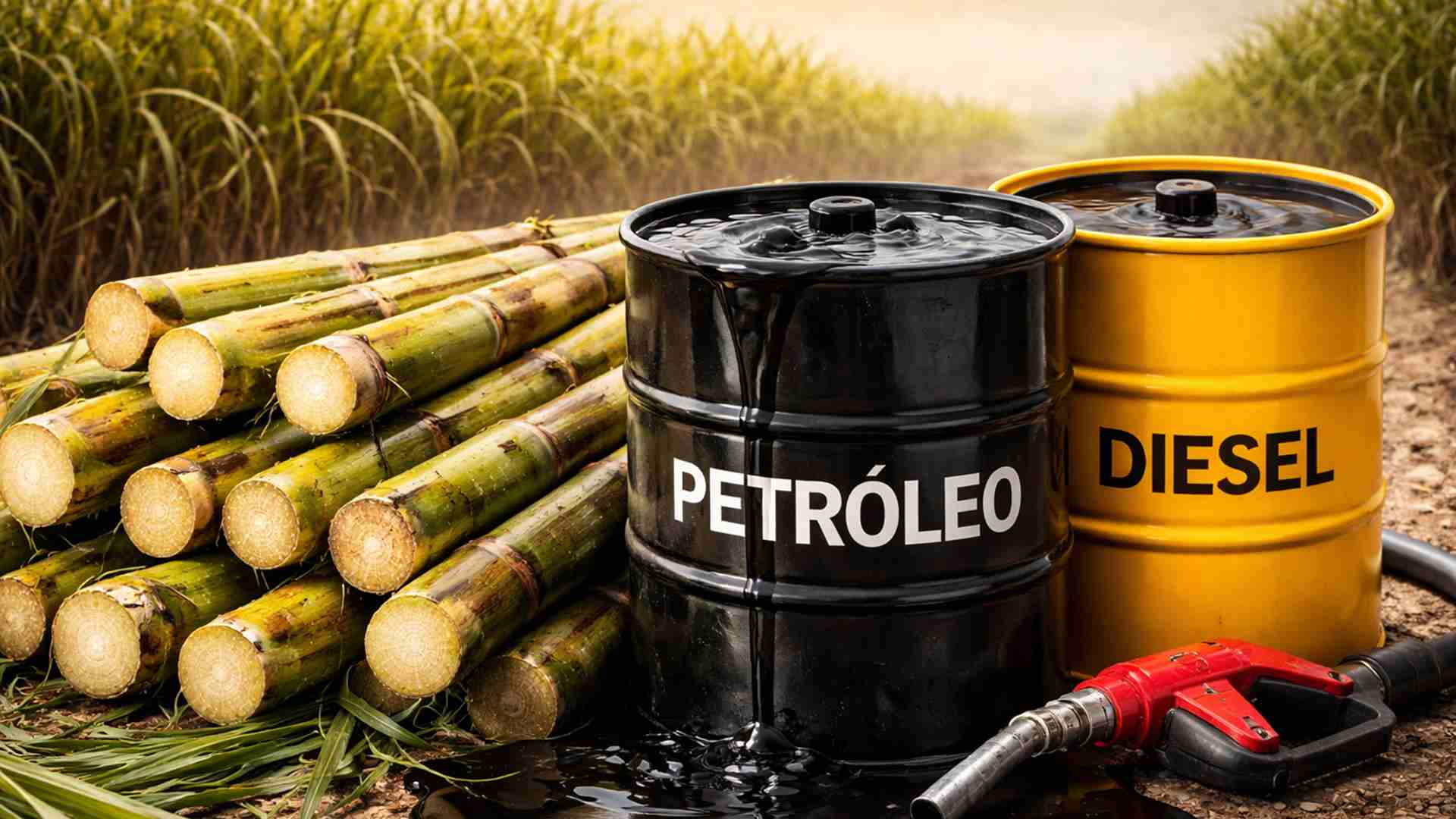
The escalation of tension in the Middle East is already putting pressure on the Brazilian sugar-energy sector, with an increase of over 40% in Brent, a rise of up to 91% in diesel at import parity, and a direct impact on the cost of sugar and the strategy of mills in the Center-South
The escalation of the conflict in the Middle East is already affecting the Brazilian sugar-energy sector by putting pressure on fuel prices and raising the production costs of sugar and ethanol in the Center-South. StoneX’s assessment indicates that the rise in oil supports ethanol revenue but increases operational expenses and tightens the margins of the mills.
Since February 28, Brent has accumulated an appreciation of over 40%. In the same period, the Import Parity Price estimates indicate an increase of 48% in gasoline and 91% in diesel.
At the pumps, diesel B rose more than R$ 1.00 per liter in the country, with an average increase of R$ 1.26 per liter, or 20.6%, until March 21. In São Paulo, the recorded increase was 12%.
-
Rain gains strength in April, potentially exceeding 150 mm, placing the North, Northeast, and the coasts of the South and Southeast at the center of the heaviest forecast of the week.

-
A fish that survives out of water, crawls on land until it finds another river, and whose female lays 80,000 eggs at once is infesting rivers and lakes in Brazil, and no one can stop this invasion.

-
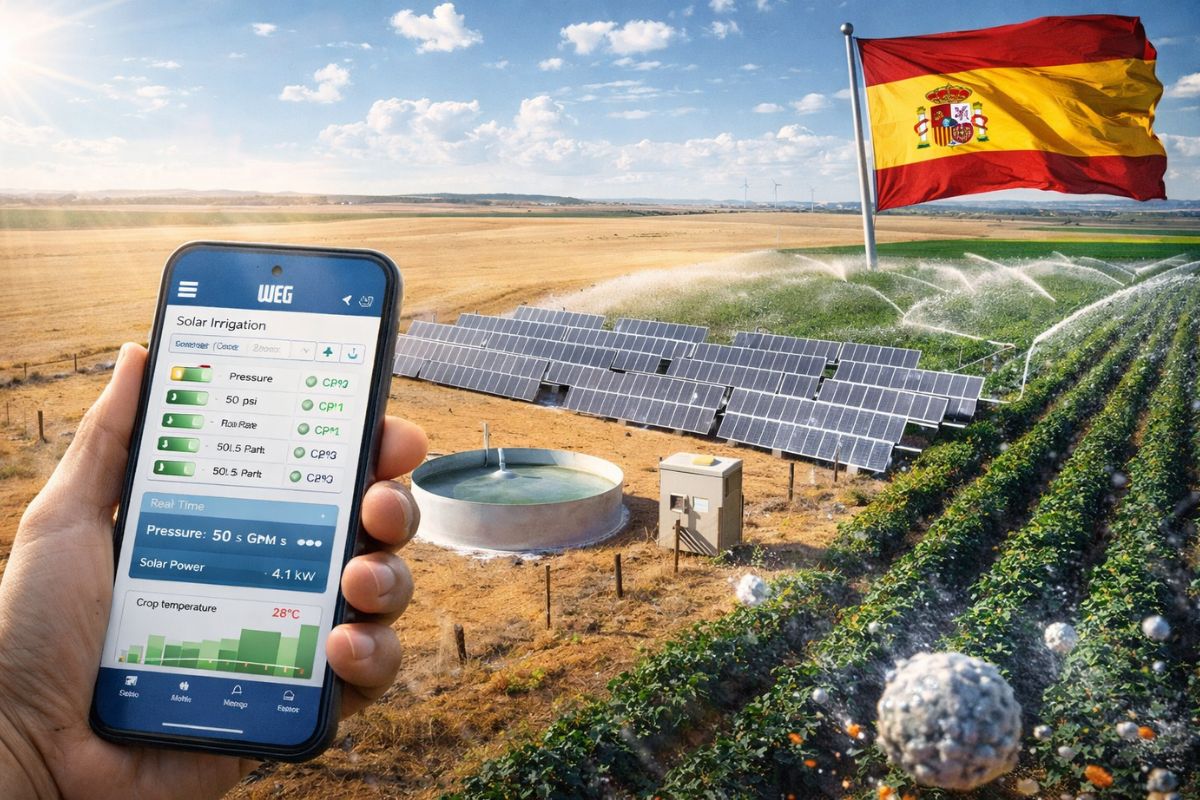
WEG took its technology to Spain to create a solar irrigation system that operates independently without needing an electrical grid, and now farmers control everything remotely via their mobile phones.
-
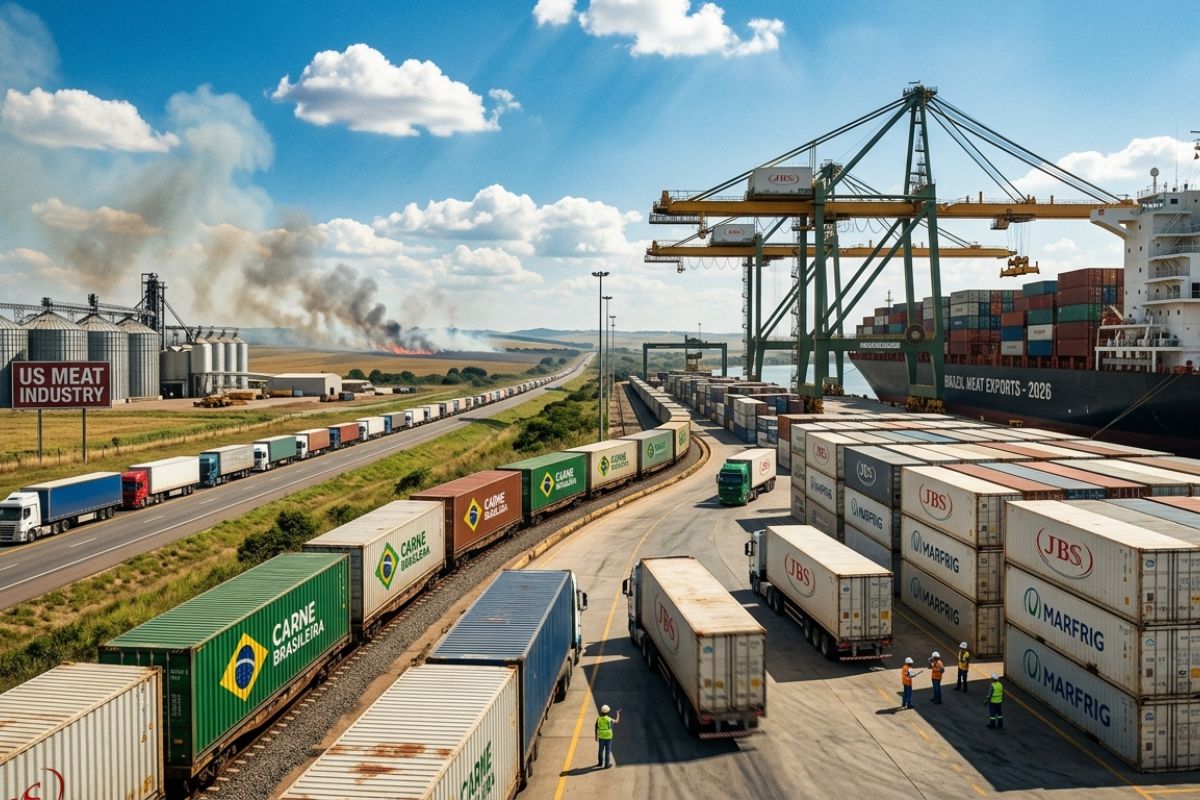
The US faces a meat crisis with fires, pests, and strikes, consumption rises and supply falls to the lowest level since 1952, creating a billion-dollar opportunity for Brazilian exports to grow in 2026.

Middle East pressures sugar and ethanol costs
According to StoneX’s Market Intelligence analyst, Marcelo Di Bonifacio Filho, the scenario produces effects in opposite directions on the sector. More expensive oil tends to sustain ethanol prices and improve the revenue outlook for the mills, while the rise in diesel directly increases operational costs, especially in agricultural activities.
Diesel has a strong weight in the cost structure of the sector and shows a correlation of 97.46% with the total agro-industrial cost over the last 19 harvests. In practice, each increase of R$ 1.00 per liter can raise costs between R$ 29 and R$ 36.5 per ton of sugarcane.
StoneX also points out that the exemption of federal taxes on diesel B was not enough to contain the pressure on internal prices. In March, the adjustment of R$ 0.30 per liter applied by Petrobras limited this relief.
Fertilizers enter the pressure route
The conflict in the Middle East also reverberates in the global fertilizer market, with a widespread increase in products such as urea and MAP.
The pressure arises from supply restrictions in a region relevant to the production of ammonia and sulfur, as well as the rising costs of natural gas and maritime freight.
In the short term, the impact tends to be more diluted for Brazil. This occurs because most fertilizer purchases happen in the second half of the year.
Sugar margins remain close to equilibrium
For the next season, StoneX estimates the production cost of VHP sugar in the Center-South at R$ 1,730 per ton, at the mill gate, and R$ 1,875 per ton, FOB. With the exchange rate between R$ 5.20 and R$ 5.30 per dollar, the breakeven point for sugar in contract #11 varies from US¢ 15.40 to US¢ 17.01 per pound.
As prices were just above US¢ 15.50 per pound at the end of March, the mills are operating close to equilibrium. Still, productivity gains, lower investment in the sugarcane field, an expected drop in the price of ATR to below R$ 1.00 per kilo, and a 10.5% decrease in the cost of third-party sugarcane could reduce total costs and generate additional savings.
Ethanol gains space in the harvest mix
In light of this scenario, the trend is for greater allocation of sugarcane to ethanol. The rise in oil improves the competitiveness of the biofuel, but the increase in diesel reduces sugar margins and reinforces the need for strategic adjustments in the 2026/27 harvest.









Seja o primeiro a reagir!