





 Portuguese
  English
  Spanish
  4 min of reading
  0 comments


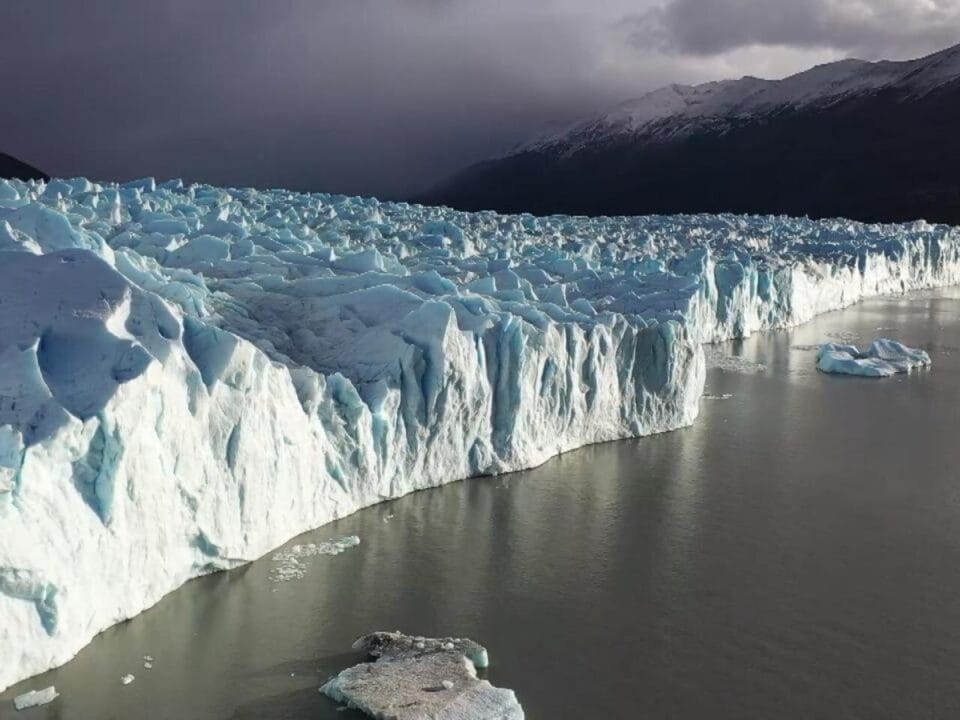
The Thwaites Glacier Threatens to Raise Sea Levels If It Melts Completely. $50 Billion Submarine Curtains Are Proposed to Prevent It
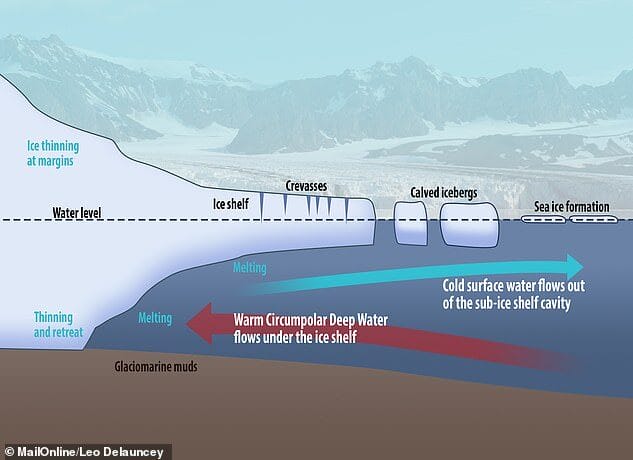
Why is this glacier so important? Because it has the potential to cause a catastrophic increase in sea level if it melts completely. The Thwaites Glacier already contributes 4% of the global rise in sea levels by dumping billions of tons of ice into the ocean every year. Its total collapse could raise sea levels by more than 60 centimeters. But that’s not all. The Thwaites Glacier also acts as a lid that prevents warm seawater from reaching other larger glaciers behind it. If the Thwaites collapses, it could trigger a chain reaction that could raise sea levels by another three meters.
This would have devastating consequences for coastal cities around the world, which would be flooded by water. It is estimated that 97 million people would be affected by this situation, losing their homes, communities, and livelihoods. That’s why many scientists consider the Thwaites Glacier to be the critical point of climate change, and that action must be taken to prevent its disappearance.
THE RADICAL PLAN TO SAVE THE GLACIER WITH SUBMARINE CURTAINS
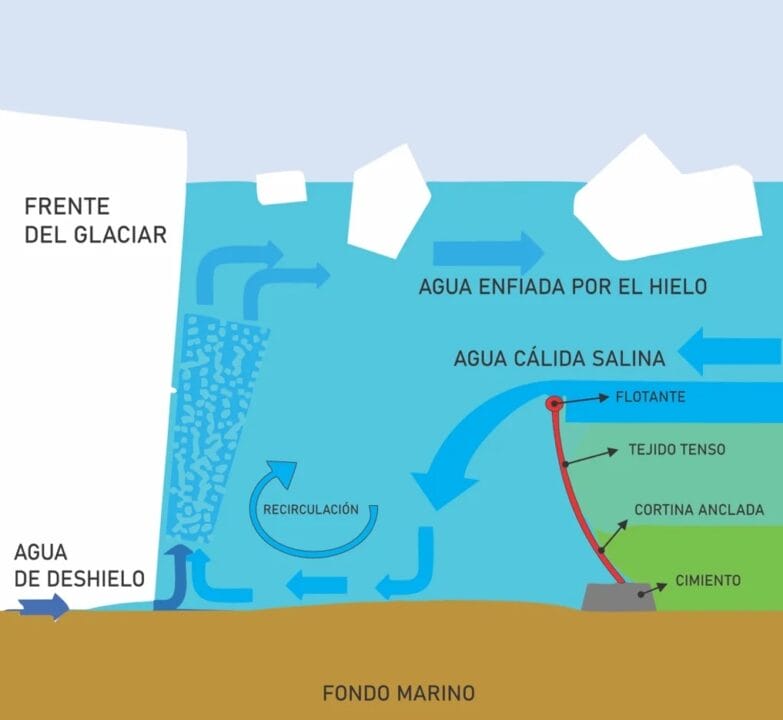
In light of the threat posed by the melting of the Thwaites Glacier, some scientists have proposed a radical idea to try to halt it: installing gigantic submarine curtains that block the flow of warm water eroding it. This is a geoengineering technique, meaning it involves modifying the geophysical environment of the Earth to combat climate change.
-
After decades of failed attempts, Brazil is once again looking to space with an orbital rocket measuring 12 meters, weighing 12 tons, costing R$ 189 million, and scheduled for launch in 2026, in a new race to finally achieve autonomous access to orbit.

-
The Earth will plunge into a few minutes of darkness in broad daylight in August 2026, when a total solar eclipse transforms the sky into one of the most impressive astronomical phenomena in recent years.
-
How the terraforming of Mars can transform the planet: artificial aerosols can increase the temperature by up to 35°C in 15 years, creating conditions for liquid water.

-
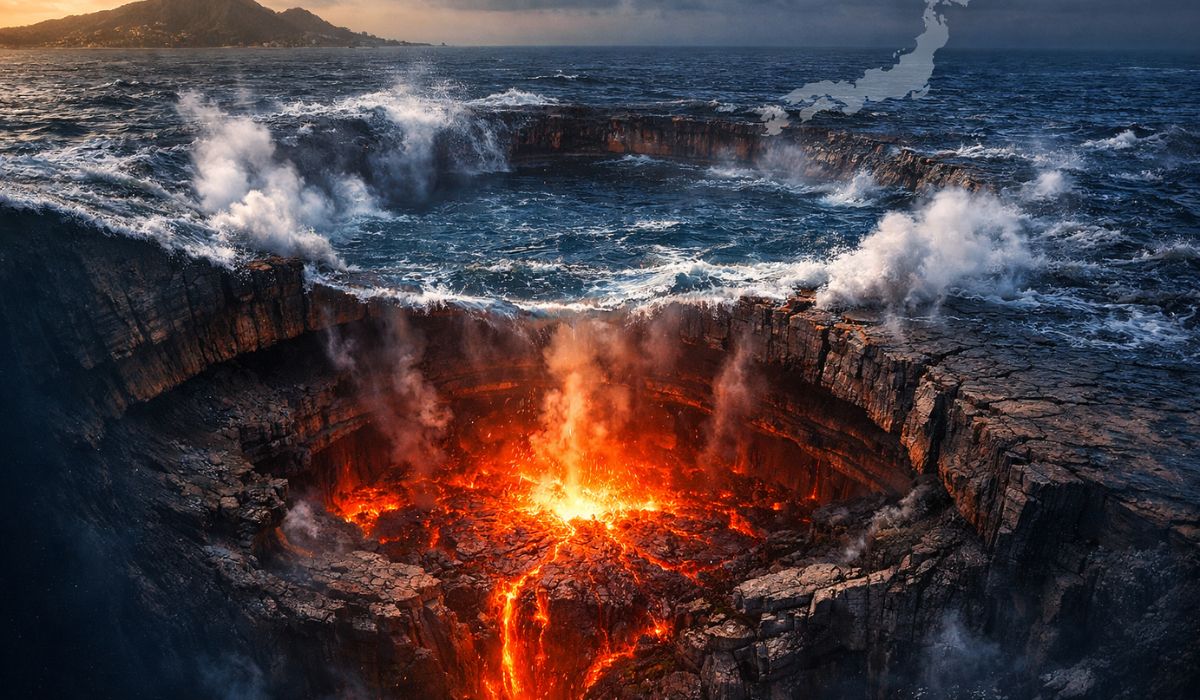
Scientists drilled nearly 8,000 meters into the ocean floor above the fault that caused the 2011 tsunami in Japan and discovered that a layer of clay 130 million years old was responsible for making the wave much worse than any model had predicted.
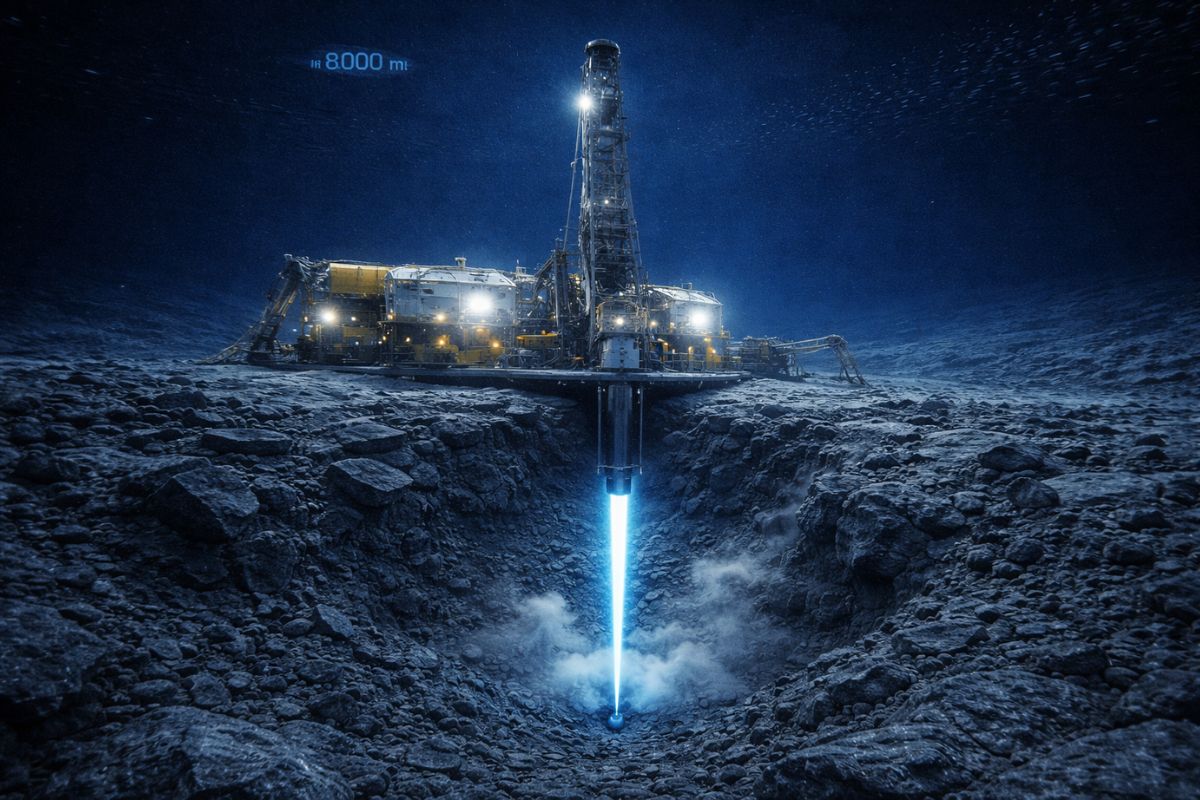

The idea is to place perforated pipes about 100 meters high and 62 miles long (about 100 kilometers) on the ocean floor, near the glacier. These pipes would be connected to a compressed air source that would create a bubble barrier rising from the seabed to the surface. These bubbles would prevent the warm, salty seawater circulating in the depths of the ocean from reaching the glacier and melting it from below. In this way, it would give the glacier time to regain its thickness and stability.
The main proponent of this idea is John Moore, a glaciologist and geoengineering researcher at the University of Lapland in Finland. Moore and his colleagues are trying to find out if this solution would be viable and effective, and to do this, they are conducting small-scale experiments with submarine curtain prototypes. According to Moore, this intervention could prevent the Thwaites Glacier from collapsing, thereby preventing some of the costliest effects of climate change.
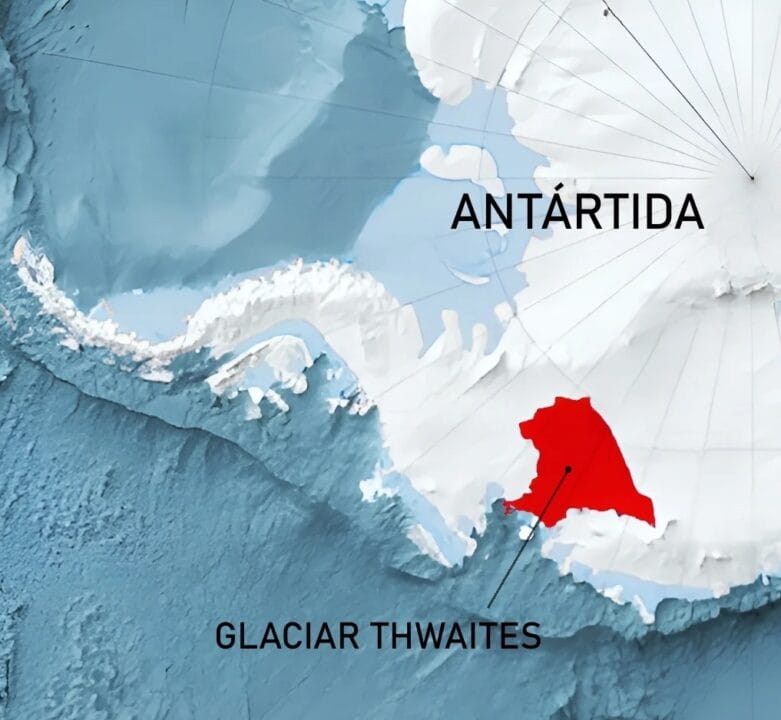
THE CHALLENGES OF GEOENGINEERING SUBMARINE CURTAINS TO SAVE THE GLACIER
Although the idea of submarine curtains may seem appealing, it also presents many challenges and risks. Geoengineering is a very controversial field because it involves intervening in the climate system of the Earth, which is extremely complex and delicate. Some of the problems that could arise include:
Cost and Feasibility: Installing and maintaining the submarine curtains would require a massive economic investment and very complicated logistics. The total cost of the project is estimated to be around $50 billion, making it very difficult to finance and execute.
Side Effects: By blocking the flow of warm water, the submarine curtains could alter the marine ecosystem and affect the lives of the animals and plants that inhabit it. They could also have unforeseen consequences on climate and ocean circulation, which could be worse than the issue they aim to solve.
Ethical and Legal Issues: Geoengineering raises ethical questions about who has the right and responsibility to modify the Earth’s climate, and what criteria should be followed to do so. Furthermore, global regulation and governance would be needed to avoid conflicts and ensure fairness and transparency in its application.
THE ALTERNATIVE OF EMISSION REDUCTION
In light of the challenges and risks of geoengineering, many scientists and experts believe that the best way to prevent the melting of the Thwaites Glacier and other glaciers is to reduce greenhouse gas emissions causing climate change. These gases, such as carbon dioxide (CO2), methane (CH4), and nitrous oxide (N2O), are released into the atmosphere by burning fossil fuels, deforestation, agriculture, and other human activities. As they accumulate in the atmosphere, these gases trap the sun’s heat and cause global temperatures to rise.
Reducing greenhouse gas emissions involves changing the current energy model, which is based on the use of coal, oil, and natural gas, to a cleaner and renewable one that leverages sources like the sun, wind, water, or biomass. It also involves adopting measures for energy efficiency, sustainable transportation, waste management, forest conservation, and other actions that reduce humanity’s carbon footprint.
Reducing greenhouse gas emissions is the safest and most effective way to mitigate climate change and its effects, such as glacier melting. However, it requires global commitment and cooperation, as well as a rapid and deep transition. Time is of the essence, and the future of the Thwaites Glacier and the planet depends on the decisions we make today.






Seja o primeiro a reagir!