





 Portuguese
  English
  Spanish
  4 min of reading
  32 comments


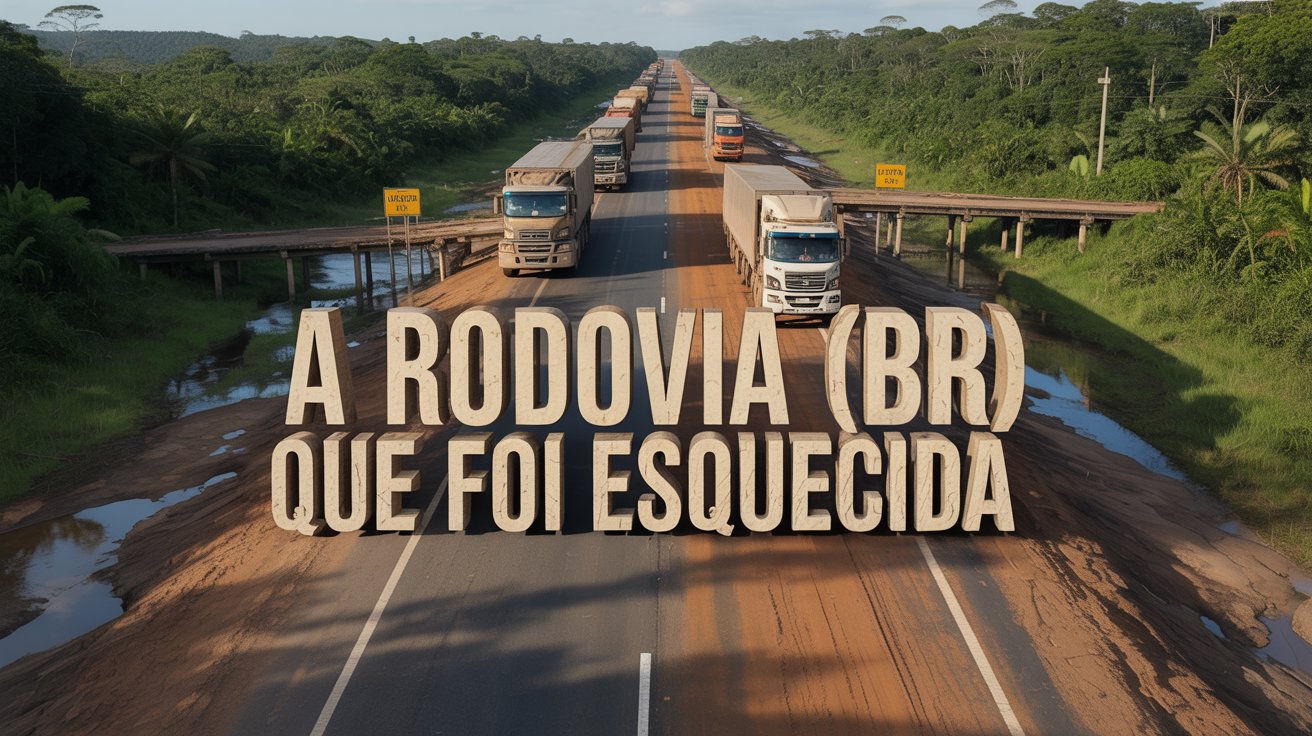

BR-319, Federal Highway of the Amazon, Faces Decades of Environmental, Political and Social Challenges That Hinder Its Complete Paving, Impacting Regional Integration and the Balance Between Development and Preservation of the Rainforest.
In the heart of the Amazon, a federal highway has been challenged by time, politics, and the environment for over four decades.
BR-319, which connects Manaus to Porto Velho, is one of the few land routes linking the North region to the rest of Brazil.
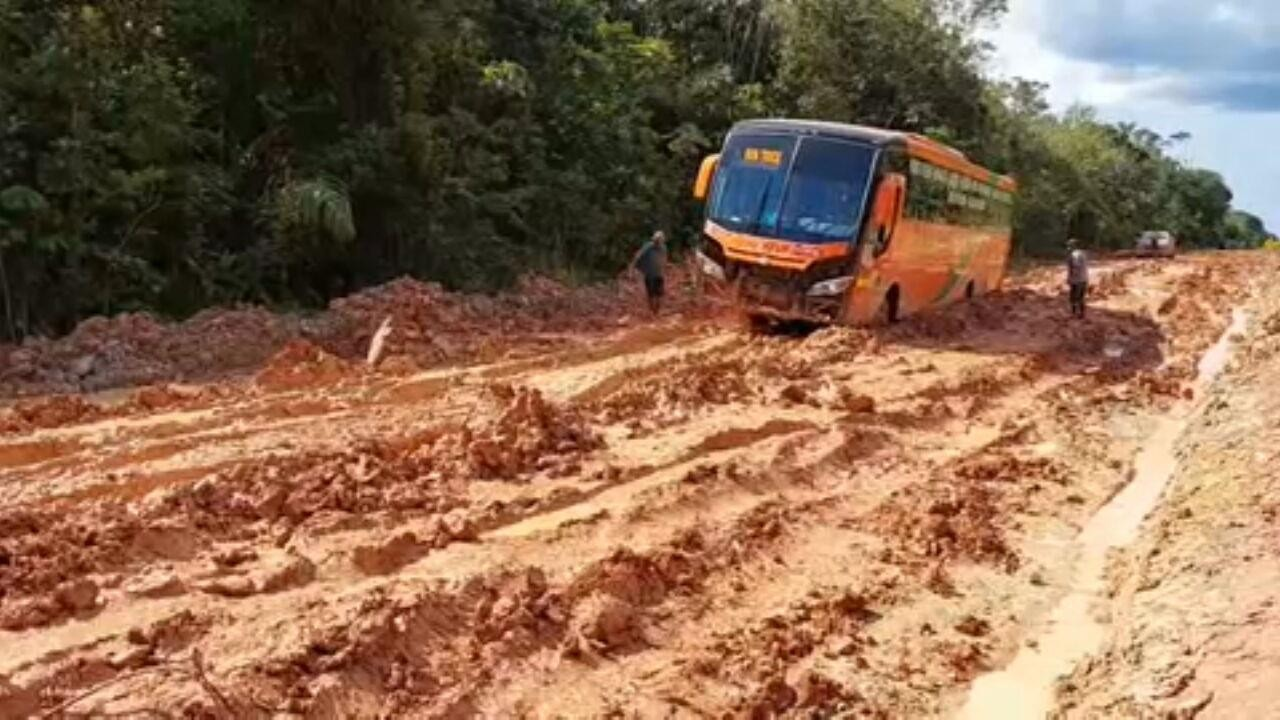
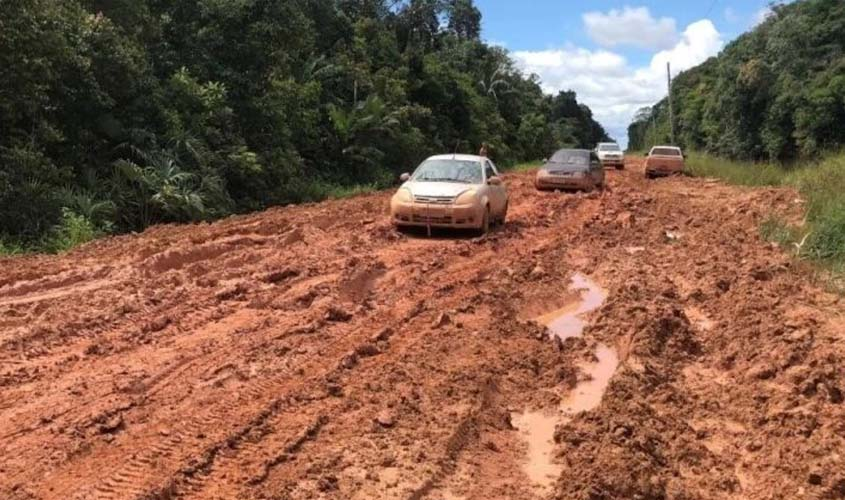
Despite its strategic importance, the highway remains largely unpaved, with sections turning into mud during the rainy season, making the journey practically impassable.
-
Tourists were poisoned on Everest in a million-dollar fraud scheme involving helicopters that diverted over $19 million and shocked international authorities.

-
Hidden beneath the dense forest of the Sierra Nevada, Betoma emerges in a neighbor of Brazil as the greatest archaeological discovery of the century, revealing a colossal ancestral city covering over 18 km², with 8,334 stone structures and the potential to rewrite the history of South American civilizations.

-
Goodbye iron: new technology from Xiaomi promises to revolutionize the way we iron clothes with 500 kPa steam, continuous flow of 120 g/min, heating in 65 seconds, and six smart modes for different fabrics.

-
Rio Pardo, the most mysterious city in Rio Grande do Sul: untouched Pampas castle, the missing treasure of the Devil Boy, bride’s saint, invisible tunnels, and a 200-year curse today.

This reality raises a question that has echoed for years: why has BR-319 never been genuinely paved?
The answer, according to experts and authorities, is not simple.
It involves a complex web of political interests, environmental pressures, financial disputes, and even international influences.
Moreover, the future of the Amazon and the populations that rely on this road is at stake, in a delicate balance between development and preservation.
A Strategic Highway with Poor Infrastructure
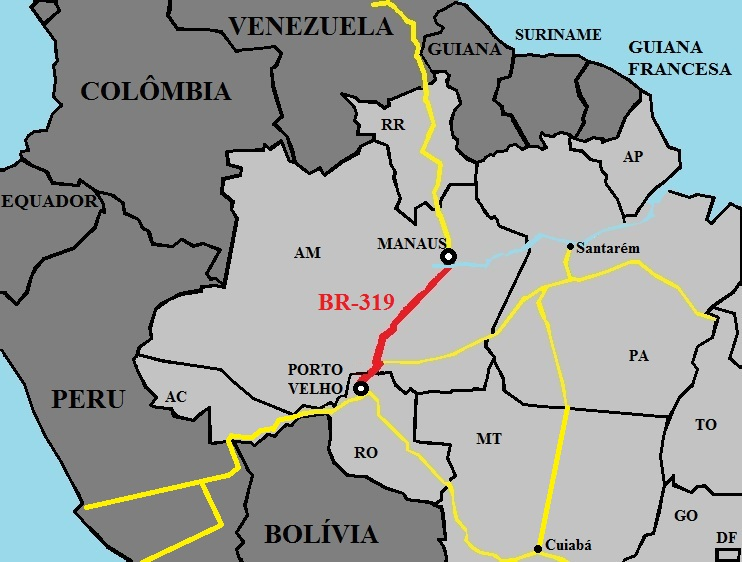
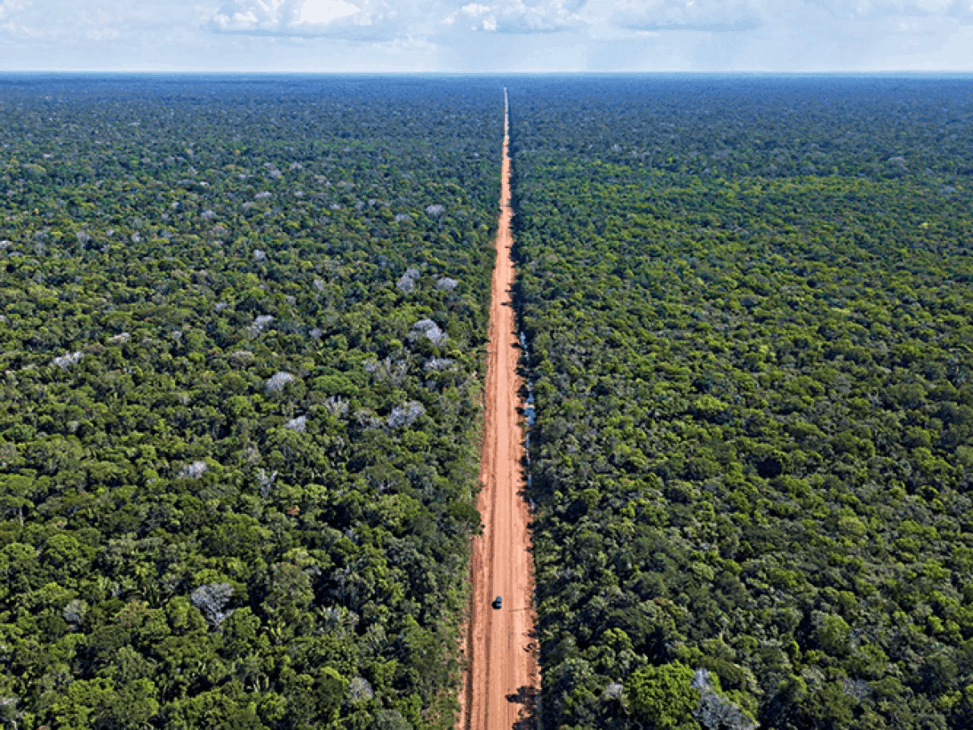
BR-319 is approximately 885 kilometers long and links Manaus in Amazonas to Porto Velho in Rondônia.
In theory, it should be an essential route for transporting goods, people, food, and medicine between the North and the rest of the country.
However, in practice, the road is a challenge for those who need to use it.
The most critical section, known as the “middle section,” stretches about 405 km without continuous paving.
There, drivers face mud, makeshift wooden bridges, and lack of signage, conditions that make the journey risky and time-consuming, especially during the Amazonian winter.
According to truck drivers’ reports, trips that should last about 12 hours can extend to four or five days, depending on the weather.
There are no gas stations, mechanical workshops, or safe places to rest in this stretch, increasing risks for travelers.
When a truck gets stuck, the only solution is help from tractors to pull it out, highlighting the precariousness of the highway.
Discontinuity and Challenges in Each Section of BR-319
The highway is divided into four major sections, each with very distinct conditions.
The first goes from kilometer zero to 198, between Manaus and Careiro da Várzea.
This section is fully paved and is considered in good condition for traffic.
It is also the second busiest for those leaving Manaus.
Next, from kilometer 198 to 250, the so-called “lot C,” paving works began in 2021.
Although progress has been slow, there have been important advancements, but the route still faces significant obstacles.
From kilometer 250 to 655 is the so-called middle section, the largest and most problematic part of the highway.
There are 405 km of road in precarious conditions, with mud, wooden bridges, and lack of continuous paving.
This section is what makes BR-319 a “ghost highway”: it appears on maps but is virtually invisible to progress and development.
Finally, from kilometer 655 to 885, between the end of the middle section and Porto Velho, the last 230 km are paved, although varying in pavement quality.
Some points need maintenance, but, in general, the stretch is passable.
What Prevents the Complete Paving of BR-319?
According to experts, several factors hinder the completion of the highway’s paving, and these factors go far beyond simple financial costs.
The main one is the immense environmental pressure on the Amazon.
The route of BR-319 crosses sensitive areas, including extractive reserves, indigenous lands, and riverside communities.
These regions have high environmental and social value, and any heavy intervention can cause severe impacts.
Moreover, the cost to pave and maintain a road in these environmental conditions is very high.
Constant rains and soil instability require substantial investments to ensure durable and safe infrastructure.
Another point is political disputes.
Over the years, the BR-319 project has become a topic of heated debates among governments, environmentalists, and economic sectors.
Some argue that paving will bring development and regional integration, while others warn of the risk of accelerated deforestation and environmental degradation.
International pressure also weighs on the debate.
Environmental organizations and countries interested in preserving the Amazon monitor and influence decisions that could affect the biome.
This creates a stalemate between progress and conservation, complicating definitive decisions.
The Future of BR-319 and the Amazon at Stake
Despite the hurdles, recent advancements indicate some movement towards the recovery of the highway.
The federal government and private companies have invested in works to pave and improve infrastructure, especially on “lot C.”
However, the completion of the work and the full functionality of BR-319 still depend on a delicate balance between environmental sustainability, economic viability, and political will.
BR-319 is more than a road: it is a symbol of the tensions between development and preservation of the Amazon.
How this conflict will be resolved could determine not only the future of the highway but also the fate of the region and the communities that live there.
Did you already know this story behind BR-319? In your opinion, what should be the path for the future of this important and controversial highway?




The paving of BR319 will ultimately lead to the collapse of the Amazon rainforest and accordingly, of the entire world climate. Not more, not less.
BR366 will follow in due course with no EIA, destroying the TransPurus just like the Arc of deforestation destroyed the east and so that of the Amazon basin.
Putin and Rosneft have acquired huge blocks in Trans Purus. They can’t wait to see the road paved.
Leaders of the world in Belem: save our planet by convincing President Lula to acknowledge his great responsibility. Stop paving section C NOW!
Cercas de qualidade para proteger a rodovia, uns dez ou doze viadutos para livre circulação dos animais da floresta ao longo dos 400 km e, a cada 50 km, um desmatamento bem planejado para instalação de postos de abastecimento dos veículos e vilas para o convívio confortável dos moradores
Na minha opinião, o maior problema da BR 319, é a máfia dos canalhas políticos, que tem suas balsas, arrecadando milhões de reais, inclusive na maioria das vezes, e essas balsas, são como a galinha dos ovos de ouro para todos eles, haja visto, que a sua vida política, é muito curta.
Claros que alguns deles, são contra a pavimentação completa da BR 319.por outro lado: existem ongs, armado das questões ambientais, ganham muito dinheiro na grilagem de terras e extrações dentárias madeiras, geralmente, nobres.