





 Portuguese
  English
  Spanish
  3 min of reading
  0 comments


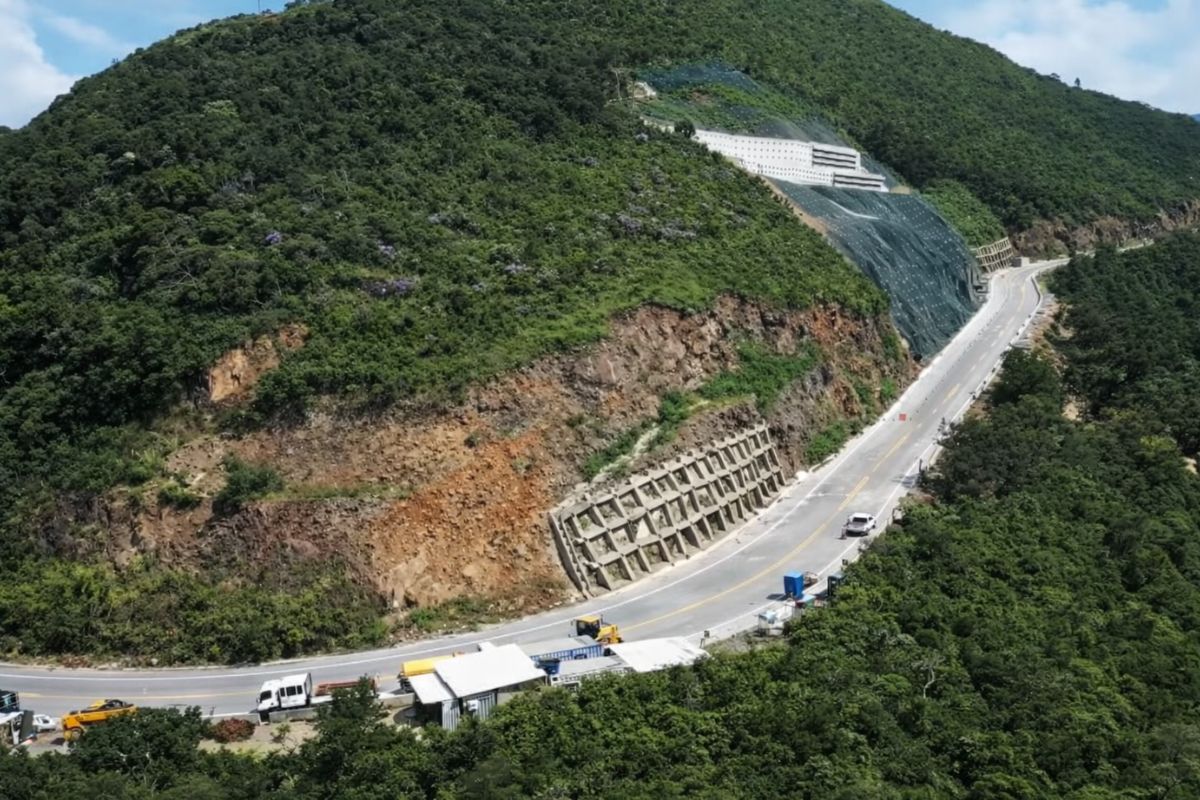
Serra da Rocinha resumes operations on the BR-285 stretch in Timbé do Sul after anchored curtains, top-down technique, and stair-shaped duct reduce the risk of new landslides.
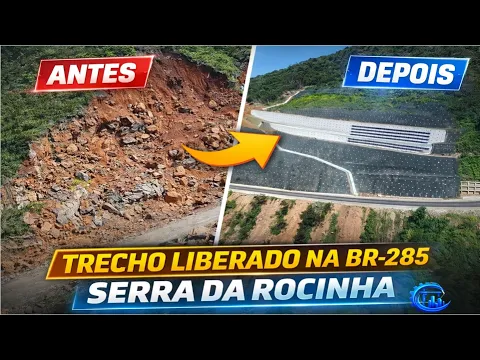
The Serra da Rocinha, in southern Santa Catarina, has undergone a complete turnaround compared to the situation seen about two years ago, when the stretch was reduced to a single lane, with dirt road, loose rocks, and rain impacts during the work.
Now, the Serra da Rocinha has traffic permanently released within the state of Santa Catarina for both uphill and downhill travel, leaving behind the scenario of time restrictions that still appeared in previous periods.
What has changed in the released stretch of Serra da Rocinha

The Serra da Rocinha had been presenting a critical situation due to rains and problems that left the road with loose material, exposed rocks, and constant risk.
-
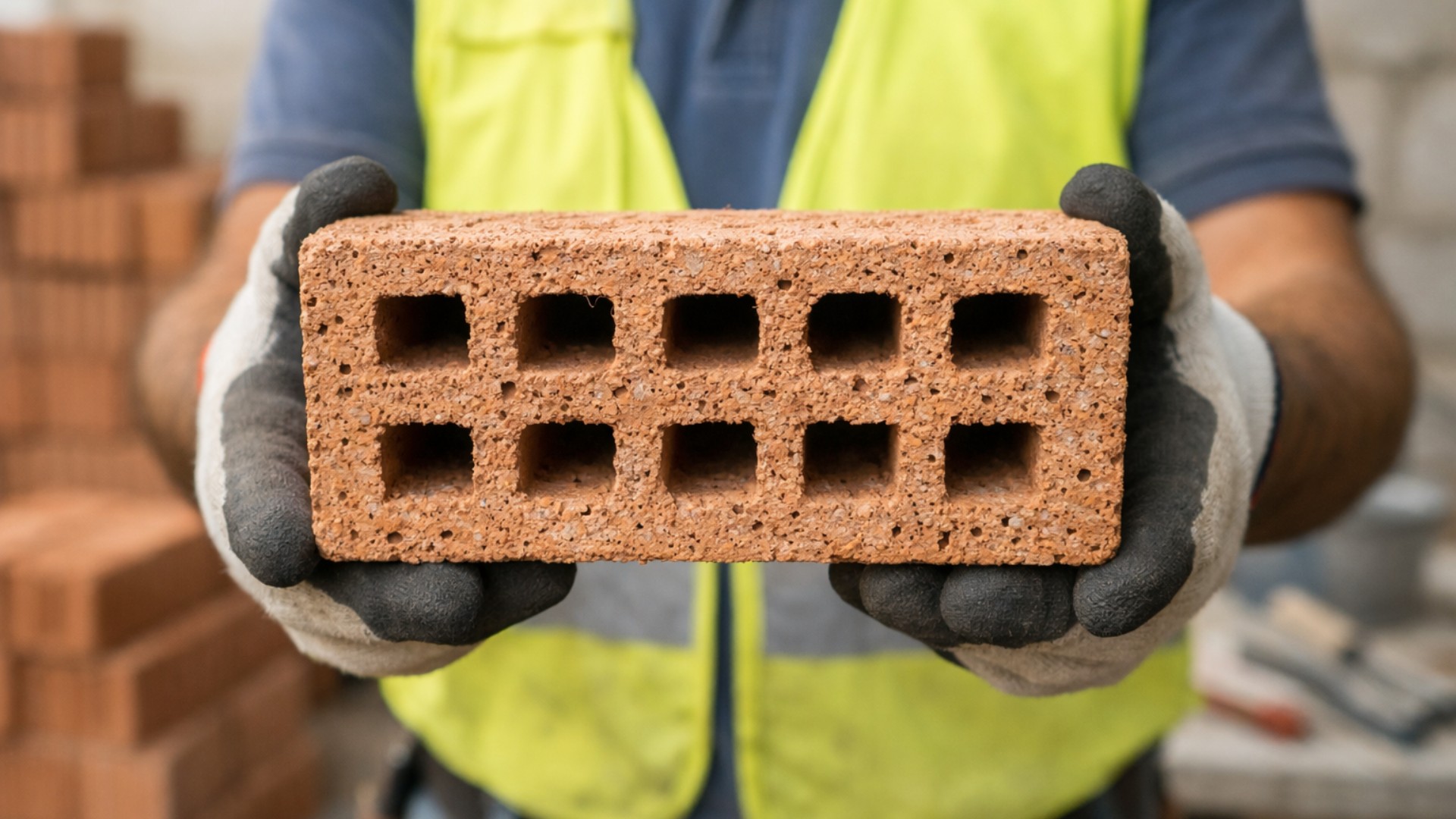
Scientists use sawdust mixed with clay to create a lighter brick, promising efficient thermal insulation and impressing by transforming waste into a solution for construction.
-
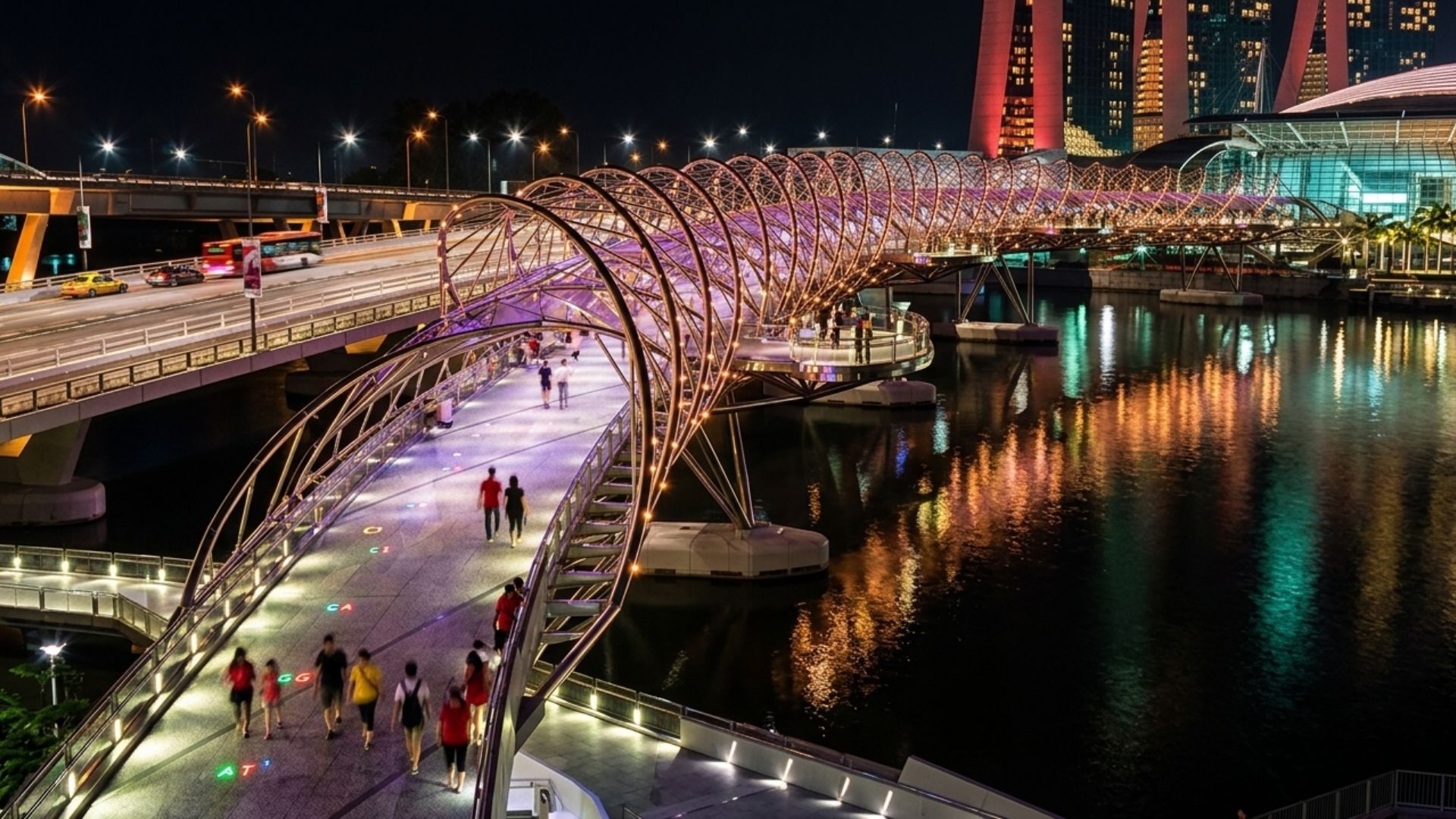
With a DNA shape, this bridge in Singapore draws attention in modern architecture and surprises tourists by transforming a simple crossing into an unforgettable visual experience in the urban heart.
-
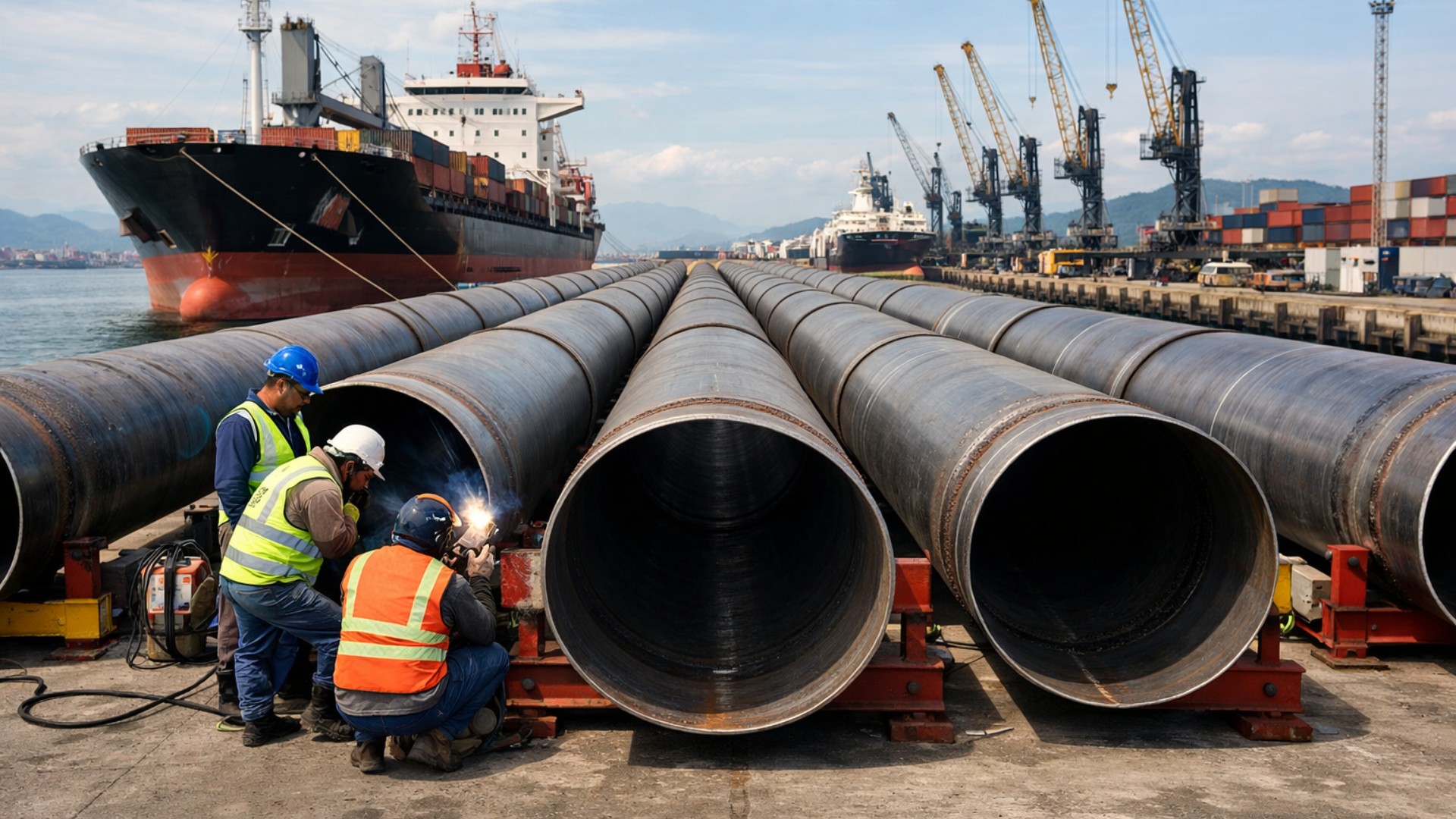
Giant underwater pipeline begins to take shape with a R$ 134.7 million project at the Port of Santos: the 1.7 km structure uses 12-meter and 700 mm pipes to supply water to 450,000 people in Guarujá.
-
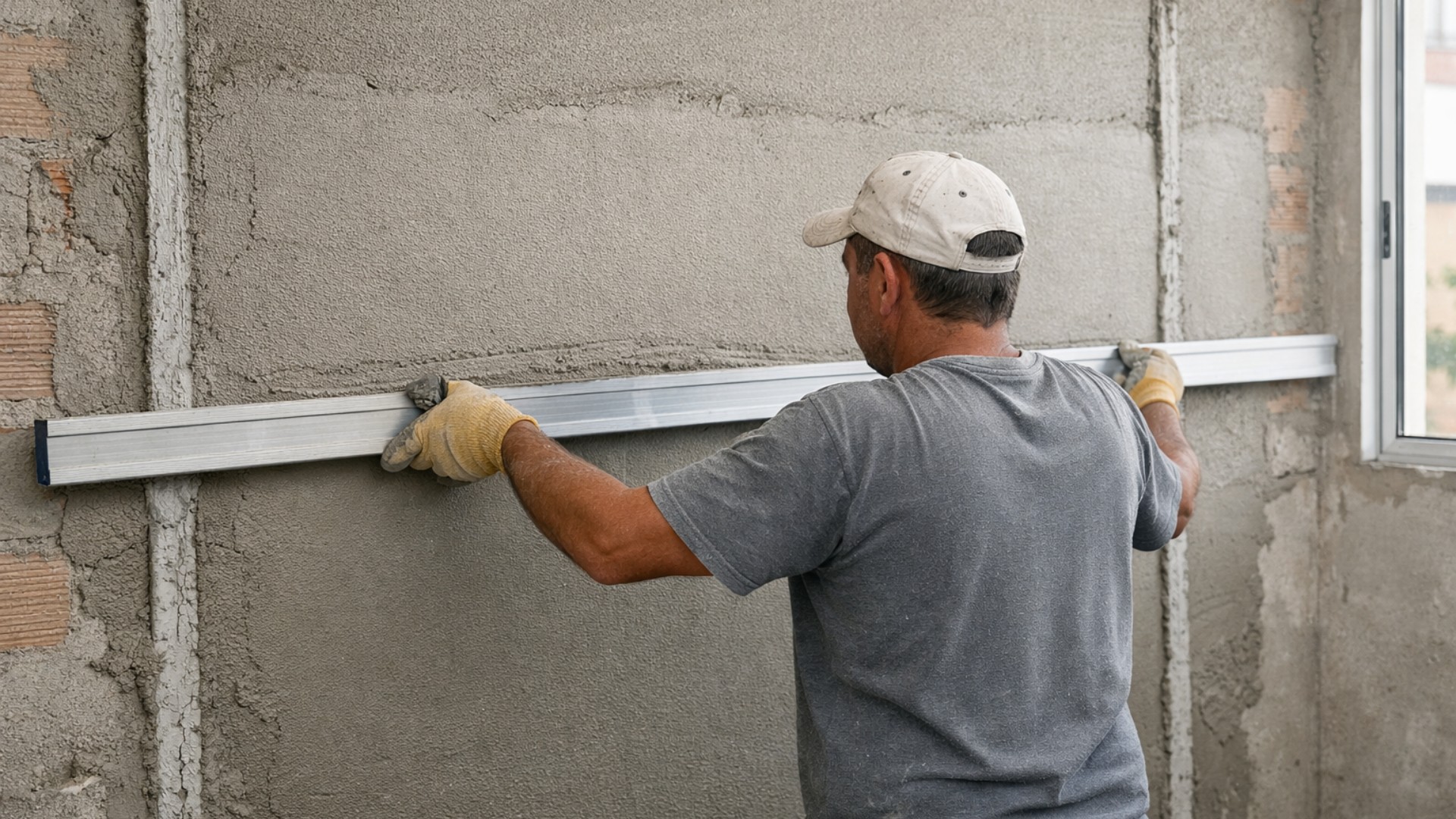
A mason reveals a professional plastering technique that uses aligned guides and a 3-meter ruler to plaster an entire wall in up to 3 hours, without visible seams, with uniform thickness, perfect plumb, and a finish ready for painting without rework.

The stretch that was most vulnerable was precisely the point where the slope was collapsing and encroaching on the road.
With the release, the perception on site is of another reality: completed pavement, visible containment structures, and increased safety for traffic, especially in the stretch that concentrated the instabilities.
Large-scale anchored curtains become the highlight of the work
Among the main interventions at Serra da Rocinha, the highlight is the large-scale anchored curtains, containment structures that stand out in the released stretch.
The cited estimate is approximately 50 meters high at specific points, indicating a robust solution to secure the slope.
Additionally, screens and other containment elements appear to reduce the fall of fragments and improve safety around the road. The central idea is to prevent the upper part, which was constantly giving way, from falling back onto the highway.
Top-down technique stabilizes the slope from top to bottom

The Serra da Rocinha also received the application of the technique known as top-down, described as a method where stabilization is executed from top to bottom.
In practice, this means starting work at the top, removing loose material and seeking a base to support the structures, and then advancing in stages down to the lower part.
This type of execution helps control the risk during the intervention, as it reduces the chance of collapse while the work progresses.
Stair-shaped duct controls water and prevents erosion
One point that draws attention at Serra da Rocinha is the structure that looks like a staircase but serves a drainage function.
What appears there is a water duct in the shape of a staircase, designed to slow down the water as it descends the slope.
The explanation is straightforward: if the water descends in a straight line, it gains speed and pressure, and upon encountering obstacles below, it can cause erosion and other damages capable of compromising the work. With the stair shape, the water loses energy along the way and arrives with less force.
Permanent release on the Santa Catarina side and attention to the RS stretch
The Serra da Rocinha, on the Santa Catarina stretch, now operates with a permanent release, while there are still mentions of works occurring on the Rio Grande do Sul side. The border point is cited as a reference for where the scenario changes from one state to another.
With the Santa Catarina section released, the expectation is for better flow and fewer interruptions in travel, especially for those who depend on BR-285 for regional circulation.
Do you think that Serra da Rocinha should have enhanced monitoring and maintenance year-round to prevent new closures, or do works of this scale already solve the problem for many years?








Seja o primeiro a reagir!