





 Portuguese
  English
  Spanish
  3 min of reading
  0 comments


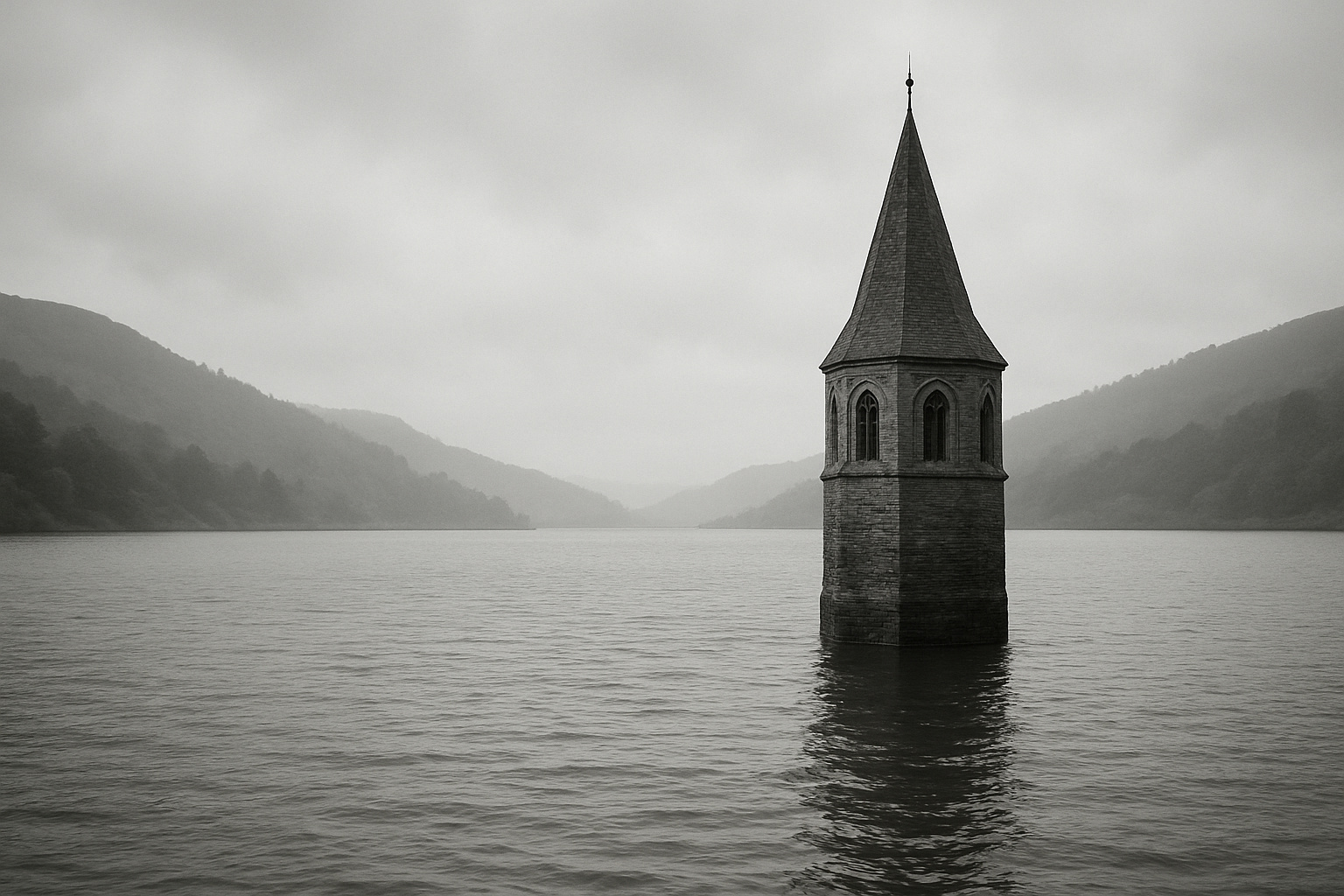
The Ruins of the Village of Derwent, Swallowed by a Reservoir in 1945, Re-emerge in Extreme Droughts and Reveal Traces of a Disappeared Community
In 1945, an entire village ceased to exist in England. Derwent, in the heart of the Derwent Valley, was sacrificed to make way for a large water reservoir. The village was swallowed by the Ladybower reservoir, created to supply the towns in the central part of the country.
The decision came after the recognition that the two previous reservoirs — Howden and Upper Derwent — would not meet the growing demand.
The initial removals only affected a few farms and isolated properties. But with the new plan, it became clear that the complete destruction of Derwent and the neighboring village of Ashopton was inevitable.
-
Meta’s new smart glasses are not just for seeing; they use artificial intelligence, analyze your food, summarize messages, and can even change the way you work in professions like engineering.

-
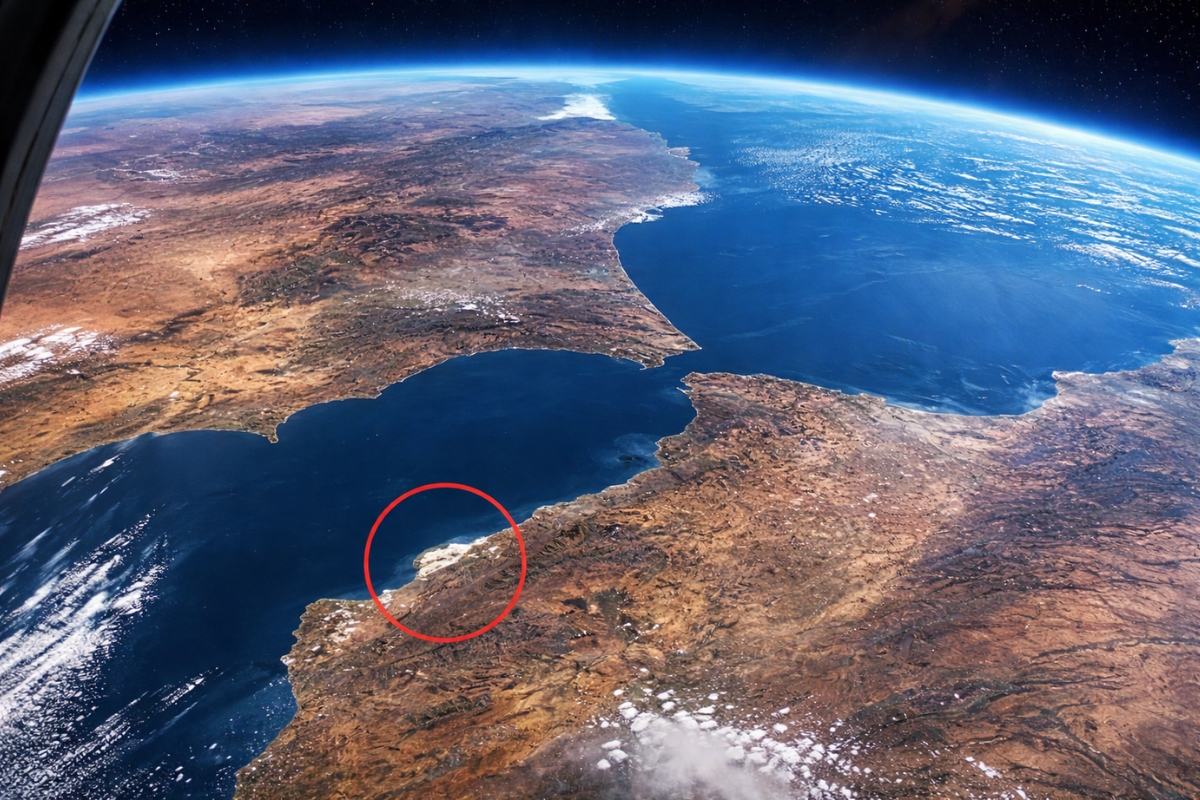
According to an analysis by NASA, only one human-made structure is visible from space, and it is not the Great Wall of China or the Pyramids of Egypt.
-
After 377 years of history, the Brazilian Army will have its first female general: Colonel Claudia Cacho has been promoted to brigadier general by Lula and will receive the sword and command baton this Wednesday in Brasília.

-
A Mercado Livre customer opened their package and found 32 resumes of people looking for jobs crumpled as protective paper inside the box, exposing names, addresses, documents, and phone numbers of dozens of candidates.


The dam’s construction began in 1935. Residents were gradually relocated, and by 1943, the construction was completed. With the rains and the flow of local rivers, the valley slowly filled up. In 1945, Derwent was officially submerged.
For years, there was no sign of the old village. Only the church tower, during rare dry periods, emerged as a melancholy reminder of what once was.
Some said they could hear the church bell ringing underwater — even knowing it had been removed before the flooding. This detail fueled the atmosphere of mystery surrounding the place.
The first significant reappearance of Derwent occurred in the summer of 1976. The intense drought that year caused parts of the village to resurface. In 2003, this happened again. But it was in 2018 that the scene was even more striking.
That year, the summer was extremely hot and dry. The reservoir level dropped drastically. In September, the tower of the old church was completely visible. Around it, parts of forgotten buildings began to appear.
It was possible to walk among the stones. Low walls, fireplaces, columns, and even ornate gates were there, revealed by the retreating waters.
The old path behind the church also appeared. The bridge over the stream that led to the school became accessible. The ground, covered in mud, made it clear where life once existed. Those walking there could see the marks left by a community that disappeared under the waters.
These appearances provoke mixed feelings. On one hand, there is the beauty of rediscovery. On the other, a silent sadness. The darkened stones, the crumbling structures, and the traces of buildings evoke memories.
Old photographs show boys playing in the stream, families at village festivities, and residents strolling along tree-lined roads. All of this now lies at the bottom of a lake.
Ashopton, the second submerged town, had a different fate. It is buried under silt, and there are no visual records of it resurfacing. The chance of seeing it again is remote. Derwent, however, lies in a shallower area and still reemerges.
The return of the submerged town of Derwent depends on the weather. There is no way to know when this will happen again. It may take years. It could be soon. But every time its ruins emerge, history comes along. A piece of England’s past comes back to life, even if for a short time.
With information from BBC.








-

-

2 pessoas reagiram a isso.