





 Portuguese
  English
  Spanish
  5 min of reading
  1 comment


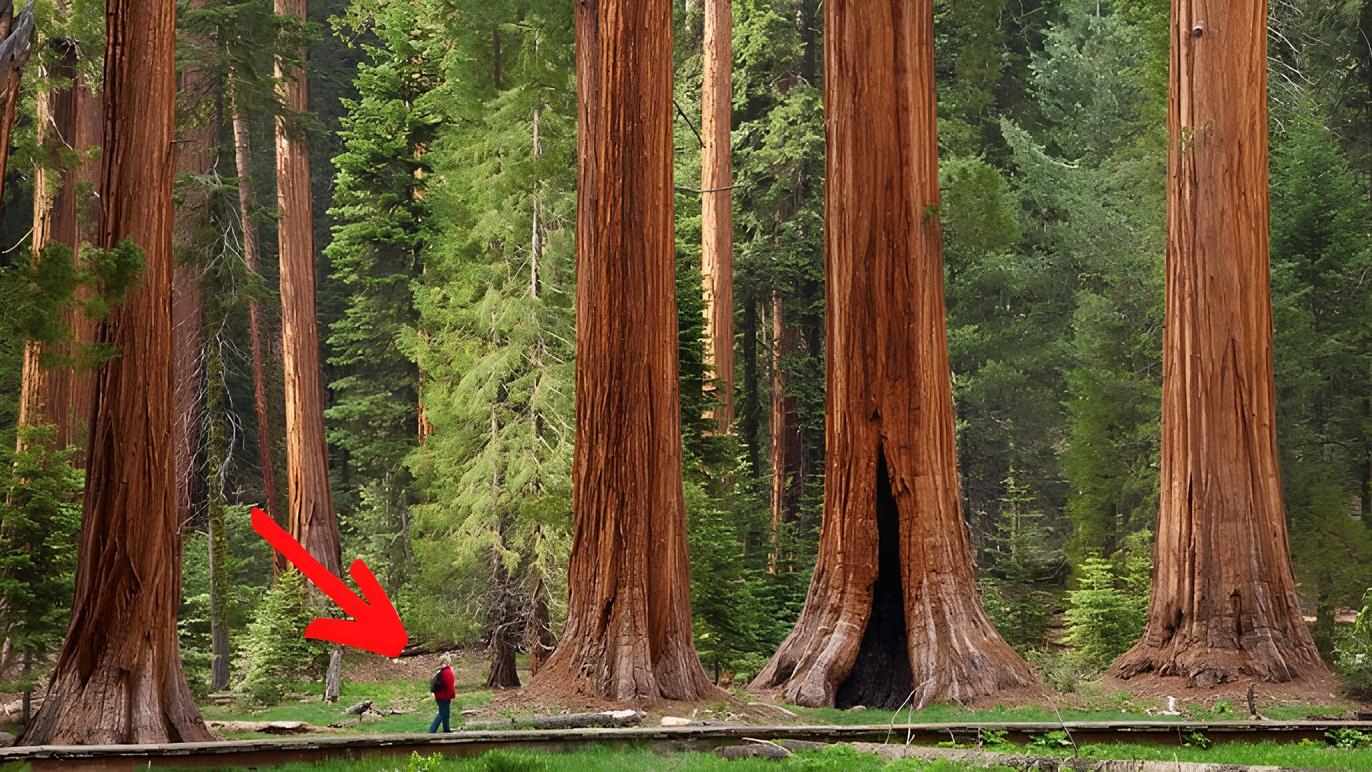


Discover Where the Impressive Hyperion Sequoia Lives, Recognized as the Tallest Tree in the World. A Thousand-Year-Old Giant with Roots in the Prehistoric Era, Still Growing and Surrounded by Nature’s Mysteries
Nature is full of impressive wonders, but few compare to the majesty of the tallest tree in the world. It is the Hyperion sequoia, a giant millennial tree that towers over 115 meters in height — equivalent to a building more than 27 stories tall — and whose age exceeds 2,000 years. Discovered only in 2006, this tree has not only survived millennia of climate change and natural events but continues to grow today, challenging the limits of biology and the human imagination itself.
Today we explore the surprising characteristics of the Hyperion, the ecological context that allows for its survival, the efforts for its preservation, and why it fascinates scientists, environmentalists, and nature lovers alike. If you are interested in prehistoric trees, biodiversity, and natural records, keep reading and discover why this green giant is so special.
The Hyperion Sequoia: The Tallest Tree in the World
The Hyperion is a coast redwood (Sequoia sempervirens) located in Redwood National Park in Northern California, United States. It was discovered on August 25, 2006, by two naturalists — Chris Atkins and Michael Taylor — and subsequently measured accurately by a team from Humboldt State University.
-
This simple tool eliminates the need for a plumb line with each row, speeds up brick laying by up to 40%, and any laborer can align the wall by themselves, but almost no one in Brazil uses it on construction sites.

-
Won R$ 72 million in the British lottery, but lost it all for not claiming: October ticket in Bexley was forgotten, the 180-day deadline passed, and the fortune will fund local community projects in London.

-
Mixing vinegar with detergent in a blender has become the most talked-about cleaning trick on the internet because it solves a problem that everyone has in the kitchen in seconds and uses only two ingredients that you already have at home.

-
The largest fortress on the planet is located in a city with 10 km star-shaped walls, 300 hectares protected, an aqueduct with 843 arches and 7 km long, strategic forts, and a UNESCO title that intrigues specialists.
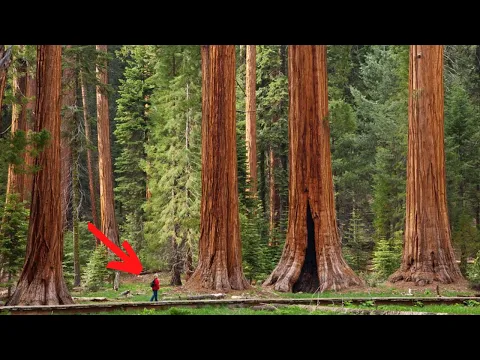

With 115.92 meters in height, the Hyperion easily surpasses monuments like Christ the Redeemer (38 meters) and even the Statue of Liberty (93 meters, including the base). This tallest tree in the world is situated in a remote area, access to which is restricted to avoid damage to the surrounding vegetation, as visitor traffic threatened the ecosystem that sustains it.
What Makes This Thousand-Year-Old Giant So Unique?
The Hyperion impresses not only with its height but also with its age and resilience. It is estimated to be between 600 and 800 years old, although other sequoias in the same park exceed 2,000 years of life, making them true millennial giant trees. These trees are considered prehistoric as they began to grow when great human empires did not yet exist.
Its exceptional growth is related to a combination of unique environmental factors of the Northern California coast:
- Temperate, humid climate, with regular rainfall and frequent coastal fog.
- Deep, nutrient-rich soil, ideal for deep rooting.
- Natural protection against wildfires, due to thick bark of up to 30 cm, which is fire resistant.
- Low human intervention, with remote and protected areas since the 20th century.
This rare combination favors not only continuous vertical growth but also longevity. Estimates suggest that the Hyperion is still alive and growing, albeit at a slower pace due to natural wear and the action of wind on its highest parts.
Prehistoric Trees: Survivors of Another Era
Coast redwoods are considered true prehistoric trees, descendants of species that existed over 100 million years ago, during the Cretaceous period. They once covered vast areas of the Northern Hemisphere, but today they are restricted to a narrow coastal strip in Northern California and Southern Oregon.
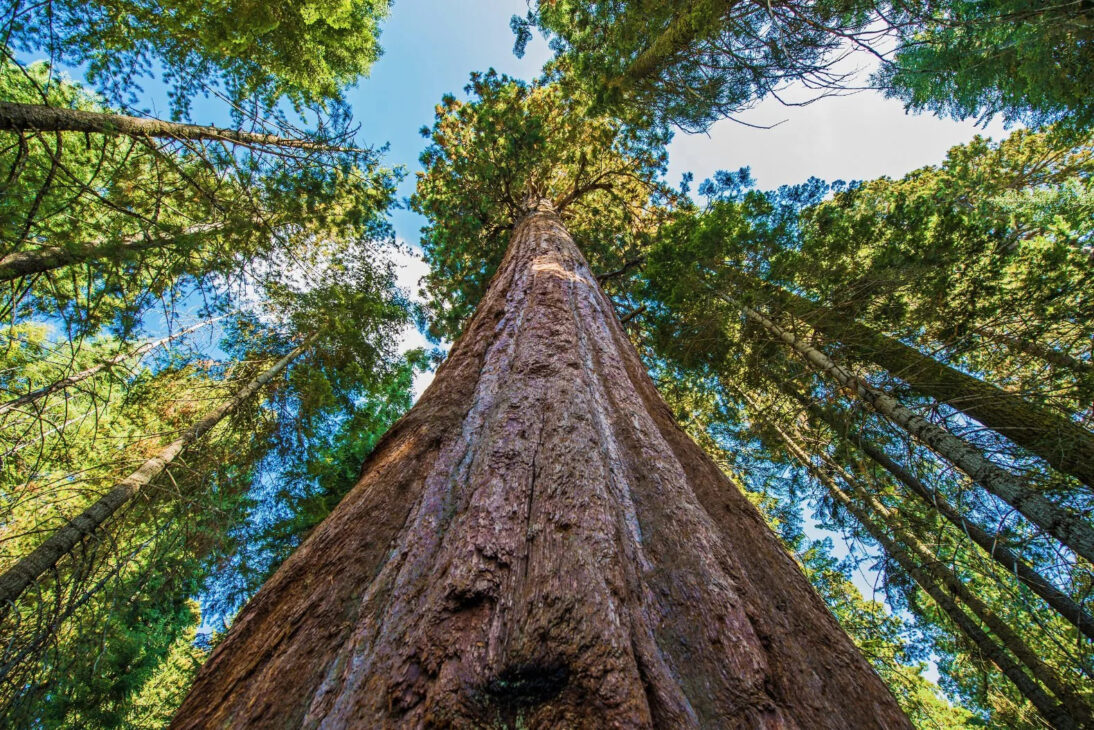
This evolutionary legacy grants sequoias unique characteristics of adaptation and resilience, such as:
- The ability to regrow even after severe damage.
- Interconnected root systems among neighboring trees, increasing stability.
- High tannin content, which protects against fungi and insects.
The Hyperion, therefore, is not only the tallest tree in the world but also a symbol of the resilience of plant life in its purest and oldest state.
Threats and Preservation: The Dilemma of Fame
Since its revelation to the world, the Hyperion sequoia has become somewhat of a celebrity in botany. Unfortunately, this fame has brought risks. In recent years, a growing number of tourists have invaded the protected area in search of selfies and personal records. This movement causes:
- Soil erosion around the roots, impairing water and nutrient absorption.
- Soil compaction, which compromises the root system.
- Increased local pollution, with litter and improvised trails.
In 2022, the U.S. National Park Service implemented a total ban on access to Hyperion, subject to fines and even imprisonment. The decision aims to protect not only this monumental tree but the entire ecosystem that allows for its existence.
According to the responsible biologists, merely trampling the soil around its roots can have irreversible consequences. Therefore, preserving the Hyperion has become a clear example of the tension between environmental conservation and uncontrolled tourism.
Other Green Giants Around the World
Although the Hyperion is the tallest tree in the world, it is not alone in the pantheon of colossal trees. Other species stand out for their size or longevity:
- General Sherman, a giant sequoia (Sequoiadendron giganteum), also in California, is the tree with the largest volume of wood on the planet.
- Methuselah, a bristlecone pine (Pinus longaeva) in California’s White Mountains, is over 4,800 years old, making it one of the oldest still alive.
- Jomon Sugi, in Japan, is a specimen of cryptomeria over 2,000 years old, revered as sacred.
These examples show how global forest biodiversity holds secrets not yet fully understood, and how care for these natural relics is essential for environmental balance.
The Ecological Importance of the Tallest Tree in the World
More than a natural record, the tallest tree in the world performs essential ecological functions. Coast redwoods are extremely efficient carbon sinks, meaning they capture large amounts of CO₂ from the atmosphere, helping to mitigate the effects of climate change.
In addition, they host hundreds of species of animals, fungi, and lichens in their crowns and trunks, functioning as vertical microecosystems. The destruction or degradation of these giants directly impacts biodiversity and the natural cycles of the region.
A Living Monument That Needs to Be Protected
The story of the Hyperion sequoia is more than that of a thousand-year-old giant tree. It represents the grandeur of nature in its most imposing, vibrant, and resilient form. Exceeding 115 meters, resisting time, climate, and human action, this tree is a powerful reminder of the importance of conserving what remains of ancient forests.
In times of climate change, environmental degradation, and rapid deforestation, protecting the tallest tree in the world is not just preserving a natural record — it is defending the future of the planet. And that begins with awareness, respect, and valuing all ecosystems.







Espetacular. Seria um sonho, um dia poder está diante desta obra de Deus. 👏👏👏👏