





 Portuguese
  English
  Spanish
  4 min of reading
  0 comments


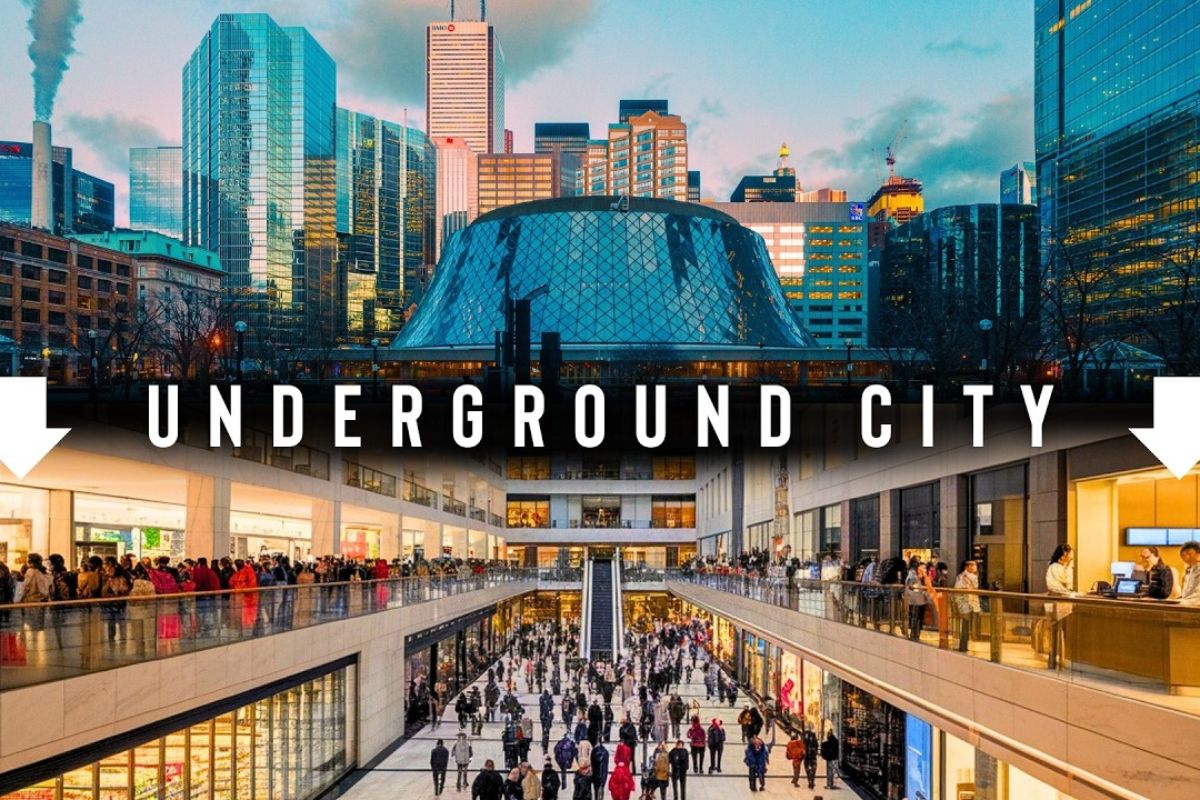
Known as RESO, the network of underground passages connects malls, hotels, and the metro, being used by half a million people per day to escape the harsh winter
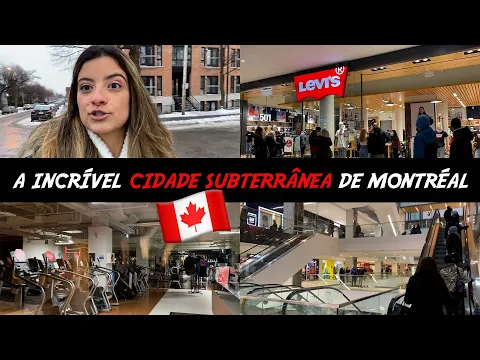
At the height of winter in Montreal, when temperatures plummet to -30°C and the streets disappear under snow, city life doesn’t stop. It merely moves below. Beneath the city center lies a second city, a climate-controlled labyrinth of 32 kilometers of tunnels pulsing with the energy of half a million people per day. This is the underground city in Canada, a survival project against extreme weather.
This network, officially named RESO today, is not a war bunker but a complex survival artery connecting malls, hotels, offices, universities, and metro stations. It allows urban life to continue in immunity to the elements, but its history of growth without planning and its labyrinthine structure reveal a reality more complex than the simple nickname of “underground city” suggests.
A Network That Was Born Without a Plan, the Origin at Expo 67
Contrary to what one might imagine, RESO did not emerge from a grand planned project. Its origin is more modest and pragmatic. The first tunnel appeared in 1962, as a solution to connect the new Place Ville-Marie complex to the Central Train Station, covering an open railroad ditch.
-
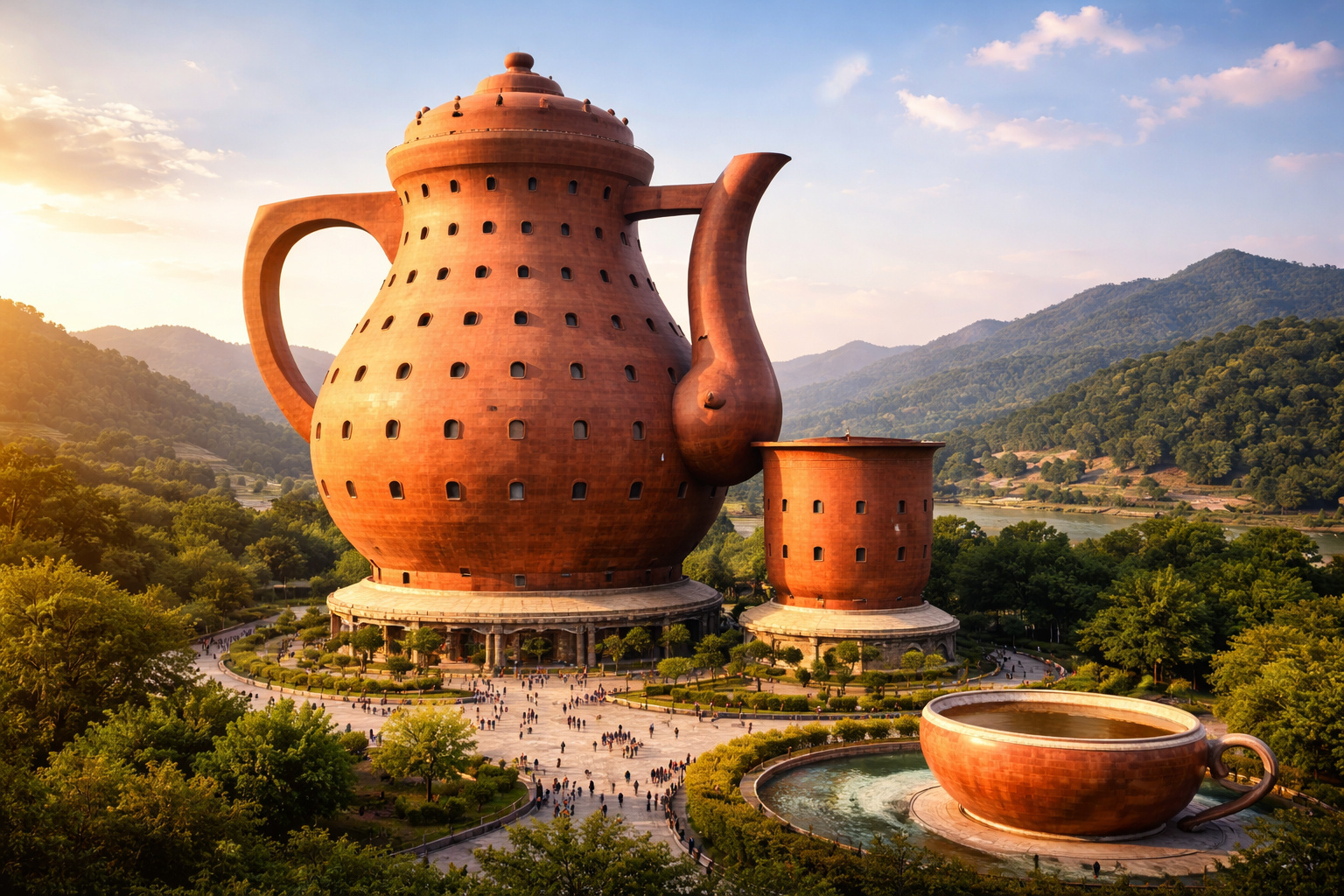
At 73.8 meters tall, the world’s tallest teapot-shaped building has 15 floors, ensures stability, and impresses with an internal space of 28,000 cubic meters.
-
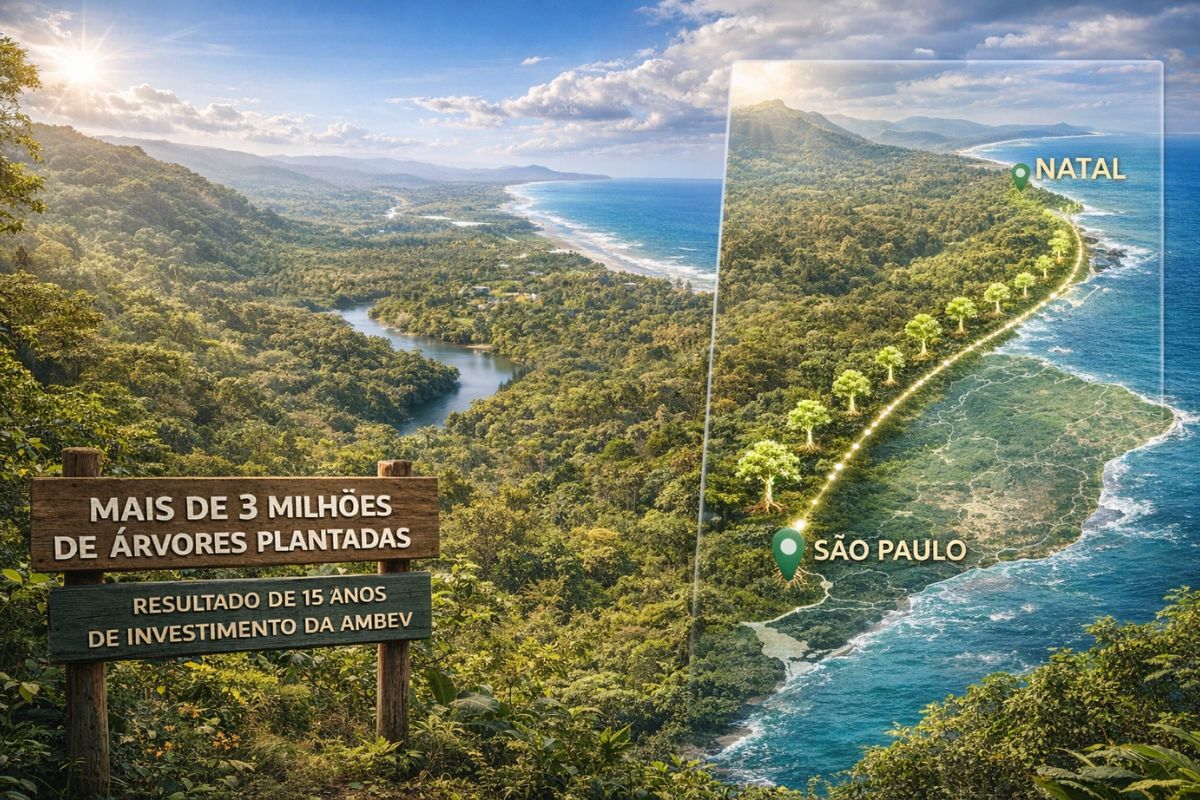
Ambev has planted over 3 million trees and restored an area equivalent to the coastline from São Paulo to Natal, and the result after 15 years of silent investment has finally appeared for all of Brazil to see.
-
A new AI collar technology for cattle eliminates physical fences, creates virtual barriers, monitors animals 24/7, and detects changes in behavior and health.

-
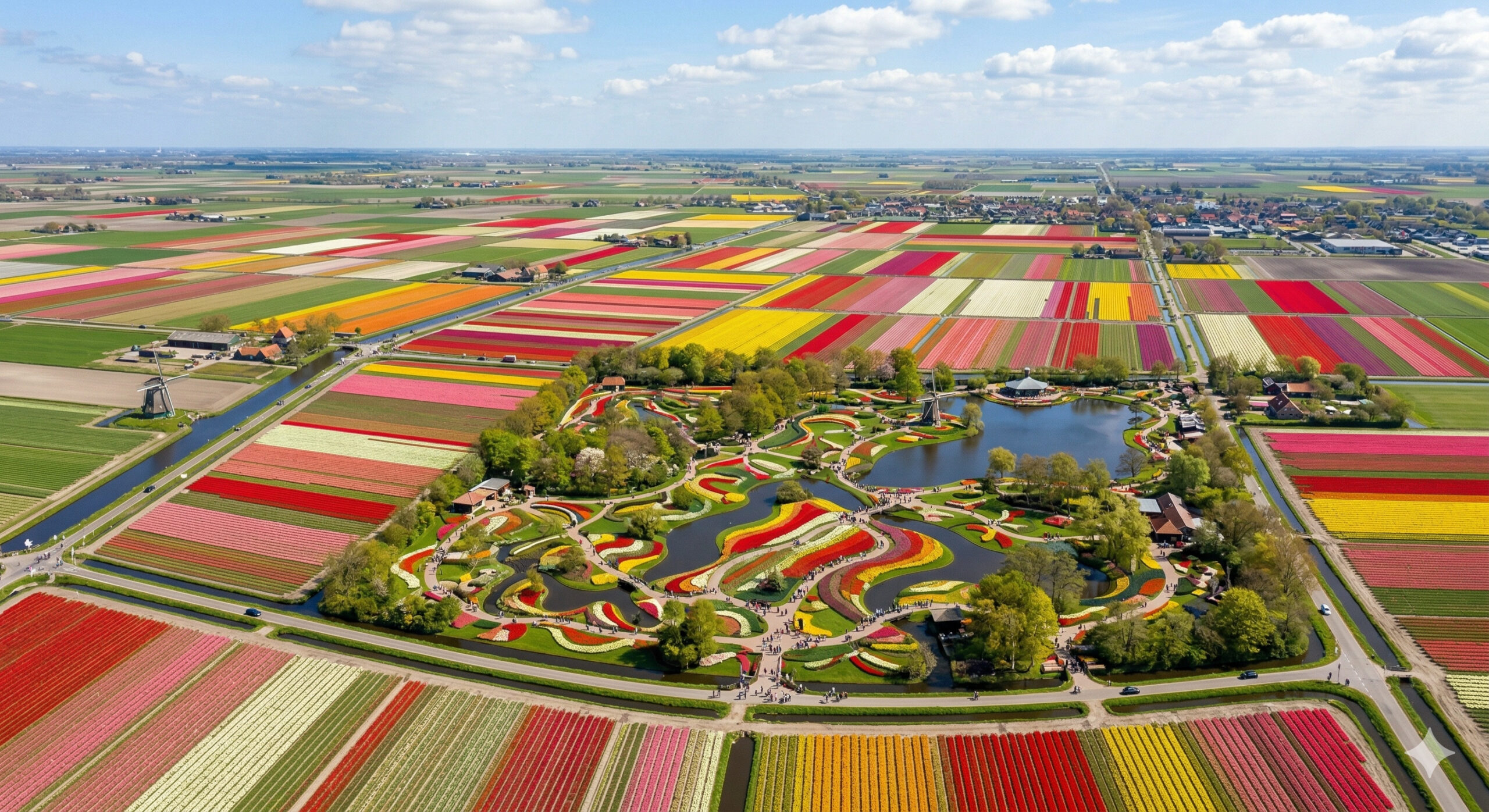
For a few weeks each year, an entire country blooms with billions of tulips, creating a mosaic of colors visible from the sky, while a single garden gathers more than 7 million flowers and attracts visitors from around the world to one of the most impressive shows in Europe.

The true catalyst for the expansion, however, was the Montreal Metro, inaugurated in 1966 for the World’s Fair Expo 67. The city’s policy encouraged new commercial buildings to connect directly to underground stations. The result was organic and unplanned growth, where each new venture added a piece to the network. This is why, to this day, the underground city in Canada resembles more a patchwork of private corridors than a unified public system.
The Numbers of RESO, The True Dimension of the Inner City

To understand the scale of RESO, one must look at its numbers. The network, which was officially named in 2004, is one of the largest in the world.
It has approximately 32 to 33 kilometers of tunnels spread across an area of 12 km² in downtown Montreal. Daily, especially in winter, around 500,000 people use the network to move around. The system connects more than 60 buildings, including 10 metro stations, 2 train stations, over 1,700 shops, hotels, and universities. In practice, this means the majority of corporate life and more than a third of the downtown commerce in Montreal pulses connected to this internal network.
A Refuge From The Cold Or A Confusing Labyrinth?
The perception of those who use the underground city in Canada is marked by a strong duality. For those who live and work in the center, it is a “lifesaver”. The ability to go from home to work, shop, or attend a hockey game at the Bell Centre without putting on a coat in -30°C winter is seen as an indispensable luxury.
For tourists and new users, the experience can be frustrating. The most common complaint is the difficulty in navigation. Having grown without a central plan, signage is inconsistent and the paths are winding. Many users report that it is incredibly easy to get lost in what seems to be a “maze of tunnels where the laws of time and space do not apply”.
Far Beyond The Tunnels, A Hub of Commerce and Culture
Far from being just a corridor, RESO functions as a nervous system for Montreal’s economic and cultural life. It not only houses a wide range of shops but has also evolved to include high-end dining spaces, such as Time Out Market and Le Cathcart, featuring some of the city’s best chefs.
The network has also become a gigantic art gallery. The annual Art Souterrain festival transforms kilometers of tunnels into a free exhibition space. Additionally, the network is dotted with permanent art installations and connects directly to major cultural centers, such as Place des Arts and the Museum of Contemporary Art in Montreal.
The Challenges of An Aging Network

With over 60 years in its oldest parts, RESO faces significant maintenance challenges. The main issue is the lack of unified management. Since each section of the tunnel belongs to the owner of the building it passes through, improvements are inconsistent. One segment may be fully modernized while the next corridor remains poorly maintained.
Moreover, concerns about safety and cleanliness have increased since the pandemic, and accessibility for people with reduced mobility continues to be a critical issue at various points in the network. The future of the underground city in Canada will depend on the ability to create a coordinated vision to transform this collection of tunnels into a truly integrated and welcoming urban space.








-

-

4 pessoas reagiram a isso.