





 Portuguese
  English
  Spanish
  5 min of reading
  0 comments


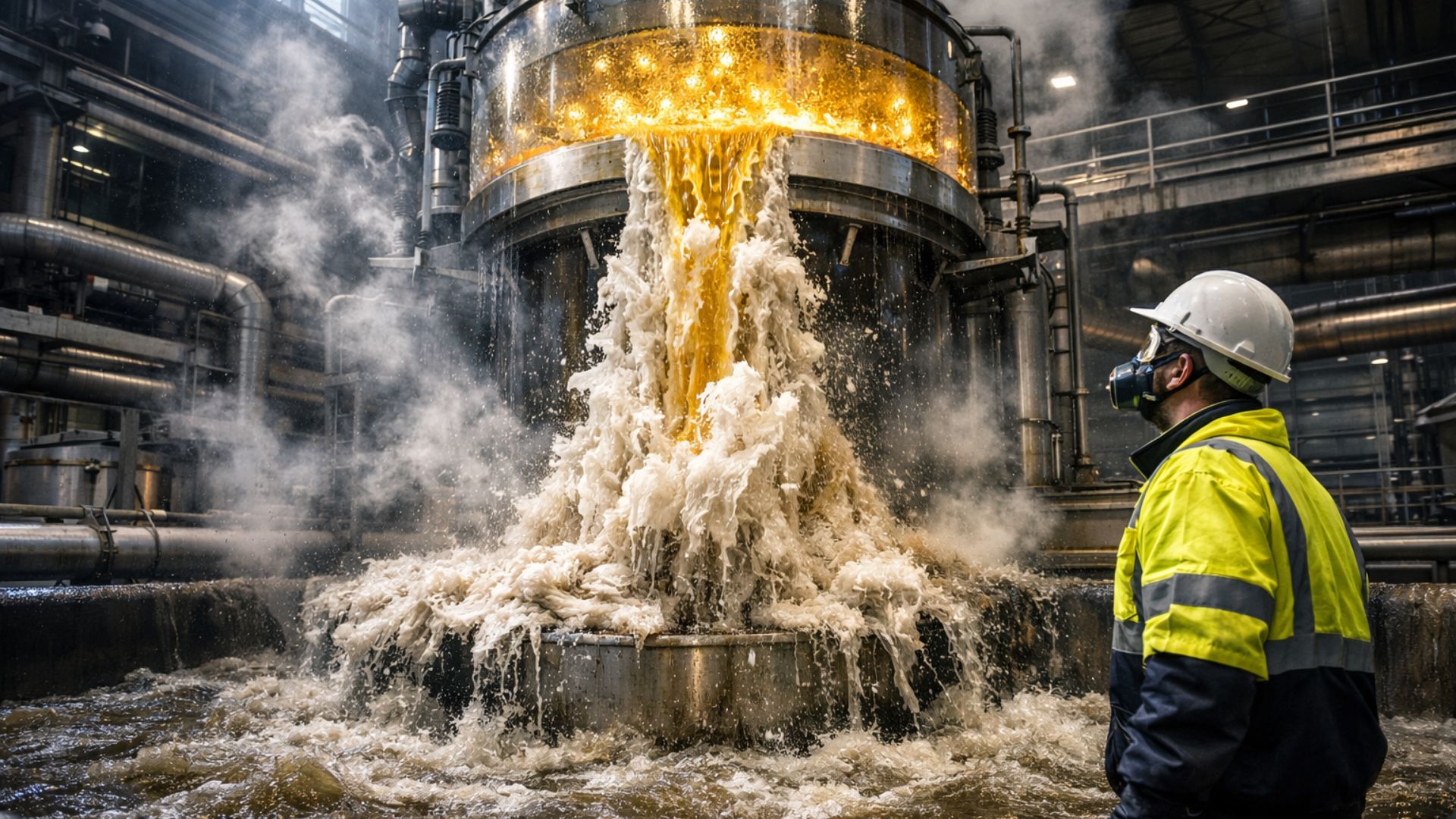
Tested technology in the United Kingdom repositions toilet paper removed from sewage as industrial raw material, with potential for use in bioplastics, biofuels, and more sustainable detergents, as well as promising operational gains in treatment plants and reinforcing the logic of the circular economy.
The United Kingdom has begun testing, in Blackburn, a technology that removes toilet paper from raw sewage and converts this fibrous fraction into glucose, a raw material that can be used in industrial chains related to bioplastics, biofuels, and detergents with lower environmental impact.
The initiative is led by United Utilities with the Cellvation technology, as part of the Biopolymers in the Circular Economy (BICE) project, funded by Ofwat’s innovation fund, the regulator for the water sector in England and Wales.
The test draws attention less for the environment in which it takes place and more for the material chosen.
-
The USA launches a colossal ship with over 63,000 tons, 272 meters in length, and capacity for 1,000 beds and 11 operating rooms: a floating hospital for crises in different oceans.

-
In Bolivia, the Llanos de Moxos form a plain of 6.9 million hectares connected to the Amazon basin that floods every year with hydrological pulses of up to 5 meters, creating a continental labyrinth of rivers, lakes, and seasonal channels visible from space.

-
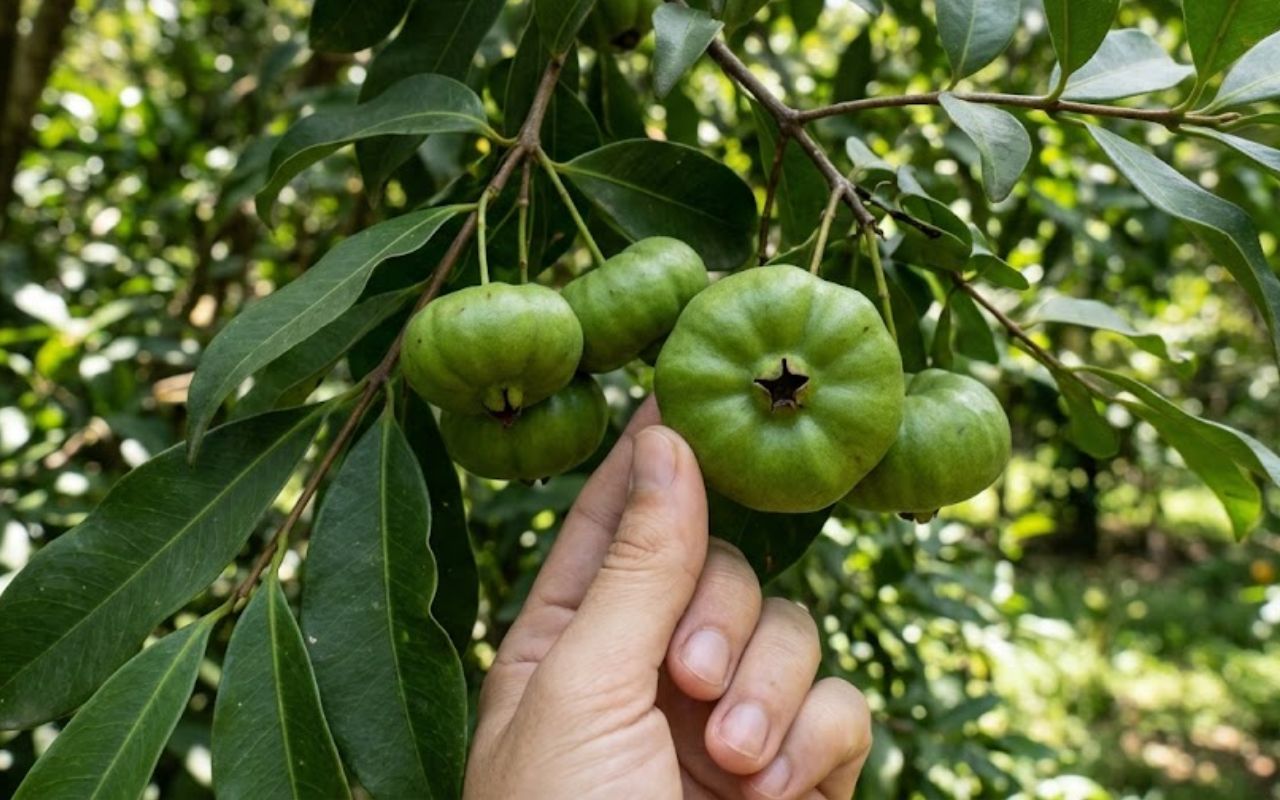
Little-known fruit from the Atlantic Forest draws attention for combining an acidic flavor, high vitamin C content, and antioxidants that help combat free radicals. It can be used in juices, jams, ice creams, liqueurs, sauces, meats, and savory dishes; meet the cambuci (Campomanesia phaea).
-
Nazi submarine U-864, sunk during World War II with 65 tons of mercury, is back in the spotlight and exposes a growing environmental risk on the seabed of Norway as the government faces an urgent technical decision.

Instead of focusing efforts only on the sludge left at the end of treatment, the British operation acts right at the entrance of the station to separate a waste that goes unnoticed in urban routines: the cellulose fibers present in the toilet paper discarded daily in sewage systems.
The proposal is to capture this flow in pre-treatment and redirect it to an industrial valorization route.
Toilet paper in sewage turns into glucose in Blackburn

According to United Utilities, the system filters and compacts the toilet paper still mixed with untreated sewage.
After that, the material receives enzymes and chemical agents that initiate the digestion of cellulose, undergoing heating for about 48 hours until it is transformed into a glucose substance.
The company describes the process as a way to take this waste out of a passive operational flow and insert it into a reuse chain with added value.
The scale helps explain why the experiment gained visibility.
The company itself reports that the Blackburn station serves a population of around 200,000 people, which means millions of sheets of toilet paper enter the system daily.
Since this product is primarily made from trees and other plant materials, it carries a rich cellulose base, precisely the compound explored by the new conversion stage.
Recovered glucose can supply bioplastics and detergents
The utility of the obtained material is one of the central axes of the project.
United Utilities states that the recovered glucose can serve as a lower carbon footprint alternative in different production processes, with potential applications in bioplastics, biofuels, and more sustainable detergents.
The company also says it is assessing, with consortium partners, whether this raw material can replace part of the fossil-derived biopolymers currently used in operations within the sanitation sector itself.

This point connects the experiment to a larger agenda of industrial transition.
The BICE was structured precisely to study how materials extracted from sewage and sludge can return to the market as raw materials for higher value products, reducing dependence on polymers produced through conventional routes.
When announcing the winners of the Water Breakthrough Challenge 3, Ofwat described the project as a proposal aimed at the extraction and use of biopolymers with a focus on circularity and reduced dependence on traditional inputs.
Treatment plant can gain operational efficiency
The recovery of toilet paper is not only interesting for what it can generate outside the station.
According to United Utilities, the early removal of this fibrous load can also improve treatment efficiency by increasing the available capacity of the system and reducing energy consumption.
In practice, fewer solids proceed to the later stages, which tends to relieve operational pressure on tanks and other structures of the plant.
Cellvation supports this argument with indicators published in its institutional documentation.
According to the company, the removal of toilet paper in pre-treatment can reduce total suspended solids by up to 40%, decrease energy consumed in aeration tanks by up to 15%, cut sludge volume by up to 20%, and increase the hydraulic capacity of the station by up to 10%.
The supplier also mentions a potential direct reduction of up to 20% in CO2 emissions from the operation, but these numbers appear as maximum estimated results by the technology developer itself.
BICE project brings together companies, universities, and water sector

The test in Blackburn was not launched as an isolated action by a sanitation company.
It is part of a broader program supported by Ofwat with £6.1 million, within the Water Breakthrough Challenge 3, a mechanism created to fund innovative solutions in the water sector.
On the project page and in the regulator’s decision document, BICE appears as a collaboration to test the recovery of biopolymers and assess their technical and commercial viability in different uses.
The research and commercialization dimension is also reflected in the composition of the consortium.
Glasgow Caledonian University reported that the program brings together sanitation companies, universities, and industrial partners, including United Utilities, Cellvation, Cranfield University, Royal HaskoningDHV, Severn Trent, South West Water, and Yara.
In another front of the same project, partners are also studying the recovery of biopolymers from the remaining sludge, expanding the scope beyond the glucose obtained from toilet paper.
Cellvation technology was already operating in the Netherlands
The technological basis used now in the United Kingdom did not arise from scratch.
Cellvation reports that its system was already developed to remove toilet paper from sewage and transform the resulting cellulose into an industrial resource.
In Geestmerambacht, in the Netherlands, the company claims to operate a facility capable of producing up to 400 kilograms of cellulose per day, a result frequently cited as evidence that the recovery of fibers from sewage had already been explored before the British adaptation specifically aimed at glucose production.
The case of Blackburn repositions this debate on a more visible scale for urban policy and industry.
Instead of treating the entire load that arrives at a station merely as something to be removed, the operation begins to see part of this material as a recoverable stock of raw material.
This shift in logic brings sanitation, circular economy, and the replacement of fossil inputs into the same practical agenda, with potential effects on costs, emissions, and the design of industrial processes.







Seja o primeiro a reagir!