





 Portuguese
  English
  Spanish
  4 min of reading
  0 comments


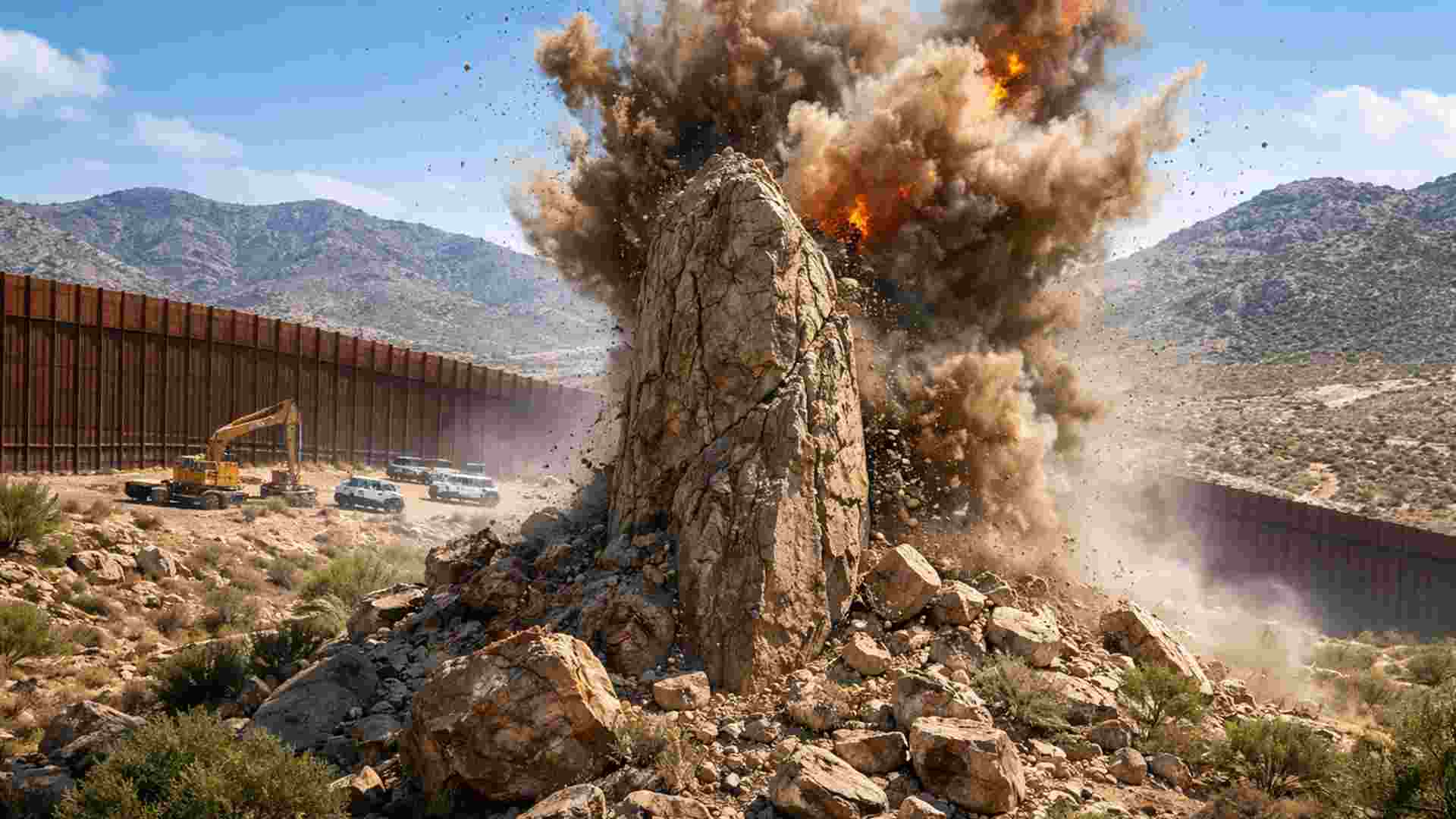
Explosions used in the construction of the wall on the border between the United States and Mexico hit Cuchumá Hill in Baja California, damaging a 35-meter monolith at a sacred archaeological site for the Kumiai people, reigniting protests and tension in an area of officially recognized historical and religious value
Explosions used by U.S. agents during the construction of the wall on the border with Mexico hit an archaeological site at Cuchumá Hill in Baja California, damaging a 35-meter monolith considered sacred by the indigenous peoples of the region. The exact extent of the damage was not known at the time of publication.
Residents of Baja California reported to the Mexican press that they heard the explosions last weekend. The detonations were part of the wall construction and occurred in an area historically shared by both countries.
Miguel Olmos Aguilera, a doctor in ethnology, ethnography, and social anthropology, and a researcher at the Colegio de la Frontera Norte, stated that the hill has great religious importance for the Kumiai people. He said he received reports from the community itself about the obstruction of passage and the destruction of the ceremonial site.
-
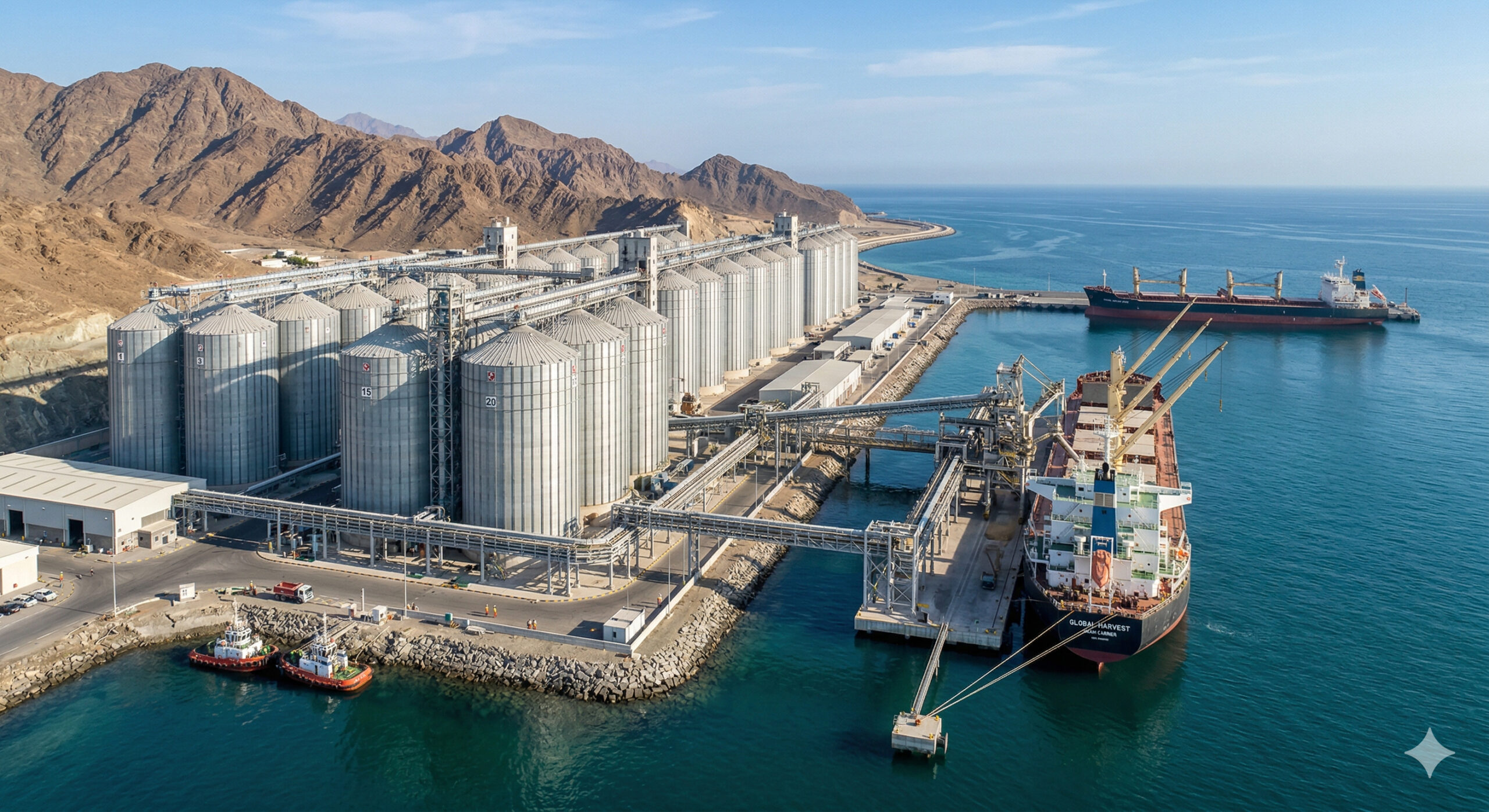
Giant silos with a capacity of 300,000 tons have been erected outside the Strait of Hormuz to safeguard the supply of the Gulf; this megainfrastructure transforms Fujairah into one of the most strategic food vaults on the planet in times of crisis.
-
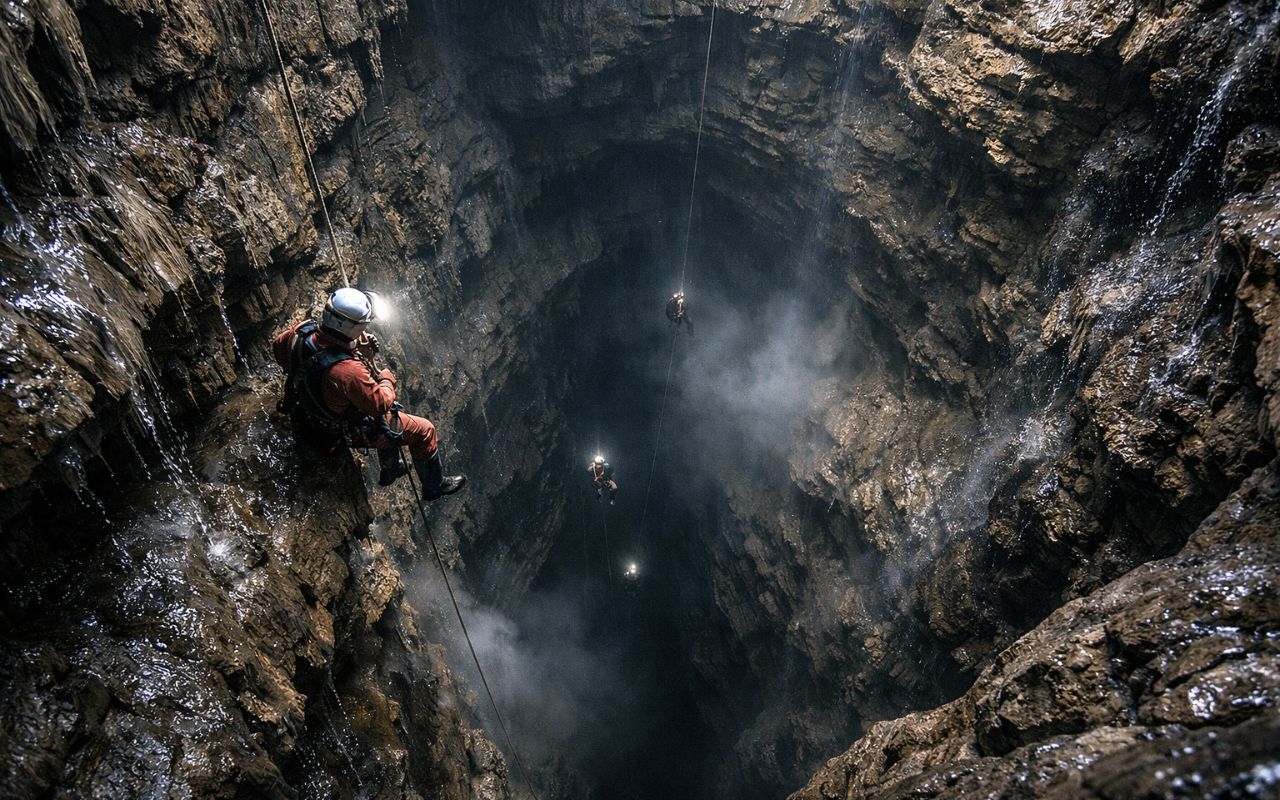
Little known, the Veryovkina cave is considered the deepest in the world, with over 2,200 meters, defying any comparison.
-
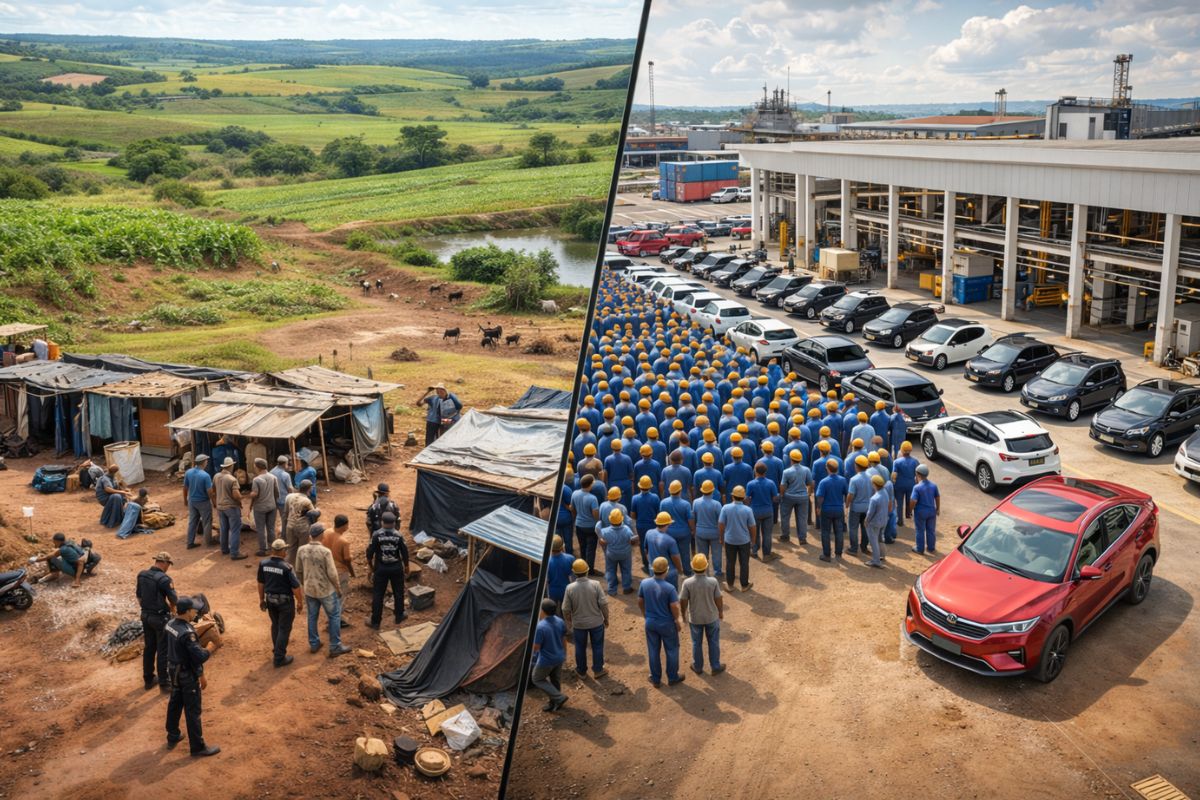
Famous singer and Chinese manufacturer enter the dirty list of slave labor; operation rescues 14 employees on a farm in Goiás and 220 workers at a construction site in Bahia; punishment is a fine.
-
Cell phones in schools: learn how a year after the ban, students and teachers are already noticing positive effects and recording improvements in academic performance with increased attention and active participation.

The researcher also indicated that he did not know the severity of the damage caused to the monolith. The sculpted structure is treated as sacred by the indigenous people living in that border region.
Archaeological site of religious and ancestral value
Cuchumá Mountain is defined as an archaeological zone and ceremonial site of the Yuman peoples, a group that includes indigenous tribes such as Cucapah, Halyiikwamai, Alakwisa, Kamai, Yuma, and Mojave, among others. The area extends to the summit, located about 3,500 meters above sea level.
In the 19th century, the broad top of the mountain was divided by the border. This line also separated the Kumiai people, who inhabited the region and became scattered between southern California in the United States and the Mexican cities of Ensenada and Tecate.
Olmos Aguilera stated that although the hill is cut by the border, the Kumiai were able to cross from one side to the other. Now, in his assessment, that no longer seems possible.
Kumiai people face restrictions at the border
The Kumiai are considered a binational culture, present on both sides of the border. The Trump administration, however, is described as resistant to allowing crossings, which has increased community dissatisfaction.
The group’s reaction has included constant protests at the border. The researcher reported that the situation has provoked outrage among the Kumiai in light of the restrictions imposed on movement in an area that is part of the history and religious life of this people.
The Kumiai language belongs to the Hokan family, which also includes Seri and Yumano-Cochimí, among others. A 2018 publication from the Colegio de la Frontera indicated about 200 speakers, although Olmos emphasizes that the vitality of the people is greater than that number alone might suggest.
He stated that the group is small in number of speakers but strong in presence and continuity. He also emphasized that the loss of the language is not the only criterion for measuring how many people belong to this lineage.
Official recognition and new explosions at the border
In October 1992, the mountain was officially recognized as a historic and sacred site in the National Register of Historic Places in the United States. In the database, the archaeological site appears under the name Kuchamaa, located at Tecate Peak.
The record states that the mountain is mostly in U.S. territory, between the communities of Dulzura and Potrero, while Tecate in Mexico stretches several kilometers along the southeastern base of the peak. In Mexican territory, the area is considered Intangible Cultural Heritage.
The Baja California border was not the only one to register explosions in the early days of April 2026. The U.S. Customs and Border Protection published a video on social media showing detonations in New Mexico at Mount Cristo Rey, between El Paso and Ciudad Juárez, and classified the intervention as a “cosmetic procedure.”
The construction of the wall in high-value historical and cultural binational areas, an original promise of Trump’s campaign, continues in his second term.
The case of Cuchumá Hill has reignited tension around a sacred archaeological site, now affected by construction and restrictions that directly impact the Kumiai community.
With information from El Pais.





Seja o primeiro a reagir!