





 English
  Francês
  Alemão
  Italiano
  Japonês
  Norueguês
  Portuguese
  Spanish
  6 min of reading
  0 comments


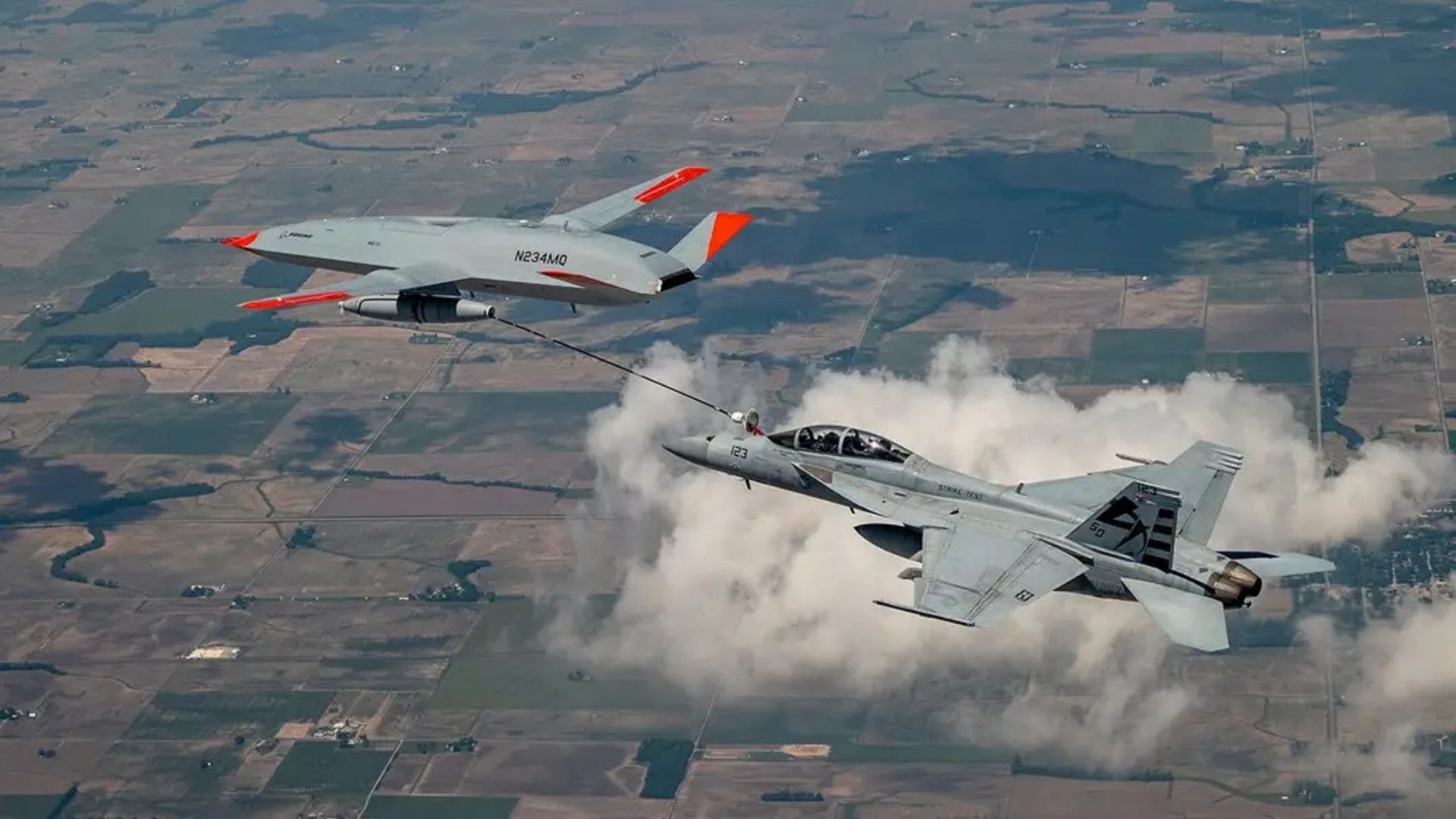
MQ-25 Program Advances and Redefines Carrier Operations with Unprecedented Tanker Drone
The United States has brought the MQ-25 Stingray to a new level of maturity by moving the program closer to regular operation on aircraft carriers, consolidating a proposal that the U.S. Navy and Boeing consider unprecedented: an unmanned aircraft designed primarily for in-flight refueling.
In practice, the project was conceived to extend the operational range, time on station, and flexibility of the embarked air group without diverting manned fighters from combat missions to the role of air tanker.
MQ-25 Tanker Drone and the New Operational Logic
Unlike the more popular image associated with military drones, the Stingray did not emerge as an attack platform.
-
A cheap Brazilian invention promises to change the fate of patients in ICUs by accelerating muscle recovery even in critical condition.

-
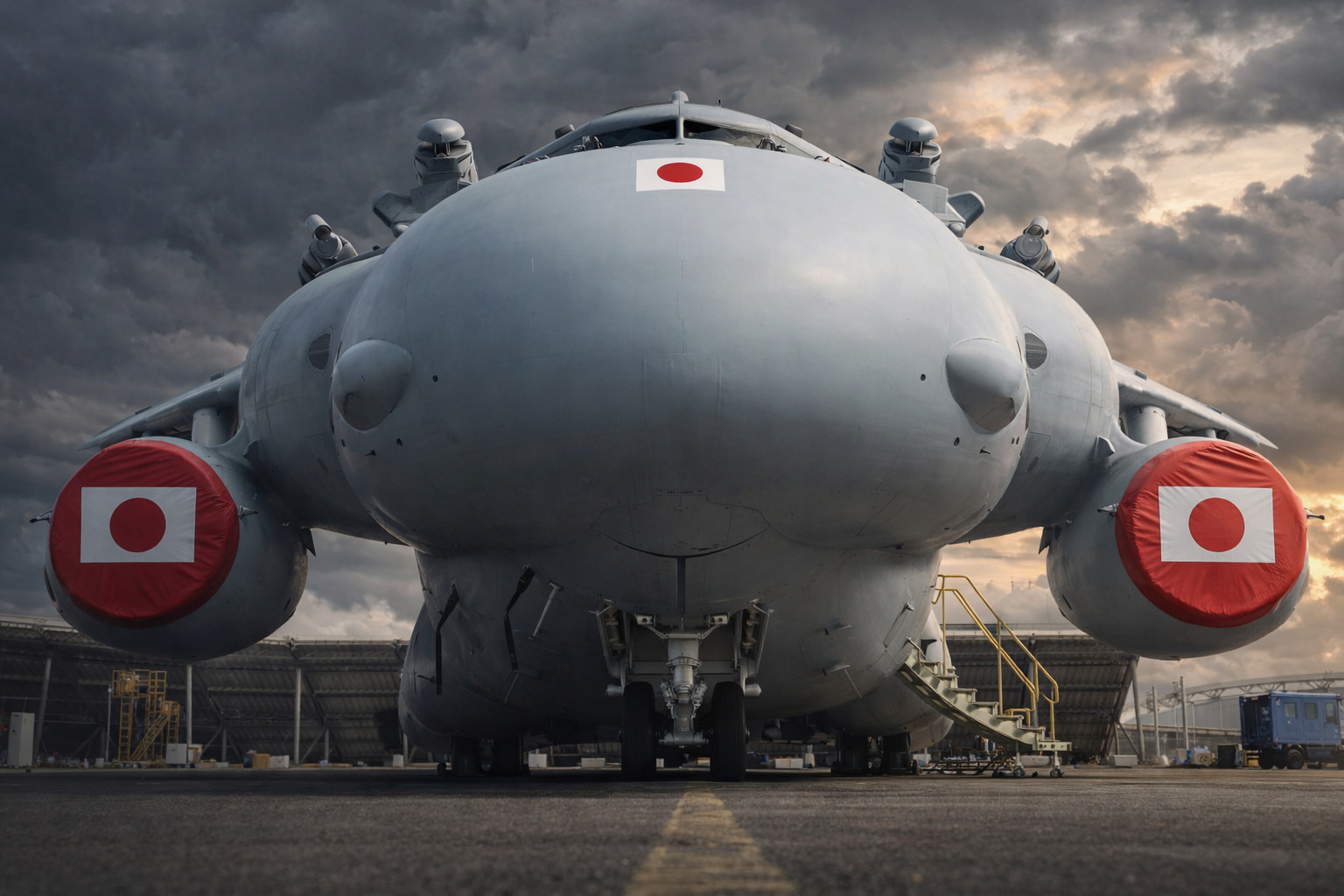
Kawasaki surprises by revealing a 140-ton aircraft capable of winning wars without a single shot and bets on ultra-secret technology to protect Japan by 2027.
-
A trick with a fan and a PET bottle goes viral in the extreme heat of 2026 and promises to cool the environment while using almost no electricity.

-
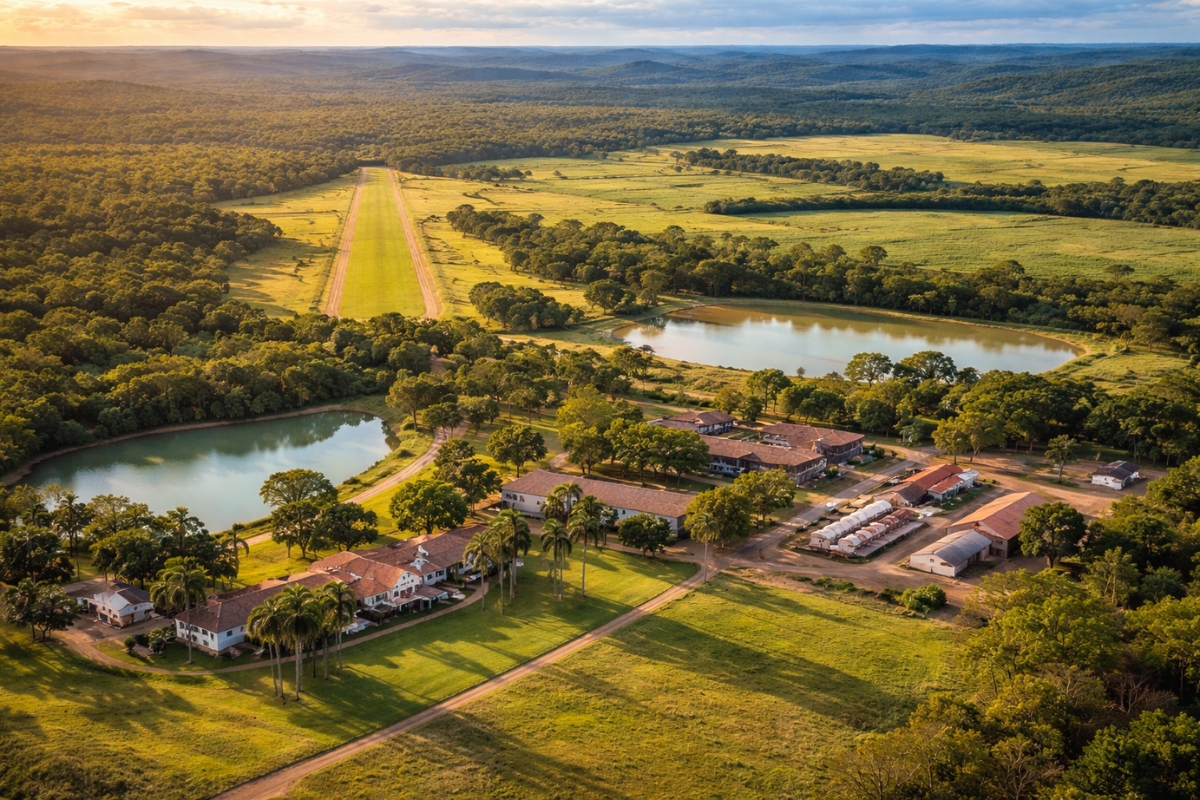
A 176,000-hectare farm in the Northeast is up for sale for R$ 1.2 billion, featuring a runway, fuel station, river, schools, and warehouses, and has become a phenomenon on social media due to its size, which surpasses that of Brazilian capitals.

The design of the program addresses a specific operational need of U.S. aircraft carriers: to return F/A-18 Super Hornets the time and fuel consumed when they are used to refuel other aircraft in the embarked wing.

Boeing itself defines the MQ-25 as a project created from scratch for the demanding environment of naval aviation, focusing on operating from the deck and supporting manned aircraft in longer missions.
First Aerial Refueling with a Drone in History
The most symbolic milestone of the program occurred on June 7, 2021, when the T1 test asset transferred fuel to a F/A-18 Super Hornet of the U.S. Navy and became the first unmanned aircraft in history to refuel another aircraft in flight.
The test had operational weight because it used the standard method of the force, the probe-and-drogue system, without requiring the creation of a new procedure just to accommodate the tanker drone.
The flight campaign advanced beyond this first test.
According to the Navy, during the summer of 2021, the MQ-25 also conducted refuelings with the F-35C Lightning II and the E-2D Advanced Hawkeye, two central vectors of the embarked air wing.
This set of tests showed that the concept was not restricted to a single type of aircraft and reinforced the intention to integrate the Stingray into the operational routine of the aircraft carrier, rather than keeping it as an isolated technological demonstrator.
Impact of the MQ-25 on Naval Fighter Range
The relevance of the MQ-25 lies less in the appearance of the aircraft and more in the effect it can produce on the routine of strike groups.
When a manned fighter ceases to perform the role of “buddy tanker,” the embarked wing recovers aircraft, crews, and flight hours for air defense, attack, escort, and forward presence tasks.

In official documents and institutional materials, the Navy and Boeing directly associate the Stingray with increased range, endurance, and capability of the aircraft carrier, as well as paving the way for broader integration between manned and unmanned systems.
This operational redesign also appears in the secondary missions assigned to the system.
In the latest environmental assessment regarding the future squadron based in Norfolk, the Navy states that the MQ-25 is expected to primarily operate as a refueling aircraft, extending the combat range of F/A-18E/F, EA-18G, and F-35C, but it may also fulfill complementary functions of recovery tanking and reconnaissance.
This data indicates that the program was not structured merely to replace a task, but to expand the employment margin of the aircraft carrier in different scenarios.
Tests on Aircraft Carriers and Integration with USS George H.W. Bush
After the initial flight testing phase, the program needed to demonstrate that it could integrate into the more restrictive environment of carrier aviation.
In December 2021, the Navy completed an initial demonstration of the MQ-25 aboard the USS George H.W. Bush, using the aircraft and the ground control station to evaluate the system’s insertion into the ship’s operational cycle.
The test verified aspects related to movement, support, and compatibility with deck routines, a step considered essential for any vector intending to operate at sea.
This transition to the naval environment gained another decisive piece in August 2024, when the USS George H.W. Bush received the world’s first Unmanned Air Warfare Center.
According to the U.S. Fleet Forces Command, the space combines software and hardware from the Unmanned Carrier Aviation Mission Control System MD-5E, a system necessary for the command and control of the MQ-25 on board.
The installation was presented as an initial base for the Stingray but designed more broadly for future unmanned systems of the embarked air wing.
New Role in the Navy: Unmanned Vehicle Pilots

The advancement of the program simultaneously required organizational changes within the force itself.
The Navy created the role of Air Vehicle Pilot, composed of officers specialized in operating the MQ-25, and structured the VUQ-10 as a replacement and training squadron for the Stingray.
On official pages, the force states that these professionals will be responsible for operating the platform and preparing its entry into service aboard, while the VUQ-10 has the mission of training and equipping the personnel who will work with the new system in the fleet.
More than an administrative detail, this reorganization helps to measure the scope of the project.
The MQ-25 does not just introduce a new aircraft; it forces the Navy to adapt doctrine, training, maintenance, and command for an environment where aviators will control unmanned systems from the aircraft carrier.
The program’s acquisition report even notes that the first Air Vehicle Pilots received their “Wings of Gold” in May 2023 and became part of the VUQ-10 in Patuxent River.
Production, Testing, and First Operational Movements
The history of the Stingray shows a program in continuous development since Boeing’s selection.
On August 30, 2018, the company received a contract for $805 million for the engineering and manufacturing development phase, with four aircraft planned in that initial batch.
Just over a year later, on September 19, 2019, the MQ-25 conducted its first flight, inaugurating the practical testing phase that would lead to refueling tests and naval integration.
The industrial structure was also expanded throughout the program.
In 2021, Boeing announced that it would begin manufacturing the MQ-25 in a new 300,000 square foot facility in Mascoutah, Illinois.
On January 29, 2026, the company reported that the first operational MQ-25A completed its first taxi test, moving autonomously from the new production unit to the taxiway of MidAmerica St. Louis airport and executing maneuvers to validate the system’s operation.
According to the company, this step brought the aircraft closer to its first flight.
Deployment Scale and Impact on the Fleet
In the environmental documents released by the Navy for the future East Coast squadron, the planning anticipates the parking of up to 20 MQ-25A at Naval Station Norfolk.
The plan considers about 960 annual operations of the Stingray and up to 2,880 annual operations of support aircraft, as well as approximately 600 personnel and family members associated with the deployment.
The scale of these numbers suggests that the program is already treated as a fleet capability under construction, rather than just a limited development experience.
With this design, the Stingray is taking shape as a tool to expand the range of the aircraft carrier without changing the central logic of the embarked air wing, but significantly altering how it manages fuel, time, and aircraft availability.
Instead of replacing the fighter at the center of naval combat power, the MQ-25 appears as a system created to free that fighter for the primary mission and, at the same time, make room for an increasing presence of unmanned systems on the deck.






Seja o primeiro a reagir!