





 Portuguese
  English
  Spanish
  5 min of reading
  0 comments


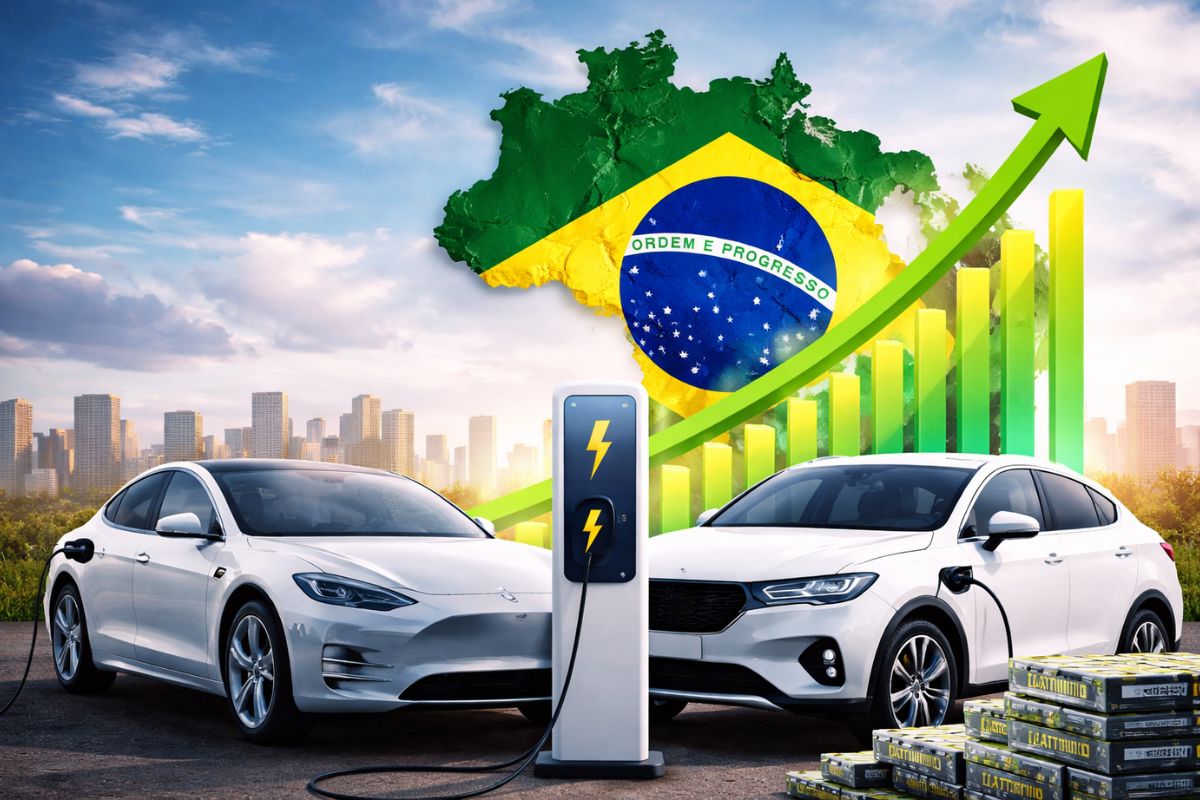
Electric vehicle sales in Brazil grew 65.5% in the first two months of 2026 and market share doubled to 14%, while the war in Iran pushed oil barrels above $100 and triggered a rush for electric vehicles in dealerships in Manila, Vietnam, and San Francisco, with economists from the Asian Development Bank stating that high oil prices always favor the transition
Electric vehicle sales in Brazil grew 65.5% in the first two months of 2026, with 55,961 units registered.
The market share of electric vehicles doubled in a year: it was 7% in February 2025 and reached 14% in February 2026.
According to CNN, in the first half of March, there were 15,007 registrations of electric vehicles, equivalent to 14.8% of all light vehicles sold during the period, and for the year to date, Brazil has already totaled 68,654 units, nearly double that of 2025.
-
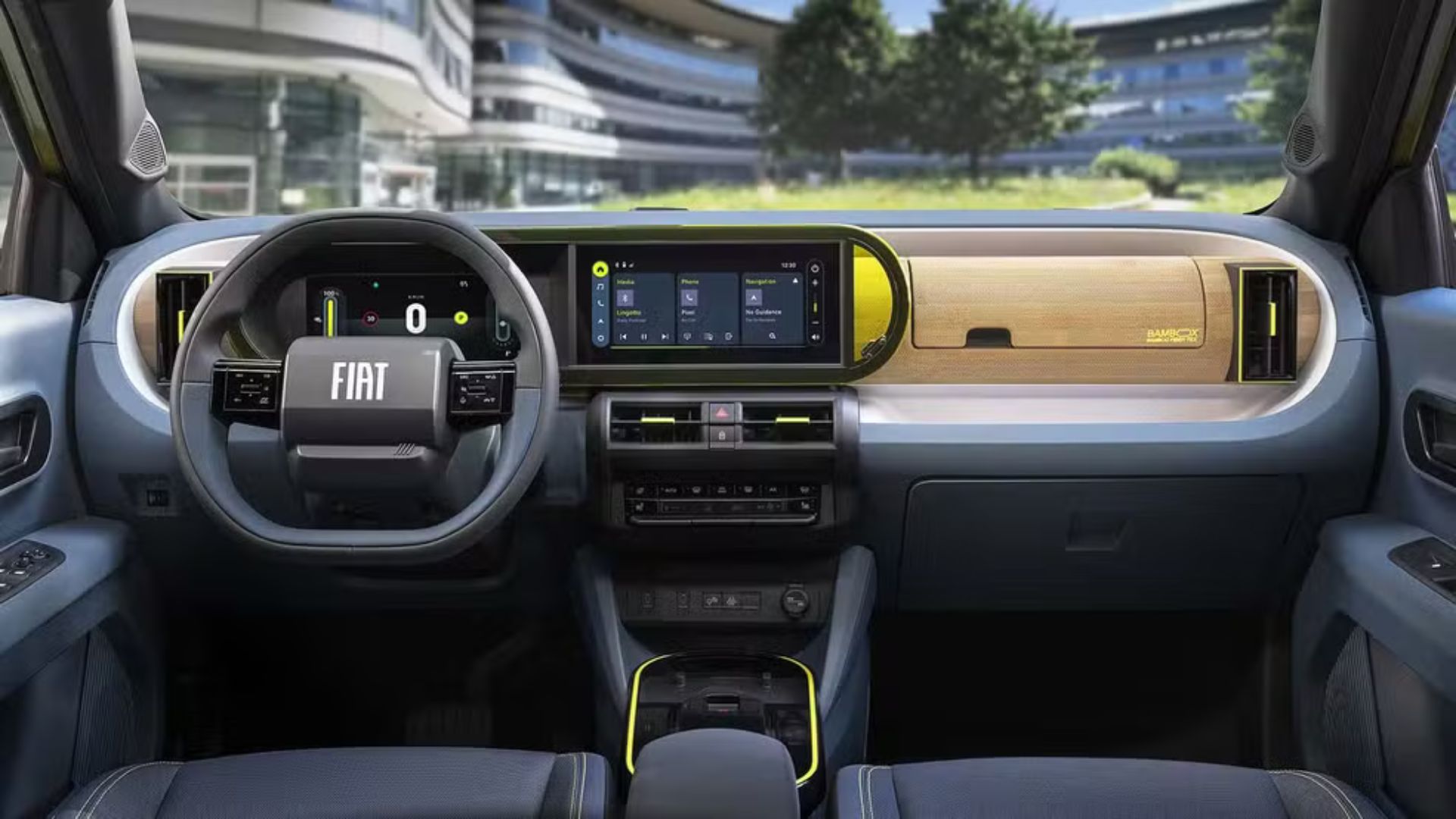
Fiat is preparing an offensive with a 7-seater SUV larger than the Fastback, debuting in October 2026 with the Smart Car platform, electric versions with up to 400 km of range, turbo hybrid, new pixelated LEDs, and an advanced ADAS package.
-
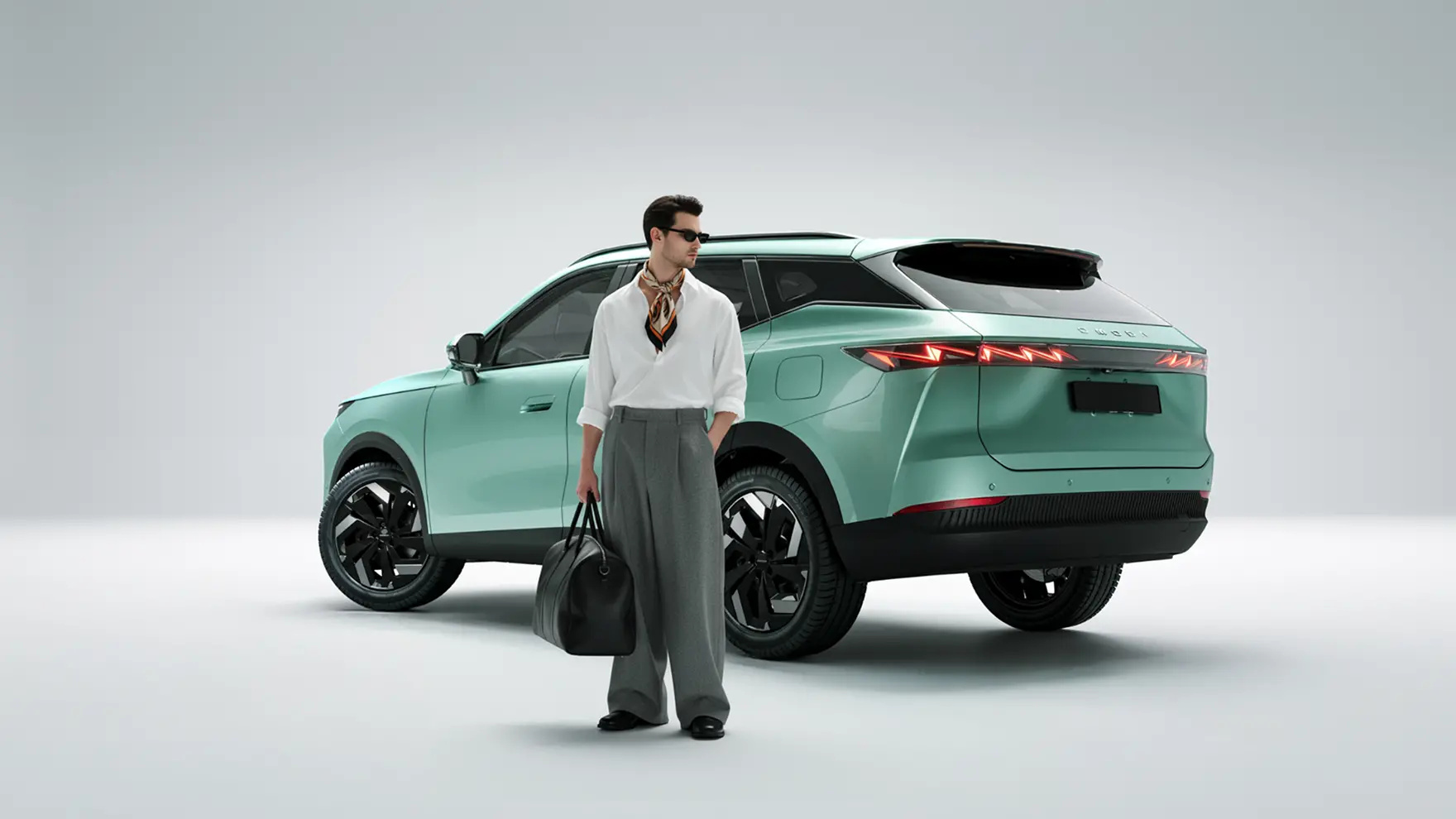
OMODA 7 transforms the car into a global aesthetic expression by combining automotive design and fashion in London.
-
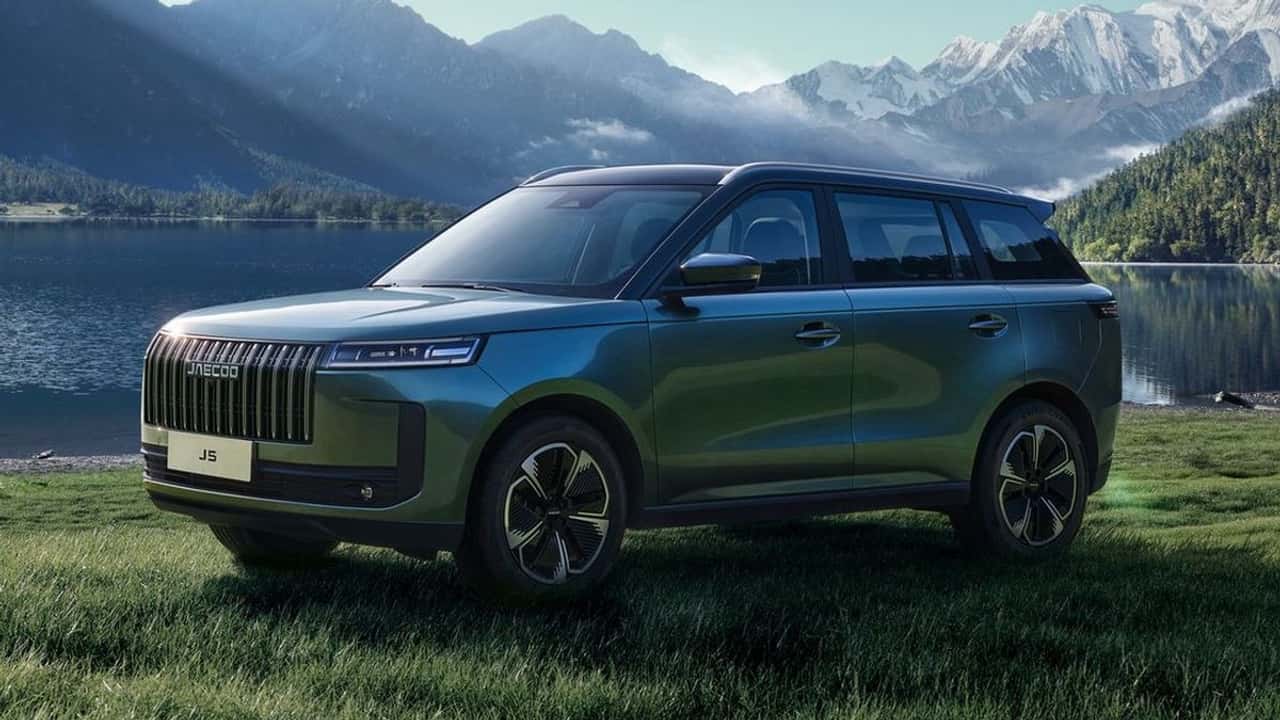
JAECOO takes the lead in global strategic markets and accelerates its trajectory to become a “global blockbuster maker” in the automotive industry.
-
OMODA redefines global aesthetics and elevates the OMODA 7 to a multicultural fashion icon, uniting design, technology, and international identity.


This growth was already underway before the war, but the escalation of oil prices above $100 per barrel accelerated everything.
The war in Iran did what no government subsidy could: it made gasoline cars more expensive than electric ones in total cost of ownership, and consumers worldwide began to rethink their choices at the same time.
BYD dealerships in Manila received in two weeks the equivalent of a month’s worth of orders. VinFast stores in Vietnam quadrupled customer traffic. And in the United States, a car marketplace recorded a 20% increase in traffic for electric vehicle models after the attacks.
Why oil above $100 makes electric vehicles the obvious choice

The calculation is simple: when gasoline gets expensive, the cost of running a combustion car rises, and the price difference between filling up at the pump and charging at home becomes glaring.
In Brazil, the cost per kilometer driven for electric vehicles is estimated at R$ 0.05, a fraction of what it costs to run on gasoline or ethanol, and this difference increases with every real that fuel prices rise.
According to BloombergNEF, when gasoline hovers around $4 per gallon, the total cost of ownership for electric vehicles is already lower than that of conventional vehicles. With barrels above $100, this break-even point is comfortably surpassed.
Bank of America calculated scenarios with Brent prices between $160 and $240 per barrel: the savings over five years of a VW ID.3 compared to a VW Golf in Europe would vary between 2,500 and 8,500 euros.
Albert Park, chief economist of the Asian Development Bank, summarized: higher oil prices always favor the transition to electric vehicles because they create economic incentives that accelerate the shift.
In San Francisco, a used electric vehicle store recorded a surge of visits when gasoline hit $6.81 per gallon.
Brazil in the eye of the hurricane: electric vehicles already dominate almost 15% of the market

ABVE projects over 280,000 registrations of electric vehicles in Brazil in 2026, but the current pace suggests that the number could reach 300,000.
The absolute leader is the BYD Dolphin Mini, which accounted for 55.8% of all pure electric sales in the first half of March, with 2,732 units registered.
Chinese brands as a whole accounted for 14.1% of total light vehicle sales in Brazil in the first half of March, a number that was unthinkable two years ago.
Local production has already begun. BYD started assembly in Camaçari (BA). GWM produces hybrids in Iracemápolis (SP). Geely announced local production in the coming months.
Brazil has ceased to be just an importer of Chinese electric vehicles and has become an assembly base for these brands, which reduces costs and is likely to accelerate sales even further when gasoline is expensive.
For app drivers and self-employed workers who drive hundreds of kilometers a day, electric vehicles with a cost of R$ 0.05 per kilometer have become a more viable work tool than popular flex vehicles.
The 70s precedent: Japanese cars entered like this and now China repeats the path with electric vehicles
During the oil crisis of the 1970s, American drivers migrated en masse to smaller, more fuel-efficient Japanese cars.
Toyota and Honda built their global empires at that time, and the same dynamic is repeating now: instead of trading a large car for a smaller one, some consumers are beginning to move away from combustion engines and migrate to electric vehicles.
China, as the world’s largest producer of electric vehicles, is the main beneficiary of this movement.
International shipments of Chinese electric vehicles in the first two months of 2026 had already more than doubled compared to the previous year.
Columnist David Fickling of Bloomberg Opinion wrote that the energy crisis of 2026 will take the Asian electric vehicle market beyond its tipping point, the moment from which adoption becomes irreversible.
Ironically, Toyota and Honda, the Japanese giants that built themselves during the 70s crisis, are retreating from positions in Southeast Asia betting that electrification will stagnate. Bloomberg classifies this hesitation as potentially disastrous.
The other side: why not everyone believes electric vehicles will dominate now
Paul Jacobson, CFO of General Motors, said it takes 4 to 6 months of sustained high prices before people actually change their preferences.
GM’s skepticism is that the war may end, oil prices may fall, and consumers who were about to buy electric vehicles may return to combustion if gasoline becomes cheap again.
There is also a paradox: the same shock that stimulates technology exchange raises the costs of entire supply chains.
Expensive fuel pushes consumers toward electric vehicles, but the same inflation that raises gasoline prices also increases the costs of batteries, freight, and components, which may hinder the transition itself.
Charging infrastructure remains a bottleneck in many countries, and Brazil still has few charging points outside major centers, which limits the adoption of electric vehicles in more remote areas.
Still, sales figures show that the market has largely decided: when filling up at the pump hurts the wallet, charging at home becomes the most logical choice.
The war did what no subsidy could: the electric vehicle market decided on its own
Electric vehicle sales in Brazil doubled, market share reached nearly 15%, dealerships worldwide recorded a rush for electric vehicles, and oil above $100 transformed combustion cars into a luxury.
The war in Iran may be the turning point that the electric vehicle industry has been waiting for: the moment when the economy speaks louder than habit and the consumer switches technology not out of environmental conviction, but because they can no longer afford gasoline.
China dominates 60% of the global electric vehicle market and is the biggest winner in this scenario. Brazil, with BYD and GWM factories already operating, is positioned to ride the wave. The remaining question is whether gasoline will stay expensive long enough for the change to become irreversible.
Have you considered switching your combustion car for an electric one? Do you think the war will accelerate this transition or will oil prices fall and everything return to normal? How much do you spend on gasoline per month? Leave your thoughts in the comments and share this article with those who pay a lot at the pump and are thinking about making a change.






Seja o primeiro a reagir!