





 Portuguese
  English
  Spanish
  5 min of reading
  0 comments


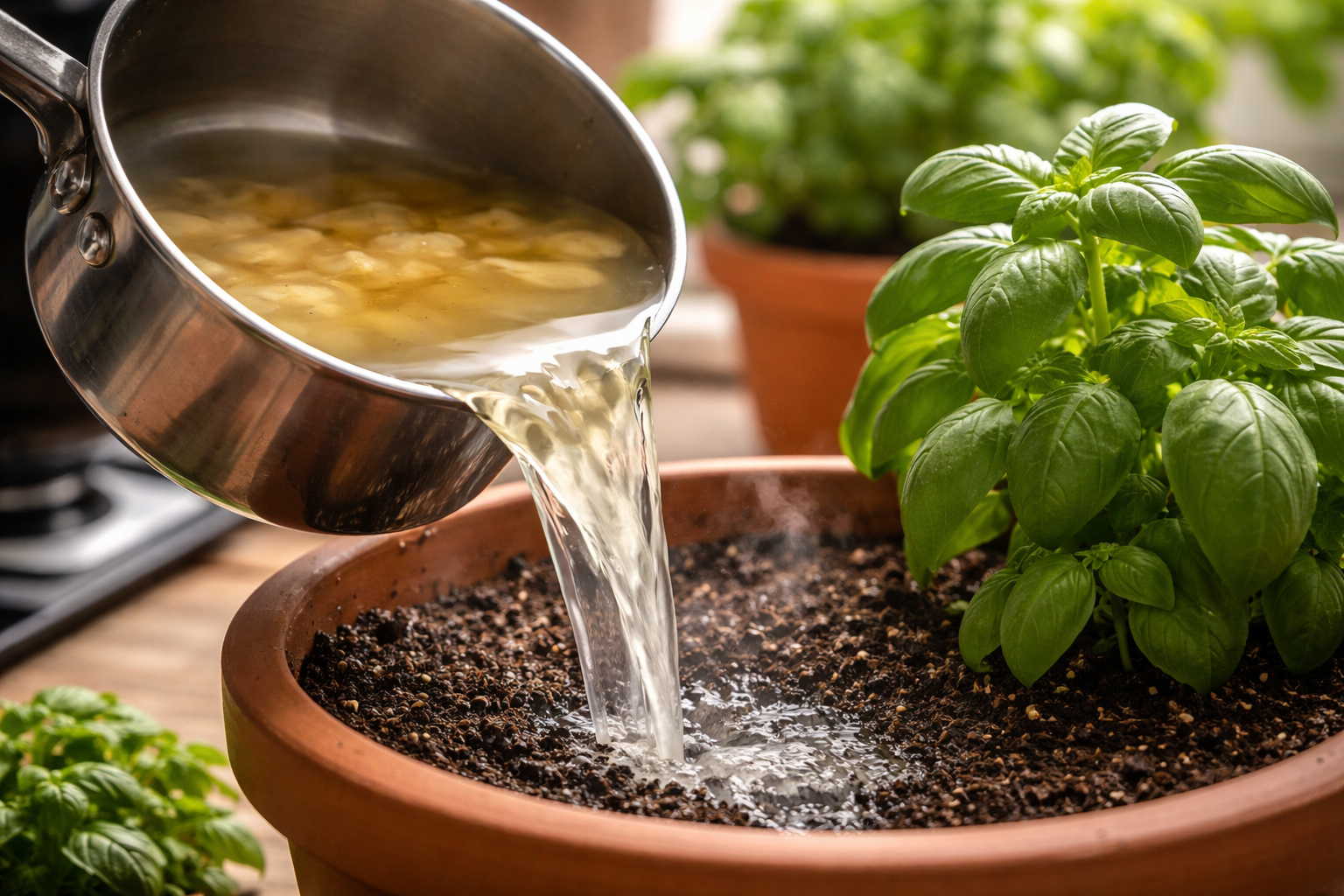
Potato cooking water contains nutrients and can be reused in gardens and plants when used correctly and without salt.
The practice of reusing cooking water from food has been discussed in home horticulture guides and permaculture materials for years. In the case of potatoes, the boiling process promotes the release of soluble compounds that end up concentrating in the water discarded after preparation. According to a study published in the Journal of Food Science about the effects of cooking on potatoes, the boiling process causes the loss of minerals such as potassium, phosphorus, and magnesium, which migrate from the food to the water during preparation, highlighting that some of these nutrients remain dissolved in the discarded liquid.
The most relevant fact is that this water can contain potassium and other dissolved minerals, as well as soluble compounds released during heating. Research on food processing also confirms that cooking in water promotes the leaching of water-soluble nutrients, such as minerals and vitamins, that pass from the food to the liquid medium.
When discarded down the sink, this solution loses its potential for reuse. When used correctly, it can act as a light supplement for plant nutrition, especially in domestic uses.
-
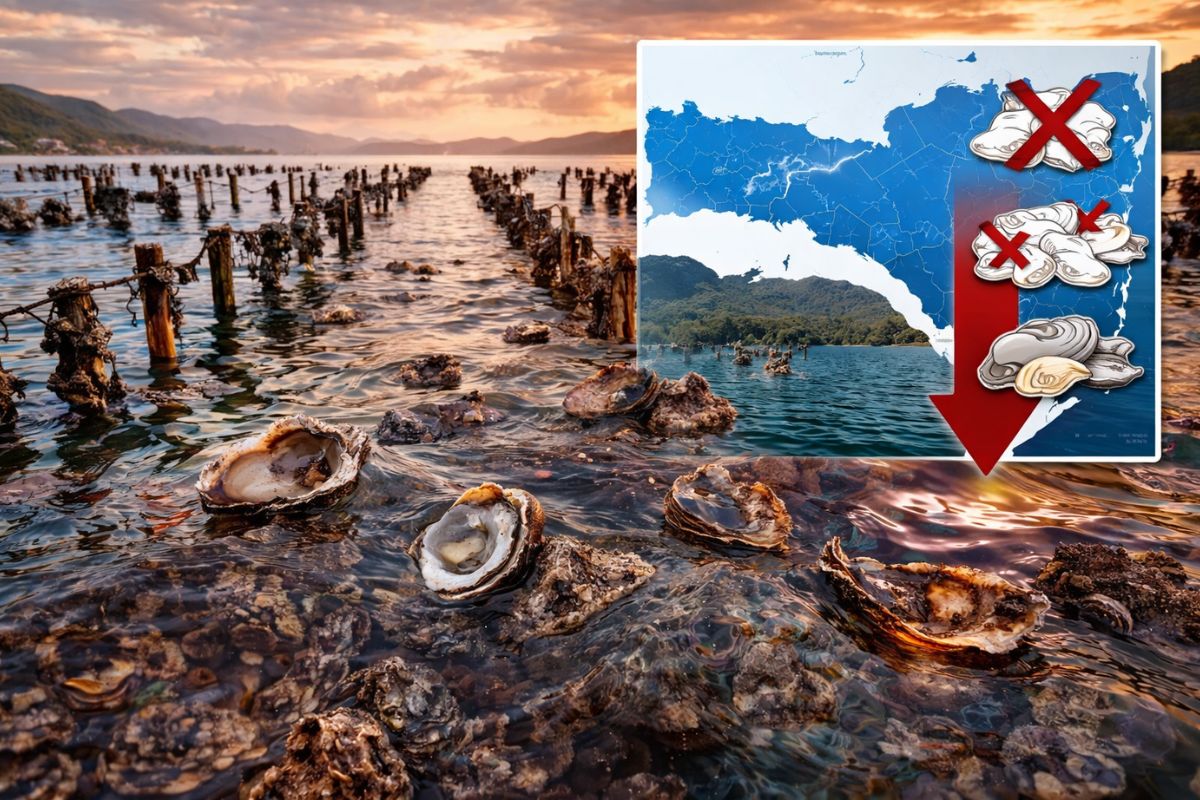
The sea water temperature rose from 28 to 34 degrees in Santa Catarina and killed up to 90% of the oysters: producers who planted over 1 million seeds lost practically everything and say that if it happens again, production is doomed to end.
-
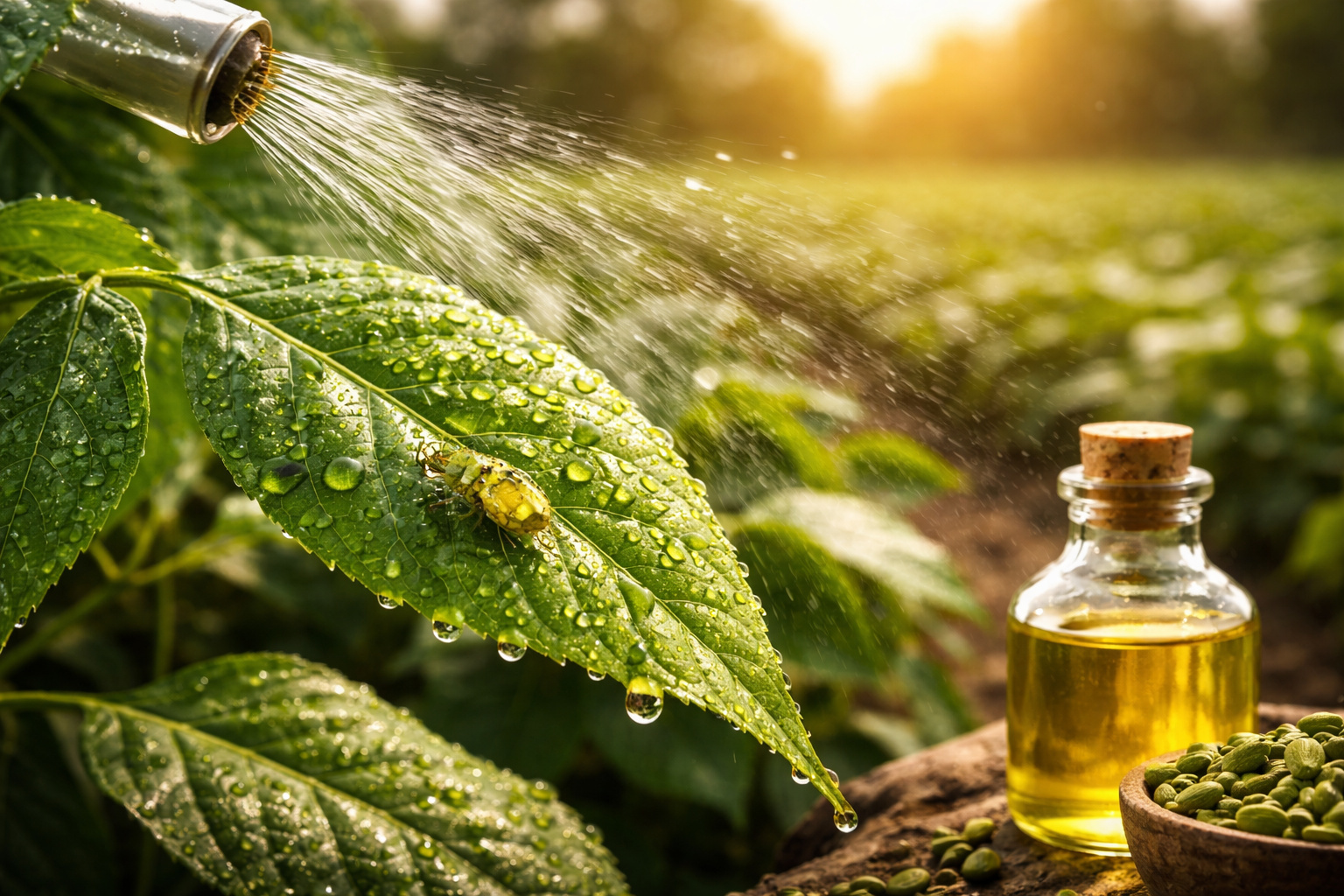
An Indian tree that grows in the Brazilian Northeast produces an oil capable of acting against more than 200 species of pests and interrupting the insect cycle, gaining ground as a natural alternative in soybean, cotton, and vegetable crops.
-
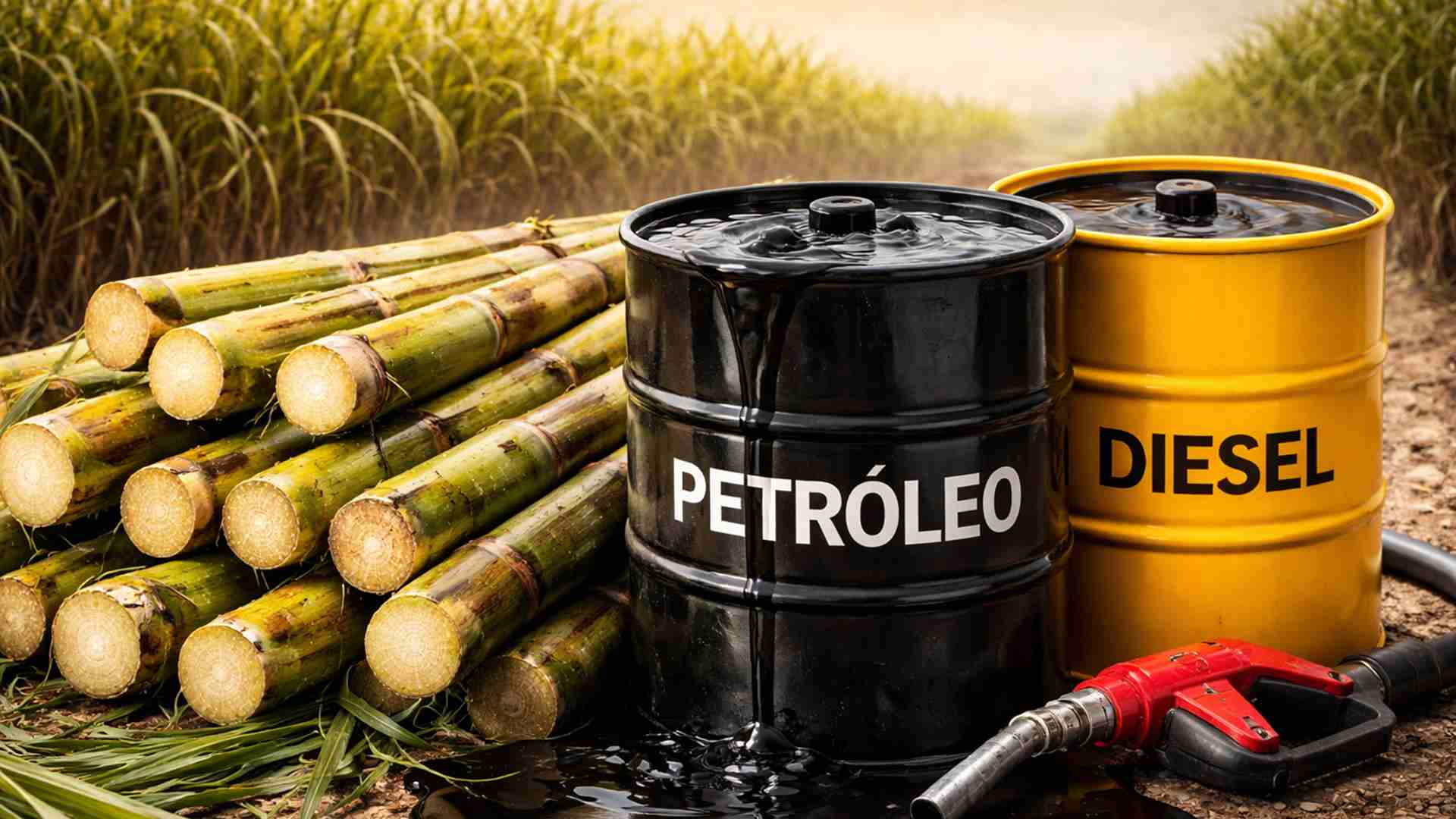
The rise in oil prices in the Middle East is already affecting Brazilian sugar: mills in the Central-South are seeing their margins shrink just as ethanol gains strength.
-
Rain gains strength in April, potentially exceeding 150 mm, placing the North, Northeast, and the coasts of the South and Southeast at the center of the heaviest forecast of the week.


How nutrient release occurs during cooking
During heating in water, the potato undergoes a process known as leaching, in which soluble compounds migrate from the interior of the food to the surrounding liquid.
This process is intensified by high temperature and cooking time, causing minerals and carbohydrates to be transferred to the water.
Potassium is the main nutrient released in this process, followed by small amounts of phosphorus and magnesium. These elements are important for plants, especially in water balance and structural development.
Potassium present in water contributes to basic functions of plants
Potassium is one of the essential macronutrients for plant growth. It regulates the opening of stomata, water transport, and enzyme activation.
When present in small amounts in cooking water, it can contribute to the physiological functioning of plants.
This nutrient is directly linked to plant resistance and the internal balance of water and nutrients. Although the concentration is limited, its reuse can have a complementary effect.
Dissolved starch can influence soil structure
In addition to minerals, potato cooking water contains starch, which partially dissolves during heating. This compound can interact with the soil when applied in small amounts.
Under controlled conditions, starch can contribute to moisture retention in the soil, aiding the root environment. However, excess can promote the growth of unwanted microorganisms, such as fungi. Therefore, use should be moderate.

One of the most critical points for using potato cooking water on plants is the absence of salt. Sodium chloride, common in food preparation, can be harmful to soil and roots. Salt interferes with water absorption by plants and can cause cellular dehydration.
The use of salted water can damage or even kill plants, especially in pots and home gardens. Therefore, only water without any additives should be used.
Application should be done after complete cooling
Before being used, the water must be completely cold. The application of hot liquids can cause thermal damage to the roots and compromise plant health. Cooling also allows for the stabilization of the compounds present in the solution.
The application should be done directly at the base of the plant, avoiding excessive contact with leaves. This care reduces contamination risks and improves absorption.
The use of potato cooking water is more suitable for small-scale environments, such as home gardens and potted plants.
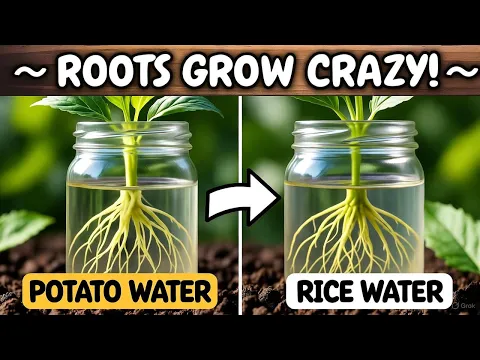

In these contexts, the application can be controlled and adapted to the specific needs of each plant.
The technique does not replace conventional fertilizers but can act as a supplement in domestic systems. On an agricultural scale, the impact is limited due to the low concentration of nutrients.
Difference between complete fertilizer and domestic reuse
Commercial fertilizers are formulated with specific proportions of essential nutrients, such as nitrogen, phosphorus, and potassium. These products are designed to meet the complete demands of plants. Potato cooking water, on the other hand, offers only a fraction of these elements.
This means that its use does not replace traditional fertilization but can contribute complementarily. This distinction is important to avoid unrealistic expectations about the effect of the practice.
The reuse of cooking water fits into a broader context of waste reduction and efficient resource use. Instead of discarding the liquid, it can be given a new function.
This type of practice contributes to sustainability at the domestic level, even with limited impact. The reuse of everyday resources is one of the simplest strategies to reduce waste. The concept is widely promoted in permaculture systems.
Risks include excessive use and accumulation of residues in the soil
Despite the potential benefits, excessive use of cooking water can bring negative effects. The accumulation of starch and other compounds can alter the soil microbiota. This can favor the growth of fungi or cause imbalances.
Application should be sporadic and in small quantities to avoid adverse effects. Balance is essential to maintain soil health.
Potato cooking water, often discarded, contains nutrients that can be reused in home gardens and potted plants. With the presence of potassium, phosphorus on a smaller scale, and dissolved starch, it can contribute lightly to plant development.
However, its use should be understood as complementary, not replacing conventional fertilizers, and requires care such as the absence of salt and moderate application.
This practice represents a simple way to reuse everyday resources, aligning domestic efficiency and waste reduction.








Seja o primeiro a reagir!