





 Portuguese
  English
  Spanish
  3 min of reading
  0 comments


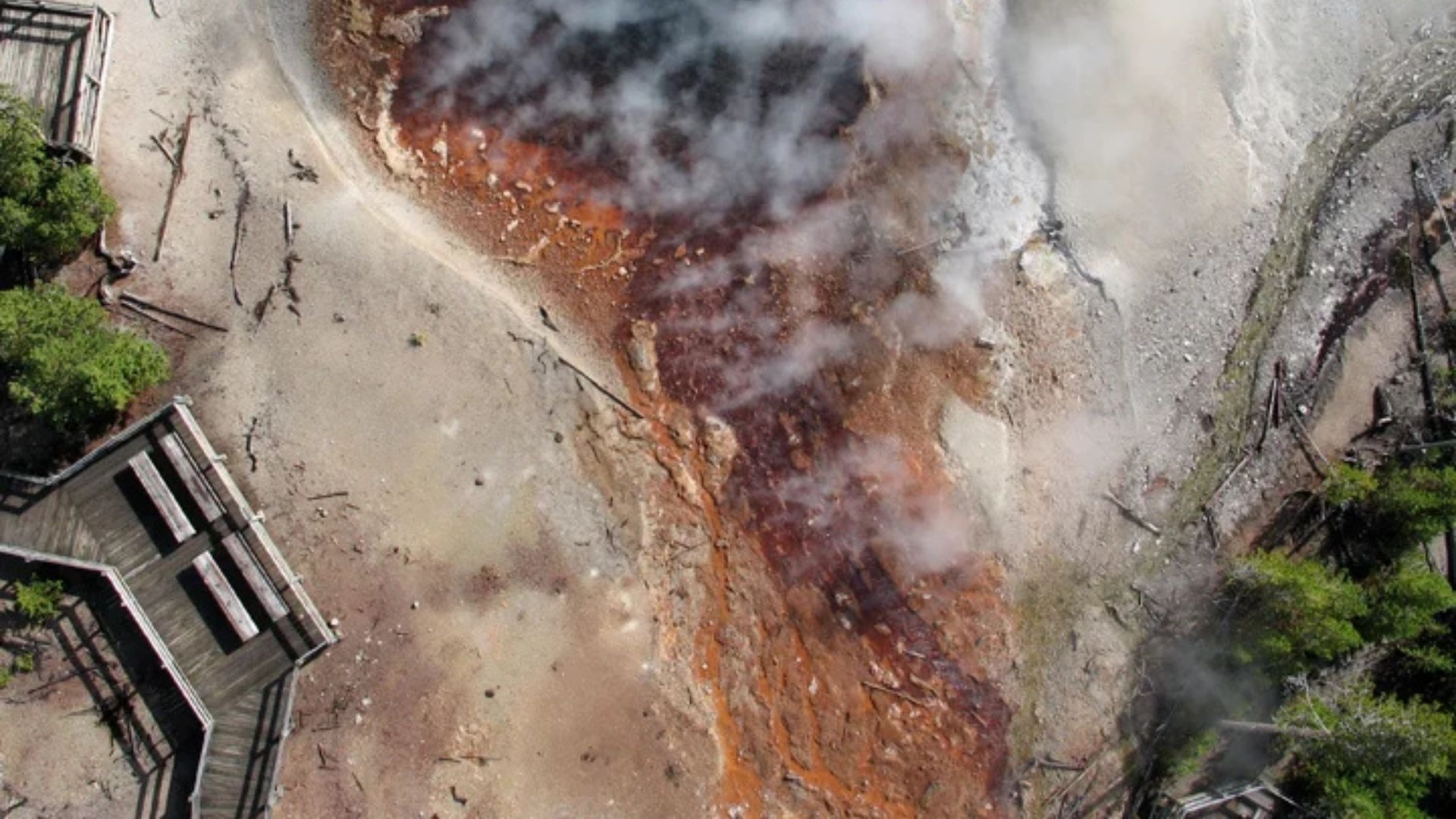
The intense activity of the Steamboat acid geyser in Yellowstone offers a unique opportunity to study hydrothermal systems and the volcanic dynamics of the region.
The world’s largest acid geyser, known as Steamboat, recently awakened in Yellowstone National Park after a prolonged period of dormancy. The natural phenomenon, famous for its unpredictable and extremely powerful eruptions, has started to expel boiling water and steam in jets that can reach hundreds of meters in height.
The resurgence of activity in the acid geyser has captured the attention of geologists and visitors, who closely monitor the thermal and seismic changes in the region to understand the energy cycles of the dormant volcano beneath the park.
Dynamics of eruptions and chemical composition
The eruptions of Steamboat are distinct from other hydrothermal systems due to their massive scale and the characteristic acidity of the groundwater that feeds them. The acid geyser operates through a complex network of fissures that accumulate pressure as water is heated by deep magma chambers. When the pressure limit is reached, the natural device releases a column of water that surpasses in height any other active geyser on the planet, often accompanied by a deafening roar that can be felt kilometers away.
-
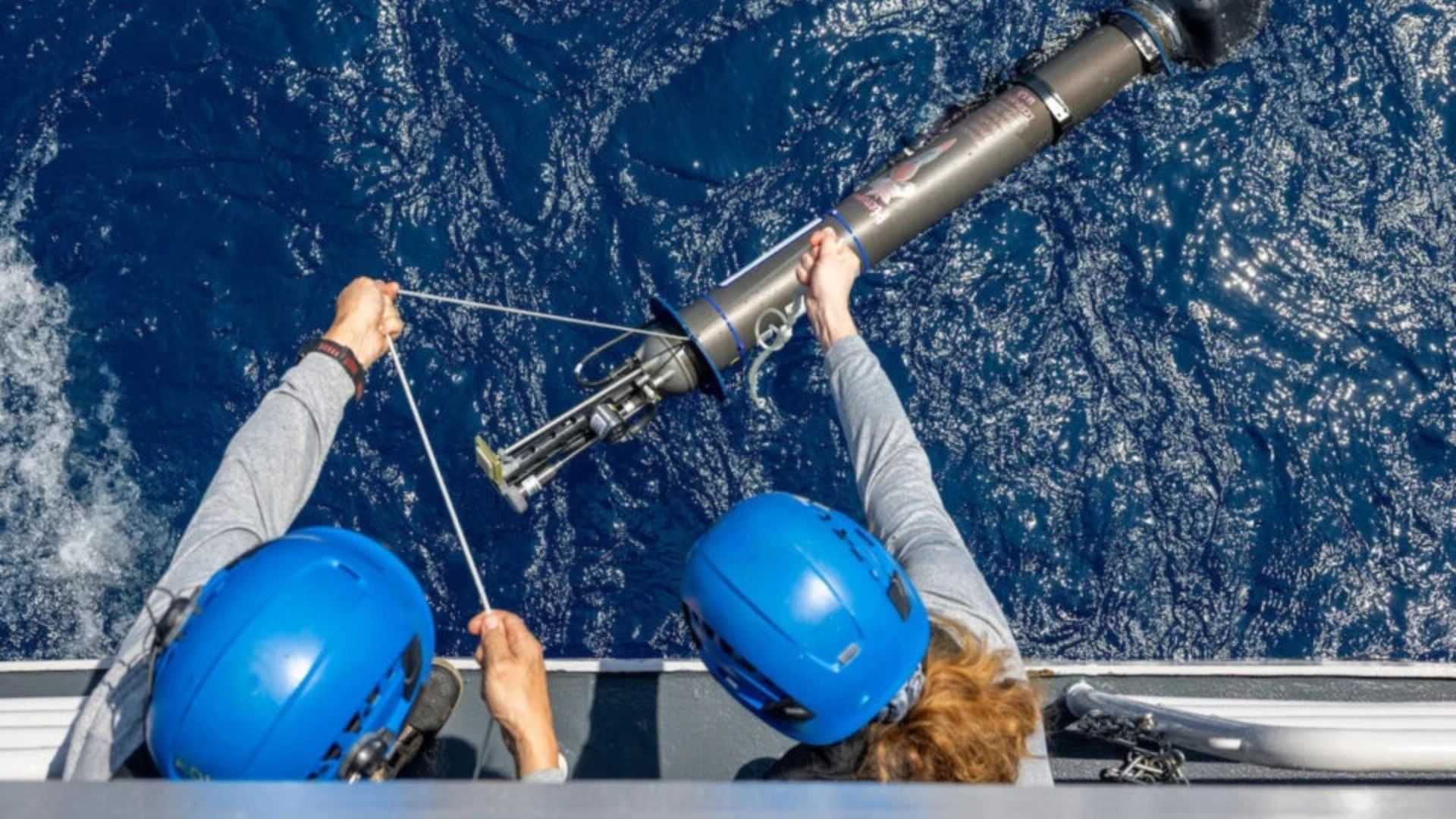
Tiny robots reveal the hidden chemistry of the depths and uncover secrets of low-oxygen dead zones in the ocean.
-
Scientists use a nearly 10-kilometer fiber optic cable to monitor and record the detachment of 56,000 icebergs in real time.

-
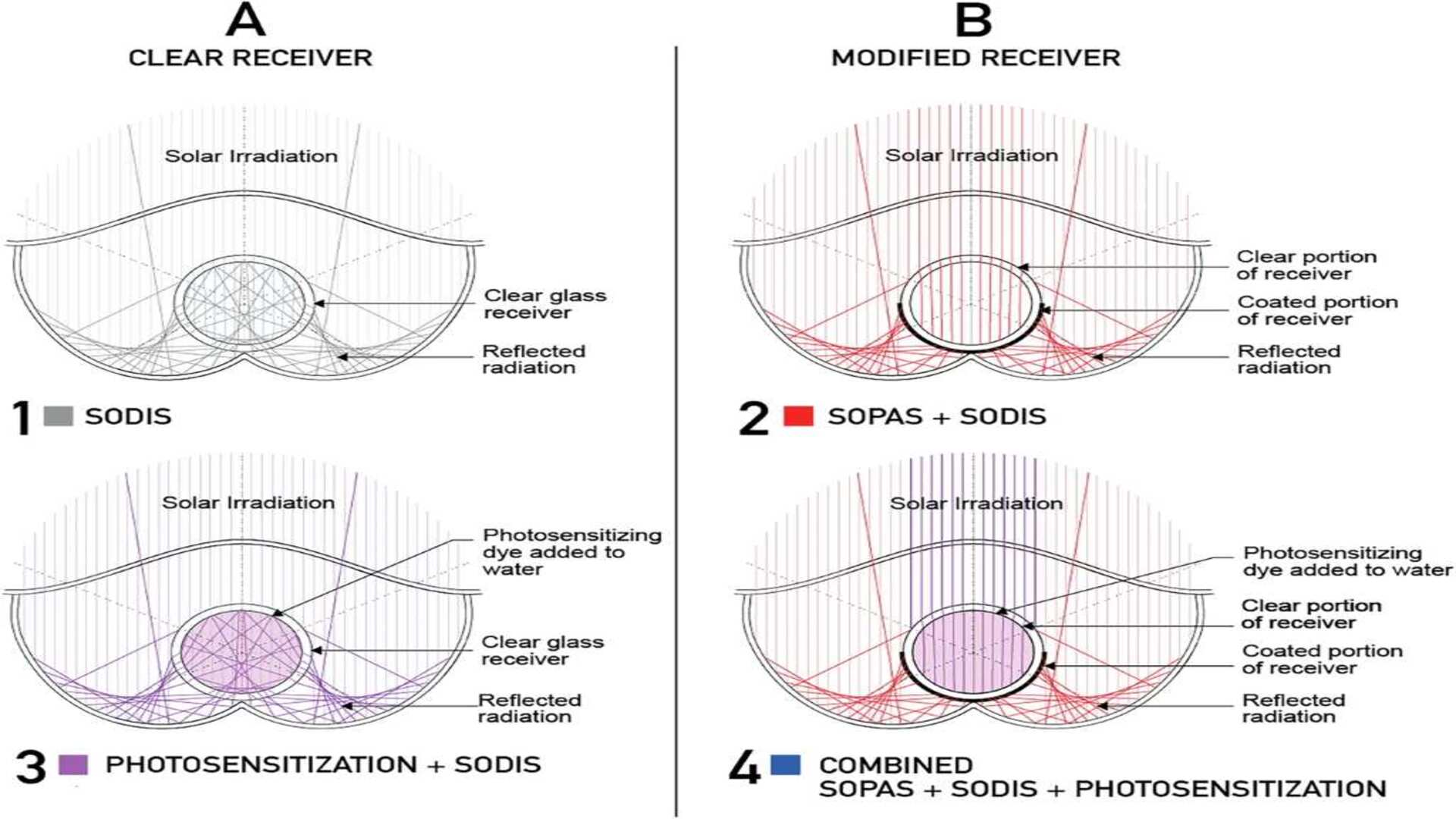
Scientists develop innovative method using sunlight and food dye that allows for clean water to be obtained in just 28 minutes.
-
New bicycle bell alerts pedestrians from 22 meters away and works with noise-canceling headphones.

Unlike the famous Old Faithful, which has regular intervals, this geyser acid operates erratically, sometimes remaining silent for decades or exhibiting a series of explosions within a short span of months.
The chemical composition of the expelled water contains corrosive minerals that alter the surrounding landscape, creating deposits of silica and other unique sediments. Scientists use thermal sensors to map temperature variations in the ground, trying to identify patterns that signal the duration of this new phase of intense activity.
Geological monitoring and safety in the park
The return to life of the acid geyser has mobilized teams from the Yellowstone Volcano Observatory (YVO) to ensure the safety of tourists and the collection of scientific data. New monitoring stations have been installed to record the frequency of smaller eruptions, known as precursory events, which usually precede the major explosions.
The behavior of the acid geyser provides valuable clues about the circulation of hydrothermal fluids and the stability of the Yellowstone caldera, one of the largest volcanic structures in the world.
Park authorities have reinforced wooden walkways and safety signage, as acidic water and high-temperature steam pose immediate risks to those who exceed permitted limits. Observing these events provides a rare opportunity to study fluid mechanics in high-energy natural systems without the need for invasive drilling.
The data collected during the active phases of the acid geyser help refine geological risk prediction models for the entire northwestern United States.
Impact on scientific research and tourism
The awakening of Steamboat attracts thousands of enthusiasts and researchers interested in witnessing one of the rarest spectacles of wild nature. The recording of eruptions from the acid geyser allows for correlating hydrothermal activity with local minor earthquakes, helping to understand if the system is receiving new heat inputs. The study of these dormancy and activity cycles contributes to global knowledge about how hot springs respond to seasonal changes and tectonic movements.
The preservation of the area around the acid geyser is a priority, ensuring that the extremophile ecosystem — composed of microorganisms that live in conditions of intense heat and acidity — remains intact.
It is hoped that this active phase will last long enough for new acoustic imaging technologies to be applied in analyzing the internal structure of the geyser. The rebirth of Steamboat reaffirms Yellowstone as a living laboratory, where the geological forces of the Earth manifest with absolute power and constant transformation.
Click here to access the study.






Seja o primeiro a reagir!