






 Portuguese
  Spanish


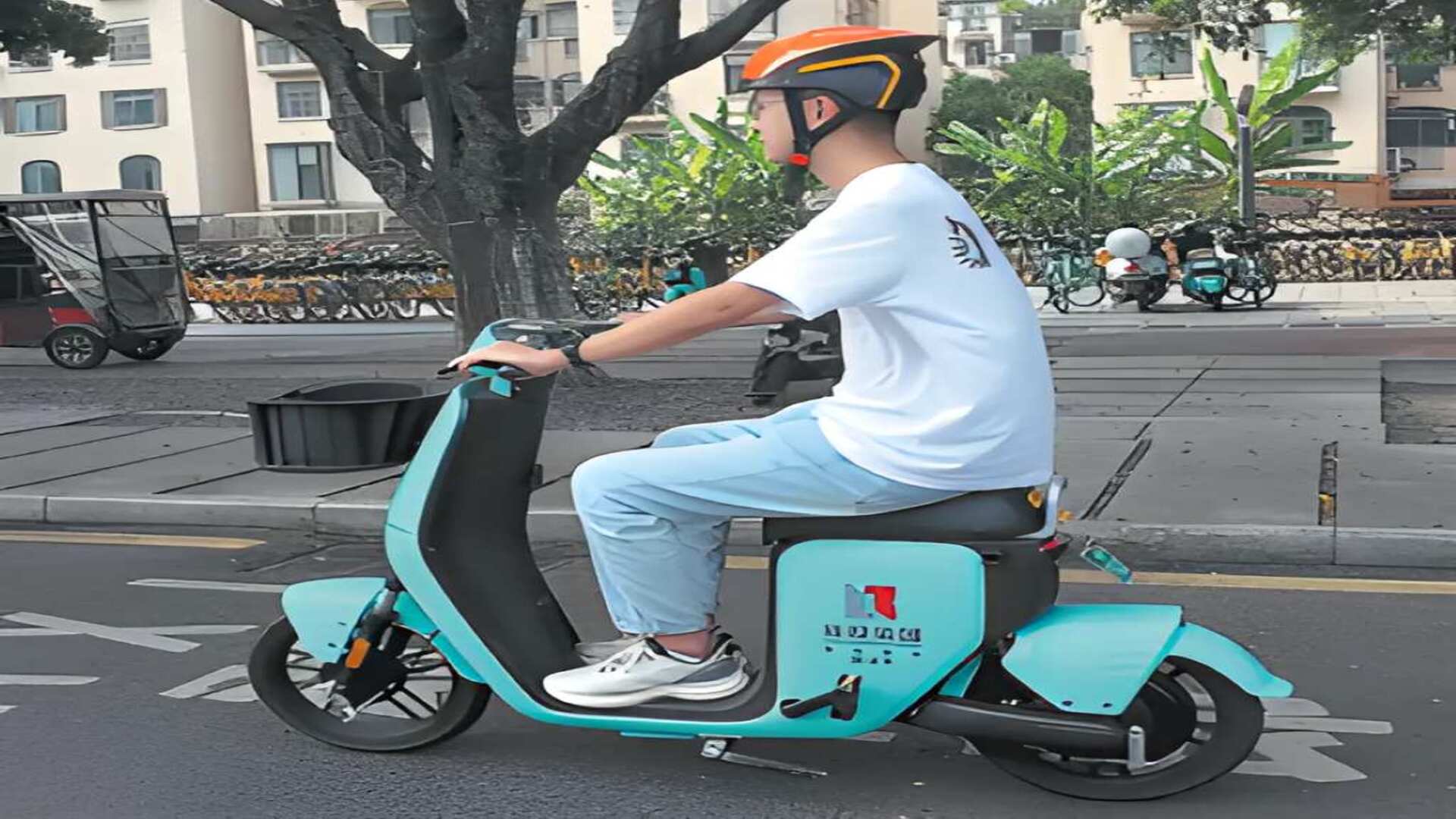

The vehicle uses low-pressure fuel cells and fast refueling to provide an ecological and efficient alternative to traditional battery electric bicycles.
A tech startup in China has reached the historic milestone of 11,000 units of a hydrogen bicycle implemented in various cities, recording over 3.5 million trips made.
The vehicle, developed by Youon, uses a fuel cell that converts hydrogen into electricity to power an auxiliary motor. This large-scale fleet demonstrates the viability of hydrogen as a clean and efficient energy source for contemporary urban micromobility.
Technical performance and extended range
The technology applied in these vehicles allows the hydrogen bicycle to achieve a range of up to 100 kilometers on a single refueling. The low-pressure storage system ensures that hydrogen is safely contained within a compact cylinder integrated into the frame.
-
Scientists Discover Antidepressants in Hammerhead Sharks, Revealing Hidden Path of Pharmaceuticals to Brazilian Waters

-
Warm water hidden deep in the ocean has been moving towards Antarctica for 20 years, potentially accelerating glacier melting from below.
-
U.S. Offers Nearly $200,000 to Combat Invasive Mussels Threatening Waterways and Hydroelectric Plants
-
Cigarette Butts Pollute Brazilian Beaches, Sparking Debate on Coastal Environmental Protection Measures


Unlike conventional electric bicycles, which require hours of charging, this model can be refueled in just a few minutes at specific stations.
The electric motor of the bicycle hydrogen kicks in to assist the cyclist while pedaling, facilitating movement on inclined terrain or long routes. The efficiency of the fuel cell system ensures that power delivery remains consistent, regardless of the remaining charge level in the cylinder. This technical advancement significantly reduces vehicle downtime, allowing for greater turnover and availability for users of the sharing system.
Environmental impact and operational safety
The operation of the hydrogen bicycle directly contributes to the reduction of pollutant gas emissions in urban areas, as the only byproduct of the chemical reaction is water vapor.
The startup focused on creating a fully green energy cycle, integrating hydrogen production infrastructures that utilize renewable sources. This sustainable approach positions the vehicle as a superior alternative to lithium batteries, which face challenges related to recycling and material extraction.
In terms of safety, the design of the hydrogen bicycle has been rigorously tested to withstand impacts and extreme temperature variations.
The storage cylinders use special metal alloys that prevent leaks and ensure the integrity of the fuel during intensive daily use. Smart sensors continuously monitor gas flow and the state of the fuel cell, ensuring that the user experience is both reliable and safe.
Fleet expansion and public adoption
The success of the 3.5 million trips made reflects a positive acceptance of the hydrogen bicycle by the Chinese population. The startup plans to expand its network of refueling stations to support the continued growth of the fleet and entry into new metropolitan areas. This shared economy business model demonstrates how hydrogen technology can be democratized and integrated into the daily lives of citizens.
The logistical infrastructure needed to keep the hydrogen bicycle functional includes specialized maintenance centers and logistics systems for tank exchanges.
Continuous investment in innovation has allowed production costs to decrease, making the service economically competitive with traditional public transport. With the consolidation of this project, China sets a new global standard for the use of alternative energies in short-distance individual transport.
Click here to access the study.







