





 Portuguese
  English
  Spanish
  3 min of reading
  0 comments


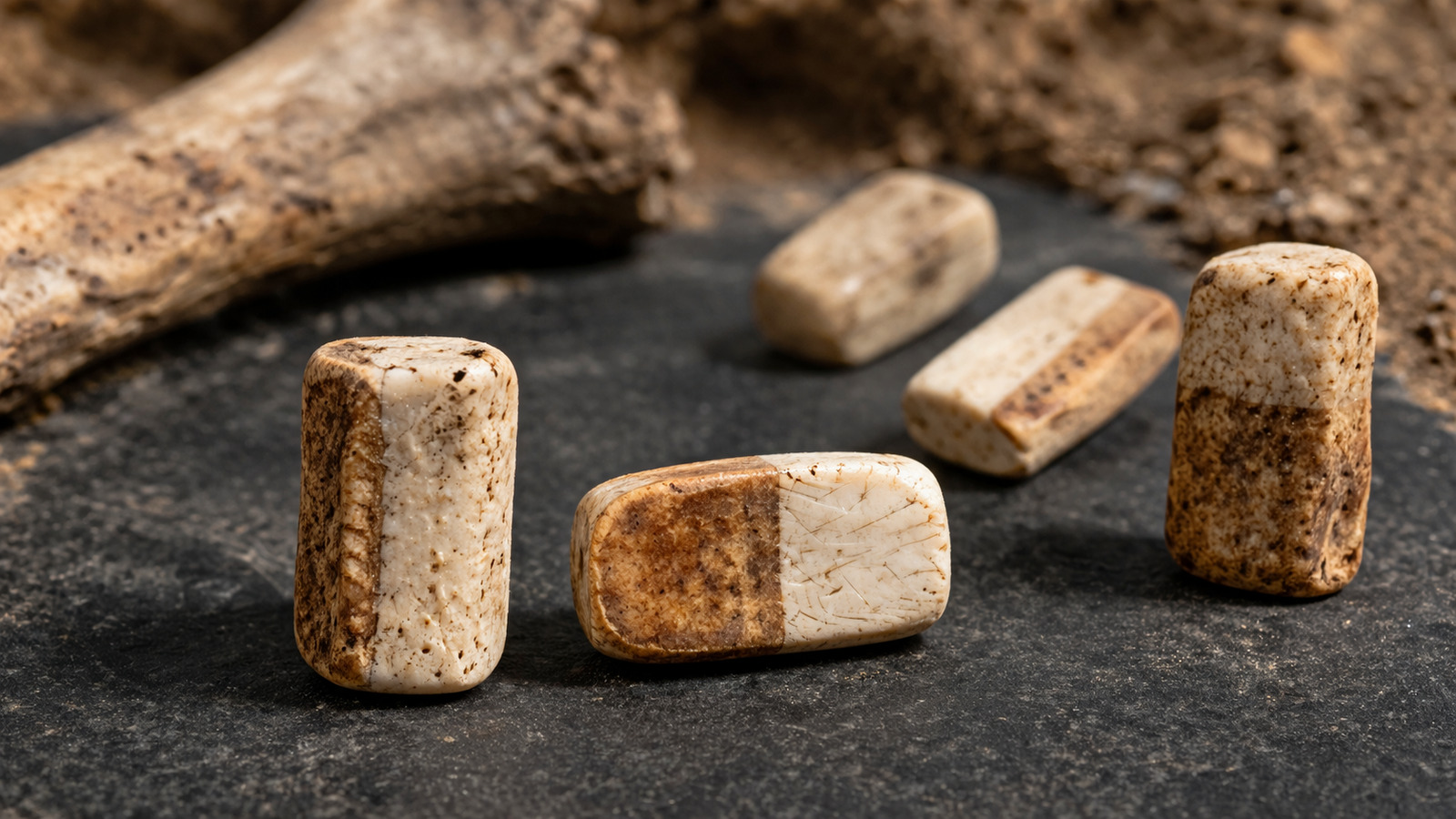
Research published in American Antiquity shows that Great Plains hunter-gatherers used intentional bone dice at the end of the last Ice Age
Long before casinos, coins, or recorded numbers, Native American hunter-gatherers were already using bone dice in games of chance over 12,000 years ago, according to a study published in the journal American Antiquity.
Study retraces the origin of games
The research was led by Robert J. Madden from Colorado State University and analyzed artifacts from the end of the last Ice Age.
The work indicates that these objects are older than similar pieces known in Eurasia from the Bronze Age.
-
With an almost perfect ring of 70 km visible from space, known as the “Eye of Quebec” and over 100 km in length, the Manicouagan Crater in Canada reveals the colossal mark left by a giant asteroid and has become one of the most impressive formations ever identified on the Earth’s surface.

-
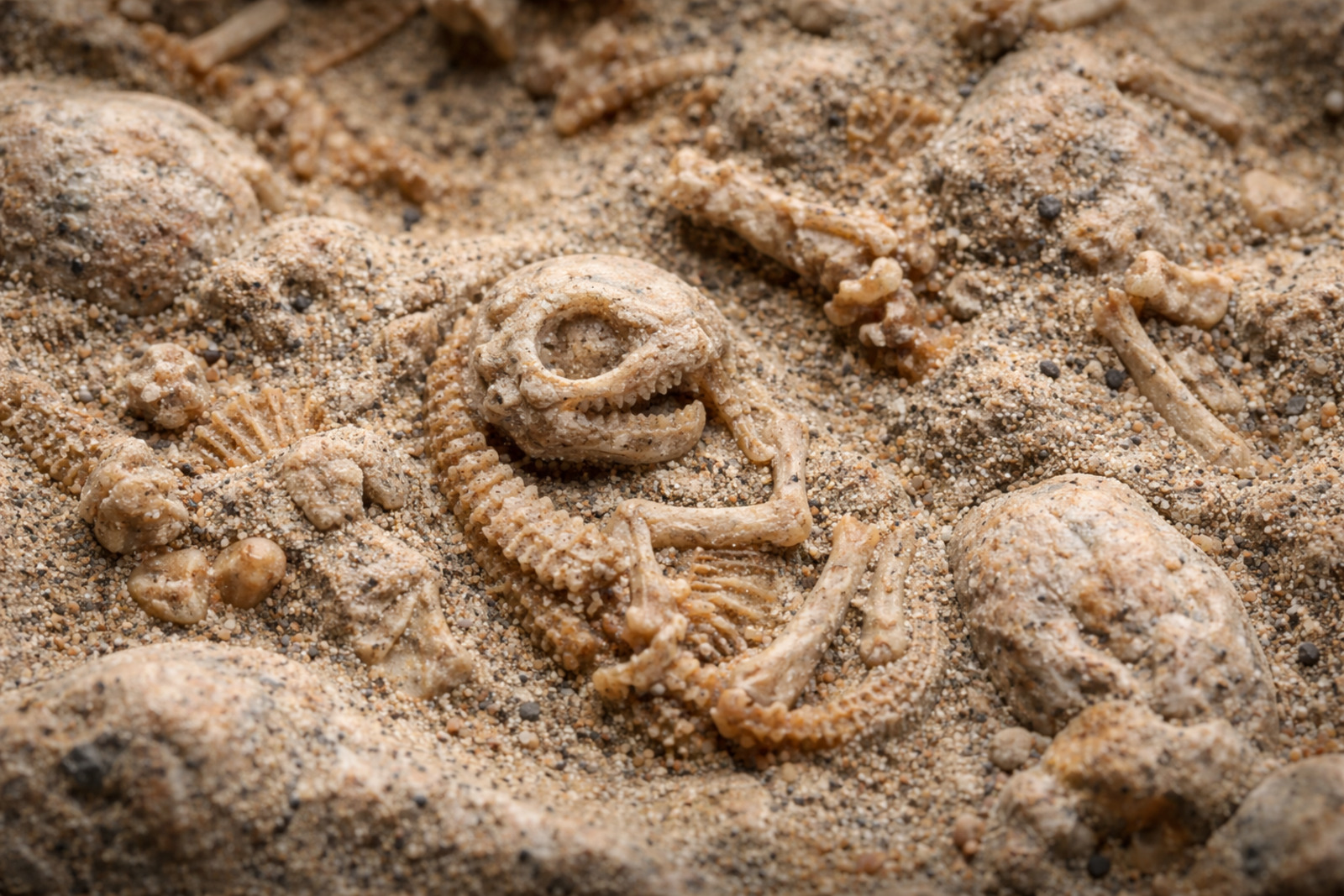
Scientists have found in China dinosaur embryos dating back 190 million years in various stages of development, and the discovery still preserves traces of extremely rare proteins in the bones, something that could change what is known about life before hatching.
-
The CEO of Honor in Spain says that smartphones will change with AI, foldables, and even robot phones; the component crisis is making cheap models more expensive in 2026 and shifting the focus to premium.

-
China’s artificial intelligence surpasses human commanders with 90% accuracy in military assault simulation tests.

The discoveries in the Great Plains push back the origin of gambling. The study also opens the door to revising ideas about where and when humans began to deal with random outcomes.

What the bone dice were like
The oldest pieces date back to between 12,800 and 12,200 years ago. They were found in Wyoming, Colorado, and New Mexico, and were not cubic in shape, but rather small bone objects with two distinct faces.
These objects are described as “binary lots.” Each had two different faces, sometimes marked by color or texture, to produce a “yes or no” type outcome, functioning similarly to flipping a coin.
Instead of a single piece, several were thrown at the same time. Then, a count was made of how many landed on a specific side.
For Madden, this shows that the bone dice were not casual remnants of working with animal raw materials.
Tools made for randomness
Madden stated that the pieces were “simple and elegant tools,” but also “undeniably functional.”
He emphasized that they were not casual byproducts of working with bones, but rather objects produced to generate random outcomes.
This definition reinforces the intentional nature of the bone dice found at archaeological sites. The study dismisses the interpretation that they were fragments without their own function and supports that there was a clear purpose linked to the use of chance.
Wide presence in 57 sites
The research also identified the extent of this practice. Dice were found in 57 archaeological sites distributed across an area covering 12 states, spanning various cultural periods since the Paleo-Indian era.
This reach suggests a practice maintained over generations. For Madden, the games served not only as entertainment.
They created “neutral spaces, governed by rules,” allowing interaction between people from different groups.
More than fun between groups
In the assessment presented in the study, these games allowed different groups to interact, exchange goods and information, form alliances, and manage uncertainty.
Therefore, Madden defined this type of practice as a powerful social technology.
The interpretation places bone dice in a broad role within primitive societies.
The game helped organize relationships and deal with uncertain situations long before the existence of any formal theory of probability.
Thus, the discoveries show that the use of random outcomes in North America has ancient roots.
And they indicate that these pieces participated in the construction of rules, exchanges, and bonds in different communities over time.
With information from Daily Galaxy.







Seja o primeiro a reagir!