





 Portuguese
  English
  Spanish
 3 min of reading


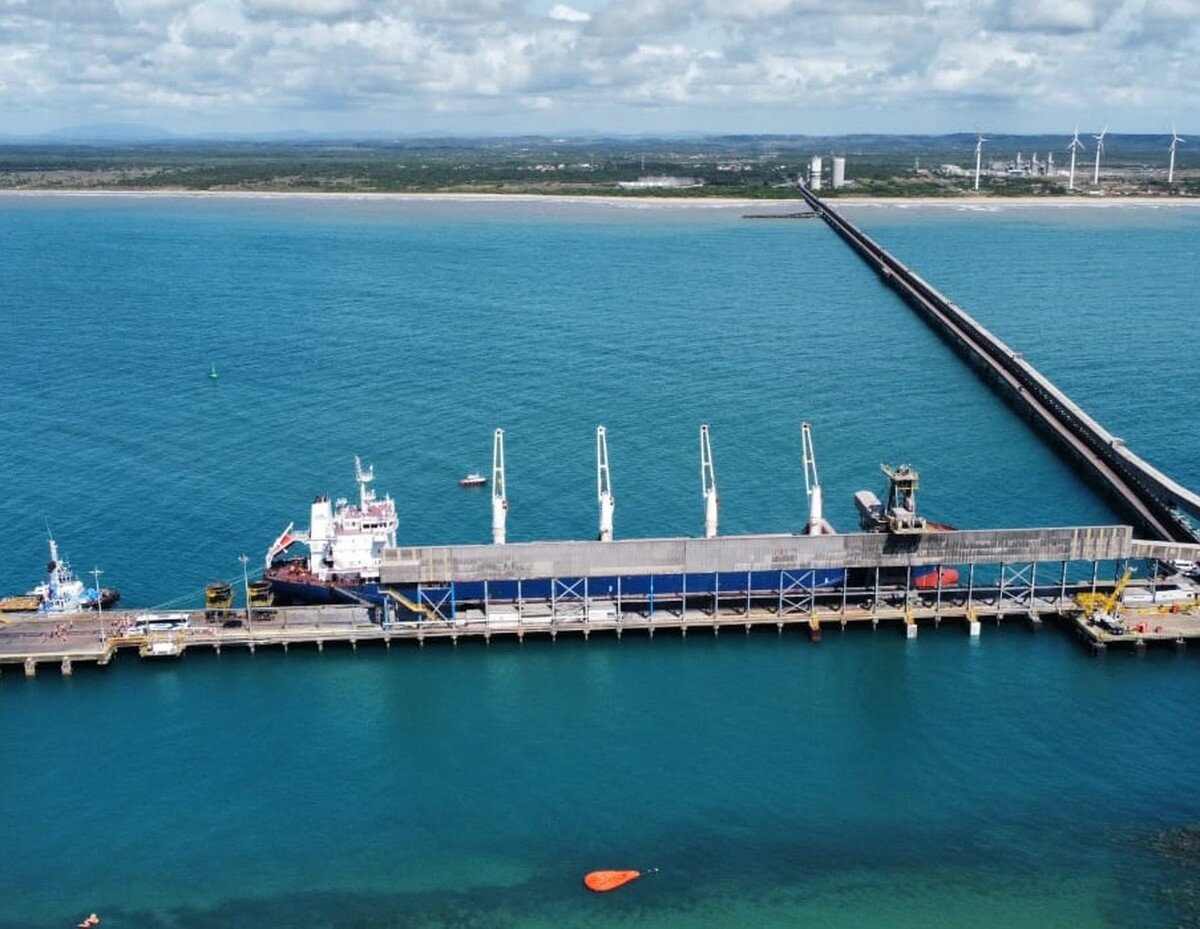
The Company Has Been Investing in Improvements in the Logistics and Operational Infrastructure of the Port of Sergipe Over the Last Few Years. The TMIB of VLI Represents the Company’s Efforts to Ensure Strong Performance in the Domestic Market.
The logistics and infrastructure network of VLI in the Brazilian market continues to stand out across the country. Among its assets, the Inácio Barbosa Maritime Terminal (TMIB) of the Port of Sergipe is one of the most important in the current context. The company has been investing to strengthen the quality of its activities and create an integration between railways, ports, and terminals in a multimodal system.
VLI Expands Its Infrastructure and Logistics and Strengthens Its Multimodal Solutions in the Brazilian Port Market
VLI, a Brazilian logistics company, is strengthening its infrastructure and finding multiple opportunities in the Port of Sergipe.
Currently, the company has a fleet of 800 locomotives and 24,000 freight cars, transporting 40 million tons per year through seven port structures in ten states, in addition to the Federal District, and 60.6 million tons across thousands of kilometers of railways.
-
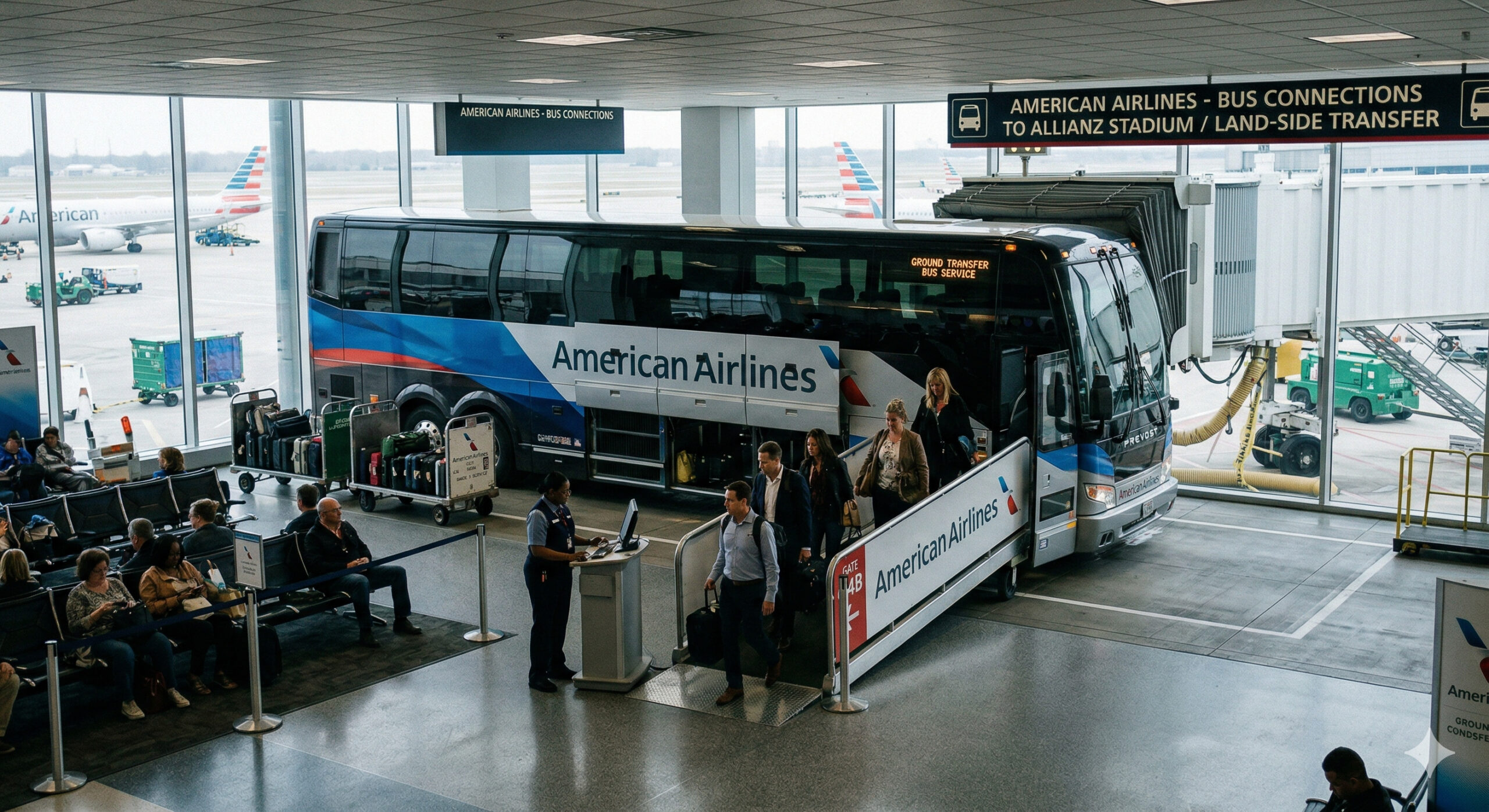
American Airlines starts selling trips as if they were flights, with check-in and baggage check at the airport, but on short routes, passengers board luxury buses connecting cities to major hubs in the U.S.
-
São Paulo surprises the world with a colossal railway network project that promises over 1,000 km of tracks, R$ 194 billion in investments, and 40 projects connecting the capital to the interior with fast and sustainable trains.

-
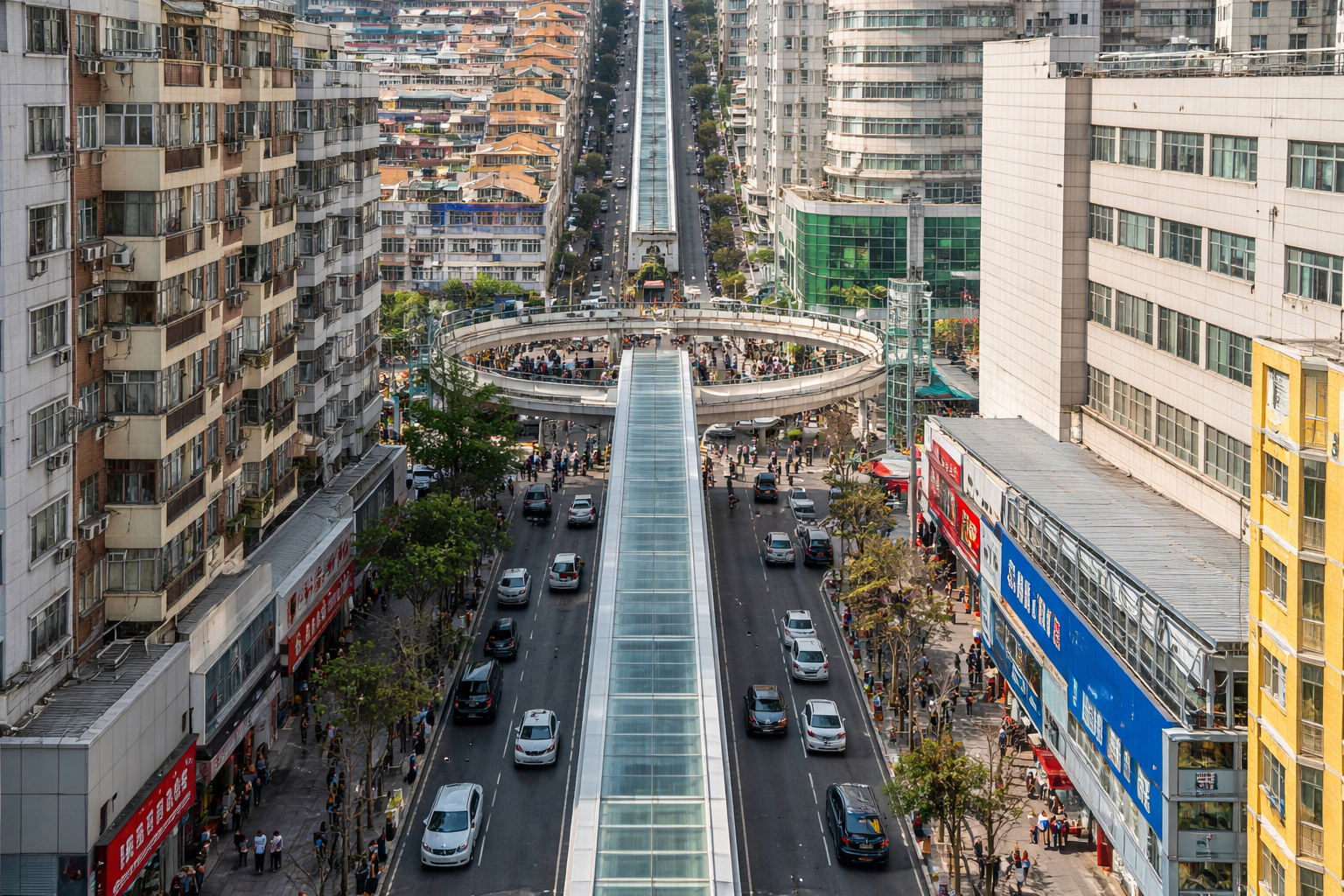
The world’s largest escalator, measuring 905 meters in China, reduces urban travel time from 1 hour to about 20 minutes and transforms mobility in mountainous regions with an engineering solution adapted to the terrain.
-
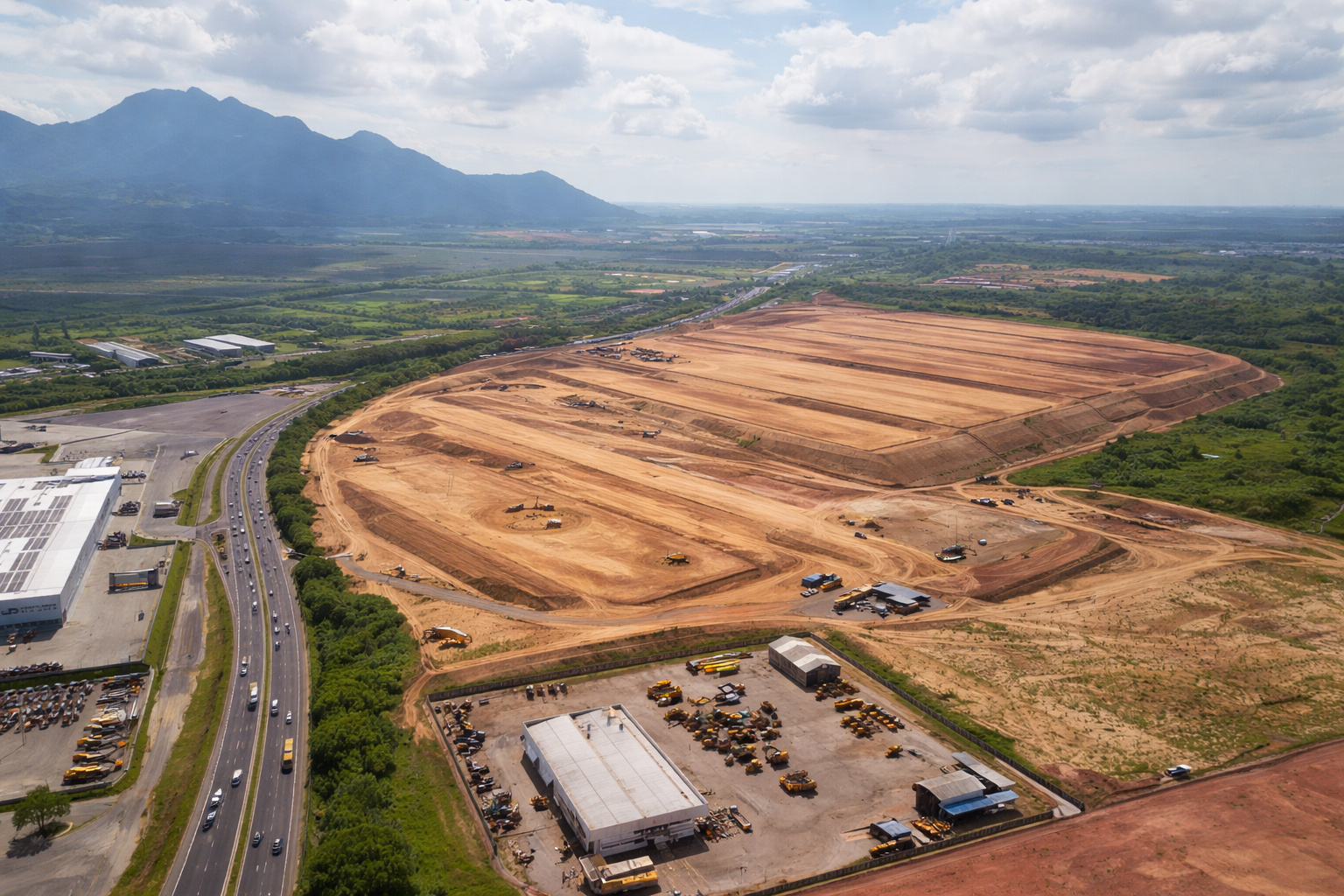
A R$ 300 million logistics giant is taking shape in Serra with over 100,000 m² and raises a question: how can this transform e-commerce and distribution in the state?

VLI is a holding company that includes the shareholding of major corporations such as Vale, Mitsui, FI-FGTS, and Brookfield, and operates the North-South and Centro-Atlântica railways.
It is also the operator of integrating and port terminals located at strategic points along the Brazilian coast, such as Santos (SP), São Luís (MA), Barra dos Coqueiros (SE), São Gonçalo do Amarante (CE), and Vitória (ES).
VLI’s infrastructure offers logistics solutions that integrate ports, railways, and terminals, allowing for greater efficiency in cargo transportation and supporting the productive sector of the country.
The company is in constant growth and is considering expanding its activities, focusing on important assets in its portfolio such as the TMIB of the Port of Sergipe.
Diego Zanella, Operations Director of the Central East Corridor of VLI, participated in Sergipe Day, an event that brought together authorities and companies operating in the region, which is increasingly focused on the national fuel market.
He reported that VLI has been operating in Sergipe since 2014 and maintains the Inácio Barbosa Maritime Terminal (TMIB), the only port terminal in the state.
“The country’s infrastructure is not homogeneous. We work to cover these gaps, providing alternatives for greater efficiency and assisting the productive sector. The company grows annually and should continue to do so in the near future, expanding its activities, including geographically,” commented the expert.
TMIB of the Port of Sergipe Is a Reflection of VLI’s Investments in Infrastructure and Operational Logistics
Located in Barra dos Coqueiros, in the state of Sergipe, the Inácio Barbosa Maritime Terminal (TMIB) is one of the main cargo handling points in Brazil.
With extensive infrastructure, the Port of Sergipe offers cargo storage services, bulk handling, and offshore operations, serving various sectors of the economy.
The TMIB’s differential is its pier for offshore operations, measuring 59 meters in length, which provides support for the vessels assisting the oil platforms close to the coast, ensuring efficiency and safety in operations.
The bulk handling pier, with a length of 356 meters, is another highlight of the terminal operated by VLI, allowing for the flow of numerous products such as fertilizers, soybeans, corn, soybean meal, coke, cement, wheat, copper, and iron ore.
Thanks to its strategic location in direct connection with the supply of inputs and raw materials, the terminal serves not only companies operating in Sergipe but also neighboring states.
Thus, the TMIB of the Port of Sergipe positions itself not only as a major terminal of the complex but also as the result of VLI’s investments in infrastructure and logistics.





Seja o primeiro a reagir!