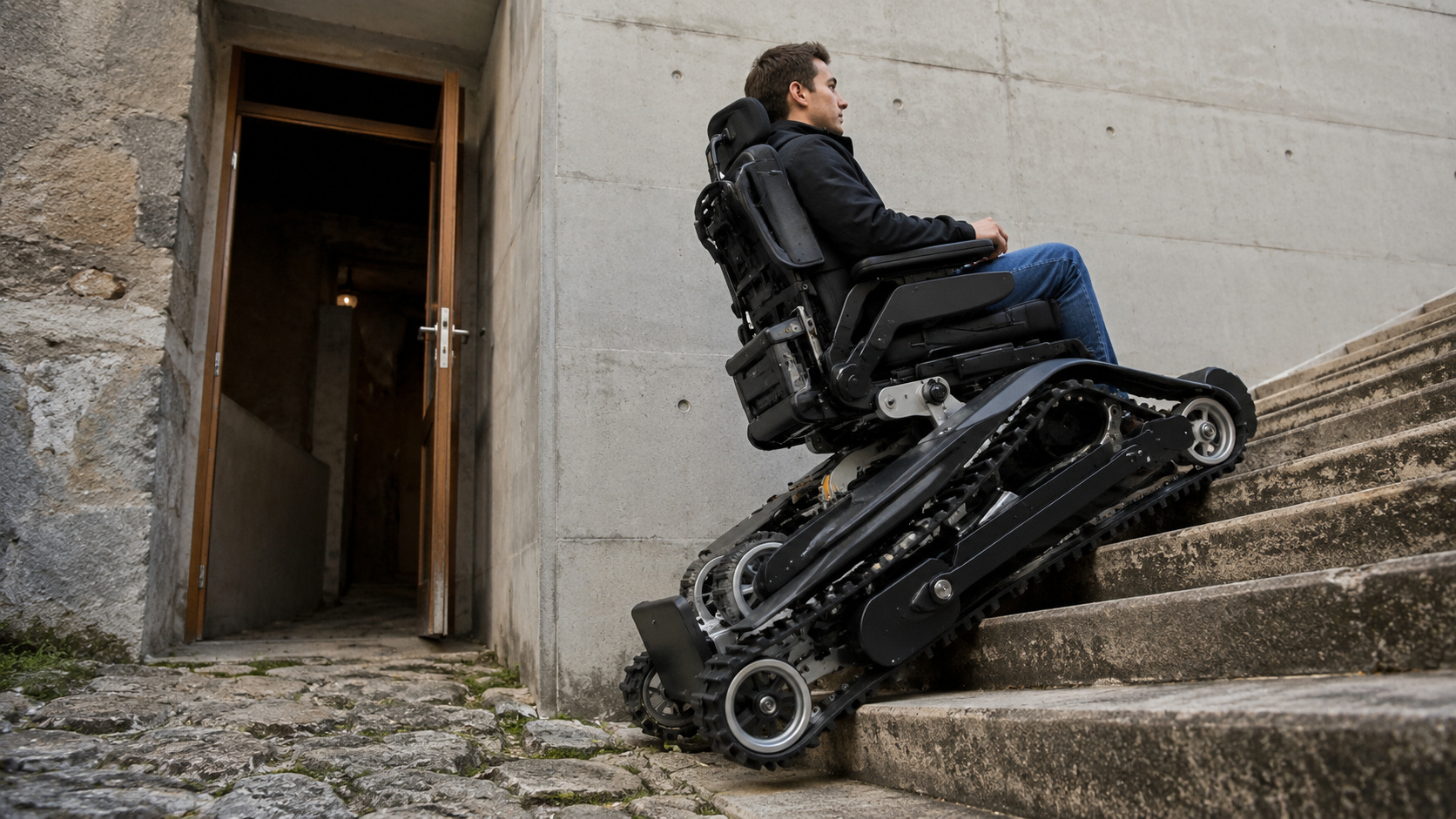

Created to enhance accessibility, the electric wheelchair combined wheels, tracks, and balance control to overcome steps. In tests, doors and uneven terrain revealed even more complex obstacles for mobility.
After ten months of modifications, nine Swiss students watched the electric wheelchair advance up a staircase without much difficulty. The problem appeared soon after, when the machine needed to open a door and cross an uneven floor.
The chair had wheels for moving on common surfaces, tracks to tackle steps, and a balance system to keep the user in an appropriate position. Even with this structure, seemingly simple tasks still required deep adjustments to the project.
The information was released by ETH Zurich, Swiss university of science and technology. The publication, made on August 18, 2016, recorded the tests conducted by the Scewo team before an international assistive technology competition.
-
Heat can now be directed and fully controlled after a scientific breakthrough created an unprecedented technology capable of precisely manipulating thermal propagation, paving the way for more efficient electronics, new industrial applications, and much smarter energy systems.

-
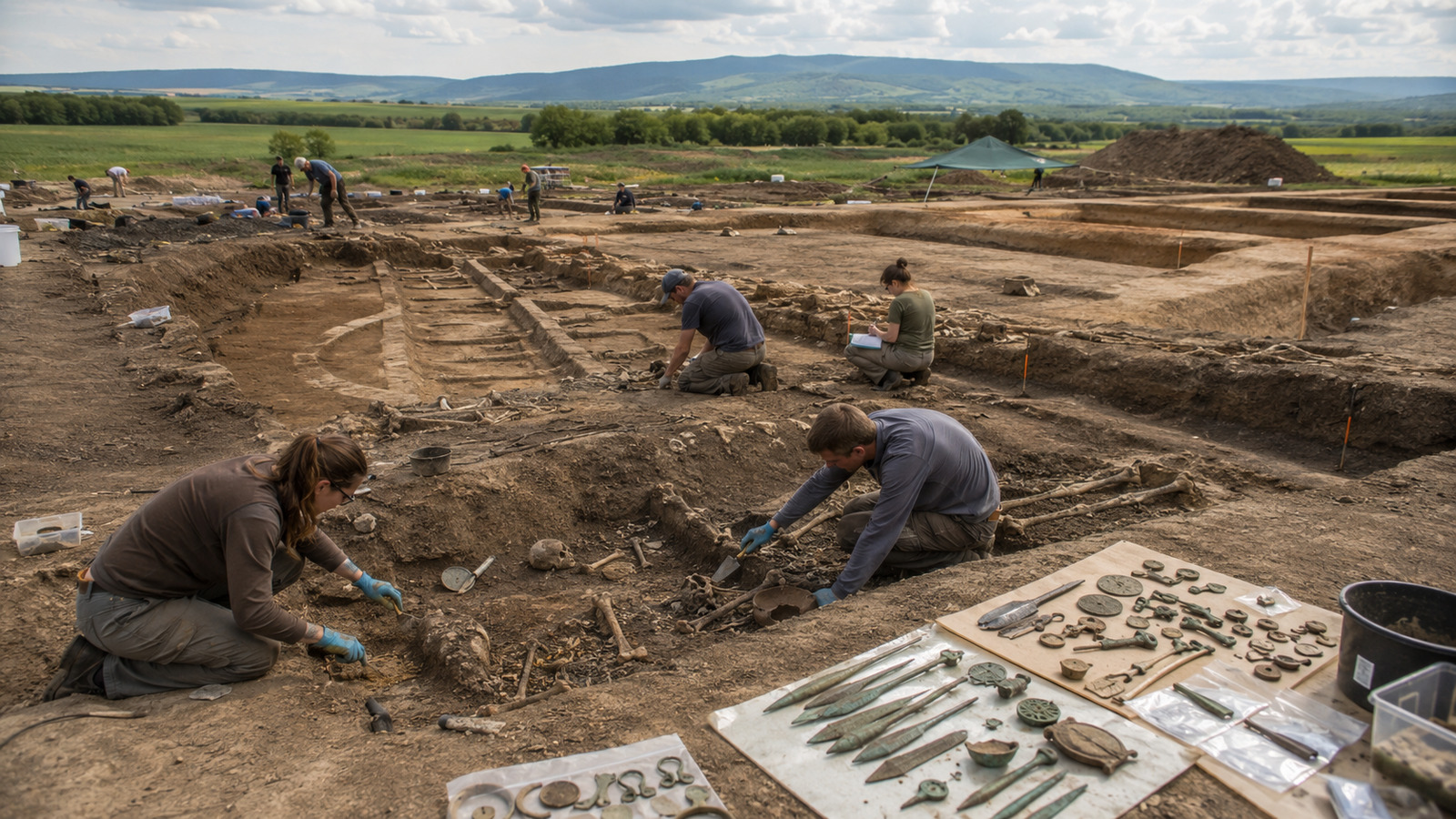
Archaeologists find a 7.4-hectare 2nd-century Roman military camp with soldiers’ skeletons, weapons, armor, coins, and five preserved gates in Slovakia.

-
Antarctica could cause more than two meters of sea level rise by 2100 in a high emissions scenario, but a study led by Felicity McCormack indicates that ice loss can still be predicted with greater confidence in the next three to five decades.
-
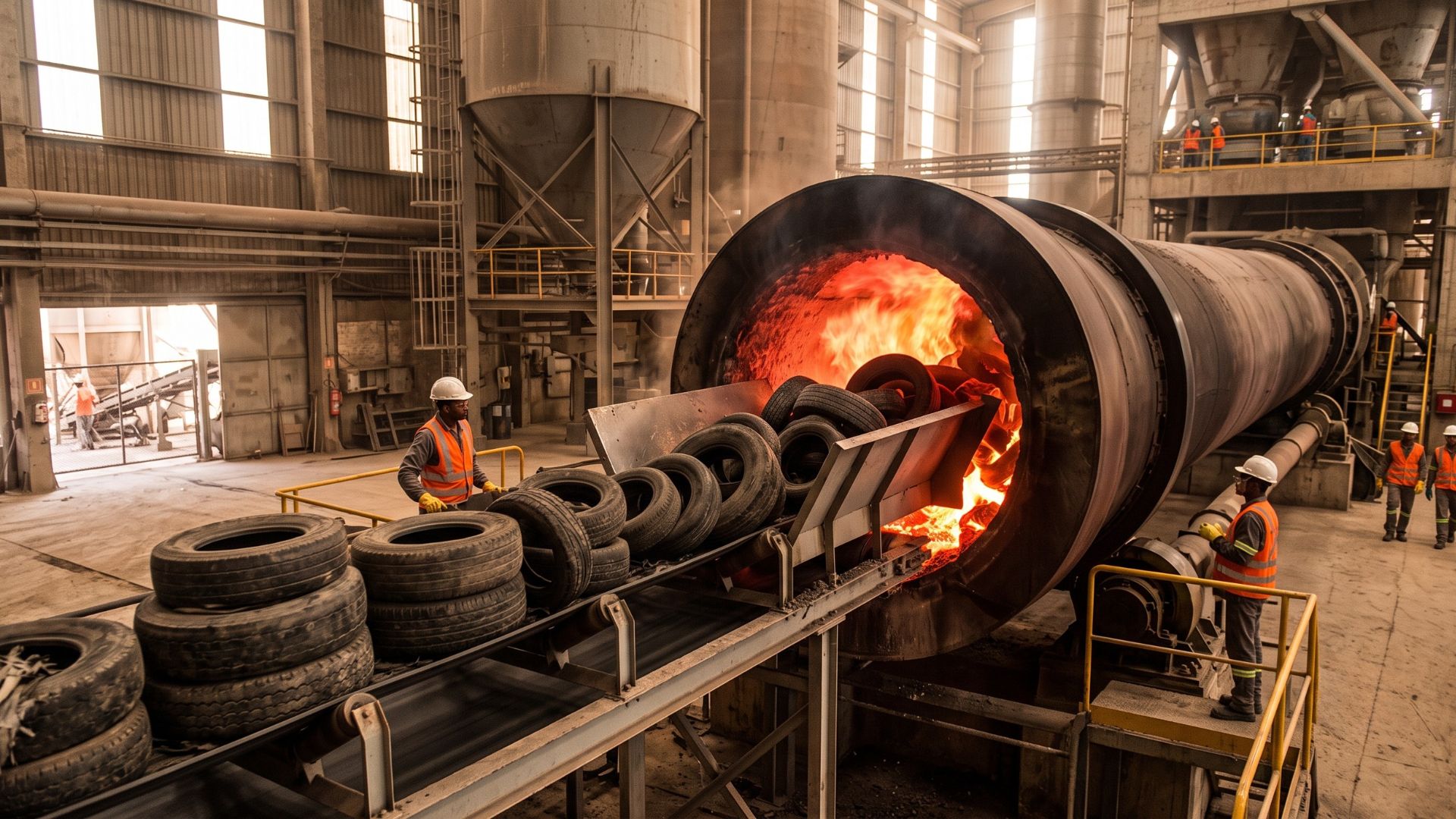
Abandoned tires that would become breeding grounds for dengue, fires, and pollution are shredded and used as alternative fuel in cement kilns, and in Brazil alone, coprocessing allocated 321.9 thousand tons in 2024 to replace part of the coal and petroleum coke.



The chair climbed the stairs, but stumbled on more common challenges
The first test of the revised version took place on the Balgrist campus in Zurich. The stair-climbing wheelchair completed the steps with ease, while its ability to maneuver in front of doors left the team less satisfied.
Stability on uneven terrain also needed improvement. When the surface changed height or presented obstacles, the chair needed to keep the user safe without losing direction or making sudden movements.


This difference showed that overcoming a staircase does not mean solving all accessibility problems. A person using a wheelchair also needs to approach doors, make turns in small spaces, and move over floors that are not always flat.
The test put the team in an unexpected situation: the most visible obstacle was already being overcome, while smaller limitations continued to interfere with daily mobility.
Wheels, tracks, and balance served different functions
The electric wheelchair did not rely on a single system to move. The wheels were used for common movements, while the tracks came into play when facing stairs and larger obstacles.
The tracks functioned as continuous bands resting on the steps. This contact helped distribute the weight and allowed the chair to advance up the staircase without relying on a ramp or an elevator.
The balancing system helped control the seat’s position during ascent. This was necessary because the chair’s base changed inclination, but the user needed to remain in a stable position.
The switch between wheels and tracks required precision. The chair needed to approach the first step correctly, begin the ascent, and return to the common floor without compromising safety.
University project was supposed to last briefly, but needed to be rebuilt
The story began in the second semester of 2014, when 10 undergraduate students developed a chair capable of climbing stairs. At that stage, the project was called Scalevo and was supposed to end in the European summer of 2015.
Four members decided to continue working on the machine. They believed they could have it ready for the competition in at most two months, but the first tests showed that the work would be much greater.
The original structure had been designed mainly for stairs. The competition also required movements on inclined surfaces, uneven floors, and obstacles similar to logs, situations that created different problems.

The team needed to revise the mechanical part, the electronic controls, and the programs responsible for the movements. The group grew to include nine students from ETH Zurich and the Zurich University of the Arts.
One motor began to control both tracks
In the first versions, each track was controlled separately. This division caused differences between the movements of the two sides, which could impair direction and make the ascent less smooth.
The team modified the setup so that a single motor moved both tracks. The change helped both sides advance together and reduced the risk of one side responding before the other.
The control computers and electronic components were also replaced. The team adopted more affordable industrial parts, while some parts of the chair were simplified to facilitate assembly and increase reliability.
ETH Zurich, Swiss university of science and technology, detailed that these changes also prepared the project for possible commercial production. The chair was no longer just an academic experiment intended for stairs.
Pilot needed to train with the chair before the competition
The technology could not function only during controlled tests. It was necessary to verify how a person using a wheelchair would react to movements, commands, and changes between different locomotion systems.
Josep Ballester acted as the team’s test pilot. He traveled the circuit while Pascal Buholzer followed the rules and observed how the chair responded to each obstacle.
The training helped identify problems that did not appear during assembly. A chair can climb stairs under ideal conditions and still face difficulties when it needs to make a turn, cross an inclined surface, or position itself in front of a door.

The preparation was aimed at the Cybathlon, a competition scheduled for October 8, 2016. The event placed assistive technologies in front of tasks inspired by challenges found in everyday life.
Price could also become a barrier
In addition to mechanical problems, the team needed to think about the cost of a future chair. The price should cover production but also needed to remain within a range that could be paid by users or existing support systems in each country.
At that moment, Scewo was still a prototype in preparation for a competition, not a product presented with all defined commercial conditions.
This information is important because it directly affects daily use. A very heavy chair can be difficult to transport, while a limited battery can reduce the distance traveled away from an outlet.
The ability to climb stairs represented only part of the challenge. Safety, autonomy, cost, and ease of control would also be decisive in transforming the prototype into a mobility solution.
Accessibility cannot be just about wheels
A chair capable of climbing stairs can help in old buildings, places without elevators, and spaces where installing a ramp is difficult. In Brazil, the technology could also be useful given uneven sidewalks and inadequate access.
However, a machine does not eliminate the responsibility of cities and property owners. Ramps, elevators, wide doors, and regular floors are still necessary to ensure that people can move around without relying on complex equipment.
When accessibility depends solely on the chair, the user needs to carry the solution for a barrier created by the environment itself. Technology enhances independence, but it does not replace an accessible city.
The Swiss students’ project showed how wheels, tracks, and balance systems can tackle steps once considered insurmountable. It also revealed that daily mobility involves less impressive, but equally important, obstacles.
After ten months of changes, the team managed to make the chair climb stairs with greater safety and more controlled movements. The difficulties with doors and uneven floors, however, showed that true accessibility depends on the union between engineering, urban planning, and prepared environments.
Would a chair that climbs stairs solve part of the accessibility problems in Brazil, or would investing in sidewalks, ramps, and adapted buildings bring broader results? Leave your opinion in the comments and share the post.