





 Portuguese
  English
  Spanish
 4 min of reading
  0 comments


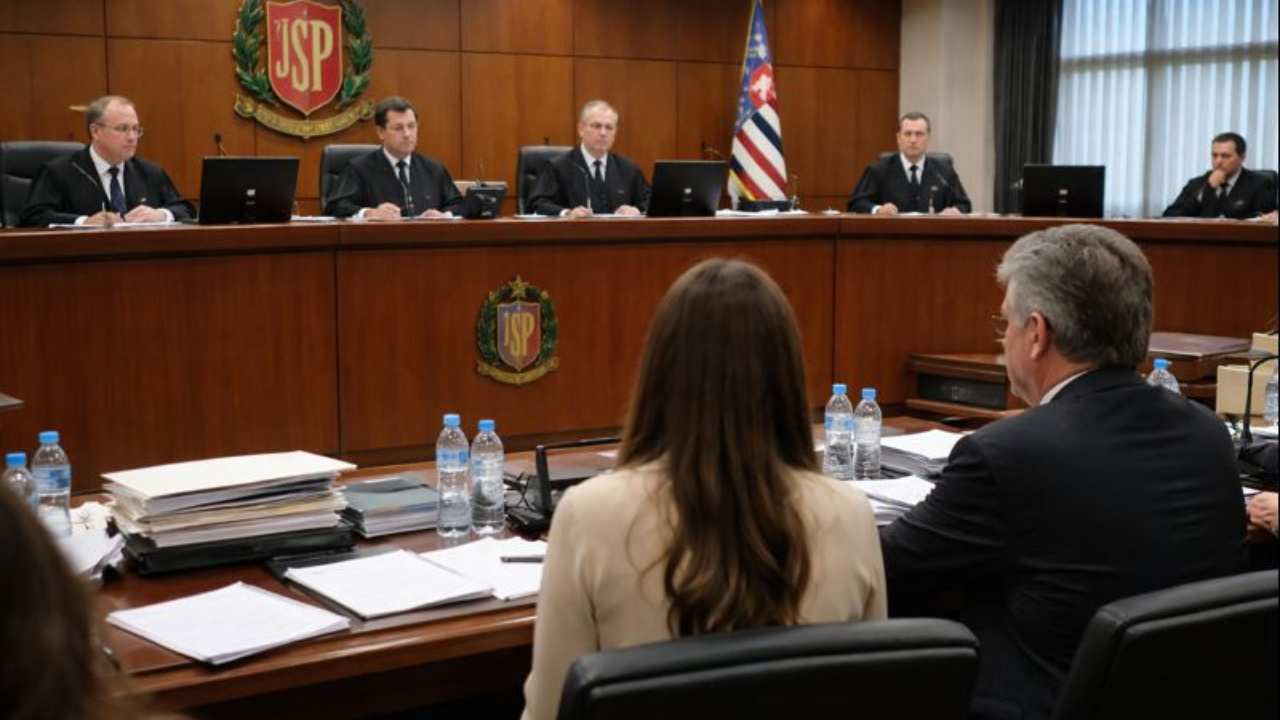
TJ-SP Ruling Reinforces That Blood Transfusion in Imminent Risk Respects the Right to Life and Dismisses Compensation.
The São Paulo Court of Justice (TJ-SP) rejected the request for compensation for moral damages filed by the mother of a young Jehovah’s Witness who received a blood transfusion without authorization in a hospital in Santos, on the São Paulo coast.
The decision involves a case that took place between 2016 and 2017, when the patient, then 18 years old, was facing a very serious clinical condition with imminent risk of death.
For the judges, considering the circumstances, the medical conduct was legitimate and aimed at preserving the right to life, deemed the most relevant among fundamental rights.
-
The noise law will no longer be in effect at 10 PM starting in June with a new rule valid during the 2026 World Cup.

-
The Chamber opens a debate on driver’s licenses at 16 years old as part of a reform that includes around 270 proposals to change the Brazilian Traffic Code and may redesign rules for licensing, enforcement, and circulation in the country.

-
The new Civil Code could revolutionize marriages in Brazil with “express divorce” and changes that could exclude spouses from inheritance.
-
Banco do Brasil sues famous influencer for million-dollar debt and intensifies debate on delinquency, risks of seizure, and direct impact on Gkay’s credibility.


TJ-SP Analyzes Conflict Between Blood Transfusion and Religious Freedom
The case reached the TJ-SP after the patient’s mother went to court alleging that her daughter, being a Jehovah’s Witness, had expressly refused the blood transfusion, even though she had agreed to other treatments, such as chemotherapy.
According to the lawsuit, the hospital violated this decision, subjecting the young woman to the procedure even against her will, which would justify the request for compensation for moral damages.
The young woman suffered from aplastic anemia, a rare disease in which the bone marrow reduces or stops the production of blood cells.
In addition, she had other associated illnesses. Despite medical efforts, she died in January 2017.
Initial Decision and Reversal at TJ-SP
In 2020, the 1st Public Treasury Court of Santos partially granted the family’s request and ordered the State of São Paulo to pay R$ 100,000 for moral damages.
However, the decision was contested on appeal.
Upon reviewing the case, the 8th Chamber of Public Law of the TJ-SP overturned the ruling and dismissed the compensation.
The panel concluded that there was no illegality in the conduct of health professionals, especially in light of the concrete risk of death faced by the patient.
Reporter Highlights Attempt to Respect Religious Belief
The judge Percival Nogueira, rapporteur of the appeal, emphasized that the doctors initially sought therapeutic alternatives that would not violate the patient’s religious convictions.
According to him, the young woman had been under care since January 2016, a period during which the medical team showed sensitivity regarding the beliefs of the Jehovah’s Witness.
However, according to the records, in December 2016 there was a significant worsening of her clinical condition, with imminent risk of death.
In this context, the medical team began to consider the blood transfusion essential to attempt to reverse the situation.
“There was therefore no excess in this regard, as the indispensability of transfusions in the specific case was duly justified,” argued the rapporteur.
TJ-SP Dismisses Allegations of Distress and Violation of Dignity
The patient’s mother alleged that the medical team sedated her daughter, physically restrained her, and performed nine transfusions in the days leading up to her death.
However, according to the judge, there was insufficient evidence to confirm these claims.
“It is not possible to conclude that the transfusion involved a violation of dignity, nor humiliation and disregard for moral, spiritual, and psychological values.
The medical conduct adopted, as mentioned above, aimed solely at preserving her life,” stated Nogueira.
Thus, the TJ-SP understood that there was no situation warranting compensation for moral damages, as no abuse, excess, or deviation of purpose was demonstrated by the hospital or the professionals involved.
Right to Life Prevails in Extreme Risk Situation
One of the central points of the ruling was the weighing of religious freedom against the right to life.
For the rapporteur, when there is an imminent risk of death and effective treatment is available, the State has a duty to act to protect the patient’s life.
“In the face of a scenario where there is an imminent risk to life, with a therapeutic resource capable of reversing the clinical picture, the State and, consequently, its agents, must act to prevent the patient’s death,” he emphasized.
This interpretation reinforces the TJ-SP’s understanding that, in extreme situations, the preservation of life may outweigh other individual guarantees, even if they involve deeply rooted religious convictions.
Ruling Was Decided by Majority
The majority of judges decided to dismiss the compensation for moral damages.
In addition to rapporteur Percival Nogueira, the judges José Maria Câmara Júnior, Leonel Costa, Bandeira Lins, and Antonio Celso Faria supported the understanding.
The case remains an important reference in the legal debate about blood transfusion, religious freedom, medical practice, and the limits of the right to life
especially in contexts of urgency and extreme risk.










Seja o primeiro a reagir!