





 Portuguese
  English
  Spanish
  6 min of reading
  0 comments


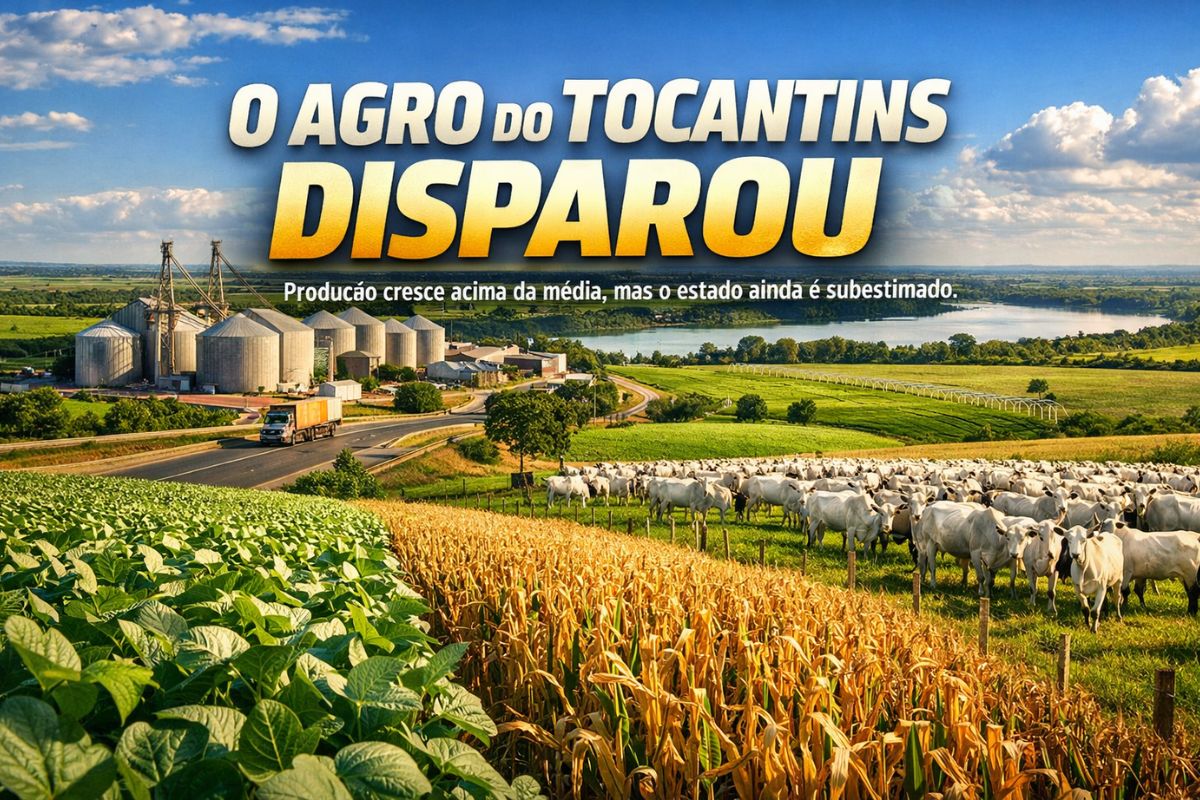
With Grain Production on the Rise, Livestock at Scale, and Irrigation Expanding, Tocantins Consolidates Its Position in the Northern Arc and Broadens Its Frontier in Brazilian Agriculture.
In recent years, Tocantins has moved from the periphery of the national agrarian debate and started growing above the Brazilian average in grains, livestock, and irrigation. Production has advanced, logistics are still limited but have improved, and productivity has taken a consistent leap. Nevertheless, the state still appears little when talking about the protagonists of agriculture.
When the data is broken down, the mismatch draws attention. Tocantins is now the largest producer of grains in the North Region, has territory with enormous room for expansion, abundant water, and direct connection to the Northern Arc corridor, along with a technological base revolving around Embrapa, universities, and producers. The result is a state that combines scale, efficiency, and planning at a speed greater than most of the country is perceiving.
Tocantins, a “New” Protagonist of Brazilian Agriculture
The starting point is simple and powerful. Tocantins brings together available land, strategic location, and an innovation ecosystem that began to communicate better. On one side, there are millions of hectares with agricultural and livestock suitability still underutilized. On the other, the positioning shortens logistical routes to the Northern Arc ports, alleviating dependence on more expensive and congested corridors.
-
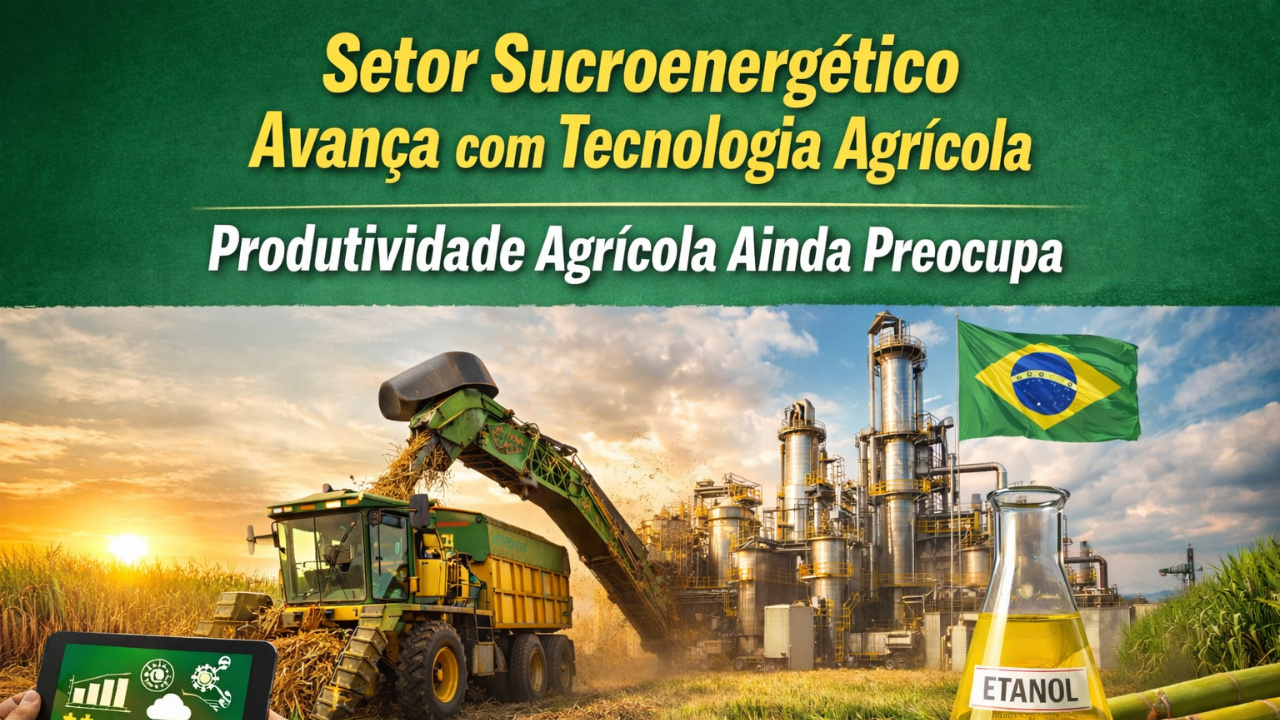
The sugar-energy sector advances with agricultural technology, but agricultural productivity still raises concerns.
-
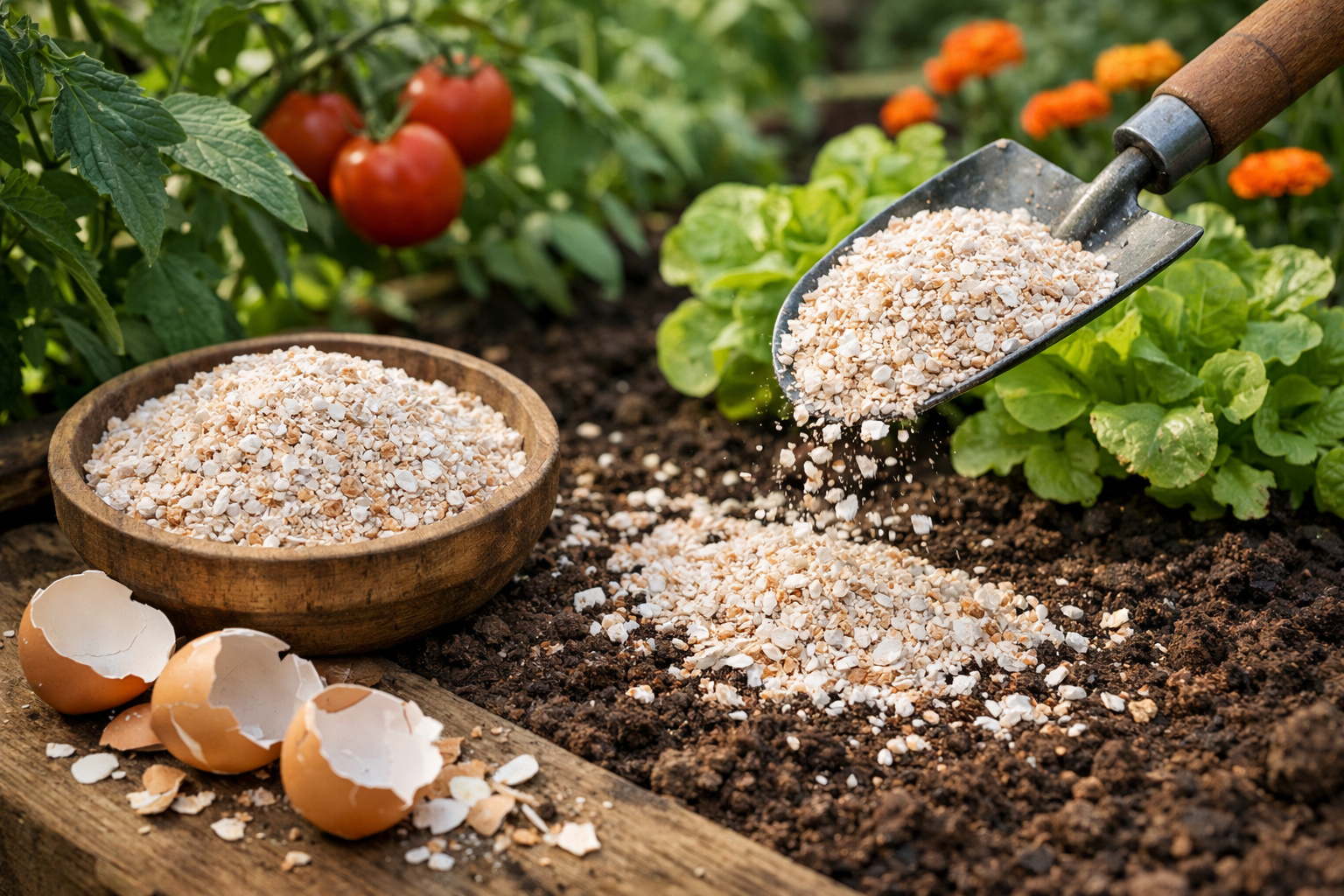
The eggshell that almost everyone throws away is made up of about 95% calcium carbonate and can help enrich the soil when crushed, slowly releasing nutrients and being reused in home gardens and vegetable patches.
-
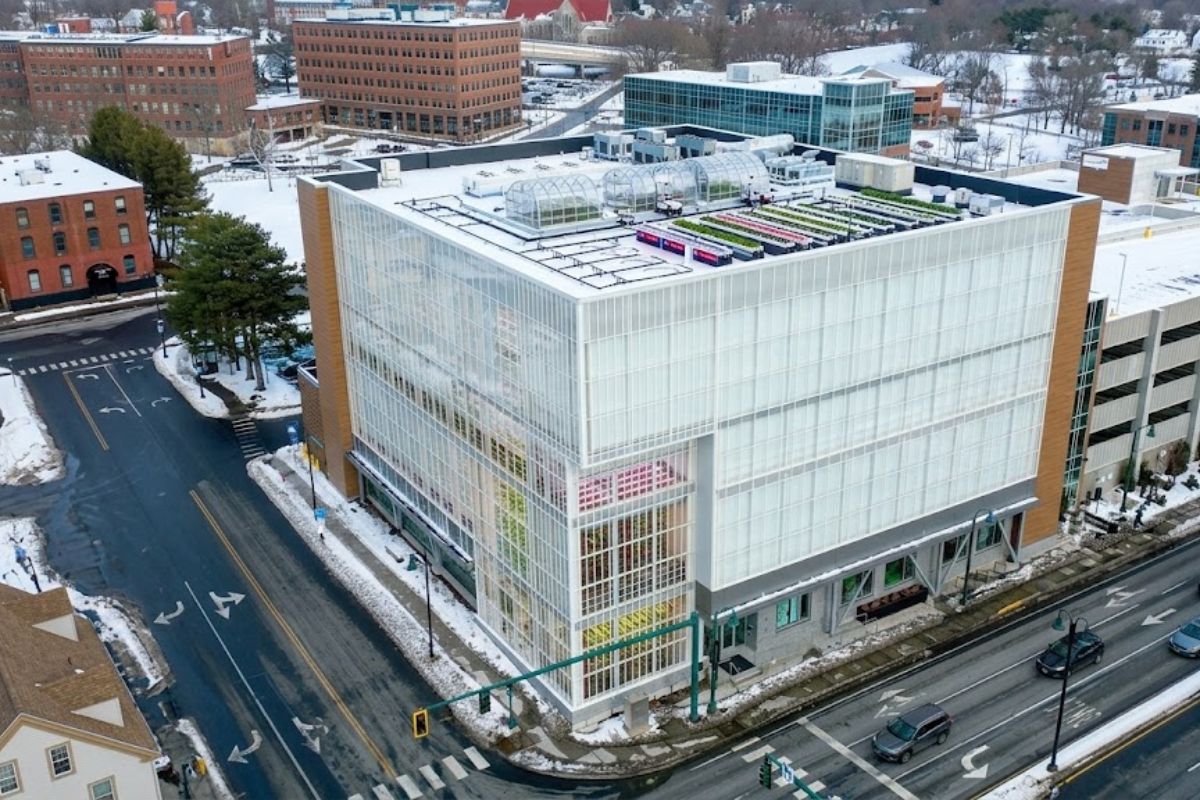
This farm in the United States does not use sunlight, does not use soil, and produces 500 times more food per square meter than traditional agriculture: the secret lies in 42,000 LEDs, hydroponics, and a system that recycles even the heat from the lamps.
-
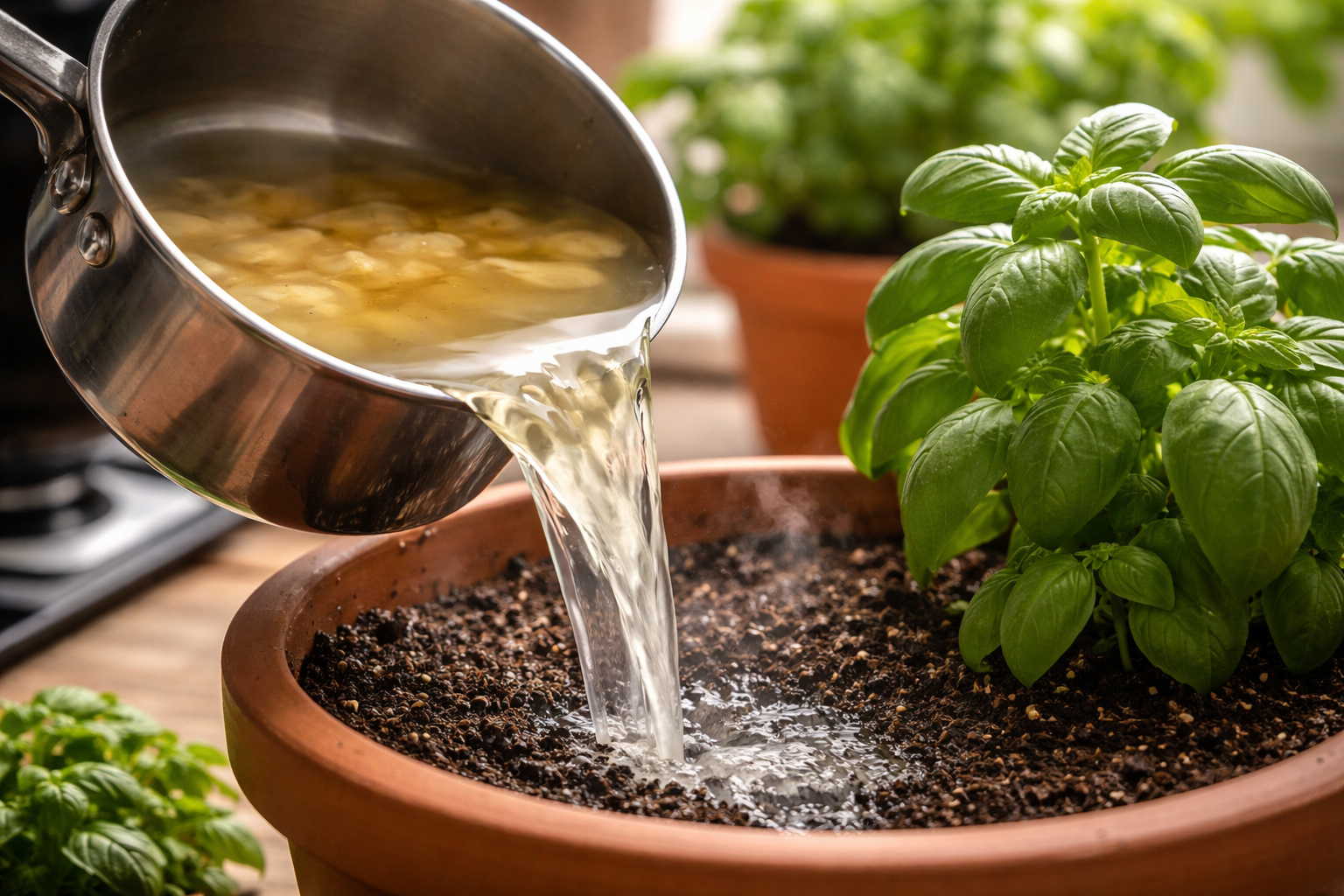
The water that almost everyone throws away after cooking potatoes carries nutrients released during the preparation and can be reused to help in the development of plants when used correctly at the base of gardens and pots, at no additional cost and without changing the routine.

Around this physical core, a network emerges that integrates Embrapa, universities, producers, and public policies, aligning genetics, management, irrigation, and integrated systems. This is not just about opening new areas, but rather about growing with more productivity and predictability, without artificial expansion movements at any cost.
Soybeans and Corn: Tocantins Takes the Lead in Grains in the Northern Region

In grains, the leap becomes evident. In soybeans, the planted area in Tocantins increased from about 1.45 million to 1.57 million hectares, a growth of nearly 8 %. More important than the area is the result in bags: production reached 5.86 million tons, an increase of 28 % over the previous crop. This performance places the state as the largest grain producer in the North Region, with projections indicating around 8.9 million tons in upcoming harvests, maintaining the growth trajectory.
In corn, the logic is repeated. The second crop in Tocantins reached approximately 405 thousand hectares, with production around 2 million tons, the largest volume ever recorded in the state. The change here is structural: Tocantins has stopped relying exclusively on rainfall.
Decades ago, productivities around 1,000 kg per hectare were common. Today, levels exceed 5,200 kg per hectare, a direct result of advanced genetics, appropriate management, and the evolution of production systems in conjunction with livestock and soybean producers. In other words, it’s not just more area; it’s more results per hectare.
Livestock Gains Scale with More Competitive Grains

Livestock closely followed the transformation of agriculture. With a herd of around 11 million heads, Tocantins began to gain weight on the national scene. In the first quarter of 2025, approximately 352 thousand animals were slaughtered, a growth of 9 % compared to the same previous period.
This evolution did not happen by chance. Competitive grains reduce feeding costs, pasture recovery improves cattle performance, and integrated crop-livestock systems gain traction. The result is a more intensive livestock sector, with better land use and greater connection to grain production.
A Margin of Expansion That Few Regions in the Country Have
When the analysis dives into the territory, the potential becomes even clearer. Tocantins has 27.8 million hectares of total area, of which about 13.85 million have suitability for agriculture. Today, only a little over 10 % of this suitable area is occupied, representing one of the largest margins of expansion in the country.
A crucial point is that much of this advancement can occur over degraded pastures, without the need for deforestation and with economic and environmental gains. These are areas that were opened in the past and today generate little value. Recovering them with more efficient systems means increasing production and income without putting pressure on new forest frontiers.
Regions with Complementary Vocations Within Tocantins
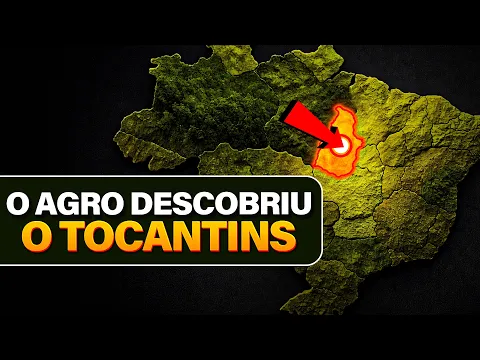

Within Tocantins, the regions have also gained well-defined vocations.
- Porto Nacional consolidates as a hub for grains and logistics, connected to the Northern Arc axis.
- Araguaína and Gurupi advance in the integration between crop and livestock, strengthening rotation systems and more intense land use.
- Campos Lindos and Dianópolis continue as areas of more intense expansion, opening new productive areas and consolidating large agricultural projects.
- The Jalapão region is gaining ground with irrigated systems and higher value-added crops, reducing climatic risks and diversifying the productive base.
This geographical diversification reduces dependence on a single region and strengthens the state as a whole, better distributing wealth and investments.
Water, Irrigation, and the Leap of Rice in Tocantins
Another decisive asset is water. The basins of the Tocantins and Araguaia rivers create complementary productive environments for various crops. Higher areas favor soy and corn, while the lower areas add up to more than 1 million hectares suitable for irrigation.
Projects like Formoso do Araguaia, Javaés, Lagoa da Confusão, and Prodoeste show how the correct use of water, combined with favorable relief, allows for two to three crops per year, reducing exposure to weather and stabilizing income.
In irrigated rice, the transformation is clear. In the 2018/2019 crop, production reached about 665 thousand tons, with 96 % concentrated in the southwest region. Two decades later, this volume has nearly doubled, reflecting technology, more precise water management, and organization of the irrigated rice chain in Tocantins.
Planted Forests and Irrigated Fruits Broaden the Portfolio
Diversification also includes planted forests. In 2006, Tocantins had about 16 thousand hectares of planted forest. Today, this number stands at 170 thousand hectares, driven mainly by eucalyptus, which supplies mining, cellulose, energy, and agro-industries that use biomass.
In irrigated fruits, pineapple, watermelon, and other native fruits are gaining ground, creating opportunities for both agro-industries and family farming. These niches help to distribute income, generate local jobs, and reduce exclusive dependence on soy and cattle.
Tocantins Grows Above the Average in Brazil
The macroeconomic numbers reflect the advancement in the field. In 2022, the GDP of Tocantins grew by about 6 %, driven directly by agriculture. In 2025, agriculture led the state’s performance in the first quarter, with growth around 4.7 %, well above the Brazilian average for the same period.
In foreign trade, Tocantins exported approximately 2.5 billion dollars in 2024, with 1.3 billion solely in soybeans. Porto Nacional has consolidated itself as a logistical hub for the region, moving around 122 million dollars just in the first quarter of 2025.
For a state with just over 1.5 million inhabitants, these numbers reposition Tocantins on the economic map of the country, especially when compared to older and more populous states.
Management, Technology, and the Role of the ABC Plus Tocantins Plan
All this growth comes at a cost in complexity. Soil management needs to be increasingly technical, expansion must respect ecological zoning, and climate changes require efficient irrigation and systems less vulnerable to pests and diseases.
It is at this point that Tocantins begins to take a qualitative leap with the ABC Plus Tocantins Plan. The program brings together the technological park, Embrapa, universities, and the productive sector, organizing research in genetics, soil, management, and biotechnology focused on local realities.
In practice, this means more resilient production, lower emissions per unit produced, and more integrated systems, combining crops, livestock, and forests in the same territory.
The Next Step: Adding Value Within Tocantins
Even with all this advancement, Tocantins still exports mainly raw materials. The challenge now is to add value within the state, through agro-industries, cooperatives, and processing units that transform grains, meat, wood, and fruits into higher value-added products.
This means more qualified jobs, more revenue, and more economic resilience, preventing the state from getting stuck in the cycle of international commodity prices. In the current scenario, Tocantins is not just a new area for agricultural expansion. It is a state that is combining scale, efficiency, and planning and advancing much faster than most of the country realizes.
And you, looking at all this, do you think that Tocantins is already being treated as a strategic power in Brazilian agriculture or is it still underestimated when it comes to investments, infrastructure, and agro-industry?






-

Uma pessoa reagiu a isso.