





 Portuguese
  English
  Spanish
  3 min of reading


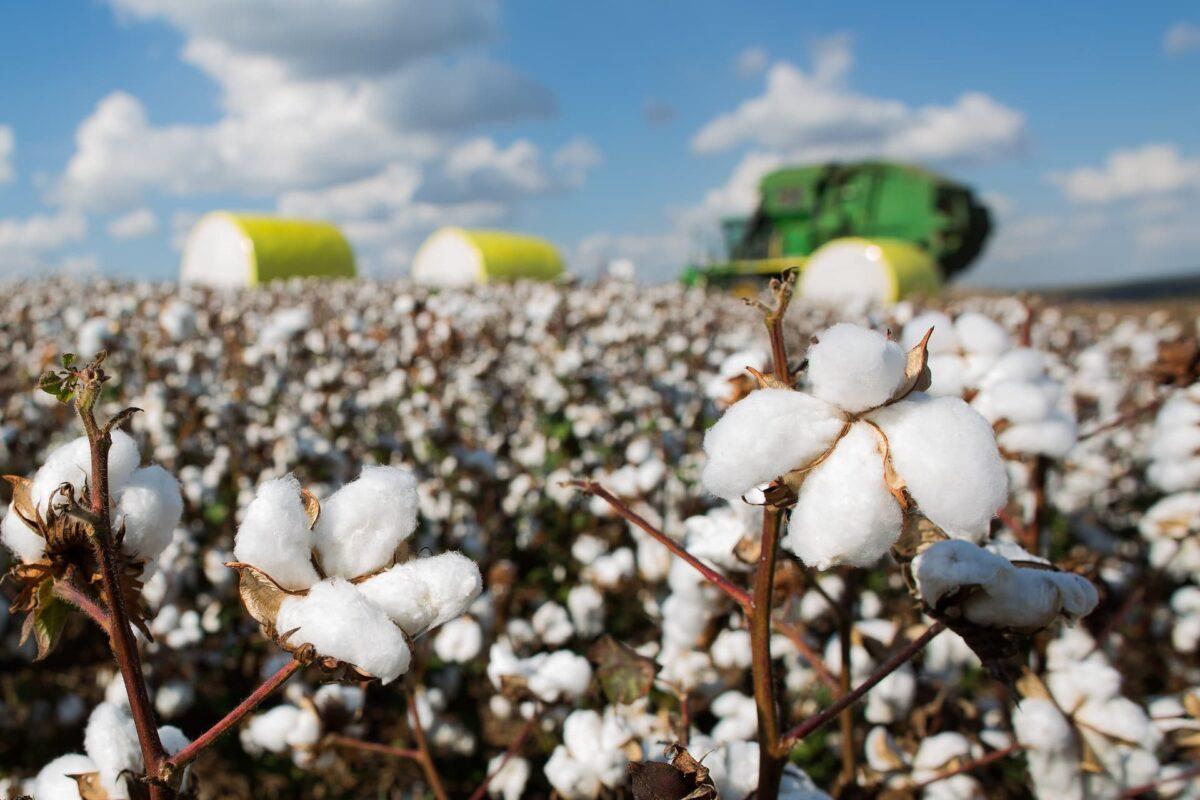
As the Fourth Largest Market for Brazilian Cotton and Also the Destination for 12% of All Fiber Shipped from Brazil Worldwide, Bangladesh Is a Priority Country for the Brazilian Cotton Growers Association (Abrapa).
Alexandre Schenkel, president of this entity, was one of the representatives for the economy sector, along with national exporters, who participated on the morning of this Wednesday (02/01) in the signing of the Memorandum of Understanding between Apex-Brasil and the Federation of Bangladesh Chambers of Commerce & Industries (FBCCI), a Bangladeshi institution equivalent to the National Development Agency.
Among all the parties that signed the memorandum, this ceremony was also attended by the Ambassador of Bangladesh to Brazil, Sadia Faizunneza, the Senior Secretary of the Ministry of Commerce of Bangladesh, Tapan Kanti Gosh, and the president of FBCCI, Jashim Uddin. From the Brazilian government, the director of Business at Apex-Brasil, Ana Paula Repezza, and the director of the Department of Commerce and Investment Promotion, Ambassador Alex Giacomelli, participated.
According to the cooperation, the expectations of Apex and FBCCI are to promote, strengthen, and also give visibility to the trade relations between these two countries. Currently, in addition to cotton, Brazil is still a representative supplier of other commodities, such as sugar, soybeans, and iron ore. Bangladesh exports manufactured products to Brazil, such as textiles.
-
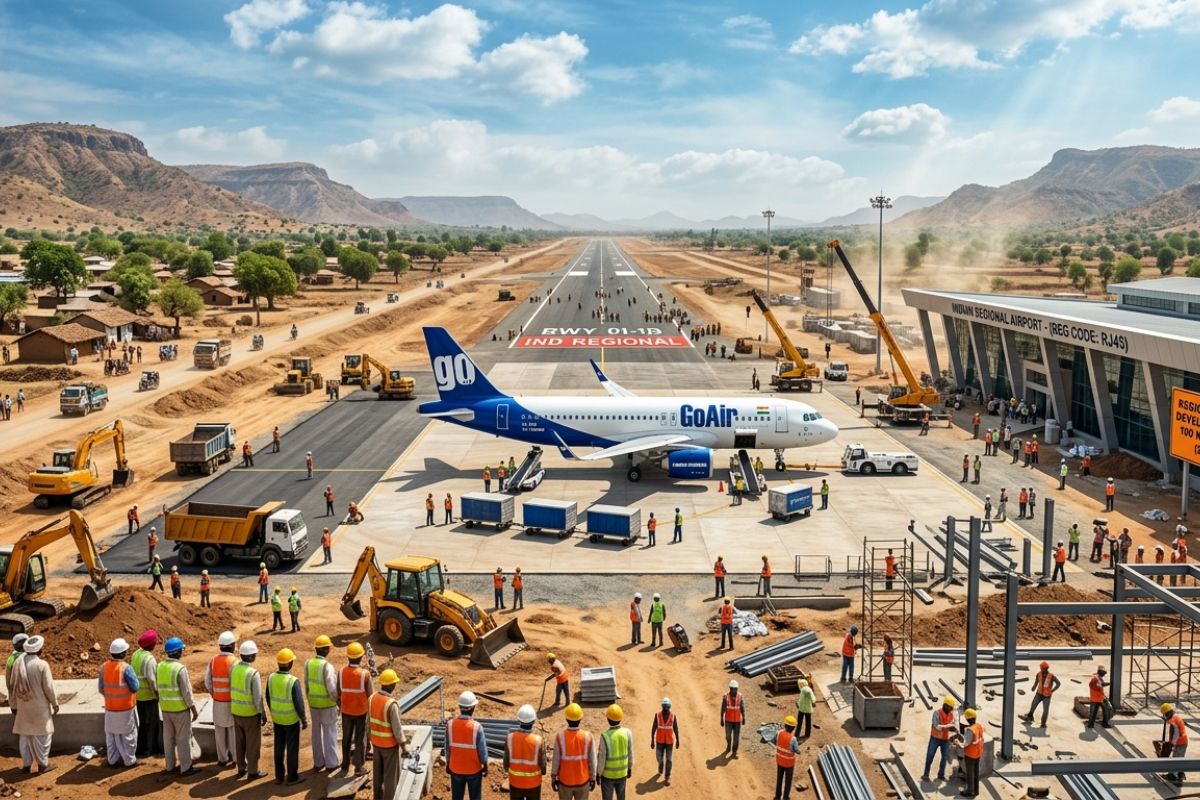
India announces a plan of $3.06 billion to bring aviation to forgotten regions: 100 new airports, $1.07 billion in subsidies, and regional routes guaranteed for 10 years, from 2026 to 2036, away from the centers.
-
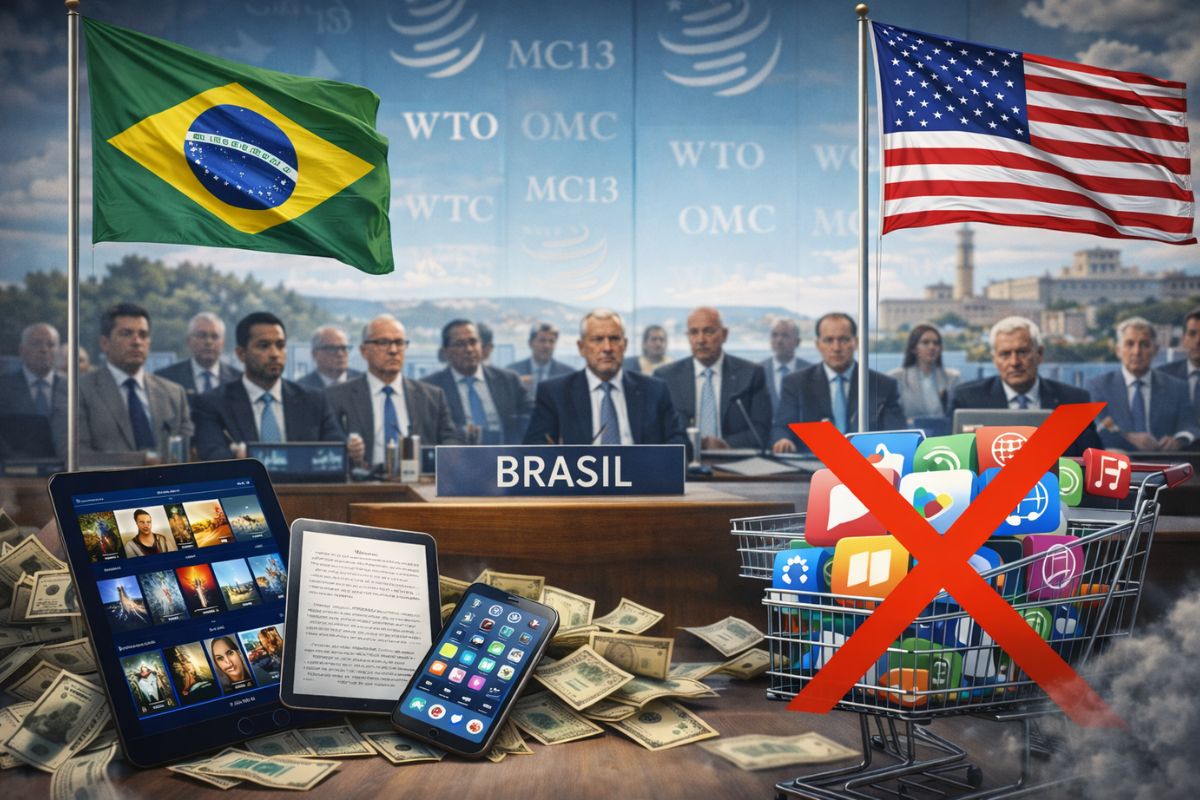
Brazil blocked a proposal from the United States at the WTO that would make the exemption from tariffs on digital products like streaming and ebooks permanent, favoring American tech giants at the expense of developing countries.
-
IPTU exemption for seniors in 2026: see how to secure the benefit.

-
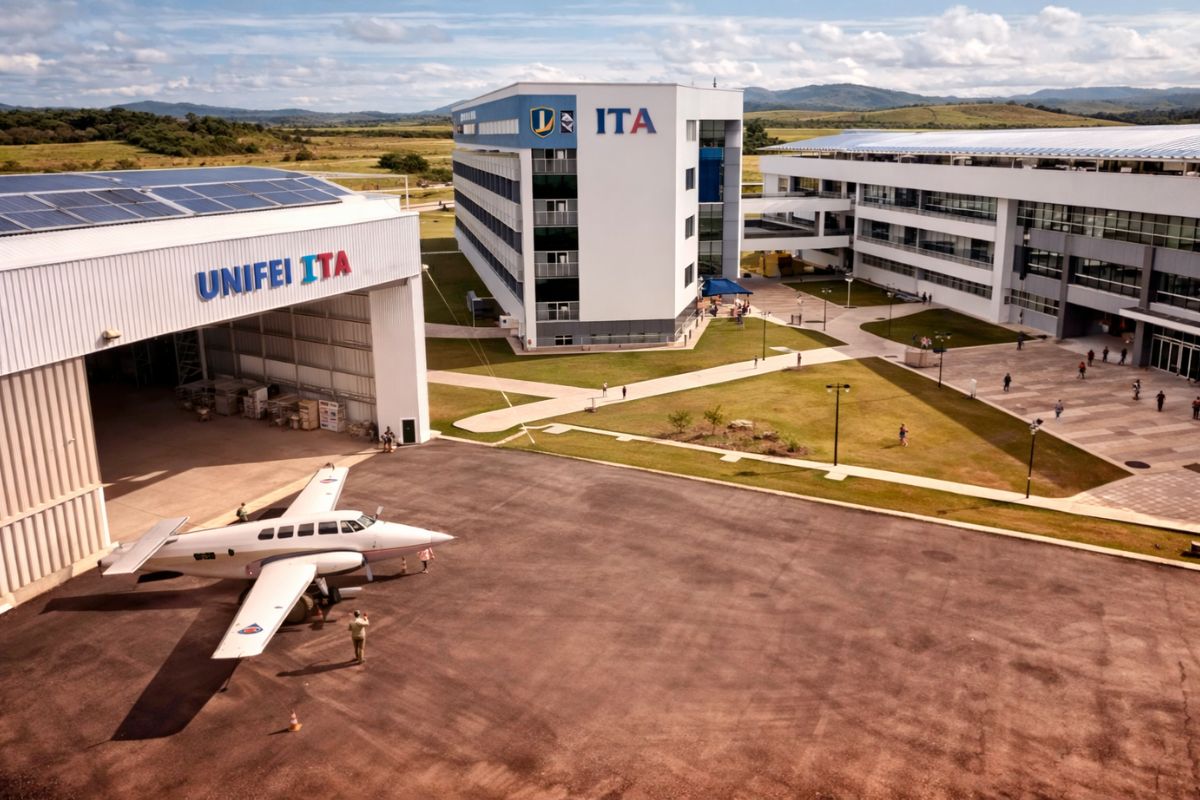
The institute that trained the greatest aerospace engineers in Brazil has just opened its first campus outside São Paulo after 75 years: ITA Ceará will have R$ 445 million, new courses in energy and systems, and classes are expected to start in 2027.

Growing Industry: More Cotton
According to Jashim Uddin, president of FBCCI, in the 2024/2025 biennium, Bangladesh’s textile industry is expected to double its size. “We will need more cotton. Today, we are buying fiber from Brazil, Africa, and India, and the memorandum signed here favors trade between us,” he stated.
FBCCI represents more than 80% of Bangladesh’s private sector industries, with over 400 associates and around more than 38 bilateral agreements signed in Brasília.
Sustainable Opportunities
As sustainability is one of the main attributes of Brazilian cotton, it was also presented as a great opportunity for trade between the two countries. This topic is also part of Bangladesh’s agenda that reinforces its actions in this regard, as in the last ten years, in its operations, several industrial plants have been considered “green”.
According to Alexandre Schenkel, Brazil is still the source of cotton, with its highest share of all cotton bolls licensed by the Swiss NGO Better Cotton Initiative (BCI). “Currently, 42% of all cotton licensed by Better Cotton comes from Brazilian farms, and 86% of all cotton produced in Brazil is certified by the Responsible Brazilian Cotton (ABR) program, which operates in benchmark with BCI,” he stated.
Schenkel highlighted the International Cotton Association Committee (Icac), stating that about 95% of the Brazilian cotton relies solely on rainwater for its production. “The possibility of having this cotton being manufactured in equally sustainable factories in Bangladesh opens new trade opportunities, makes our clients happy, and brings environmental, social, and economic gains,” the president emphasized.








Seja o primeiro a reagir!